
- About the Journal
- Editorial Board
- Review Process
- Author Guidelines
- Article Processing Charges
- Special Issues
- Indexing
- Current Issue
- Past Issue
 Journal of Comprehensive Nursing Research and Care
 Volume 11 (2026), Article ID: JCNRC-234
https://doi.org/10.33790/jcnrc1100234Research Article
Digital Technology Use, Psychological Resources, and Perceived Cognitive Benefits Among Older Adults: A Cross-Sectional Study in Northern Morocco
Najat Boucetta1,2*, Jacques N’djoli2, Rachid Bellazaar1, Ayman Kassbi3, Hakima Seghir4, Aziz Bidari2
1Higher Institute of Nursing Professions and Health Techniques, Tetouan, Morocco.
2Research Team in Pedagogical Engineering and Science Didactics, Higher Normal School, Abdelmalek Essaadi University, Tétouan, Morocco.
3Faculty of Legal, Economic and Social Sciences, Tangier, Abdelmalek Essaadi University, Tetouan, Morocco.
4Mathematical and Informatics Modeling Laboratory, Higher Normal School, Moulay Ismail University, Meknès, Morocco.
Corresponding Author Details: Najat Boucetta, Research Team in Pedagogical Engineering and Science Didactics, Abdelmalek Essaadi University Higher Normal School, Tétouan, Morocco.
Received date: 11th June, 2026
Accepted date: 25th August, 2026
Published date: 27th August, 2026
Citation: Boucetta, N., N’djoli, J., Bellazaar, R., Kassbi, A., Seghir, H., & Bidari, A., (2026). Digital Technology Use, Psychological Resources, and Perceived Cognitive Benefits Among Older Adults: A Cross-Sectional Study in Northern Morocco. J Comp Nurs Res Care 11(2):234.
Copyright: ©2026, This is an open-access article distributed under the terms of the Creative Commons Attribution License, which permits unrestricted use, distribution, and reproduction in any medium, provided the original author and source are credited.
Abstract
Introduction: Population ageing presents major public health challenges, while digital technologies hold potential to support cognitive and psychosocial well-being in later life. However, engagement with digital tools may be shaped by psychological factors such as motivation, self-confidence, and technological anxiety.
Objective: This study aimed to explore psychological resources related to digital technology engagement and to examine associations between digital technology use, perceived cognitive benefits, technological anxiety, and sociodemographic characteristics among older adults.
Materials and Methods: A descriptive cross-sectional study was conducted among 45 older adults aged 65–85 years in Tetouan, Morocco, from 10 to 31 January 2026. Data were collected via a structured questionnaire on sociodemographic factors, digital technology use, psychological resources, perceived cognitive benefits, and technological anxiety. Associations between categorical variables were analysed using the Fisher–Freeman–Halton exact test, with significance set at p < 0.05.
Results: Of the participants, 82.22% reported regular use of digital technologies, and 86.67% perceived improvements in memory and attention. Technological anxiety was reported by 64.44%. Digital technology use was significantly associated with perceived cognitive benefits (p < 0.001) and technological anxiety (p = 0.041), but showed no significant association with age, gender, educational level, living arrangement, or socioeconomic status. Perceived cognitive benefits did not significantly vary by age or gender. Intrinsic motivation, intellectual curiosity, and self-confidence were each reported by approximately one-third of participants.
Conclusion: Digital technology engagement among older adults is linked to perceived cognitive benefits and technological anxiety rather than sociodemographic characteristics in this sample. Given the exploratory design and subjective nature of perceived cognitive outcomes, findings warrant cautious interpretation. Further research with larger samples, validated psychological measures, and objective cognitive assessments is needed to confirm and extend these results.
Keywords: Older Adults; Digital Technology Use; Psychological Resources; Cognitive Benefits; Technological Anxiety; Active Ageing.
Introduction
Population ageing is a global phenomenon that presents significant public health, social and economic challenges. As life expectancy increases worldwide, ensuring not only longer life, but also healthier and more independent ageing has become increasingly important [1]. In this context, promoting the cognitive, psychological, and social well-being of older adults has become a key priority for healthcare systems and policymakers. In light of the growing prevalence of cognitive decline, loneliness and anxiety-depressive disorders among older populations, mental health in later life is of particular importance [2]. The concept of active ageing emphasises the importance of optimising opportunities for health, participation, and security to enhance quality of life as people grow older [3]. Alongside demographic changes, the rapid expansion of digital technologies has transformed the way individuals communicate, access information, and organise their daily lives. Digital tools such as smartphones, tablets and internet-based platforms, as well as cognitive training applications, are increasingly recognised as valuable resources for supporting healthy ageing [4]. These technologies can facilitate social interaction and reduce isolation, providing cognitive stimulation that may help to maintain mental and cognitive functioning in older adults [5]. Furthermore, previous studies have suggested that engaging with digital technologies may be associated with improved psychological well-being and reduced depressive symptoms in older adults [6]. From a cognitive perspective, interacting with digital technologies requires attention, learning, problem solving and adapting to new interfaces. These activities may provide cognitive stimulation and contribute to older adults’ perceptions of maintaining or improving cognitive functioning [7]. While previous studies have noted associations between digital engagement and cognitive outcomes in older adults, findings are heterogeneous and may vary based on individual and contextual factors [4]. It is important to distinguish perceived cognitive benefits from objectively measured cognitive performance, as subjective perceptions do not always reflect actual cognitive changes. The engagement of older adults with digital technologies cannot be explained solely by their access to devices and connectivity. The Technology Acceptance Model (TAM) emphasises the significance of perceived usefulness and ease of use in the adoption of technology [8]. Furthermore, psychological resources can impact older adults' willingness to engage with digital tools. Intrinsic motivation, intellectual curiosity and self-confidence can foster interest in learning, persistence in the face of difficulties and confidence in using digital technology [9,10]. According to Self-Determination Theory, intrinsic motivation promotes sustained engagement when behaviours are driven by interest, curiosity and personal satisfaction rather than external pressures [8]. Despite the potential benefits of digital technologies, a persistent digital divide exists among older adults. This divide extends beyond device access and internet connectivity to encompass digital skills, confidence, usage patterns and the ability to derive meaningful benefits from technology [12,13]. Consequently, while some older adults actively engage with digital tools, others face difficulties or remain reluctant [13].
These differences are influenced by psychological barriers. Technological anxiety, which includes a fear of making mistakes, a sense of uncertainty and a perception that digital devices are difficult to use, represents a significant barrier to engagement [5,14]. Limited training and insufficient support can further reduce confidence and willingness to use digital technologies [15]. Conversely, psychological resources such as motivation, curiosity and self- confidence can facilitate engagement and lead to more positive perceptions of technology [16,17].
In gerontology and community health, promoting appropriate digital engagement has become an important aspect of healthy ageing. Interventions that enhance digital confidence, reduce technological anxiety and foster motivation could empower older adults to utilise digital tools more effectively [9]. Health professionals, particularly nurses, play a pivotal role in providing education, guidance and personalised support [18].
However, the relationships between psychological resources, digital technology use, perceived cognitive benefits, technological anxiety and sociodemographic factors have not been sufficiently explored in some community-based older populations, particularly in the Moroccan context. This study aims to explore the psychological resources reported by older adults in relation to their use of digital technology, and to examine the associations between their use of technology, the perceived cognitive benefits they experience, their technological anxiety, and their selected sociodemographic characteristics. Due to the exploratory nature of this study, perceived cognitive benefits were evaluated based on subjective perceptions rather than objective cognitive performance measures.
Materials and Methods
Study Design
A descriptive cross-sectional study was conducted to investigate digital technology use and its perceived cognitive and emotional effects among older adults. The study took place in Tetouan, northern Morocco, and included older adults living independently at home (alone or with family) as well as residents of a nursing home. The cross-sectional design allowed assessment of digital technology use, psychological characteristics, and perceived outcomes at a single time point.
Study Population and Sampling
The sample comprised 45 older adults aged 65 to 85 years. A non-probability convenience sampling method was used, based on accessibility and willingness to participate. Inclusion criteria included age between 65 and 85 years, residence in the community or nursing home, and sufficient cognitive capacity to understand and respond to the questionnaire. Individuals with severe diagnosed cognitive impairment were excluded. Each participant provided one set of individual-level data.
Psychological resources were evaluated using a multiple-response item, enabling participants to select multiple resources such as intrinsic motivation, intellectual curiosity, and self-confidence. These responses were treated as descriptive multiple-response data and not as independent observations.
Data Collection period and instrument
Data were collected over a two-week period from 10 to 31 January 2026. A structured questionnaire was developed specifically for this study based on literature on ageing, digital literacy, and the relationship between digital technologies and psychological and cognitive well-being in older populations. The questionnaire included items on sociodemographic characteristics, patterns of digital technology use, perceived cognitive effects, psychological resources, and technological anxiety.
The questionnaire was designed using clear and simple language and administered face-to-face to facilitate comprehension among older participants. Content validity was established through expert review, focusing on clarity, relevance, and alignment with study objectives, following recognized standards in nursing and health research instrument development [19]. To ensure participants understood the various concepts of the study, we used a didactic approach by explaining them verbally in simple language during face- to-face interviews. This process was strongly supported by geriatric nursing students from the Higher Institute of Nursing Professions and Health Techniques of Tetouan, who assisted with data collection and participant guidance.
Statistical Analysis
Data were coded and analysed using descriptive and inferential statistics. Frequencies and percentages summarized sociodemographic characteristics and main variables including digital technology use, perceived cognitive benefit, psychological resources, and technological anxiety. Associations between categorical variables were examined using contingency tables.
Due to several contingency tables having expected cell counts below 5 and the small sample size (N = 45), conditions for the asymptotic Pearson chi-square test were not met. Therefore, the Fisher–Freeman–Halton exact test was applied across all categorical associations to provide valid statistical inference with small expected frequencies.
Associations tested included digital technology use with age group, gender, educational level, living arrangement, and socioeconomic status; perceived cognitive benefit with digital technology use, age, and gender; and technological anxiety with digital technology use, gender, and education.
For the multiple-response psychological resources item, each resource was coded as a binary variable (selected or not selected), and responses were analysed descriptively rather than as independent observations. All analyses were based on individual participant data, with statistical significance set at p < 0.05.
Ethical Considerations
The study complied with the ethical principles of the Declaration of Helsinki. Participants, whether living independently in the community or residing in a nursing home, were autonomous and capable of providing informed consent. Participation was voluntary, and verbal informed consent was obtained after explaining the study objectives, the voluntary nature of participation, and the right to decline or withdraw at any time without consequence. Administrative approval was obtained from the nursing home management on 11 November 2025. For community-dwelling participants, no administrative authorization was required, as they provided consent directly. Confidentiality and anonymity were strictly maintained, and the data collected were used exclusively for research purposes.
Results
The response rate for the study was 100%, with all 45 participants completing the questionnaire.
1. Socio-demographic characteristics of participants
The socio-demographic profile of the 45 older adults included in the study is detailed in Table 1. Most participants (64.4%) were aged between 65 and 74 years. Women constituted 62.2% of the sample. Educational attainment was generally low, with nearly three-quarters of participants having no formal education or only primary education. A majority lived with family members (60.0%) and reported low to moderate socioeconomic status (88.8%).
2. Patterns of digital technology use
Among the participants, 37 (82.22%) reported regular use of digital technologies, 6 (13.33%) occasional use, and 2 (4.44%) minimal or no use (Fig. 1).
Exact-test analyses revealed no statistically significant associations between digital technology use and age group (p = 1.000), gender (p = 1.000), educational level (p = 0.831), living arrangement (p = 1.000), or socioeconomic status (p = 0.381) (Table 2). These findings suggest that, within this sample, digital technology use patterns were not significantly influenced by the examined sociodemographic factors.
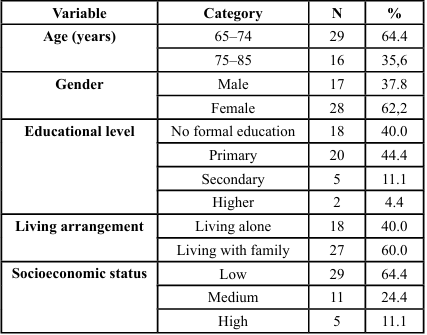
Table 1: Socio-demographic characteristics of participants (N = 45)
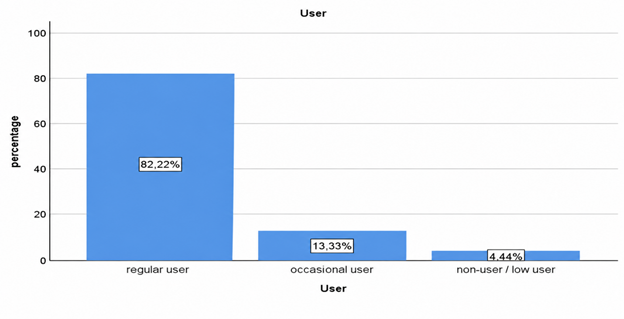
Fig 1. Users of digital tools among older adults (N=45)
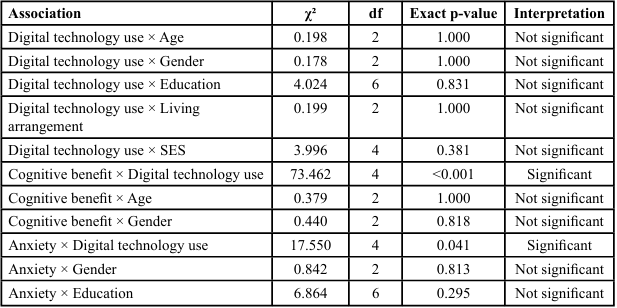
Table 2. Associations between study variables: Pearson Chi-Square and Fisher–Freeman–Halton Exact Tests (N = 45)
3. Perceived cognitive effects
A large majority of participants (86.67%, n = 39) reported perceived improvements in memory and attention, while 4 (8.89%) reported no improvement and 2 (4.44%) were undecided (Fig. 2). There was a significant association between digital technology use and perceived cognitive benefit (p < 0.001), indicating that participants’ digital engagement was strongly related to their perception of cognitive improvements. However, no significant associations were found between perceived cognitive benefit and age group (p = 1.000) or gender (p = 0.818) (Table 2).
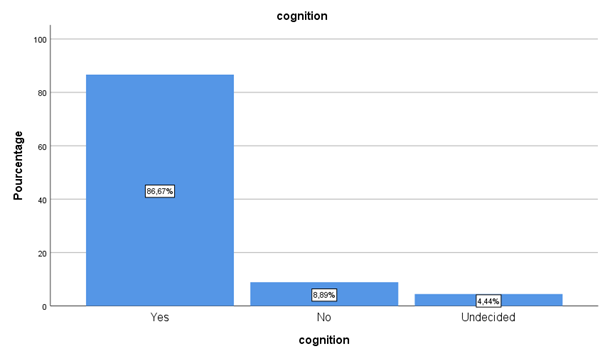
Fig 2. Perception of improved memory and attention in older adults (N = 45)
4. Psychological resources
The primary psychological resources identified among participants were intrinsic motivation, intellectual curiosity, and self-confidence, each accounting for 33.33% of responses (Fig. 3). Given the multiple-response format, these percentages reflect the proportion of participants selecting each resource rather than mutually exclusive categories.
5. Technological anxiety
Technological anxiety was reported by 29 participants (64.44%), whereas 11 (24.44%) reported no anxiety and 5 (11.11%) were undecided (Fig. 4).
A significant association was observed between technological anxiety and digital technology use (p = 0.041). In contrast, no significant associations emerged between technological anxiety and gender (p = 0.813) or educational level (p = 0.295), as shown in Table 2.
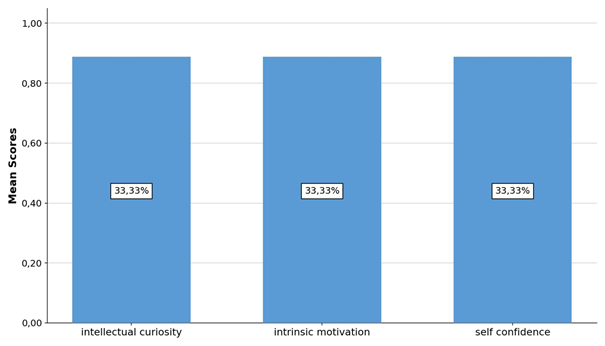
Fig 3. Main psychological resources identified among older adults regarding the use of digital technologies (N=45)
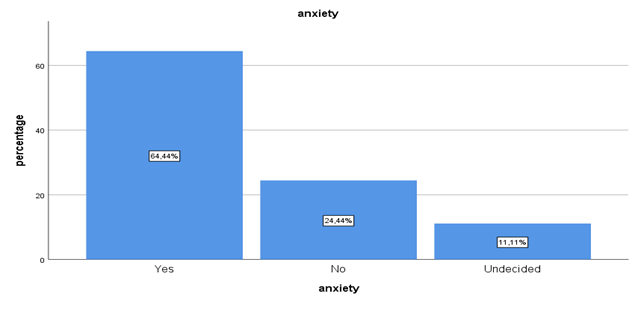
Fig 4. Technological anxiety among older adults (N=45)
6. Summary of Exact-Test analyses
Overall, exact-test analyses indicated significant associations of digital technology use with perceived cognitive benefits and technological anxiety. No statistically significant relationships were found between digital technology use and age, gender, educational level, living arrangement, or socioeconomic status. Similarly, perceived cognitive benefit was linked to digital technology use but not to age or gender. Technological anxiety was significantly associated with digital use, yet showed no significant association with gender or education.
These findings suggest that, within this sample of 45 older adults, patterns of digital engagement were more strongly associated with perceived cognitive benefits and technological anxiety than with sociodemographic characteristics.
Discussion
This exploratory study shed light on the use of digital technology, the perceived cognitive benefits of this use, and technological anxiety among older adults living in northern Morocco. Over 80% of participants reported regular use of digital devices, and nearly 87% believed that their memory and attention had improved as a result. While technology use was not significantly linked to sociodemographic factors such as age, gender, education, living situation, or socioeconomic status, it was strongly associated with perceived cognitive benefits and technological anxiety.
Patterns of digital technology use and sociodemographic factors
Though descriptive differences in digital engagement were observed, such as younger seniors (65–74) tending to use digital tools more frequently, our rigorous analyses using Fisher–Freeman–Halton exact tests did not identify any statistically significant associations between technology use and sociodemographic factors. This suggests that, in this sample of 45 older adults, age, gender, educational background, living arrangements and socioeconomic status did not decisively predict regular use of digital technology. However, caution should be exercised when interpreting these null findings. Our sample was small and geographically limited, which may have constrained our ability to detect the subtle influence of sociodemographic factors. Extensive prior research has shown that education, social support and economic resources often play key roles in digital inclusion for older adults [20,21]. It is possible that such factors operate differently in the Moroccan context or require a larger sample size to emerge statistically.
Perceived cognitive benefits and digital engagement
The high proportion of participants in our study who reported improvements in cognition is consistent with the significant correlation we observed between the use of digital technology and positive cognitive self-perception (p < 0.001). This finding is in line with previous studies indicating that using digital tools can lead to a subjective sense of mental sharpness and increased confidence, potentially improving overall quality of life among older adults [22]. However, it is important to recognise that such perceived benefits are subjective and may not always reflect objectively measurable cognitive changes. Familiarity with technology and optimistic attitudes could influence individuals’ perceptions, potentially amplifying reported benefits. Previous studies have also emphasised the need to distinguish subjective cognitive improvements from validated neurocognitive outcomes [23]. Demographic factors such as age and gender did not significantly affect perceptions of cognitive benefits, suggesting that these perceptions are consistent across older adults. This is consistent with previous studies showing that subjective cognitive appraisals often do not vary substantially by age or gender [4,11].
Psychological resources and digital engagement
Intrinsic motivation, intellectual curiosity and self-confidence were identified as important psychological factors that promote digital engagement, with approximately one-third of participants reporting these traits. These traits are recognised as important factors in maintaining interest and persistence in learning new technologies [10]. However, our study relied on single-item measures, which limits the depth and reliability of these findings. Further research using validated, multi-item psychological scales is therefore essential to better understand how these factors influence digital adoption among older adults. Previous studies have also emphasised the importance of psychological resources, such as self-efficacy and curiosity, in encouraging the use of technology [24].
Anxiety and technological digital use
Nearly two-thirds of participants reported technological anxiety, which was significantly associated with digital technology use (p = 0.041). This suggests a complex relationship between anxiety and technology use. The fact that some older adults feel apprehensive or unsure yet still engage with technology suggests that this anxiety does not necessarily prevent them from doing so. Rather than preventing use altogether, anxiety may affect how confidently or how often technology is used. This pattern aligns with existing research on barriers to technology use, such as the fear of making mistakes or struggling with complex interfaces [5,25], and fits within accepted models of technology acceptance that emphasise perceived ease of use [8]. This study found no significant links between technological anxiety and demographic variables such as gender or education, reflecting unique cultural or contextual factors worthy of further exploration.
Implications for healthy ageing and practice
These results emphasise that promoting digital inclusion involves more than just providing devices or internet access [14]. Programs designed to improve digital skills among older adults should incorporate personalised support to build confidence, reduce anxiety, and encourage hands-on practice [18]. Moreover, as technology becomes increasingly integrated into healthcare and daily life, health professionals—particularly nurses—play a central role in facilitating this transition. This is supported by Boucetta et al. (2025), who highlight how innovative approaches, such as the use of game technologies in geriatric nursing education in Morocco, can enhance care quality and support digital readiness [26]. The strong link between digital engagement and perceived cognitive benefits further underscores the potential of digital tools as a key component of healthy ageing strategies. Nonetheless, future interventions must be accompanied by rigorous evaluation to confirm their effects on cognitive function.
Limitations
Several limitations temper the interpretation of the findings. The small sample size of 45 participants, who were drawn from a specific geographic area using convenience sampling, limits statistical power and the ability to generalise the results. Self-reported data on technology use, psychological traits and perceived cognitive effects are vulnerable to recall and social desirability biases. Using single item questions to measure multifaceted constructs reduces precision and validity. The cross-sectional design prevents conclusions about causal relationships being drawn. While the use of exact tests was methodologically sound given the small sample sizes, it may have reduced the precision of the estimates. Lastly, the use of multiple responses to assess psychological resources precluded more nuanced statistical analysis, highlighting the need for more refined instruments in future research.
Conclusion
This study provides initial evidence that older adults’ engagement with digital technology is closely related to their perceptions of cognitive abilities and technological anxiety. Most participants regularly used digital devices and felt their memory and attention improved, though these benefits reflect subjective experience rather than confirmed cognitive changes. Notably, many participants reported anxiety about technology but continued to use it, showing that apprehension can coexist with active engagement. Sociodemographic factors such as age, gender, education, living situation, or socioeconomic status did not strongly influence technology use. Psychological traits like intrinsic motivation, curiosity, and confidence appear important for digital readiness, although their exact impact remains unclear. Overall, supporting older adults in digital inclusion requires more than access; it demands fostering emotional readiness, confidence, and anxiety reduction. Personalized digital literacy programs addressing these elements may enhance meaningful and sustained engagement. Future larger, longitudinal studies using validated psychological measures and objective cognitive assessments are needed to better understand how digital technology influences psychological well-being and cognitive health with ageing.
Conflict of Interest:
The authors declare no conflict of interest.
Acknowledgements
The authors would like to thank all the participants for their valuable contributions to this study. They would also like to thank the voluntary students at the Higher Institute of Nursing Professions and Health Techniques in Tetouan for their support during the data collection process.
References
World Health Organization. (2021). Global report on ageism: Executive summary. View
Prince, M. J., Wu, F., Guo, Y., Gutierrez Robledo, L. M., O'Donnell, M., Sullivan, R., & Yusuf, S. (2015). The burden of disease in older people and implications for health policy and practice. Lancet (London, England), 385(9967), 549–562. View
World Health Organization. (2002). Active ageing: A policy framework. View
Chan, D. Y. L., Lee, S. W. H., & Teh, P. L. (2023). Factors influencing technology use among low-income older adults: A systematic review. Heliyon, 9(9), e20111. View
Vaportzis, E., Clausen, M. G., & Gow, A. J. (2017). Older Adults Perceptions of Technology and Barriers to Interacting with Tablet Computers: A Focus Group Study. Frontiers in psychology, 8, 1687. View
Wang, Y., Tao, L., Lu, G., et al. (2026). Social and digital engagement associated with reduced depressive symptoms in adults aged 50 and older: A multi-country cohort study. BMC Medicine, 24, 319. View
Zhang, X., Xie, Y., Bai, C., Zeng, Y., Wang, Z., Min, H., & Sun, X. (2025). Association Between Smartphone Use and Depressive Symptoms Among Chinese Older Adults. Cyberpsychology, behavior and social networking, 28(11), 756–764. View
Davis, F. D. (1989). Perceived usefulness, perceived ease of use, and user acceptance of information technology. MIS Quarterly, 13(3), 319–340. View
Peek, S. T., Wouters, E. J., van Hoof, J., Luijkx, K. G., Boeije, H. R., & Vrijhoef, H. J. (2014). Factors influencing acceptance of technology for aging in place: a systematic review. International journal of medical informatics, 83(4), 235–248. View
Deci, E. L., & Ryan, R. M. (2000). The “What” and “Why” of Goal Pursuits: Human Needs and the Self-Determination of Behavior. Psychological Inquiry, 11(4), 227–268. View
Heart, T., & Kalderon, E. (2013). Older adults: Are they ready to adopt ICT? International Journal of Medical Informatics, 82(11), e209–e231. View
Koo, B. M., & Vizer, L. M. (2019). Mobile technology for cognitive assessment of older adults: A scoping review. Innovations in Aging, 3(1). View
Friemel, T. N. (2016). The digital divide has grown old. New Media & Society, 18(2), 313–331. View
Bhattacharjee, P., Baker, S., & Waycott, J. (2020). Older adults and their acquisition of digital skills: A review of current research evidence. In 32nd Australian Conference on Human-Computer Interaction. View
Pan, X. (2020). Technology acceptance, technological self-efficacy, and attitude toward technology-based self directed learning: Learning motivation as a mediator. Frontiers in Psychology, 11, 564294. View
Sansovini, E., & Magida, A. (2025). Effect of digital technologies on employee wellbeing and mental health. Behaviour & Information Technology, 44(18), 4538–4550. View
Rasi-Heikkinen, P., & Doh, M. (2023). Older adults and digital inclusion. Educational Gerontology, 49(5), 345–347. View
Yang, S., Xu, W., & Chen, K. (2025). Digital literacy and its effects on older adults’ health: Exploring mechanisms and outcomes. Frontiers in Public Health, 13, 1669425. View
Polit, D.F., Beck, C.T. (2010). Generalization in quantitative and qualitative research: myths and strategies. International Journal of Nursing Studies, 47(11), 1451-1458. View
Chen, Y., Yin, Q., Zhou, T., Gu, S., Xie, L., Xiao, M., Wang, L., & Zhao, Q. (2025). Digital Inclusion Pathways and Influencing Factors Among Older Adults in Outpatient Settings: A Grounded Theory Study. Clinical interventions in aging, 20, 701–716. View
Kebede, A. S., et al. (2022). Digital engagement of older adults: Scoping review. Journal of Medical Internet Research, 24(12), e40192. View
Seifert, A., et al. (2021). A double burden of exclusion? Digital and social exclusion of older adults in times of COVID-19. The Journals of Gerontology Series B, 76(3), e99–e103. View
Olphert, W., & Damodaran, L. (2013). Older people and digital disengagement: A fourth digital divide? Gerontology, 59(6), 564–570. View
Chase, G. E., et al. (2022). Emerging adults’ digital technology engagement and mental health during the COVID-19 pandemic. Frontiers in Psychology, 13, 1023514. View
Tsai, Y. I.-P., et al. (2024). Digital interventions for healthy ageing and cognitive health in older adults: A systematic review and meta-analysis. BMC Geriatrics, 24, 217. View
Boucetta, N., et al. (2025). Harnessing game technologies in geriatric nursing education in Morocco: A path to enhanced care. Florence Nightingale Journal of Nursing, 33, 1–2. View