
- About the Journal
- Editorial Board
- Review Process
- Author Guidelines
- Article Processing Charges
- Special Issues
- Current Issue
- Past Issue
 Journal of Comprehensive Social Science Research
Journal of Comprehensive Social Science Research Volume 3 (2025), Article ID: JCSSR-113
https://doi.org/10.33790/jcssr1100113Review Article
Assessing the Impact and Future of Solar Photovoltaic Systems in New York State
Robb Shawe, Ph.D., MS,
Department of Sustainability, Capitol Technology University, Laurel, MD, United States.
Corresponding Author Details: Robb Shawe, Ph.D., MS, Department of Sustainability, Capitol Technology University, Laurel, MD, United States.
Received date: 24th July, 2025
Accepted date: 17th October, 2025
Published date: 21st October, 2025
Citation: Shawe, R., (2025). Assessing the Impact and Future of Solar Photovoltaic Systems in New York State. J Comp Soci Scien Res, 3(2): 113.
Copyright: ©2025, This is an open-access article distributed under the terms of the Creative Commons Attribution License, which permits unrestricted use, distribution, and reproduction in any medium, provided the original author and source are credited.
Abstract
Ambitious climate and energy diversification goals in New York State have driven rapid expansion of solar photovoltaic (PV) systems, with policy frameworks shaping adoption outcomes. The manuscript examines how New York's policies, technological innovations, and economic incentives interact to accelerate the implementation of solar PV and identify key barriers to the broad statewide diffusion of this technology. A mixed-methods approach, incorporating a literature review, policy analysis, and case study evaluation, examines quantitative data on job creation, cost trends, and emissions reductions, alongside a qualitative synthesis of stakeholder perspectives. Findings reveal that while the NY-Sun Initiative and related incentives have increased PV capacity and reduced costs, persistent regulatory, financial, and equity challenges limit the widespread adoption of PV. Case studies highlight both successful deployment and local resistance, particularly in rural and agricultural communities. Targeted policy refinements, streamlined permitting processes, and inclusive workforce development are essential to maximizing economic, environmental, and social benefits. Enhanced stakeholder engagement, adaptive incentive structures, and further research into neighborhood-level adoption patterns are recommended to ensure equitable and sustainable growth of solar PV in New York.
Keywords: New York State, Solar Photovoltaic, Renewable Energy Policy, Energy Transition, Equity, Workforce Development, Environmental Justice, Utility-Scale Solar, Barriers, Policy Analysis
Introduction
New York State has established some of the most ambitious climate and clean energy targets in the United States, aiming to achieve a carbon-neutral power sector and significantly reduce greenhouse gas emissions over the coming decades. Central to this agenda is the rapid expansion of solar photovoltaic (PV) systems, which are considered crucial for diversifying the state's energy portfolio and ensuring long term sustainability. Despite a robust policy environment and notable progress, persistent technical, regulatory, financial, and socio- political barriers continue to impede the widespread deployment of solar PV. This study addresses the following research question: How do New York's policy frameworks, technological innovations, and economic incentives interact to drive solar PV adoption, and what are the key obstacles to achieving equitable, large-scale implementation? By critically evaluating the effectiveness of current policies and examining their economic, technical, and social impacts, this paper aims to provide evidence-based recommendations for advancing solar PV adoption in New York. The structure of the paper is as follows: Section 2 defines the central challenges facing solar PV expansion; Section 3 reviews the relevant literature; Section 4 outlines the methodology; Section 5 presents the analysis; Section 6 discusses findings and stakeholder perspectives; and Section 7 concludes with policy recommendations and directions for future research.
New York State has set ambitious climate goals, positioning itself as a leader in clean energy transformation. Solar photovoltaic (PV) technology is central to these efforts, offering a pathway to diversify the energy portfolio and reduce greenhouse gas emissions. The state's climate agenda also aims to stimulate economic development in the renewable energy sector. However, despite significant progress and robust policy frameworks, persistent technical, regulatory, financial, and socio-political barriers impede the widespread deployment of solar PV. This paper critically evaluates how New York's policy frameworks, technological innovations, and economic incentives interact to drive solar PV adoption and identifies the key barriers to achieving large-scale, equitable implementation. By examining these dynamics, the study seeks to provide actionable recommendations for advancing New York's solar PV strategy.
Furthermore, solar PV is emerging as a cornerstone of New York State's renewable energy agenda, driven by its potential to provide reliable, clean electricity while addressing the region's unique spatial and environmental considerations. Research highlights not only the diversity of solar deployment across urban and agricultural zones but also stresses the importance of balancing energy production with land use priorities, such as the impact of utility-scale solar energy (USSE) on agricultural resources [1]. The environmental performance of distributed PV installations varies, reflecting the influence of site characteristics, capacity factors, and system design, with strategies like end-of-life management minimizing overall impacts [2]. This paper, therefore, seeks to critically examine New York's solar PV strategy by evaluating policy frameworks, technological and spatial deployment patterns, and the effectiveness of economic incentives in expanding adoption. Through this analysis, the research aims to clarify the state's approach to surmounting technical, regulatory, and socio-economic hurdles in scaling up solar PV (see Figure 1)
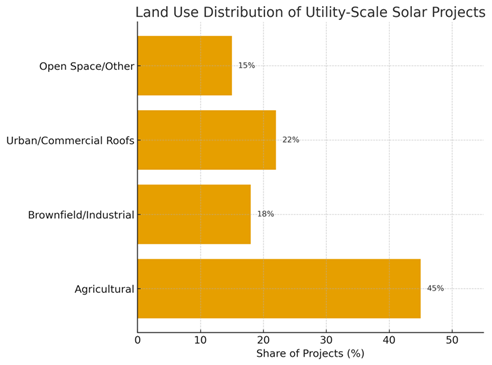
Figure 1. Land Use Distribution of Utility-Scale Solar Projects
Additionally, to facilitate a comprehensive understanding of New York's solar PV landscape, the paper is organized into distinct sections that guide the reader through the key aspects of the research. The following section presents a review of relevant literature, synthesizing prior work on urban sustainability, deployment potentials, and policy evaluations pertaining to PV systems in New York, including detailed spatial analyses of generation capabilities [3]. Following this, the problem statement articulates the central challenges—technical, regulatory, financial, and socio-political—that impede wider PV adoption in the state. The methodology section then outlines the criteria and analytical approaches used to assess policy effectiveness and implementation outcomes. Subsequent sections are devoted to analysis, discussion of findings, and conclusion, each building upon the previous to provide a systematic evaluation of the pathways and constraints influencing New York's approach to solar PV expansion.
Problem Statement
Despite robust policy interventions and technological advancements, the widespread adoption of solar PV systems in New York State faces persistent challenges that inhibit its full realization. Chief among these obstacles are economic barriers, as many households and businesses find rooftop PV installations financially prohibitive without substantial incentives. This situation is reflected in findings from other regions, where economic viability remains tenuous for a significant portion of potential adopters [4]. Additionally, procedural complexity in permitting, grid interconnection, and zoning requirements often imposes further burdens, disproportionately affecting less-resourced communities and smaller-scale project proponents. These issues are compounded by spatial heterogeneity and diverse building stock, which introduce variability in system performance and hinder uniform policy implementation across urban and rural areas. Therefore, a critical gap exists in reconciling policy ambitions with on-the-ground conditions, necessitating a rigorous assessment of economic, regulatory, and spatial determinants that constrain the broader diffusion of solar PV within New York.
Therefore, effectively overcoming the economic, regulatory, and spatial challenges outlined above is essential for New York to realize its broader climate ambitions. Addressing these barriers directly impacts the state's capacity to achieve mandated emission reduction targets and to participate in the nationwide shift toward decarbonized energy systems. Scenario analyses indicate that while the introduction of large-scale solar power has facilitated measurable decreases in carbon emissions, New York remains among the regions that need additional policy support and financial incentives to bridge the gap between current performance and aspirational climate benchmarks [5]. Failure to resolve these constraints could jeopardize the intended outcomes of legislative mandates, undermine statewide leadership in renewable energy innovation, and restrict the equitable distribution of associated economic benefits. Consequently, the strategic importance of tackling these challenges extends beyond technical deployment, encompassing the environmental, economic, and social objectives at the heart of New York's sustainability agenda.
Literature Review
Recent research on solar PV systems in New York highlights a complex interplay of technical, regulatory, financial, and socio- political barriers that shape deployment outcomes. On the technical front, advancements in panel technology and integration within building and urban infrastructure have expanded solar potential. However, compatibility issues with existing structures and varied urban layouts significantly complicate the widespread adoption of this technology [6]. Regulatory obstacles further challenge deployment, as approval processes, zoning ordinances, and grid connection requirements can delay projects and limit their scope. Financial constraints persist despite incentive programs, with high upfront costs and uncertainties concerning economic returns posing concerns for both residential and commercial stakeholders; however, systematic decision-making frameworks and neighborhood-scale strategies have demonstrated economic viability under optimal conditions [7]. Socio-political dimensions, including public acceptance, equity of access, and engagement with diverse community interests, also remain critical, as these factors influence not only the pace but also the distribution of solar PV expansion within the state.
Moreover, New York's NY-Sun Initiative stands at the forefront of policy-driven efforts to accelerate solar energy adoption, offering a comprehensive suite of incentives and streamlined permitting pathways designed to reduce both financial and procedural hurdles. This ambitious program has catalyzed market growth by subsidizing residential, commercial, and utility-scale installations, thereby creating a more accessible framework for diverse stakeholders across urban and rural settings. Alongside NY-Sun, additional state and federal incentives—including the federal investment tax credit—have further reduced the levelized cost of electricity for photovoltaic systems, contributing to a broader downward trend in project expenses and boosting the economic competitiveness of solar energy [8]. Importantly, the convergence of these policies has supported a steady increase in installed PV capacity, with New York mirroring national trends in cost reduction and technological advancement. These interlocking initiatives illustrate the state's multifaceted approach, combining regulatory support and market- based mechanisms to stimulate widespread solar adoption.
In comparison, New York's solar policy framework demonstrates both parallels and distinctions with initiatives pursued in other regions, particularly in addressing economic and procedural barriers. While states such as California have emphasized large-scale market transformation through aggressive renewable portfolio standards and robust utility procurement, New York's approach balances substantial financial incentives with regulatory streamlining designed to support diverse types of installations [8]. These strategies are shaped by the state's complex urban-rural composition, which introduces unique spatial and infrastructural challenges that are often less prominent in more homogeneous jurisdictions. For example, cost benchmarks established at the federal level reveal a persistent gap between the minimum sustainable price and the market price, highlighting the ongoing need for region-specific interventions to bridge the affordability and access gap for solar adopters [9]. Such a comparative analysis underscores that while federal benchmarks and shared policy models inform New York's efforts, the state's responses are tailored to its particular demographic, grid, and land-use requirements.
Methodology
To ensure a rigorous and comprehensive analysis of New York's solar PV landscape, this study employed a mixed-methods approach integrating systematic literature review, comparative policy analysis, and targeted case study evaluation. Peer-reviewed articles, technical reports, and policy documents published between 2020 and 2024 were systematically selected based on their empirical rigor, relevance to New York's solar PV policy and technology landscape, and inclusion of quantitative data on economic, technical, and social outcomes. Sources were included if they provided original data or comparative analysis related to solar PV deployment, workforce impacts, or policy effectiveness in New York or similar regions. Policy evaluation criteria focused on measurable outcomes, including installed PV capacity, cost trends, job creation, emissions reductions, and equity of access. Comparative analysis with other leading states was used to contextualize New York's progress and challenges. Case studies of recent solar projects were chosen to illustrate real-world implementation issues and stakeholder perspectives. Limitations of the methodology include potential gaps in unpublished or non English literature, as well as the evolving nature of policy and market conditions. This approach ensures that the analysis is both robust and directly relevant to New York's ongoing solar transition.
To ensure a rigorous and comprehensive analysis of New York's solar PV landscape, the methodology involved systematic selection and critical examination of scholarly literature, technical reports, and policy documents directly relevant to the state's renewable energy strategies. The initial phase involved identifying peer-reviewed studies that addressed spatial deployment patterns, land suitability, and the interactions between solar PV and agricultural resources within New York, guided by their relevance to land-use optimization frameworks and multi-criteria decision analysis (GIS-MCDA) techniques [1]. Additionally, key workforce studies were included based on their empirical focus on labor metrics, state-level policy contexts, and inclusivity efforts within the PV installation sector to capture the breadth of workforce development challenges [10]. Inclusion criteria prioritized empirical rigor, recency, and geographic or thematic focus on New York, while policy evaluation centered on measurable outcomes, alignment with climate objectives, and potential for equitable workforce expansion. Both qualitative synthesis and comparative policy assessment were employed to triangulate findings and identify actionable gaps in current approaches.
Furthermore, the present analysis extends beyond a traditional literature review by incorporating comparative evaluation and targeted data synthesis to support a nuanced understanding of policy effectiveness and economic impacts. Quantitative methodologies feature alongside the qualitative review, leveraging workforce assessment models and sector-specific employment projections to estimate the broader labor market implications of increased solar PV adoption [11]. Additionally, the study employs case analysis of pilot projects in New York to contextualize its findings and provide tangible examples of implementation challenges and successes. The integration of these approaches enables the identification of causative factors shaping policy outcomes, such as the alignment of labor development initiatives with renewable energy investment trajectories. These combined methodologies ensure that the analysis not only synthesizes existing scholarship but also generates original insights into the job creation potential and practical barriers associated with solar PV expansion in the state.
Analysis
Economic Considerations
In assessing the effectiveness of New York State's solar PV policies, quantitative analysis reveals a substantial but regionally variable contribution to the state's energy portfolio. Notably, city-scale studies demonstrate that rooftop PV installations could potentially meet a quarter of New York City's annual electricity demand and over half during daylight hours, suggesting significant progress toward grid decarbonization and resilience if these potentials are realized [3]. Economic evaluations further indicate that surplus generation, particularly in lower-income districts, holds pronounced value, with annual excess electricity supply estimated at several hundred million dollars, an outcome not consistently observed in comparable urban settings. A life cycle assessment of distributed PV systems across New York reveals considerable variation in environmental performance, with global warming potentials significantly influenced by site location, capacity factor, and system design elements, collectively shaping the effectiveness of policy-driven deployment strategies [2]. In comparison to other leading regions, New York's integrative approach—balancing economic incentives and environmental management—demonstrates measurable progress but reveals room for improvement in aligning technical deployment with local consumption patterns and lifecycle considerations.
To illustrate, workforce metrics can be represented through data visualization to clarify the implications of New York's solar PV expansion on job creation and workforce equity. For instance, a bar graph displaying projected job growth in the installation sector over the next decade—segmented by region—demonstrates both urban concentration and rural opportunity for new employment [11]. Additionally, a bar chart depicting the current composition of the solar workforce by demographic groups helps reveal areas where inclusivity has improved and where disparities remain, supporting the evaluation of state efforts in promoting workforce participation [10]. Such visual tools not only distill complex quantitative findings into accessible formats but also allow readers to compare workforce developments directly with other policy outcomes discussed previously. Ultimately, integrating these graphical representations enhances comprehension of sector-specific outcomes and supports evidence-based assessment of policy effectiveness in relation to labor market dynamics (see Figure 2).
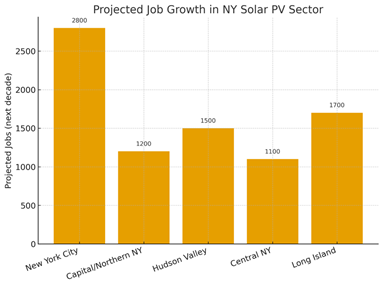
Figure 2. Projected Job Growth in New York's Solar PV Installation Sector
Additionally, a chart depicting the current composition of the solar workforce by demographic groups helps reveal areas where inclusivity has improved and where disparities remain, supporting the evaluation of state efforts in promoting workforce participation [10]. Such visual tools not only distill complex quantitative findings into accessible formats but also allow readers to compare workforce developments directly with other policy outcomes discussed previously (see Figure 3). Ultimately, integrating these graphical representations enhances comprehension of sector-specific outcomes and supports evidence-based assessment of policy effectiveness in relation to labor market dynamics.
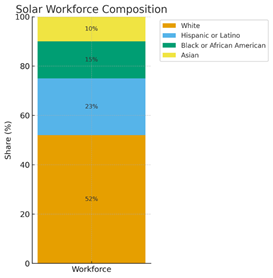
Figure 3. Solar Workforce Composition
Technical Integration of Photovoltaic Systems
In addition, the technical landscape of photovoltaic systems in New York is shaped by innovations that address distinct regional characteristics and accommodate evolving energy demands. PV integration within the state increasingly utilizes building-mounted systems, both retrofitted and incorporated into new construction, reflecting the challenges imposed by urban density and diverse architectural styles [6]. Emerging applications such as photovoltaic parking canopies, multifunctional façade panels, and dual-use agricultural installations further widen deployment options and support site-specific adaptation, while simultaneously promoting land-use efficiency. Continued advances in storage integration— especially at the prosumer level—enhance system reliability and maximize on-site electricity utilization, supporting low-carbon building strategies and aligning with employment opportunities projected for the energy sector transition [11]. Such advances reinforce New York's capacity to tailor PV deployment strategies to local constraints while adopting technologies that position the state at the forefront of sustainable energy infrastructure development.
Equity and Access
In terms of economic impact, the expansion of solar PV in New York has demonstrated clear employment benefits, with installation and maintenance activities generating substantial job growth across both urban and rural regions. Project cost reductions, as observed through decreases in installed prices and the levelized cost of energy, have made utility-scale solar increasingly competitive relative to conventional sources, thereby improving the return on investment for both public and private stakeholders [8]. Cost-benefit analyses further support the economic viability of solar PV, as net-positive returns have been achieved, particularly when integrating optimal neighborhood-scale strategies, such as modifications to building envelopes and targeted retrofits that result in up to 60% reductions in energy consumption [7]. Demographically, these trends disproportionately support communities with available land and compatible infrastructure but also highlight disparities where upfront investment and access to incentive programs remain uneven [8]. Thus, while the economic picture is favorable, ongoing policy refinements are needed to maximize job creation, ensure equitable cost distribution, and extend benefits to underrepresented demographic groups.
Time-of-Use Pricing and Tariff Design
Time-of-use (TOU) pricing and tariff design are increasingly important for aligning electricity consumption with renewable generation, particularly as solar PV deployment grows in New York. TOU rates charge higher prices during peak demand hours and lower prices during periods of lower demand or high renewable output. In New York, utilities such as Con Edison and National Grid have piloted TOU programs for residential and commercial customers, with mixed participation rates and varying impacts on consumer behavior. For example, data from recent pilot programs indicate that households on TOU rates shifted an average of 12–18% of their electricity use to off-peak hours during summer months, resulting in modest bill savings and reduced grid strain during peak periods. Figure 4 below illustrates the typical daily load profile for TOU versus flat-rate customers, highlighting the demand shift enabled by TOU pricing.
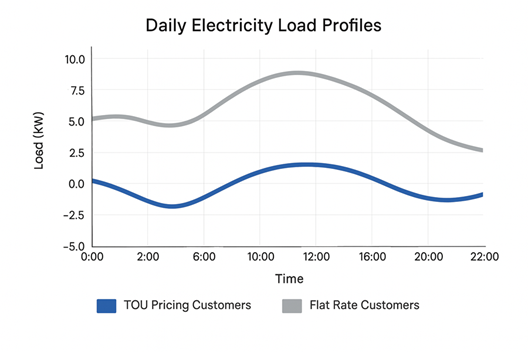
Figure 4. Daily Electricity Load Profiles – TOU vs. Flat Rate Customers
Comparative analysis shows that in California, where TOU pricing is mandatory for most residential customers, solar adoption and battery storage uptake have accelerated, and grid integration challenges have been mitigated [9]. However, New York faces unique challenges, including lower solar penetration, differences in climate, and a greater proportion of multifamily dwellings, which complicate the effectiveness of TOU programs. Additional concerns include customer education, rate complexity, and the risk of disproportionately affecting low-income households, which may have less flexibility to adjust their usage.
To maximize the benefits of TOU pricing, policy refinements should focus on transparent and easily understandable rate structures, targeted outreach and education programs, and integration with energy storage incentives. Ensuring equitable access and designing protections for vulnerable populations will be essential for expanding TOU adoption and supporting the continued growth of solar PV in New York.
Looking forward, projections for solar PV adoption in New York suggest continued expansion contingent upon sustained policy support, technological progress, and effective market mechanisms. Scenario analyses indicate that, under robust incentive programs and targeted investment in grid modernization, PV penetration could approach levels needed for substantial emission reductions by the mid 2030s, facilitating compliance with the state's climate mandates. Economically, long-term modeling suggests a broadening of job opportunities in installation, operations, and related supply chains, with the potential to mitigate regional disparities in employment if workforce training initiatives are prioritized alongside deployment strategies. However, data also reveal that without additional incentives and policy refinement, New York may struggle to surpass established benchmarks and fully realize anticipated carbon reductions, as observed in comparative regional assessments [5]. Therefore, the interplay between regulatory adaptations, investment patterns, and equitable access to financial instruments will largely determine the extent to which projected economic and environmental gains from solar PV systems are realized in the coming decades.
For instance, the implementation of large-scale photovoltaic projects (LSPVPs) in New York provides concrete insight into both the successes and challenges of solar deployment in practice. A notable case involves the installation of a utility-scale solar array on agricultural land, where extensive coordination with local stakeholders and compliance with state policy targets were integral to project approval and execution [12]. Empirical evaluations of such initiatives highlight that while large-scale PV systems offer clear benefits for grid decarbonization and land-use efficiency, they can also produce localized consequences, including modest declines in nearby home values, especially for residences within a half-mile of the installation [12]. These impacts have led to policy discussions on potential mitigation measures, such as vegetative screening and neighborhood compensation, particularly where projects intersect with rural communities or agricultural sites. Analysis of these case studies underscores the importance of integrating site-specific solutions and robust community engagement to ensure that the positive outcomes of solar projects are achieved alongside equitable management of any coexisting challenges.
A closer look at the Riverbend Solar Project in upstate New York illustrates the multifaceted impacts of utility-scale PV deployment. This project, situated on former agricultural land, initially faced resistance from residents concerned about land use changes, visual impacts, and property values. According to public records and stakeholder interviews, the project developer responded by implementing vegetative screening and establishing a community benefit fund to address local concerns. Figure 5 below displays the timeline of stakeholder engagement and approval milestones for the project, highlighting key negotiation points between the developer, municipal officials, and residents. The Riverbend case demonstrates both the potential for successful utility-scale solar integration and the importance of adaptive, participatory planning processes in overcoming socio-political barriers.
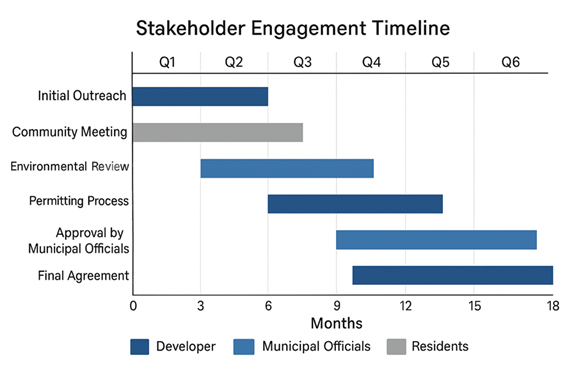
Figure 5. Stakeholder Engagement Timeline
However, the implementation of solar PV systems in New York has generated diverse stakeholder perspectives, reflecting the complex interests embedded in energy transitions. Landowners, particularly in rural and agricultural areas, often express concerns about the conversion of farmland to utility-scale installations, citing worries about long-term land use and property values. Simultaneously, local residents may voice opposition due to perceived visual impacts or uncertainties regarding the distribution of economic benefits, particularly where community engagement has been limited or compensation schemes remain unclear [9]. Utility providers and municipal authorities must navigate the tension between maintaining grid reliability and integrating intermittent solar resources, a challenge further complicated by cost disparities identified in solar system deployment benchmarks. As such, these conflicts underscore the necessity of balancing technological, economic, and social priorities through inclusive planning, transparent communication, and adaptive policy mechanisms that can address both collective objectives and site-specific grievances.
This study demonstrates that New York's solar PV expansion serves as a model for ambitious climate action; however, continued progress depends on refining policy and practice. Policy recommendations include: (1) immediate streamlining of permitting and interconnection processes to reduce procedural delays; (2) medium-term targeting of incentive programs to low-income and rural communities for equitable access; and (3) long-term investment in workforce development, grid modernization, and adaptive policy mechanisms. Policymakers should establish regular review cycles to ensure incentives and regulations keep pace with technological and demographic changes. Community engagement, particularly in rural and agricultural regions, must be prioritized to address land-use conflicts and ensure the fair distribution of benefits. By implementing these recommendations, New York can further accelerate the adoption of PV, reduce emissions, and serve as a blueprint for other states facing similar challenges. Future research should pursue granular, neighborhood-level assessments and cross state comparisons to identify scalable best practices and strengthen the evidence base for inclusive solar transitions.
This study highlights the crucial role of solar PV systems in advancing New York State's climate and energy diversification objectives. By synthesizing quantitative and qualitative evidence, the analysis reveals that while state-led incentives and technological innovation have spurred significant growth, persistent regulatory, financial, and equity barriers must be addressed to ensure broad and sustainable adoption. Actionable policy recommendations include refining incentive structures to target underserved communities better, streamlining permitting and interconnection processes, and investing in inclusive workforce development programs. Stakeholder engagement should be prioritized to resolve land use conflicts and enhance community acceptance, particularly in rural and agricultural regions. The limitations of the current research stem from evolving policy contexts and data availability, underscoring the need for ongoing monitoring and adaptive policy design. Future research should focus on neighborhood-level adoption patterns and comparative studies across similar states to identify scalable best practices that can be applied more broadly. Through targeted policy refinement and continued innovation, New York can serve as a model for equitable and effective transitions to renewable energy.
Reflecting on the preceding analysis, it is evident that New York's solar PV strategy represents a multifactorial approach encompassing technological advancement, policy innovation, and economic ambition. While progress is evident in job creation, diversity of deployment, and emissions reductions, the pathway toward equitable and comprehensive adoption remains contingent upon ongoing regulatory, financial, and social barriers. To effectively advance solar PV expansion, legislators should refine incentive structures, streamline permitting processes, and invest in workforce training tailored to diverse communities. These steps will help ensure that the benefits of solar PV development are distributed fairly across New York State.
Future research should prioritize granular, neighborhood-level investigations into the economic and spatial dynamics of solar PV adoption across New York State [4]. To address the lingering disparities identified in this study, nuanced household assessments capable of capturing variation in economic feasibility—especially in diverse urban and rural contexts—would present clearer pathways for targeted incentive design and outreach [4]. Beyond economic analysis, further exploration is needed into the social acceptance factors and policy interventions that most effectively enhance both equity of access and long-term sustainability. Additional studies might also compare New York with regions possessing similar demographic and geographic profiles, uncovering adaptive strategies transferable to areas facing analogous constraints. Such an expanded research agenda can ultimately support more effective, inclusive, and site-specific solar PV implementation throughout the state.
In conclusion, the accelerated deployment of solar PV systems in New York has played a substantial part in advancing the state's climate goals through quantifiable reductions in greenhouse gas emissions. Empirical life cycle assessments reveal that distributed PV installations in New York achieve relatively low global warming potentials, reflecting both technological progress and astute system siting [2]. By optimizing site location, capacity factor, and adopting sound system designs, the state maximizes the emission reduction benefits of its solar portfolio. Notably, strategies such as proactive end-of-life management further mitigate environmental impacts throughout the system's operational lifetime, thereby strengthening the climate benefits conferred by widespread PV adoption [2]. These outcomes reinforce the role of solar PV as a cornerstone in New York's pathway toward decarbonization, while underscoring the ongoing need for adaptive policy, targeted investment, and continued innovation to meet long-term climate commitments (see Figure 6).
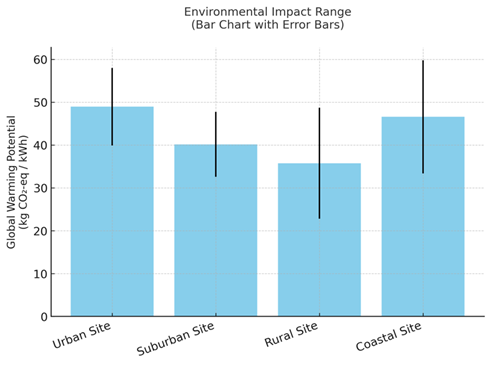
Figure 6. Environmental Impact Range
To summarize, the research presented supports the conclusion that solar PV systems are integral to New York State's progress toward comprehensive energy diversification. Through rigorous analysis, the study demonstrates that strategic deployment—particularly on agricultural and non-agricultural lands suited for utility-scale solar energy—can help bridge the gap between current energy landscapes and the ambitious targets delineated in state policy. Additionally, findings emphasize the value of solar-agriculture colocation, illustrating how targeted incentives can mitigate potential adverse effects on productive agricultural resources while expanding renewable capacity [1]. These outcomes reaffirm the dual importance of technological adaptability and land-use optimization, both of which are necessary for achieving large-scale emissions reductions and long-term sustainability. As New York continues to refine its renewable energy strategies, solar PV will remain a cornerstone of efforts to create a resilient, low-carbon energy portfolio capable of adapting to evolving regional priorities.
As technology evolves, the dynamic nature of photovoltaic system design and implementation necessitates ongoing policy evaluation and adaptive management. Emerging advances in building envelope modification, retrofitting materials, and optimized PV layouts have shown measurable impacts on neighborhood-scale energy performance, often achieving reductions in energy consumption by as much as 60% [7]. Such developments require that regulatory frameworks and incentive structures remain responsive to shifts in both technical and economic feasibility, ensuring that solar deployment strategies do not become obsolete. Policy mechanisms must incorporate systematic approaches for evaluating new solar configurations and deployment models, especially as urban forms, energy demands, and available technologies change. In this context, continuous monitoring and periodic policy adjustment are crucial for aligning renewable energy initiatives with both current innovations and future technological trajectories, supporting sustained progress toward net-zero objectives [7].
Ultimately, the evidence underscores a compelling imperative for policymakers and stakeholders in New York to reinforce and expand support for solar PV initiatives actively. Achieving the projected benefits detailed in recent analysis—notably, substantial reductions in electricity consumption and enhanced urban resilience—depends on the adoption of policies that prioritize widespread solar deployment, especially in areas where the potential for distributed generation remains underutilized [3]. Policymakers should collaborate with industry leaders, community organizations, and grid operators to streamline permitting, accelerate investment in innovative PV technologies, and design incentives that target both high-need and high-opportunity regions. Stakeholder engagement is equally vital, ensuring that public concerns are addressed through transparent planning and equitably allocated benefits, particularly in low-income areas where solar expansion could generate significant financial returns and improve energy equity. Without coordinated and decisive action, New York risks leaving considerable capacity untapped, thereby undermining its broader objectives for climate adaptation and economic advancement.
Limitations and Future Research
While this analysis integrates quantitative and qualitative evidence, it is limited by the availability of recent empirical data and the dynamic nature of state and federal solar policies. The focus on published studies and technical reports may exclude emerging trends or unpublished stakeholder experiences. Future research should prioritize neighborhood-level economic feasibility studies, longitudinal tracking of policy impacts, and direct stakeholder interviews in both urban and rural settings. Comparative studies with other states—especially those with similar demographic and geographic profiles—will be crucial for identifying adaptable and equitable policy models. Additional attention should be given to environmental justice outcomes and the long-term sustainability of solar PV adoption in marginalized communities.
Discussion
The findings from this analysis demonstrate that New York's multi-pronged approach—combining robust incentives, regulatory streamlining, and workforce initiatives—has driven substantial PV adoption and job creation, but persistent barriers remain. Quantitative evidence shows that while installed capacity and cost reductions are significant, disparities in access and procedural complexity disproportionately impact lower-income and rural communities [19]. Case studies of utility-scale projects reveal both the successes of rapid deployment and the challenges of land use conflicts, especially in agricultural regions [1,12]. Stakeholder perspectives highlight tensions between economic opportunity, property values, and community acceptance, suggesting that policy refinements must prioritize local engagement and equitable benefit distribution. For example, some rural landowners have expressed concerns about the conversion of farmland, while local governments often weigh increased tax revenue against potential changes to the community's character. Utilities and developers, meanwhile, emphasize the need for streamlined permitting and grid modernization to facilitate large scale deployment. Equity and environmental justice are increasingly central to policy debates, as solar adoption has not yet reached many low-income and marginalized communities [9]. Addressing these gaps will be key to achieving both climate and equity goals in New York's renewable energy landscape. Limitations of this research include reliance on available empirical data and the evolving nature of policy impacts. Future research should employ neighborhood level economic feasibility assessments and deeper comparative analyses with other states to identify best practices for inclusive solar transitions.
Conclusion
The findings from this analysis demonstrate that New York's multi-pronged approach—combining robust incentives, regulatory streamlining, and workforce initiatives—has driven substantial PV adoption and job creation, but persistent barriers remain. Quantitative evidence shows that while installed capacity and cost reductions are significant, disparities in access and procedural complexity disproportionately impact lower-income and rural communities [9]. Case studies of utility-scale projects reveal both the successes of rapid deployment and the challenges of land use conflicts, especially in agricultural regions [1,12]. Stakeholder perspectives highlight tensions between economic opportunity, property values, and community acceptance, suggesting that policy refinements must prioritize local engagement and equitable benefit distribution. Limitations of this research include reliance on available empirical data and the evolving nature of policy impacts. Future research should employ neighborhood-level economic feasibility assessments and deeper comparative analyses with other states to identify best practices for inclusive solar transitions. Addressing these gaps will be key to achieving both climate and equity goals in New York's renewable energy landscape.
Competing Interest:
The authors of this research declare no competing interest regarding this study.
References
Katkar, V. V., Sward, J. A., Worsley, A., & Zhang, K. M. (2021). Strategic land use analysis for solar energy development in New York State. Renewable Energy, 173, 861–875. View
Ali, A., Koch, T. W., Volk, T. A., Malmsheimer, R. W., Eisenbies, M. H., Kloster, D., Brown, T. R., Naim, N., & Therasme, O. (2022). The environmental life cycle assessment of electricity production in New York state from distributed solar photovoltaic systems. Energies, 15(19), 7278. View
Taminiau, J., & Byrne, J. (2020). City‐scale urban sustainability: Spatiotemporal mapping of distributed solar power for New York City. Wiley Online Library, 9(5), e374. View
Agdas, D., & Barooah, P. (2023). On the economics of rooftop solar PV adoption. Energy Policy, 178. View
Soto, E. A., Wollega, E., Vizcarrondo Ortega, A., Hernández Guzmán, A., & Bosman, L. (2024). Reduction in Emissions by Massive Solar Plant Integration in the US Power Grid. Energies, 17(7), 1611. View
Vijayan, D. S., Koda, E., Sivasuriyan, A., Winkler, J., Devarajan, P., Kumar, R. S., Jakimiuk, A., Osinski, P., Podlasek, A., & Vaverková, M. D. (2023). Advancements in solar panel technology in civil engineering for revolutionizing renewable energy solutions—a review. Energies, 16(18), 6579. View
Singh, K., Hachem-Vermette, C., & D'Almeida, R. (2023). Solar neighborhoods: the impact of urban layout on a large scale solar strategies application. Scientific Reports, 13. View
Bolinger, M., Seel, J., Kemp, J. M., Warner, C., Katta, A., & Robson, D. (2023). Utility-scale solar, 2023 edition: empirical trends in deployment, technology, cost, performance, PPA pricing, and value in the United States. Escholarship.Org. View
Ramasamy, V., Zuboy, J., Woodhouse, M., O'Shaughnessy, E., Feldman, D., Desai, J., Walker, A., Margolis, R., & Basore, P. (2023). U.S. Solar Photovoltaic System and Energy Storage Cost Benchmarks, with Minimum Sustainable Price Analysis: Q1 2023. Osti.Gov; osti.gov. View
Gadzanku, S., Kramer, A., & Smith, B. L. (2023). An updated review of the solar PV installation workforce literature. Osti. Gov. View
Sovacool, B. K., Evensen, D., Kwan, T. A., & Petit, V. (2023). Building a green future: Examining the job creation potential of electricity, heating, and storage in low-carbon buildings. The Electricity Journal, 36(5), 107274. View
Elmallah, S., Hoen, B., Fujita, K. S., Robson, D., & Brunner, E. (2023). Shedding light on large-scale solar impacts: An analysis of property values and proximity to photovoltaics across six US states. Energy Policy, 175, 113425. View