
- About the Journal
- Editorial Board
- Review Process
- Author Guidelines
- Article Processing Charges
- Special Issues
- Current Issue
- Past Issue
 Journal of Information Technology and Integrity
Journal of Information Technology and Integrity Volume 4 (2026), Article ID: JITI-114
https://doi.org/10.33790/jiti1100114Research Article
Bridging Borders, Building Competence: Reimagining Cross-Cultural Training (CCT) for Global Business Success in Small and Medium-sized Enterprises (SMEs)
Sungida Akther Lima1* and Md. Mostafizur Rahman2
1Doctor of Business Administration (DBA), University of the Potomac, 1401 H St NW, Washington, DC 20005, United States.
2International Management and Information Systems (IMIS), South Westphalia University of Applied Sciences, Lübecker Ring 2, 59494 Soest, Germany.
Corresponding Author: Sungida Akther Lima, Doctor of Business Administration (DBA), University of the Potomac, 1401 H St NW, Washington, DC 20005, United States.
Received date: 19th January, 2026
Accepted date: 01st April, 2026
Published date: 03rd April, 2026
Citation: Lima, S. A., & Rahman, M., (2026). Bridging Borders, Building Competence: Reimagining Cross-Cultural Training (CCT) for Global Business Success in Small and Medium-sized Enterprises (SMEs). J Inform Techn Int, 4(1): 114.
Copyright: ©2026, This is an open-access article distributed under the terms of the Creative Commons Attribution License, which permits unrestricted use, distribution, and reproduction in any medium, provided the original author and source are credited
Featured Application
This study highlighted the strategic importance of Cross-Cultural Training (CCT) in reducing expatriate failure and improving adaptation outcomes for employees assigned abroad, particularly within small and medium-sized enterprises (SMEs). Findings emphasized that culturally prepared expatriates are more likely to succeed in their roles, reducing costly early returns and ensuring smoother integration in host cultures. The research suggested that structured CCT programs especially those tailored to individual and situational factors can enhance intercultural competencies and long-term business performance. SMEs, often lacking formal CCT policies, could benefit significantly from implementing even basic pre-departure training to support global workforce mobility. These insights could inform HR practices and policy development in internationally operating SMEs.
Abstract
Despite extensive research on cross-cultural training (CCT), limited attention has been given to how SMEs in developing economies design and implement such practices. This qualitative case study investigated cross-cultural training (CCT) practices within a Bangladeshi multinational SME engaged in expatriate assignments. Using semi-structured interviews with one HR manager and three expatriates, the study explored the nature, effectiveness and perceptions of CCT initiatives. Findings revealed a lack of formal CCT policies; however, informal mechanisms such as job shadowing, local support and peer mentoring played a critical role in facilitating cultural adjustment. Despite the absence of structured programs, expatriate failure rates remained low, largely due to strategic personnel selection and strong informal networks. Participants highlighted the importance of experience-based learning, while also expressing a need for more tailored and proactive CCT strategies. This study underscored the practical value of informal training in resource-constrained SMEs but identifies gaps in consistency, scalability, and role-specific support. The study is informed by expatriate adjustment theory and social learning theory to interpret how informal learning mechanisms influence adaptation outcomes. Future research should focus on developing adaptive, low-cost CCT models suited for SMEs and explore long-term impacts of informal versus formal training on expatriate success. These insights contributed to bridging theoretical and practical divides in expatriate management within the SME sector. The study contributes to international HRM literature by demonstrating how informal learning mechanisms can substitute for formal training in resource constrained SME environments.
Keywords: Cross-Cultural Training; Expatriate Management; Global Business Adaptation; Intercultural Competence
Introduction
The increasing integration of global markets and advancements in communication technology had dramatically transformed the nature of international business [1,2,16]. Small and medium-sized enterprises (SMEs), traditionally confined to domestic operations, are now entering the global stage, seeking to expand their market reach and competitiveness. This transformation, while promising, introduces a critical challenge: managing cross-cultural differences in a global workforce. As companies grow internationally, the redeployment of employees across borders commonly in the form of expatriate assignments has become both a strategic necessity and a complex organizational task [2,3]. Operating effectively in a foreign context demands more than technical or managerial expertise. Cultural unfamiliarity often disrupts adaptation and performance, with many expatriates experiencing psychological stress or cultural shock, particularly in the early stages of relocation [4,5]. Previous studies have also emphasized the importance of developing global competencies through structured learning and training initiatives, particularly in preparing individuals for international roles [3]. These adjustment challenges frequently result in premature returns, or "expatriate failure," which not only affect employee well-being but also incur substantial costs for the employer [6,7]. To mitigate such risks, organizations increasingly rely on Cross-Cultural Training (CCT) as a preparatory tool aimed at enhancing expatriate readiness, adaptability and performance.
CCT is designed to facilitate effective adjustment by improving intercultural competence an individual's ability to communicate and operate effectively in culturally diverse settings [8,9,12]. Scholars have widely acknowledged the potential of CCT to reduce turnover, enhance productivity and increase the likelihood of successful expatriation. Moreover, it has been found to positively influence cultural adaptability and communication [8,9]. Despite these advantages, there is no consensus on the effectiveness of CCT. Some researchers argue that existing studies lack methodological rigor or produce inconsistent results, thus questioning whether CCT always contributes to positive outcomes [10,11]. Concerns also exist regarding the use of poorly structured CCT programs, which may inadvertently reinforce stereotypes or hinder effective redeployment [12].
As globalization continues to transform the corporate environment, multinational corporations (MNCs) and increasingly, small and medium-sized enterprises (SMEs) depend extensively on expatriate assignments to facilitate international growth, acquire local market knowledge and maintain strategic oversight [13]. Despite their strategic importance, expatriate assignments remain fraught with challenges, with recent studies reporting failure rates ranging from 20% to 40%, and financial losses per failed assignment often exceeding US$1 million when factoring in direct and indirect costs [14,15]. While earlier research emphasized the high financial and operational risks associated with expatriate failure, contemporary studies suggest that organizations particularly SMEs continue to struggle with adequately preparing and supporting international assignees [16]. While much of the literature focuses on the challenges during the expatriation process itself, there remain critical gaps in understanding the role of cross-cultural training (CCT) and orientation programs in ensuring assignment success. Moreover, most existing studies have concentrated on large corporations, leaving the specific needs, constraints, and practices of SMEs underexplored. Additionally, the perceptions of expatriates and HR professionals those directly involved in and affected by training initiatives are often overlooked [13,16].
Therefore, this study addressed these gaps by assessing the nature, scope and effectiveness of CCT within SME contexts. It helped to identify best practices and develop practical guidelines for improving training approaches. Furthermore, it investigated the perceptions of both expatriates and HR professionals regarding the adequacy and impact of current orientation and training practices. By doing so, the study contributed to a more nuanced and actionable understanding of how targeted support mechanisms can enhance expatriate performance and reduce costly failures in the increasingly global operations of SMEs. Above all, two main objectives of this study were to (i) determine the nature, scope, standing, best practices and efficiency of CCT as a tactic for accomplishing SME policy objectives and (ii) offer guidelines about the application of efficient CCT and the field's development requirements for cross-cultural training.
This study is theoretically grounded in expatriate adjustment theory and social learning theory. Expatriate adjustment theory explains how individuals adapt psychologically and behaviorally to new cultural environments, while social learning theory highlights the role of observation, interaction, and experiential learning in acquiring cultural competence [9,12,25]. These frameworks provide a lens to understand how informal mechanisms such as mentoring and job shadowing influence expatriate success in SME contexts.
Materials and Methods
This study employed a qualitative, exploratory research design to investigate cross-cultural training (CCT) practices and perceptions within small and medium-sized enterprises (SMEs). Given the study’s aim to deepen understanding rather than test hypotheses, an exploratory approach was deemed most appropriate [17]. Elements of descriptive research were incorporated to offer a clear depiction of current CCT practices in the case organization.
Research Strategy
A single-case study strategy focused on a Bangladeshi SME engaged in international business. Case studies are effective for investigating contemporary phenomena within their real-life context, especially when the boundaries between the phenomenon and context are not clearly evident [17]. This strategy was selected due to the emphasis on understanding a real-world issue (CCT) in depth, to gather data from multiple stakeholders within a single organizational setting as well as time and access constraints that limited the feasibility of a multi-case design. The case study allowed for triangulation of perspectives from different roles HR and expatriates and facilitated the exploration of internal processes and decision-making related to expatriation.
Case Selection Criteria
The organization was selected using purposive sampling based on the following criteria of active participation in international projects, direct involvement in expatriate assignments outside the Nordic region and engagement in the Bangladeshi international business landscape. These criteria ensured that the selected case would be relevant and rich in insights concerning cross-cultural challenges [18,19]. Furthermore, the organization expressed readiness to cooperate and provide access to relevant personnel. The SME selected had previously assigned expatriates to various international locations and thus presented an ideal opportunity to study CCT practices within resource-constrained, mid-sized organizations.
Data Collection Methods
Primary data were collected using semi-structured interviews (Table 1), which allowed participants to express their views freely while enabling the researchers to probe and clarify as necessary. This format ensured a balance between comparability across interviews and openness to emergent insights. The interviews aimed to understand the presence, structure, or absence of CCT programs and the subjective experience of expatriates in preparing for, adjusting to, and completing international assignments [20].
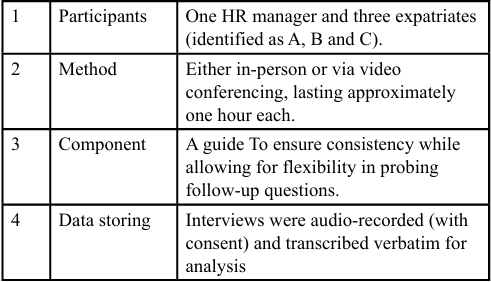
Table 1. Key characteristics of the data collection process.
Sampling Strategy
A non-probability, snowball sampling technique was used to identify and recruit participants. This approach involves initial respondents referring additional participants who meet the research criteria [21]. Snowball sampling was particularly effective for: accessing a niche population (experienced expatriates and HR managers in a specific SME) and establishing trust and willingness to participate, as referrals came through personal and professional networks. All participants met the inclusion criteria: involvement in an expatriate assignment of at least six months’ duration and employment within the case organization's HR or expatriate operations.
Data Analysis
The data analysis was conducted using a thematic analysis framework, drawing on the theoretical proposition approach outlined by Farquhar (2018) [18]. This method involved examining the data in relation to existing literature on cross-cultural training (CCT) and expatriate management. The process began with data reduction, where interview transcriptions were coded and key segments relevant to the research questions were highlighted. Following this, data display techniques such as matrices and tables were employed to organize and visualize recurring themes, patterns, and contrasts across the interviews. In the final stage, conclusions were drawn and verified by comparing the emerging patterns with theoretical expectations and findings from previous studies. Additionally, pattern matching was applied to explore participants’ attitudes toward various CCT practices [22]. In this phase, particular attention was paid to the language used by respondents, with expressions indicating positive or negative sentiment analyzed to assess overall perceptions of training effectiveness.
Quality Control and Assurance
To ensure the credibility and rigor of the research, several measures were implemented in alignment with the four quality criteria proposed by [18,23]. Construct validity was achieved through the triangulation of data sources, including multiple interviewees from different roles within the organization, and was further supported by member checking, wherein participants were invited to validate the findings. Audio recordings were also used to ensure accurate transcription of interview data. Internal validity was strengthened by employing theoretical propositions and pattern matching across interviews, allowing for the identification of consistent themes and the establishment of plausible causal relationships. External validity, while inherently limited by the single-case design, was supported through the provision of rich contextual detail that enables analytical generalization to similar SME environments [23]. Finally, reliability was enhanced through systematic documentation of each phase of the research process, the consistent use of a standardized interview guide, and the collaborative involvement of multiple researchers to minimize potential biases.
Results and Discussions
The findings of this study provided valuable insights into how cross-cultural training (CCT) was perceived and applied in a Swedish multinational SME. The analysis integrated participant feedback with existing literature to explore attitudes, practices and gaps in CCT implementation.
General Findings
The findings highlighted that the SME under investigation did not have a formal cross-cultural training (CCT) policy, yet several informal practices contributed significantly to expatriate adjustment and performance. These included job shadowing, pre-departure briefings and local support systems. Notably, expatriates repeatedly emphasized the value of on-site assistance from experienced local personnel, suggesting that even in the absence of structured training these informal support systems played a pivotal role in easing cultural transitions.
Moreover, the company’s expatriates were typically high-potential employees selected based on their professional profiles. Assignments were often arranged informally and rapidly, reflecting organizational agility but also a lack of systematic preparation processes. This sometimes resulted in inadequate orientation and increased stress among expatriates, particularly during their first international roles. Despite the lack of formal preparation, the company had not experienced early returns or failure in expatriate assignments. This success appeared to be attributed to the strategic selection of individuals and the strength of informal networks and local mentorship, though both HR and expatriates acknowledged the need for more structured, tailored CCT programs. To encapsulate the general findings, Table 2 provides a comparative overview of the key informal cross-cultural training components observed within the SME, outlining their delivery mode, frequency, effectiveness, and challenges.
This reflects broader trends found in recent research by Noman et al. [24], who observed that informal support mechanisms such as mentorship, peer guidance, and self-driven learning often compensate for the lack of structured training in SMEs, especially in developing regions. These findings emphasized the practical utility of informal systems in cross-cultural adjustment. The prevalence of informal CCT practices such as work planning, shadowing, and local support is visually represented in Figure 1 which shows the frequency of these components across expatriate accounts.
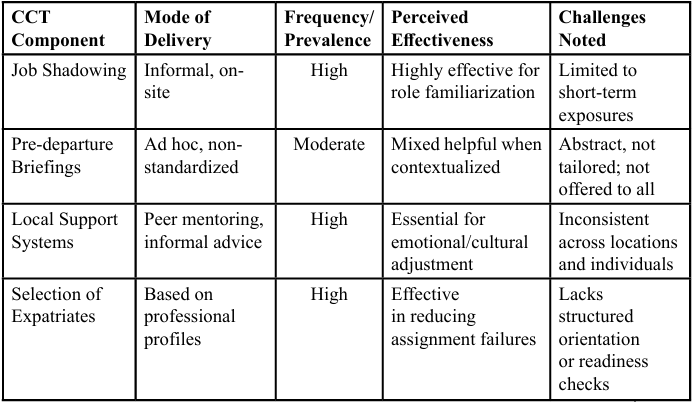
Table 2. Summary of informal CCT practices and their impact in the case SME
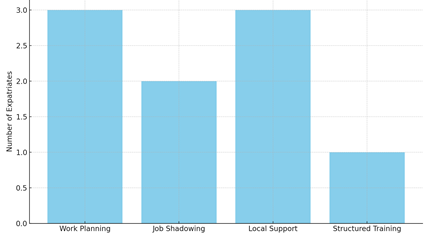
Figure 1. Frequency of CCT Elements Observed in the SME
CCT Activities and Application in SMEs
The case organization demonstrates that SMEs can implement meaningful CCT components even with limited resources. Common activities included: work planning, provided to all expatriates pre- departure, served as a structured guide to role expectations; job shadowing, especially during brief stays in host locations, allowed familiarity with operations and local practices; and local support, through colleagues or mentors in the host country, was consistently described as highly beneficial.
For instance, Expatriate B received a structured one-day training that included fact-based instruction, attribution training, and some elements of cognitive-behavioral modification, though it was provided on his request, not as a standard practice. In contrast, Expatriate C had to rely heavily on peer advice and spontaneous local mentorship, which proved helpful but insufficient in managing expectations and stress during the initial adjustment phase. Findings suggest that SMEs could institutionalize these beneficial informal practices, integrate pre- and post-arrival training, and conduct training needs assessments to tailor support for different roles and destinations. This aligns with Iheanachor et al. [25] who stressed that while SMEs may be limited in resources, targeted pre-departure programs significantly enhance expatriate readiness and cultural integration when based on needs assessments and role specificity. Their research supported the call for more structured, proactive frameworks even in lean organizations. The differing levels of sentiment toward these various CCT approaches particularly the contrast between positive perceptions of job shadowing and local support versus the mixed views on pre-departure training are illustrated in Figure 2 which compares participant attitudes.
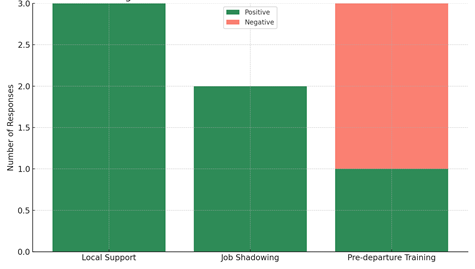
Figure 2. Sentiment Toward Different CCT Methods.
These findings align with social learning theory, as expatriates relied heavily on observation, interaction, and experiential learning rather than formal instruction. Similarly, the results support expatriate adjustment theory by highlighting the importance of support systems in facilitating psychological and cultural adaptation.
Perceptions and Attitudes of CCT Practitioners
Expatriates and HR personnel expressed predominantly positive attitudes toward CCT, particularly with regard to experience-based learning methods. Local support and job shadowing were frequently associated with terms like “helpful,” “essential,” and “supportive.” However, pre-departure training was met with mixed reviews while one expatriate found it useful, another considered it too abstract without contextual experience. Expatriate A, for instance, found cultural differences in communication styles challenging and suggested that structured pre-departure CCT could have mitigated confusion. He noted that while Americans tend to provide quick, sometimes inaccurate responses, Swedes typically emphasize accuracy and reflection differences that led to initial misunderstandings. The HR manager also acknowledged that while support systems are available, the lack of formal CCT policies limits consistency and efficiency. The company has run an international management program that includes modules on global leadership, role-play simulations, and exposure to host cultures, but it is not yet systematically aligned with expatriation processes. These findings echo Bhatti (2024) [26] who argues that expatriate success is strongly tied to soft skills like cultural intelligence, communication competence, and adaptability traits that can be developed through immersive and reflective CCT programs. The author further supported the integration of behavioral and emotional preparation in training content.
Conclusions
This study explored the perceptions, practices and effectiveness of cross-cultural training (CCT) within a Bangladeshi multinational SME, focusing on expatriate experiences and organizational strategies. Through qualitative, case-based research, the study revealed that while formal CCT policies are lacking, a range of informal mechanisms such as job shadowing, work planning, and local support play a crucial role in facilitating expatriate adjustment. The findings underscored that SMEs, despite their resource limitations, are capable of implementing meaningful CCT practices that support international assignments. Expatriates valued local mentorship and practical exposure over abstract, pre-departure training, which they often found difficult to contextualize without prior on-site experience. Nevertheless, the absence of a structured and comprehensive CCT framework led to inconsistencies in preparation and support, with varying degrees of success depending largely on individual initiative and personal networks.
A key insight is the organizational reliance on experiential learning and the psychological resilience of selected expatriates which has contributed to the absence of expatriate failure in the studied SME. However, this success appears contingent rather than systematic, revealing a significant gap in proactive planning, needs assessment, and policy formulation. Both expatriates and HR personnel acknowledged the need for structured training, including cultural awareness, family preparation, and role-specific orientation, to ensure long-term success and reduce adjustment stress. The study highlighted a critical opportunity for SMEs to institutionalize effective CCT strategies by building on their informal strengths while adopting more deliberate and evidence-based approaches. Developing scalable training frameworks potentially through partnerships, modular learning, and tailored mentoring can improve consistency, reduce risk, and enhance international performance. In conclusion, while informal CCT practices may suffice in certain contexts, formalizing these efforts will better equip SMEs to manage the increasing complexity of global business environments. This research contributes to the growing body of literature on expatriation in SMEs and provides practical guidance for organizations seeking to strengthen their cross-cultural competence and global workforce readiness.
This study advances theoretical understanding by demonstrating that informal, experience-based learning mechanisms can effectively support expatriate adjustment in SMEs, thereby extending existing models of cross-cultural training beyond formal program structures.
Author Contributions: For research articles with several authors, a short paragraph specifying their individual contributions must be provided. The following statements should be used “Conceptualization, X.X. and Y.Y.; methodology, X.X.; software, X.X.; validation, X.X., Y.Y. and Z.Z.; formal analysis, X.X.; investigation, X.X.; resources, X.X.; data curation, X.X.; writing original draft preparation, X.X.; writing review and editing, X.X.; visualization, X.X.; supervision, X.X.; project administration, X.X.; funding acquisition, Y.Y. All authors have read and agreed to the published version of the manuscript.” Please turn to the CRediT taxonomy for the term explanation. Authorship must be limited to those who have contributed substantially to the work reported.
Funding: This research received no external funding.
Informed Consent Statement: Informed consent was obtained from all subjects involved in the study.
Data Availability Statement: The original contributions presented in this study are included in the article. Further inquiries can be directed to the corresponding author.
Conflicts of Interest:
The authors declare no conflicts of interest.
Disclaimer/Publisher’s Note: The statements, opinions and data contained in all publications are solely those of the individual author(s) and contributor(s) and not of MDPI and/or the editor(s). MDPI and/or the editor(s) disclaim responsibility for any injury to people or property resulting from any ideas, methods.
References
Aithal, P. S. (2023). How to create business value through technological innovations using ICCT underlying technologies. International Journal of Applied Engineering and Management Letters, 7(2), 232–292. View
Ajgaonkar, S., Neelam, N. G., & Wiemann, J. (2022). Drivers of workforce agility: A dynamic capability perspective. International Journal of Organizational Analysis, 30(4), 951 982. View
Milhauser, K. L., & Rahschulte, T. (2010). Meeting the needs of global companies through improved international business curriculum. Journal of Teaching in International Business, 21(2), 78–100. View
Naeem, A., Nadeem, A. B., & Khan, I. U. (2015). Culture shock and its effects on expatriates. Global Advanced Research Journal of Management and Business Studies, 4(6), 248–258. View
Fitzpatrick, F. (2017). Taking the “culture” out of “culture shock”: A critical review of literature on cross-cultural adjustment in international relocation. Critical Perspectives on International Business, 13(4), 278–296. View
Edmond, S. (2002). Exploring the success of expatriates of U.S. multinational firms in Mexico. International Trade Journal, 16(3), 233–255. View
Kassar, A. N., Rouhana, A., & Lythreatis, S. (2015). Cross cultural training: Its effects on the satisfaction and turnover of expatriate employees. SAM Advanced Management Journal, 80(4), 4–18. View
Susanto, E., & Rokhima, R. (2012). Enhancing cross-cultural training efficacy on expatriate adjustment through emotional intelligence and social capital. Gadjah Mada International Journal of Business, 14(2), 123–137. View
Tarique, I., & Caligiuri, P. (2009). The role of cross-cultural absorptive capacity in the effectiveness of in-country cross cultural training. International Journal of Training and Development, 13(3). View
Mendenhall, M., Stahl, G., Ehnert, I., Oddou, G., Osland, J., & Kuhlmann, T. (2004). Evaluation studies of cross-cultural training. In Handbook of Intercultural Training. View
Wurtz, O. (2014). An empirical investigation of the effectiveness of pre-departure and in-country cross-cultural training. International Journal of Human Resource Management, 25(14), 2088–2101. View
Chao, M. M., Takeuchi, R., & Farh, J. (2017). Enhancing cultural intelligence: The roles of implicit culture beliefs and adjustment. Personnel Psychology, 70(1), 257–292. View
McNulty, Y., & Brewster, C. (2019). Theorizing the meaning(s) of “expatriate”: Establishing boundary conditions for business expatriates. International Journal of Human Resource Management, 30(1), 1–29. View
Donald, W. E., Van der Heijden, B. I., & Manville, G. (2024). (Re)framing sustainable careers: Toward a conceptual model and future research agenda. Career Development International, 29(5), 513–526. View
Bonache, J., Brewster, C., & Froese, F. J. (Eds.). (2020). Global mobility and the management of expatriates. Cambridge University Press. View
Etemad, H. (2020). Managing uncertain consequences of a global crisis: SMEs encountering adversities, losses, and new opportunities. Journal of International Entrepreneurship, 18, 125–144. View
Saunders, M., Lewis, P., & Thornhill, A. (2003). Research methods for business students. Essex: Pearson Education Limited. View
Farquhar, J. D. (2012). Case study research for business. London: SAGE Publications. View
Dul, J., & Hak, T. (2008). Case study methodology in business research. London: Routledge. View
Priyadarshini, A. (2020). Conducting and analysing semi structured interviews: A study of open innovation in food firms in Ireland. View
Bryman, A., & Bell, E. (2013). Business research methods (2nd ed., B. Nilsson, Trans.). Stockholm: Liber.
Sinkovics, N. (2018). Pattern matching in qualitative analysis. In The SAGE Handbook of Qualitative Business and Management Research Methods (pp. 468–485). View
Manzke, J. (2022). Design thinking for innovation within manufacturing SMEs: A multiple case study (Doctoral dissertation, Walden University). View
Noman, M., Sial, M. S., Samad, S., Li, R. Y. M., & Shi, M. (2023). Adjustment of self-initiated and organizational expatriates: The moderating role of cross-cultural training. Frontiers in Psychology, 13, 1044040. View
Iheanachor, N., Costa-Climent, R., Ulrich, K., & Ozegbe, E. (2024). Cross-cultural training and expatriate adjustment: An assessment of expatriates on assignment in African countries. Management Decision, 62(7), 2085–2110. View
Bhatti, M. A. (2023). Enhancing expatriate performance: The role of cross-cultural competence and self-maintenance skills. Croatian International Relations Review, 29(93), 366–391. View