
- About the Journal
- Editorial Board
- Review Process
- Author Guidelines
- Article Processing Charges
- Special Issues
- Indexing
- Current Issue
- Past Issue
 Journal of Public Health Issues and Practices
Journal of Public Health Issues and Practices Volume 10 (2026), Article ID: JPHIP-258
https://doi.org/10.33790/jphip1100258Research Article
COVID-19 and HPV Vaccine Knowledge Attitudes, and Behaviour among Students at Historically Black Colleges and Universities
Emilia Fields1, Tokesha Warner2, Tyra Gross3, Yalanda Barner4, Marissa Jackson2, Mya Bledsoe3, Thometta Cozart5, and Suellen Hopfer1*
1Department of Health, Society & Behavior, University of California, Irvine, California, USA.
2Department of Public Health, Health Administration, and Health Sciences, Tennessee State University, Nashville, Tennessee, USA.
3Department of Public Health Sciences, Xavier University of Louisiana, New Orleans, Louisiana, USA.
4Department of Health Policy and Management, Jackson State University, Jackson, Mississippi, USA.
5Department of Public Health and Health Equity, Bethune-Cookman University, Daytona Beach, Florida, USA.
Corresponding Author Details: Suellen Hopfer, PhD., Assistant Professor, Department of Health, Society & Behavior, Joe C. Wen School of Population & Public Health, University of California, Irvine, United States.
Received date: 28th February, 2026
Accepted date: 23rd April, 2026
Published date: 25th April, 2026
Citation: Fields, E., Warner, T., Gross, T., Barner, Y., Jackson, M., Bledsoe, M., Cozart, T., & Hopfer, S., (2026). COVID-19 and HPV Vaccine Knowledge Attitudes, and Behaviour among Students at Historically Black Colleges and Universities.
Copyright: ©2026, This is an open-access article distributed under the terms of the Creative Commons Attribution License, which permits unrestricted use, distribution, and reproduction in any medium, provided the original author and source are credited.
Abstract
Objective: This study examined HPV and COVID-19 vaccination uptake, attitudes, risk perceptions, and exposure to vaccine misinformation among young adults enrolled at historically Black colleges and universities (HBCUs).
Methods: Surveys and focus groups were conducted at three southeastern HBCUs. Quantitative data were analyzed using descriptive statistics, and Wilcoxon rank and ANOVA for group comparisons. Qualitative data were examined through content analysis.
Results: Most participants identified as religious and female. A majority (86.2%) reported receiving at least one dose of the COVID-19 vaccine, with 56.3% reporting a COVID-19 booster. For HPV vaccination, only 56.3% reported having received at least one dose. Vaccinated students reported higher perceived risk, stronger social support, greater peer motivation, lower endorsement of misinformation, and more positive vaccine attitudes than unvaccinated peers. Unvaccinated participants reported low vaccine confidence and high complacency. Participants suggested campus- specific recruitment strategies for HPV vaccination efforts.
Conclusion: HBCUs can serve as critical settings for advancing sexual health promotion and cancer prevention among Black emerging adults.
Keywords: COVID-19 vaccine, HPV vaccine, Misinformation, Young adults, HBCU, Social media, Health Information Dissemination Channels
Introduction
Lower vaccine confidence has been recognized as one of the top 10 public health threats by the World Health Organization and has persisted after the COVID-19 pandemic, especially among young adults and those entering parental roles [1,2]. During and after the COVID-19 pandemic, vaccine hesitancy has been fueled by poor communication about vaccines and immunity and politicization of vaccination [3.,4].. Poor communication about vaccination affects uptake, especially of voluntary vaccines that are recommended like HPV and COVID-19. These vaccines are recommended for emerging adults whose life stage presents a crucial period for preventing infectious disease associated with cancer and sexually transmitted infections. Young adults have a disproportionately high risk of contracting HPV due to the higher likelihood of new sexual experiences and limited access to regular healthcare [5].. Increasing awareness of recommended catchup vaccinations like HPV and COVID-19 for emerging adults is critical given their protective effects relative to cancer and sexually transmitted infections [6]. COVID-19 booster vaccines prevent severe illness and disruptions to school and work.
Our study sought to assess HPV and COVID-19 vaccine recommendation awareness, vaccine uptake, and confidence in vaccination as a preventive step among college students enrolled in historically Black colleges and universities (HBCUs). HPV and COVID-19 associated morbidity and mortality rates are higher in the U.S. Southeast. COVID-19 and HPV-associated cancer burden and lower vaccination rates disproportionately affect those in the Southeast region.
HPV-associated cancer rates are highest in the Southeast, [7-9] where states such as Mississippi, Alabama, Tennessee, Louisiana, and Florida have disproportionately high HPV prevalence among African American and Black young adults 30-40% among those aged 21–24. High-risk HPV types occur in 25.6% of African American and Black individuals aged 14–26 in the region, with Mississippi reaching 28% [10 ,11] . Overall, high-risk HPV prevalence is 21% in the South versus 14.5% nationally and exceeds 28% among African American and Black women compared to 22% among White women [12]. For men, the risk burden is heightened by the absence of screening for oropharyngeal cancer the fastest-growing HPV-related cancer and male vaccination coverage that remains low, at 46% [13 ,14] .
Lower HPV vaccination rates compound the higher HPV-related cancer burden among African American and Black young adults in the U.S. Southeast. These emerging adults are about 10% less likely to be vaccinated than their White peers, with roughly 1 in 5 unvaccinated [5, 15 -20] . Completing the three-dose series is an additional challenge [5 ,17 ,19]. African American and Black women face more than 1.5 times the cervical cancer mortality risk of White women, worsened by lower screening rates and limited awareness of HPV vaccination [9,21-24]. States such as Mississippi where vaccination coverage is only 39% compared with the national average of 63% (far below the Healthy People 2030 target of 80%) have the highest HPV cancer rates, underscoring the urgent need for improved prevention. Alabama, Mississippi, Arkansas, Tennessee, Louisiana, and Florida consistently report the lowest vaccination rates and highest preventable HPV cancer burden [10] .
COVID-19 booster vaccination is also considerably lower in the U.S. Southeast [25]. COVID-19 booster shots play a critical role in maintaining strong and durable protection against evolving variants, especially as immunity from earlier doses decreases over time. For young adults, boosters help reduce the risk of infection, prevent severe illnesses that can disrupt school, work, and family responsibilities, and limit community transmission. This is particularly important for Black or African American young adults, who have faced disproportionate impacts from COVID-19 due to longstanding inequities in health access, exposure risk, and chronic disease burden. Ensuring equitable access to boosters and providing clear, culturally resonant information through trusted community channels supports stronger protection, reduces disparities in illness outcomes, and empowers young adults to safeguard both their health and the well-being of their communities.
An integrated knowledge, attitude, and behavior model coupled with a community risk, discrimination, and trust framework [26-28] guided this study. Individual vaccine literacy regarding COVID-19, HPV, and vaccine uptake was assessed. Additionally, risk of COVID-19 and HPV in the HBCU community, social norms among college students, family support for vaccination, and trust in and experiences of racial discrimination in the healthcare system were assessed.
To inform the planning of a social media HPV vaccine campaign, focus groups were conducted to assess the most used social media platforms and most accepted recruitment practices. The following aims guided this study:
1. To describe COVID-19 and HPV vaccination status and vaccine knowledge, attitudes, and beliefs among HBCU students.
2. To describe acceptance of vaccine misinformation among HBCU students.
3. To describe reasons for not being vaccinated among unvaccinated students.
4. To describe knowledge, attitude, and behavior differences between vaccinated and unvaccinated students.
5. To describe students’ use of social media for a future intervention.
Methods
The Consortium of African American Public Health Programs is a coalition of 14 public health programs housed in leading HBCUs. We disseminated a survey to students to assess COVID-19 and HPV vaccination status, access, and related knowledge, attitudes, and behaviors. The consortium aims to improve the health of communities of color with a focus on prevention and has a mission to engage in research to eliminate health disparities, advance health equity, and promote social justice through advocacy, public health education, research, mentorship, and community service.
Participants and recruitment
Participants were students enrolled in three Southeastern HBCU consortium schools. The survey was implemented in October 2022. Focus groups were conducted in July and August 2023 to collect student feedback on recruitment strategies and social media platforms used to reach students effectively for a planned social media HPV vaccine intervention. All procedures received institutional review board approval (No. 1968).
Consortium members distributed recruitment flyers virtually using email listservs and social media school accounts. In-person recruitment occurred via classroom announcements in public health and health policy administration courses and distribution of flyers at in-person campus events such as August welcome week and fall homecoming. The flyer included a QR code linking to the survey or focus group sign-up times. Flyers were also circulated online via HBCU networks.
Data collection
Survey development and administration procedures
The survey included 52 questions covering HPV and COVID-19 knowledge, attitudes, and self-reported vaccination behavior; community risk perceptions; social norms; peer involvement (peer communication and motivation about vaccinating); sources of vaccine information; social media use; exposure to vaccine misinformation; and frequency of experiencing racial discrimination in healthcare.
Sociodemographic information collected included age, gender, race and ethnicity, sexual orientation, relationship status, political affiliation, religiosity, healthcare insurance status, prior experience with racial discrimination in healthcare settings, [29] HBCU, year in school, and living on or off campus.
The online survey was implemented in October 2022 using Qualtrics survey platform and stayed open for a year. Eligible students were directed to a consent page containing the study purpose, voluntary participation statement, eligibility criteria (being enrolled at an HBCU and aged 18–26), risks and benefits, $10 compensation, and contact information. Students were assessed for eligibility and those deemed ineligible were thanked and removed from the survey. Qualtrics security features that prevent multiple submissions and detect bots were enabled to reduce duplicate or fraudulent surveys.
Survey instrument
For collecting vaccination outcomes, survey questions asked about receiving at least one dose of the COVID-19 and HPV vaccines. Participants who had not been vaccinated were asked if they intended to vaccinate in the next 3 months. General vaccine attitudes [30] were assessed with seven items (α = .75): e.g., “Most vaccines do not cause immediate injuries or side effects.” Scales featured a 5-point Likert response format ranging from strongly disagree to strongly agree. Frequency question options ranged from almost all to none (e.g., how many family members support vaccination).
Four community risk perception items [31,32] measured perceived risk of COVID-19 and HPV among participants’ family and campus friends, including susceptibility, severity, and vaccine availability (α = .73 for COVID-19; α = .70 for HPV). Items for social support to to vaccinate against COVID-19 and HPV vaccine [31] assessed whether immediate family members and close friends support vaccination to protect against COVID-19 (α = .80) and HPV (α = .88). An example item is: “How many of your close circle of friends do you think support the HPV vaccine?” Two peer involvement items assessed peer communication about vaccination for COVID-19 (α = .47) and HPV (α = .93).
Acceptance of vaccine misinformation [33 ,34] was measured by having participants rate vaccine misinformation statements as true, false, or unsure. An example item is: “There is a lack of research about HPV vaccine safety.” Three statements each measured erosion of confidence in COVID-19 vaccination (α = .68) and HPV vaccination (α = .42). Seven statements assessed vaccine confidence in COVID-19 vaccination (α = .83) and three statements assessed confidence in HPV vaccination (α = .63). Two racial discrimination questions were asked. One asked about frequency of experiences with racial discrimination in healthcare settings, whereas the second asked how much racial discrimination interfered with accessing good healthcare [6].
Sources of vaccine information for COVID-19 and HPV vaccination were asked separately, with responses ranging from social media and family to healthcare and traditional media (14 options). Additionally, participants were asked whether they were social media users, which platforms they used daily, and which social media were their top two choices.
Focus group moderator guide and study procedures
A focus group study was conducted to elicit input from students on social media use, trends, and recruitment strategies for effectively reaching students for an HPV vaccine awareness campaign. Virtual focus groups were conducted via Zoom between July and October 2023.
The focus group discussion guide included six sections: (1) participant introductions, (2) overview of a proposed 5-week HPV vaccine social media campaign, (3) participants’ feedback on campaign content planned for each week, (4) input on delivering the intervention over social media, (5) recruitment strategies for reaching unvaccinated college students in a non-stigmatizing way and recruitment strategies for finding student immunization advocates, and (6) debriefing questions.
A trained focus group moderator opened the discussion by providing introductions, describing the consent process and noting that the discussion would be audio recorded. The moderator then gave a brief presentation to explain the purpose of discussion namely, to get feedback on a planned social media HPV vaccine awareness campaign and enroll unvaccinated students along with ground rules for sharing information in a respectful and confidential manner. Participants received a $30 gift card as compensation for their time.
Analysis of survey data
Survey data were downloaded from Qualtrics and prepared for descriptive and inferential statistics. Of the 120 submitted surveys, 89 were complete. Two duplicate entries were removed. The final survey dataset consisted of 87 responses. Multi-item scales were computed by averaging multi-item means for each scale. Only scales demonstrating a Cronbach’s alpha greater than .70 were used for group comparisons between vaccinated and unvaccinated. For COVID-19 and HPV vaccination status, participants were grouped as either vaccinated (i.e., receiving at least one dose of the corresponding vaccine) or unvaccinated (including those unsure of their vaccination status).
For inferential statistical analyses, Shapiro-Wilk normality testing was first performed on all variables. Normality testing informed test selection for group comparisons between vaccinated and unvaccinated (for COVID-19 and HPV) on outcome variables. All outcome variables except the general vaccine attitudes scale demonstrated non-parametric distributions. Consequently, the Wilcoxon rank sum test was used for group comparisons on all outcome variables except for group comparisons on general vaccine attitudes. For this group comparison, one way analysis of variance was used since this outcome variable was normally distributed. Vaccinated and unvaccinated were compared for their responses on community risk perceptions, perceived social support to vaccinate, peer involvement to vaccinate, stance toward vaccine misinformation, belief in messages that erode confidence in vaccines, belief in messages that build confidence in vaccines, and general vaccine attitudes. R version 4.2 software was used to conduct statistical analyses.
For survey write-in responses, content analysis was conducted of participants’ reasons for not vaccinating. Responses were classified according to the 5C vaccine model (confidence, complacency, constraints, calculation, and collective responsibility). Two coders blindly i.e., independently reviewed reasons given for not vaccinating. Subsequently, coders compared and discussed codes where there was disagreement. Low awareness for example, was included as part of complacency per the definition. Additionally, not returning to schedule an appointment at the clinic was coded as complacency while being too busy was coded as a constraint. Definitions and scope of each of the 5C constructs were discussed to code responses. Interrater reliabilities were then computed for COVID and HPV respectively: IRR=1.0 for COVID-19 - reasons unvaccinated provided for not having vaccinated, and separately, IRR=1.0 for HPV - reasons unvaccinated provided for not having vaccinated against HPV.
Analysis of focus group data
Audio recordings were transcribed verbatim from focus group discussions and verified for accuracy. Personal identifiers were removed from the transcripts and replaced with pseudonyms. Thematic analysis [35] was conducted identifying key themes across data from three focus group discussions. First, descriptive codes captured social media platforms used by students and recruitment strategies for reaching students on campus and virtually. Next, the codes were organized into broader themes that reflected the general impressions, ideas, and suggestions expressed by participants.
Results
Survey participant sociodemographic characteristics
Sociodemographic characteristics of the survey participants are described in Table 1. Most survey respondents reported being African American or Black (92%), cisgender women (77%), and their mean age was 22.5 years, ranging from 18 to 45. Students were primarily enrolled at one central Southeastern HBCU (80.5%), were undergraduates (95.4%), and living off campus (54%). Additionally, most respondents (96.6%) indicated having healthcare insurance at the time of the study, 92% reported being religious or spiritual, and nearly 40% reported “sometimes” experiencing racial discrimination in healthcare settings.
Most participants (90.8%) reported being active social media users, with Instagram, TikTok, and X being the top three. Many participants (81.6%) reported exposure to vaccine information (including misinformation) via social media. Last, participants listed healthcare professionals as the top source for vaccine information.
COVID-19 and HPV vaccination status
Many participants (86.2%) were vaccinated against COVID-19, having received at least one dose of the original series, but only 56.3% reported having received a COVID-19 booster. For HPV vaccination, only 56.3% reported having vaccinated for at least one dose (Table 2). Among unvaccinated participants, 18.2% said they intended to be vaccinated against COVID-19, whereas only one participant indicated intention to receive the HPV vaccine in the next 3 months. About 22% of participants did not know their HPV vaccination status.
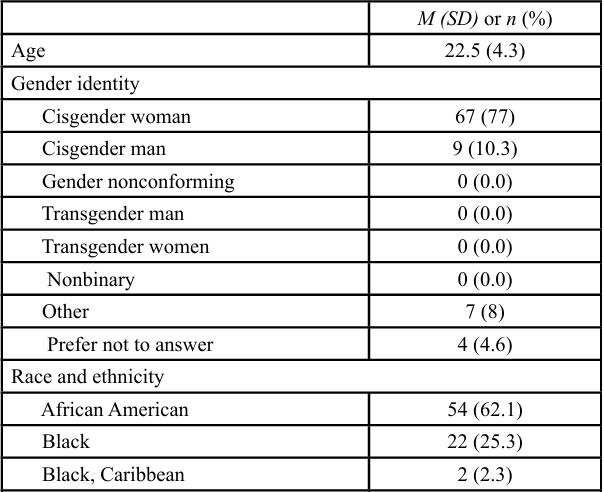
Table 1. Survey participant sociodemographic characteristics (N = 87)
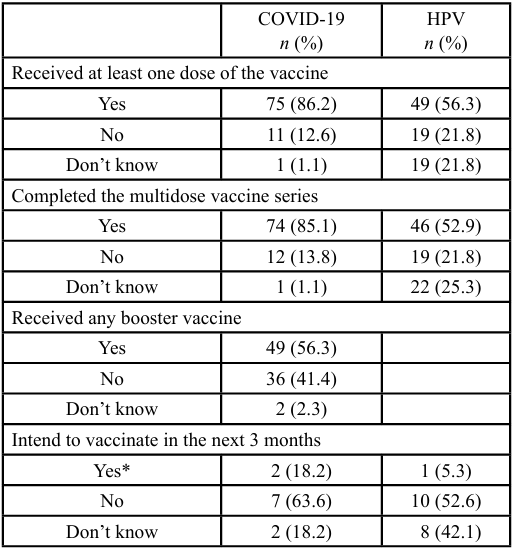
Table 2. Survey participant COVID-19 and HPV vaccination status (N = 87)
Comparisons between vaccinated and unvaccinated participants
Vaccinated participants reported higher perceived risk, stronger social support, greater peer motivation, lower belief in misinformation, lower endorsement of messages that undermine vaccine confidence, stronger belief in messages that promote vaccine confidence, and more positive overall attitudes toward vaccines than unvaccinated participants (Table 3). Significant differences between groups were observed for community risk perceptions, perceived social support, belief in vaccine misinformation, and endorsement of confidence eroding messages. Similar patterns were found for HPV vaccine perceptions, except that beliefs in misinformation did not differ between groups.
Reasons for not vaccinating among unvaccinated respondents
Analysis of open-ended survey responses from unvaccinated participants indicated multiple reasons for not receiving the HPV vaccine. These reasons included low vaccine confidence (e.g., lack of recommendation from a healthcare provider, concerns about side effects, and limited family support), high complacency (e.g., viewing vaccination as a low priority, believing the vaccine was unnecessary, low awareness), and constraints (too busy).
Similarly, unvaccinated participants’ responses regarding COVID-19 vaccination reflected low confidence (e.g., concerns about immune sensitivities, uncertainty about side effects, distrust of the vaccine, and general opposition to vaccines) and high complacency (e.g., believing vaccination was unnecessary, viewing it as a low priority, and lack of interest in being vaccinated).
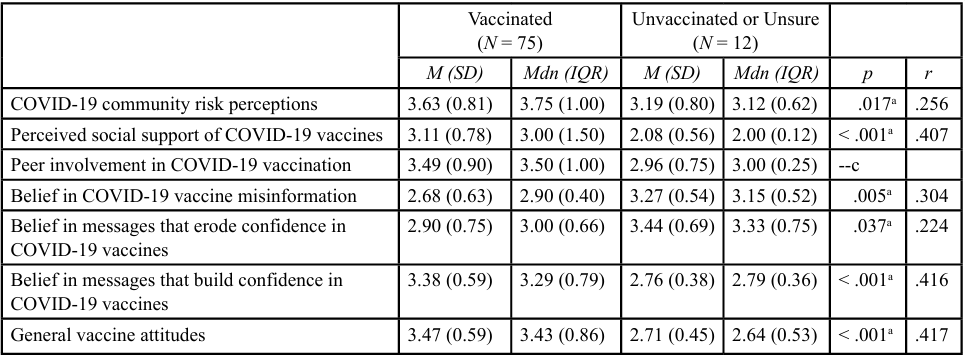
Table 3. Dependent variables by COVID-19 vaccination status
Focus group results
In total, 12 students from two HBCUs across two Southeastern states participated in three virtual focus group discussions about a proposed HPV vaccine awareness campaign on social media. Participants were undergraduate students who identified as female and African American or Black. The average participant age was 22.5 years old, ranging from 19 to 39.
Thematic findings
Key findings are summarized in Figure 1. All students who participated in the virtual focus groups endorsed the social media intervention, emphasizing its need due to a perceived lack of awareness about HPV vaccination among college students.
Participants expressed uncertainty regarding the availability of the HPV vaccine on campus. Additionally, one participant spoke about the importance of the intervention in the context of independent decision-making among young adults:
I think that the [intervention] would be really good just because a lot of people don’t [know about HPV]. I know me personally, I don’t have the HPV vaccination. I didn’t get it before school, and I know that might be the case for a lot of my fellow peers as well, just because it wasn’t required, and at the age that we were, it was kind of like based on your parents, like what your parents wanted you to do rather than making that decision by yourself. (P01)
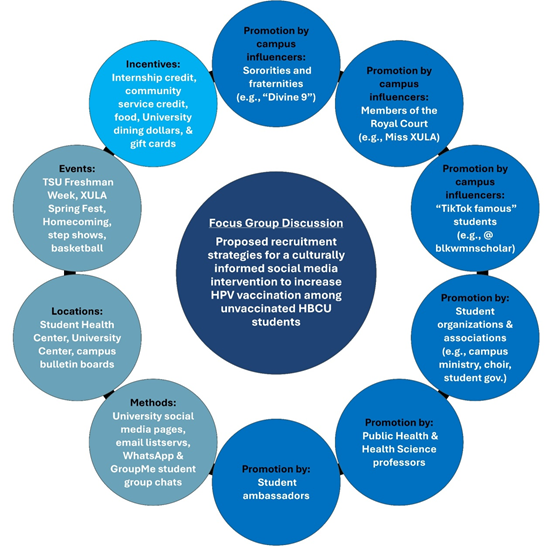
Figure 1. Key findings from virtual focus group discussions
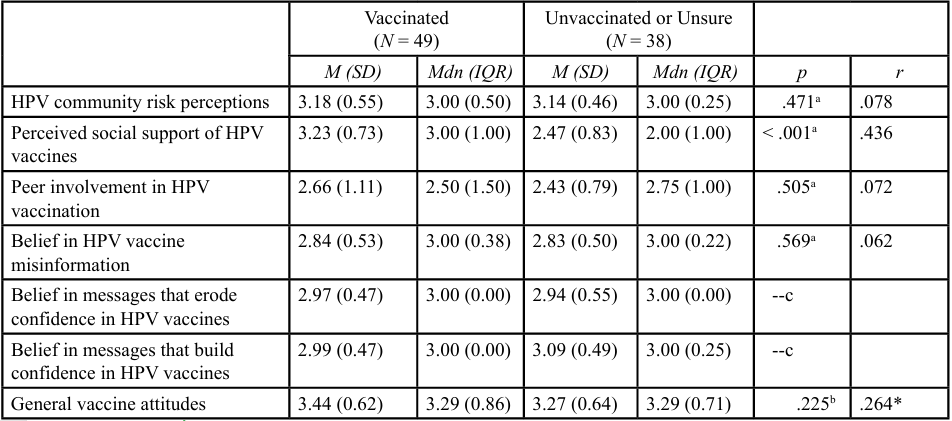
Table 4. Dependent variables by HPV vaccination status
Furthermore, participants commented on a lack of discussions and experience related to HPV, with knowledge often being limited to genital warts:
A lot of people don’t know about HPV, the vaccination, or like what it necessarily is like. We all know about genital warts, like everybody kind of just has that common knowledge about it. But we don’t really talk about it anymore than that. (P02)
Participants supported the use of educational videos and content featuring young Black adults and Black narratives grounded in previous research. Participants shared mixed views on the feasibility of the proposed 5-week intervention. Some participants expressed acceptance of a 5-week intervention, whereas others raised concerns that students would not listen to vaccine awareness message for 5 weeks. Participants stated that students may only pay attention to a 5-week social media intervention if it were required for a course. Focus group participants also suggested avoiding implementing the intervention during local holidays, such as Mardi Gras in Louisiana, and busy academic periods in the semester (e.g., end of the semester during finals week).
Regarding feedback on social media platform use, participants discussed TikTok and Instagram as the most used platforms.
I joke around with my mom sometimes about not being able to see the news all the time. Whenever I do learn anything educational, I guess you would say, quote unquote, it will most likely come from Instagram or TikTok that I have scrolled and saw. (P03)
For recruitment of college students into a future social media HPV vaccine intervention, participants proposed several strategies. These approaches included using departmental email listservs, social media accounts managed by the university, and student-led group chats hosted on the text-messaging platform GroupMe. Participants also recommended leveraging campus influencers, engaging with student organizations, and attending campus events to recruit unvaccinated students. Participants highlighted the sensitive nature of sexually transmitted infections and associated stigma with HPV as a challenge to recruit unvaccinated people.
Participants also suggested employing campus influencers for recruitment. Campus influencers included leaders of popular sororities and fraternities, like the “Divine Nine,” or the nine pioneering Black Greek-letter organizations that comprise the National Pan-Hellenic Council [8]. Participants also pointed to members of the Royal Court that are selected class representatives crowned during homecoming festivities. Last, participants discussed “TikTok-famous” students enrolled at their university, describing them as having a large following on social media.
Participants recommended engaging with various student organizations and clubs specific to their campus, including those focused on public health, STEM, community service, social justice, mental health, choir, campus ministry, and cultural diasporas. Furthermore, participants suggested employing university resources like campus-specific apps, student health centers, and bulletin boards in student centers. Participants also discussed the importance of promoting the intervention at popular campus events such as freshman week, homecoming, musical concerts, step shows, annual balls, and coronations for members of the Royal Court as ways to maximize visibility and engagement.
Focus group respondents described recruitment of student peer advocates as needed for a planned college vaccine intervention. Recruitment of peer immunization advocates could involve professional networking platforms like LinkedIn. Additionally, they highlighted approaching students from health-related majors as a key strategy, given their likely interest to engage in such initiatives. Professors and other faculty members were described as respected figures and a valuable resource for recruiting student advocates. Last, participants suggested collaborating with established student networks with ambassador programs to reach students with prior experience serving in leadership roles.
Overall, participants discussed several options for incentivizing participation in the proposed social media vaccine intervention. Recommended incentives ranged from extra course credit, community service hours, paid or credited internship opportunities, gift cards, or dining dollars for use at campus eateries.
Discussion
HBCUs play a vital role in addressing health disparities in the United States by serving as trusted anchor institutions [36-38]. HBCUs train and educate diverse future healthcare professionals and civic leaders to advance community-engaged research and promote culturally competent public health outreach to populations disproportionately affected by preventable diseases like HPV-related cancers and COVID-19 [37]. By training students and future public health workers from underrepresented communities, HBCUs help diversify the healthcare workforce and improve access to care for Black and other marginalized populations, who often face structural barriers to services and lower vaccine uptake due to historical mistrust and inequities in health information and access.
In the U.S. Southeast, COVID-19 and HPV vaccination rates lag national goals [25 ,39 ,40] and HPV-associated cancer burden remains high. Increasing awareness and vaccination through tailored educational efforts from community institutions like HBCUs might reduce vaccine disparities. One key is using trusted HBCU messengers to deliver vaccine endorsements. During the COVID-19 pandemic, HBCU-affiliated public health programs and policies influenced adoption of COVID-19 vaccination on campus and in the community. HBCU-affiliated public health programs were trusted during the pandemic and have been part of continued broader efforts to increase vaccine confidence and equity in underserved Black communities that have suffered disproportionately from COVID-19 and HPV morbidity and mortality. By leveraging local trust and academic resources, HBCUs can bridge gaps in vaccine literacy, promote equitable vaccination, and help address long-standing health inequities in the U.S. Southeast.
Suboptimal HPV and HPV vaccine awareness and low vaccination rates suggest gaps in knowledge and uptake that are typical in young adult college populations, including students attending HBCUs [18 ,41 -43] . Findings on HPV vaccine awareness, knowledge, and uptake are similar to other college-based studies with respect to low uptake, awareness, and knowledge [18 ,41 -43] Up-to-date HPV vaccination coverage among young adult college students has stagnated at approximately 53%, falling short of the 80% Health People 2030 benchmark sought to address HPV-associated cancers significantly. Disaggregated by gender, 41% of men and 57% of women were up to date according to a national 2022 survey [18]. Survey responses in our study of three HBCUs in the U.S. Southeast, but predominantly reflecting one institution, revealed that few students knew someone with HPV, many were unfamiliar with HPV, and those who were unvaccinated perceived less social support to vaccinate. Although 56.3% had been vaccinated against HPV, among the unvaccinated, only one respondent intended to seek vaccination.
Students participating in focus group discussions expressed concern about access to vaccines. Prior literature has shown that HBCU student health centers were significantly less likely to offer the HPV vaccine or any vaccine compared with non-HBCU matched college campuses, suggesting limited on-campus vaccination access [44]. Interviews with six U.S. Southeast HBCUs and members of the Consortium of African American Public Health Programs confirmed that their student health centers do not stock or offer any vaccines on campus, including HPV vaccination. Our survey among HBCU students suggests that having vaccines be accessible through on campus no-cost vaccination could be a critical factor in the success of any future vaccine intervention.
The role of trust in vaccine recommendations and delivery of vaccine recommendations by trusted messengers are also likely to play key roles in the success of campus-based vaccine campaigns. Literature has shown that Black adults have lower vaccine awareness than their White counterparts with disparities varying by education, indicating systemic awareness gaps that extend to HBCU college-aged African American and Black students [45]. Our survey and focus group results while exploratory in nature, indicate that having HBCU peer leaders such as public health students deliver HPV vaccine messages for future vaccine campaigns aimed at increasing uptake would be important. A narrative review on trust and HPV vaccine uptake among racial and ethnic minorities highlighted that mistrust of healthcare institutions influences vaccine decisions [46]. In our HBCU study, 40% of respondents reported experiencing some kind of discrimination in healthcare. Therefore, trusted messengers from the HBCU community would presumably have a greater likelihood of being listened to during any future vaccine awareness campaigns.
In addition to the role of trusted messengers, most HBCU students in this study (92%) reported being religious or spiritual. Although this study reflects predominantly one Southeastern HBCU, literature and CAAPHP report that religiosity holds true for many of the US Southeastern HBCUs. These findings indicate that involving church leaders may prompt African American and Black young adults to listen to and act on vaccine recommendations. A study involving members of an African Methodist Episcopal church in Atlanta, Georgia, found that church leaders were trusted sources of health information and that barriers such as healthcare mistrust could be addressed through church-based communication strategies [47]. Vaccination endorsements from church leaders may carry more weight, especially in the U.S. Southeast. A systematic review of faith-based organizations and vaccine confidence showed that faith based organizations and church leaders can positively influence vaccination efforts, [48] including for HPV, by building trust with congregants and reducing stigma about vaccination. A future HPV vaccine intervention with HBCUs may benefit from having faith- based leaders endorse and deliver HPV vaccine messages.
Finally, many participants acknowledged vaccine misinformation exposure on social media. Future vaccine campaigns should address social media vaccine misinformation to prevent persistent circulation of false vaccine information. Literature has shown how exposure to misinformation can and has resulted in greater vaccine hesitancy [49]. Literature has also shown specific vaccine misinformation regarding COVID-19 and HPV circulating throughout the pandemic [50]. With college populations accessing health information via social media daily, addressing vaccine misinformation across social media platforms will be critical [34,51] Psychological inoculation approaches to specific vaccine misinformation have shown to be a promising approach in a meta-analysis for reducing sharing of misinformation and demonstrating greater discernment of both false and accurate vaccine information [52].
Limitations
This study has several limitations. First, the use of a cross-sectional design and convenience sampling limits the generalizability of findings beyond the study sample. Participants were self-selected and may differ systematically from nonparticipants, introducing potential selection and nonresponse bias. Certain groups were over- or underrepresented, including women, and predominantly one HBCU in the US Southeast who were overrepresented in this study. Students with better access to email, social media, internet, or campus spaces may also have been overrepresented. Finally, the cross-sectional nature of the data precludes causal inference regarding relationships among study variables.
Implications and future directions
As expected, vaccine motivations, family and peer support, perceived disease risk, and overall positive vaccine attitudes were greater among vaccinated HBCU students compared with unvaccinated students for both COVID-19 and HPV at predominantly one HBCU Southeastern institution. HBCUs can play a unique role as critical settings for advancing sexual health promotion and cancer prevention among Black emerging adults. HPV vaccination is one public health strategy to prevent six HPV-associated cancers and promote sexual health. Study findings inform the planning of an HPV vaccine awareness campaign across HBCUs in the Southeast.
The study findings suggest several policy recommendations for the participating HBCU administrations. First, campus student health centers could offer on-site HPV vaccination to improve access and convenience. Second, HPV vaccine educational materials could be distributed to students at the beginning of each academic year. Third, universities could implement an annual HPV education initiative to reinforce awareness and knowledge. Finally, brief surveys could be administered to incoming freshman to assess their awareness and understanding of HPV, and HPV vaccination, which would help target outreach efforts accordingly.
Acknowledgments
The authors would like to thank the students who participated in the study.
Competing Interests:
The authors declare they have no competing interests.
Funding
[Blinded for review] supported this study with funding for participant incentives.
References
Eagan, R. L., Larson, H. J., de Figueredo, A. (2023). Recent trends in vaccine coverage and confidence: A cause for concern. Human Vaccine & Immunotherapeutics.19(2):2237374. View
WHO (2019). Ten threats to global health in 2019. View
Young, L. E., Sidnam-Mauch, E., & Twyman, M., et al. (2021). Disrupting the COVID-19 misinfodemic with network interventions: Network solutions for network problems. American Journal of Public Health. 111:514-519. View
Rao, A., Morstatter, F., & Hu, M., et al. (2021). Political partisanship and anti-science attitudes in online discussions about COVID-19: Twitter content analysis. Journal of Medical Internet Research. 23(6):e26692. View
Rincon, N. L., McDowell, K. R., & Weatherspoon, D., et al. (2024). Racial and ethnic disparities in human papillomavirus (HPV) vaccine uptake among United States adults, aged 27-45 years. Human Vaccines & Immunotherapeutics. 20, 1:2313249. View
Luckett, R., & Feldman, S., (2016). Impact of 2-, 4- and 9-valent HPV vaccines on morbidity and mortality from cervical cancer. Human Vaccines & Immunotherapeutics. 12(6):1332-1342. View
Beavis, A. L., Krakow, M., Levinson, K., & Rositch, A. F. (2018). Reasons for lack of HPV vaccine initiation in NIS-Teen over time: Shifting focus from gender and sexuality to necessity and safety. Journal of Adolescent Health. 63:652-656. View
Osazuwa-Peters, N., Simpson, M. C., Rohde, R. L., Challapalli, S. D., Massa, S. T., & Adjei Boakye, E., (2021). Differences in Sociodemographic Correlates of Human Papillomavirus- Associated Cancer Survival in the United States. Cancer Control: Journal of the Moffitt Cancer Center. 28. View
Razzaghi, H., Saraiya, M., Thompson, T. D., Henley, S. J., Viens, L. J., & Wilson, R. J., (2018). Five-year relative survival for human papillomavirus‐associated cancer sites. Cancer. 124. View
Amedari, M. (2025). Exploring options to maximize HPV vaccination rates in Mississippi: A Commentary. Journal of Public Health in the Deep South. 5(1):1-5. View
Van Dyne, E. A., Henley, S. J., Saraiya, M., Thomas, C. C., Markowitz, L. E., & Benard, V. B., (2018). Trends in human papillomavirus-associated cancers -United States. Morbidity and mortality weekly report. 67:918-24. View
Hightow-Weideman, L., & Bm Budhwani, H. (2020). A multidimensional digital approach to address vaccine hesitancy and increase COVID-19 vaccine uptake among African American Young Adults in the South. National Institute of Minority Health. View
Brotherton, J. M. L., Zuber, P. L. F., & Bloem, P. J. N., (2016). Primary Prevention of HPV through Vaccination: Update on the Current Global Status. Current Obstetrics and Gynecology Reports. 5:210-224. View
Harper, D. M., Rego, R. T. T., Tariq, M., Patel, M. R., Resnicow, K., & Sheinfeld Gorin, S. N., (2022). HPV vaccination initiation among White, Black and Middle East North African (MENA) males. Preventive Medicine Reports. 30.
De, P. K., & Budhwani, H., (2017). Human papillomavirus (HPV) vaccine initiation in minority Americans. Public health. 144:86-91. View
Ashing, K. T., Carrington, A., Reagin, C., & Roach, V., (2017). Examining HPV- and HPV vaccine-related cognitions and acceptability among US-born and immigrant Hispanics and US-born and immigrant non-Hispanic Blacks: a preliminary catchment area study. Cancer Causes Control. 28:1341-1347. View
Boersma, P., & Black, L. I., (2020). Human papillomavirus vaccination among adults aged 18-26, 2013-2018. 354. January 2020. View
Jin, S. W., Lee, Y., Lee, S., Jin, H., & Brandt, H., (2023). Factors associated with college students’ human papillomavirus (HPV) vaccination and preferred strategies for catch-up vaccine promotion: A mixed-methods study. Vaccines. 11:1124. View
Pingali, C., Yankey, D., & Chen, M., et al. (2024). National Vaccination Coverage Among Adolescents Aged 13-17 Years - National Immunization Survey-Teen, United States, 2023. MMWR Morbidity and mortality weekly report. 73, 33:708-714. View
Vu, M., Bednarczyk, R. A., Escoffery, C., Getachew, B., & Berg, C. J., (2019). Human papillomavirus vaccination among diverse college students in the state of Georgia: who receives recommendation, who initiates and what are those reasons? Health education Research. 34(4):415-434. View
Beavis, A. L., Gravitt, P. E., & Rositch, A. F., (2017). Hysterectomy-corrected cervical cancer mortality rates reveal a larger racial disparity in the United States. Cancer. 123(6):1044 1050. View
Ojeaga, A., Alema-Mensah, E., Rivers, D., Azonobi, I., & Rivers, B., (2019). Racial disparities in HPV related knowledge, attitudes, and beliefs among African American and White women in the USA. Journal of Cancer Education. 34:66-72. View
Osazuwa-Peters, N., Massa, S. T., Simpson, M. C., Adjei Boakye, E., & Varvares, M. A., (2018). Survival of human papillomavirus‐associated cancers: Filling in the gaps. Cancer. 124. View
Viens, L. J., Henley, S. J., & Watson, M., et al. (2016). Human papillomavirus-associated cancers - United States, 2008-2012. Vol. 26. 661-666. Morbidity and Mortality Weekly Report. View
Lezadi, S., Kolivand, P., Namdar, P., Saberian, P., Gholipour, K., & Azari, S. (2025). Racial and ethnic disparities in COVID-19 vaccination: a systematic review and meta-analysis. Archives of Public Health. 83. View
Fischbein, M., & Capella, J., (2006). The role of theory in developing effective health communications. Journal of Communication. 56:S1-S7. View
Hale, J. L., Householder, B. J., & Greene, K., (2002). Theory of reasoned action. In: Dillard JP, Pfau M, eds. The persuasion handbook: Developments in theory and practice. Sage; 259 286. View
Roberto, A. J., Krieger, J. L., Katz, M. L., Goei, R., & Jain, P., (2011). Predicting Pediatricians’ communication with parents about human papillomavirus (HPV) vaccine: An application of the theory of reasoned action. Health Communication. 26(4). View
Freimuth, V., Jamison, A. M., An, J., Hancock, G. R., & Quinn, S. C. (2017). Determinants of trust in the flu vaccine for African Americans and Whites. Social science & medicine. 193:70-79. View
Piltch-Loeb, R., Su, M., & Hughes, B., et al. (2021). Testing the Efficacy of Attitudinal Inoculation Videos to Enhance COVID-19 Vaccine Acceptance: Quasi-Experimental Intervention Trial. JMIR Public Health and Surveillance. 8. View
Kumar, S., Quinn, S. C., Kim, K., Musa, D., Hilyard, K., & Freimuth, V. (2012). The Social Ecological Model as a Framework for Determinants of 2009 H1N1 Influenza Vaccine Uptake in the United States. Health Education & Behavior. 39:229 - 243. View
Fisher, C. B., & Yip, T. (2026). The Coronavirus Racial Bias Scale (CRBS). PhenXToolKit. Accessed Feb. 16, 2026. View
Weinzierl, M., Hopfer, S., & Harabagiu, S. M., (2021). Misinformation adoption or rejection in the era of COVID19. AAAI Press. View
Hopfer, S., Phillips, KK-D., Weinzierl, M., Vasquez, H. E., Alkhatib, S., & Harabagiu, S. M., (2022). Adaptation and Dissemination of a National Cancer Institute HPV Vaccine Evidence-Based Cancer Control Program to the Social Media Messaging Environment. Frontiers in Digital Health. 4:819228. View
Tracy, S. J., (2019). Advanced data analysis: The art and magic of interpretation. In: Tracy SJ, ed. Qualitative research methods: Collecting evidence, crafting analysis, communicating impact. John Wiley and Sons. 236-264:chap 10. View
Colen, C. G., Pinchak, N. P., & Barnett, K. S. (2021). Racial Disparities in Health Among College-Educated African Americans: Can Attendance at Historically Black Colleges or Universities Reduce the Risk of Metabolic Syndrome in Midlife? View
Noonan, A. S., Lindong, I., & Jaitley, V. (2013). The role of historically black colleges and universities in training the health care workforce. American journal of public health. 103, 3:4125. View
Taylor, L. C., Watkins, C. S., Chesterton, H. P., Kimbro, K. S., & Gerald, R. (2020). Rural Community Engagement for Health Disparities Research: The Unique Role of Historically Black Colleges and Universities (HBCUs). International Journal of Environmental Research and Public Health. 18. View
Harris, E., (2024). HPV Vaccination Rates Stagnated During COVID-19 Pandemic. JAMA. View
Adjei Boakye, E., Babatunde, O. A., & Wang, M., et al. (2020). Geographic Variation in Human Papillomavirus Vaccination Initiation and Completion Among Young Adults in the U.S. American journal of preventive medicine. View
Sembian, S., Carlson, O., & DeMaria, A. L., et al. (2024). Enhancing HPV vaccination uptake through campus-based clinics and multi-channel health communication: A case study from Purdue University. Journal of American College Health. 73:3297 - 3305. View
Koskan, A. M., Cantley, A., Li, R., Silvestro, K., & Helitzer, D. L., (2021). College Students’ Digital Media Preferences for future HPV Vaccine Campaigns. Journal of Cancer Education. 37:1743 - 1751. View
McLendon, L., Puckett, J., & Green, C., et al. (2021). Factors associated with HPV vaccination initiation among United States college students. Human Vaccines & Immunotherapeutics. 17(4):1033-1043. View
Barnett, K. S., Shoben, A. B., McRee, A-L., Reiter, P. L., Paskett, E. D., & Katz, M. L. (2016). Human papillomavirus vaccine and Pap tests on college campuses: How do historically black colleges and universities (HBCUs) measure up? Journal of American College Health. 64:613 - 618. View
Alhazmi, H., & Aldukhail, S., (2023). Disparities in HPV and the HPV Vaccine Knowledge Among Non-Hispanic Black Adults in the US - HINTS 2017–2020. Journal of Immigrant and Minority Health. 26:117-123. View
Harrington, N. T., Chen, Y., O’Reilly, A. M., & Fang, C.Y., (2021). The role of trust in HPV vaccine uptake among racial and ethnic minorities in the United States: a narrative review. AIMS Public Health. 8:352 - 368.
Lahijani, A. Y., King, A. R., Gullatte, M. M., Hennink, M., & Bednarczyk, R. A. (2020). HPV Vaccine Promotion: The church as an agent of change. Social science & medicine. 268:113375. View
Syed, U., Kapera, O., & Chandrasekhar, A., et al. (2023). The Role of Faith-Based Organizations in Improving Vaccination Confidence & Addressing Vaccination Disparities to Help Improve Vaccine Uptake: A Systematic Review. Vaccines. 11 View
Ruggeri, K., Vanderslott, S., & Yamada, Y. Y., et al. (2024). Behavioral interventions to reduce vaccine hesitancy driven by misinformation. BMJ. 384:e076542. View
Weinzierl, M. A., Hopfer, S., & Harabagiu, S. M., (2023). Scaling the discovery of hesitancy profiles by identifying the framing of beliefs towards vaccine confidence in Twitter discourse. Journal of Behavioral Medicine. 46:253-275. View
AuYoung, M., Espinosa, P. R., & Chen, W. T., et al. (2022). Addressing racial/ethnic inequities in vaccine hesitancy and uptake: Lessons learned from the California Alliance against COVID-19. Journal of Behavioral Medicine. View
Lu, C., Hu, B., Li, Q., Bi, C., & Ju, X-D., (2023). Psychological Inoculation for Credibility Assessment, Sharing Intention, and Discernment of Misinformation: Systematic Review and Meta analysis. Journal of medical Internet research. 25:e49255. View