
- About the Journal
- Editorial Board
- Review Process
- Author Guidelines
- Article Processing Charges
- Special Issues
- Indexing
- Current Issue
- Past Issue
 Journal of Public Health Issues and Practices
Journal of Public Health Issues and Practices Volume 10 (2026), Article ID: JPHIP-263
https://doi.org/10.33790/jphip1100263Research Article
The Mediating Role of Perceived Social Support in the Relationship Between Intimate Partner Violence and Depression Among Sexual and Gender Minorities in Nepal: Challenges and Recommendations for Social Support
Sandhya Poudel1*, Huaibo Xin2, Alice Ma2, and Cedric Harville II2
1School of Public Health, The University of Texas Health Science Center at Houston, 1200 Pressler Street, Houston, Texas, 77030, United States.
2Department of Public Health and Speech-Language Pathology & Audiology, Southern Illinois University Edwardsville, Campus Box 1147, Edwardsville, Illinois, 62026, United States.
Corresponding Author Details: Sandhya Poudel, School of Public Health, The University of Texas Health Science Center at Houston, 1200 Pressler Street, Houston, Texas, 77030, United States.
Received date: 14th May, 2026
Accepted date: 11th July, 2026
Published date: 13th July, 2026
Citation: Poudel, S., Xin, H., Ma, A., & Harville II, C. (2026). The Mediating Role of Perceived Social Support in the Relationship Between Intimate Partner Violence and Depression Among Sexual and Gender Minorities in Nepal: Challenges and Recommendations for Social Support. J Pub Health Issue Pract 10(2): 263.
Copyright: ©2026, This is an open-access article distributed under the terms of the Creative Commons Attribution License, which permits unrestricted use, distribution, and reproduction in any medium, provided the original author and source are credited.
Abstract
Sexual and gender minorities (SGM) are at higher risk of intimate partner violence (IPV) and mental health problems due to their minority status. Social support from family and friends can assist in preventing IPV and mitigating its mental consequences. This study aimed to assess whether perceived social support mediates or moderates the association between IPV and depression among SGM in Nepal, as well as identify the challenges faced by SGM in seeking social support and recommendations to address these issues. A cross- sectional convergent mixed-method study was conducted among SGM residing in Kathmandu, Nepal. A total of 122 participants were recruited using respondent-driven sampling from February to May 2024. Descriptive analysis showed that approximately 33.6% of participants were experiencing depression, 86.9% experienced at least one form of IPV in their lifetime, and 74.4% of participants perceived low to moderate social support. Perceived social support mediated 16.5% of the association between IPV and depression, accounting for a modest proportion of the observed association, and no moderating effect was observed. Participants reported that they did not seek social support because of concerns about confidentiality, fear of negative perceptions, and hatred by people. To improve social support, participants recommended fostering acceptance from family and friends and creating safe and inclusive spaces. Overall, our findings showed that the association between IPV and depression is influenced by perceived social support among SGM in Nepal. Efforts aiming to strengthen social support should be a priority to reduce IPV and its mental health consequences among SGM in Nepal.
Keywords: Intimate Partner Violence, Depression, Perceived Social Support, Sexual and Gender Minority, Nepal
Introduction
Intimate partner violence (IPV) is associated with numerous mental health issues, including anxiety, depression, suicide attempts, and post-traumatic stress disorder [1-3]. The severity of IPV is associated with a higher risk of adverse mental health outcomes [4]. Evidence has shown a relationship between IPV and depression among sexual and gender minorities (SGM) [2], with the prevalence of depression nearly two times higher in SGM individuals who experienced IPV than in those who did not [3]. Moreover, the rates of lifetime and current IPV are higher among SGM in comparison to their heterosexual counterparts [5,6]. A systematic review of 19 studies showed that the prevalence of IPV among SGM ranged from 32% to 82% [7]. Similarly, depression is more prevalent among SGM individuals than in the general population, and prevalence rates are increasing over time [8-10]. A study conducted among Nepalese transgender women and men who have sex with men (MSM) showed that the prevalence of depression was 59% [10], while another study conducted among MSM showed the prevalence of 19.6% [11]. Differential exposure to both distal stressors (such as violence) and proximal stressors (such as internalized stigma, fear of rejection, identity concealment) might have contributed to adverse mental health outcomes like depression among SGM in Nepal [12].
SGM individuals who lack social support and experience isolation can face more severe consequences from IPV and have greater difficulties in leaving abusive partners [13]. The absence of social support can weaken one’s sense of control and self-efficacy, contributing to lower self-esteem, elevated stress, and other adverse health outcomes [14]. Moreover, the fear of encountering transphobia and homophobia from family, friends, or healthcare providers may prevent SGM individuals experiencing abuse from seeking help [15]. In such a case, coping mechanisms, including social support, can help reduce psychological distress associated with experiences of discrimination, violence, stigma, and internalized homophobia or transphobia [16]. Evidence has shown that perceived social support positively influences the mental health of IPV survivors [13]. Specifically, social support acts as a key protective factor by fostering various mechanisms that not only help prevent IPV but also help individuals recover from its impact [17]. Social support plays a pivotal role in lowering the risk of IPV by encouraging survivors to seek assistance after abusive incidents. Those with supportive friends, family, or community connections are more likely to share their experiences, which can be a crucial first step in interrupting the cycle of violence [18]. In addition, support networks can strengthen self-efficacy; survivors who receive encouragement, validation, and practical assistance often gain confidence in their ability to make positive changes, including setting boundaries and resisting abuse [17]. Social support can also increase the likelihood of leaving an abusive relationship by providing emotional reassurance, financial support, and a safe environment, which are often essential for navigating the complexities of separation [19].
SGM in Nepal have experienced notable progress in legal recognition and rights over the past decade. Nepal's Supreme Court mandated the government to abolish discrimination against SGM and provided legal recognition to third gender individuals in 2007. Similarly, Nepal recognized "third gender" as a gender category in its national census, positioning the country as a pioneer in human rights within South Asia and on a global scale [20]. Even though society has seen positive changes, SGM in Nepal still face challenges, such as social stigma, lack of support from friends, family, and neighbors, and being forced towards heteronormative ways of living [10]. This struggle for social acceptance and identity has developed a fear of being outed among SGM in Nepal, and subsequent ostracism has compelled many to hide their identities [21]. Consequently, all these identity concealments and absence of social support have severely affected the mental health of SGM, resulting in high levels of depression, anxiety, and stress [16], while also fostering an environment that makes leaving an abusive partner more difficult [22].
Hence, it is essential to understand the complex interaction between IPV, depression, and perceived social support in the Nepalese context, as studies so far investigating the impact of perceived social support in the association between IPV and depression are more focused on developed countries [23-[25]. Understanding the complex pathway between these variables in the Nepalese context can help in developing comprehensive strategies and evidence-based interventions aimed at reducing IPV and depression and enhancing social support among SGM in Nepal. Therefore, this study aimed to assess the specific role (mediating and moderating) of perceived social support in the association between IPV and depression among SGM in Nepal. Also, this study explored the challenges faced by SGM in seeking social support and identified some recommendations to address issues related to social support in the Nepalese context.
Materials and Methods
Study Design and Participants
A cross-sectional, convergent mixed-method study was conducted among SGM living in Kathmandu, Nepal. A self-administered survey was used to collect quantitative data, and qualitative data were collected by including two open-ended questions at the end of the same survey. The open-ended questions were used to better capture contextual insights of social support among SGM in Nepal.
Recruitment and Procedures
Altogether, 122 participants were enrolled using respondent- driven sampling between February and May 2024. Ten SGM seeds were first identified and selected purposively with the help of local community-based organizations advocating for SGM rights. Each seed was then asked to assist in recruiting potential peers from their social networks, who could subsequently recruit additional eligible participants, forming a successive recruitment chain until the targeted sample size was achieved. Participants who gave informed consent and were aged 18 years and older, who could read and write in English or Nepali, and who self-reported their sexual and gender identity as lesbian, gay, bisexual, transgender, queer/questioning, intersex, asexual, plus other identities (LGBTQIA+) were included in this study. The heterosexual population was excluded from the study.
An external contractor was hired to assist in data collection and was responsible for coordinating with organizations advocating for SGM rights, finding potential participants, and sharing the survey link. Data was collected using an anonymous self-administered survey link created through QualtricsXM. There was no non-response rate, as participation in the study was completely voluntary. The average time to complete the anonymous self-administered survey was around 10 minutes. Ethical approval was obtained from the Institutional Review Board (IRB) of the author’s university (#2084) and the Nepal Health Research Council (NHRC; #723-2023). Participants gave verbal consent before accessing the survey link and provided written informed consent before starting the questionnaire.
Measures
Socio-demographic Characteristics
The socio-demographic information collected from participants included age, education, monthly income, occupation, sexual and gender identity, and relationship status.
Depression
Depression was measured using a validated Nepali version of the Patient Health Questionnaire-9 (PHQ-9) [26]. The PHQ-9 is a nine- item screening instrument used to assess the severity of depression. Responses are scored from 0 (“not at all”) to 3 (“nearly every day”), yielding a total score between 0 and 27, with higher scores reflecting greater depression severity. A score less than 10 was categorized as “no depression”, and scores greater than or equal to 10 were categorized as “depression”. The tool's reliability, measured by Cronbach’s alpha, was 0.84. The continuous depression scores were used for both mediation and moderation analysis.
IPV
IPV was assessed based on the questions adopted from the Nepal Demographic Health Survey 2016 [27,28]. Each type of IPV was measured using dichotomous (Yes/No) responses to assess the occurrence of three forms of violence. A response of '1' indicated that the event occurred (whether frequently, occasionally, or in the past), and a '0' signified that it did not happen. For physical violence, responses to seven questions were summed, with any total greater than '0' classifying the participant as having experienced physical violence; a total of '0' meant no experience of physical violence. The same approach was used for emotional violence (five questions) and sexual violence (two questions). If participants experienced any form of violence, they were classified as having experienced IPV.
Perceived Social Support
Perceived social support was measured using the Multidimensional Scale of Perceived Social Support (MSPSS), a 12-item instrument that assessed support from family, friends, and a significant other [29]. The items include aspects such as having a reliable person available in times of need, a supportive family, and dependable friends. The original English version of MSPSS was translated into Nepali by the corresponding author (who is a native Nepali speaker), and participants completed either the English or Nepali version according to their language preference. Responses were recorded on a 7-point Likert scale ranging from “very strongly disagree” to “very strongly agree”. An overall score was calculated by averaging responses across all 12 items. Scores were then classified as low (1- 2.9), moderate (3-5), or high (5.1-7) levels of support. The MSPSS demonstrated strong internal consistency, with Cronbach’s alpha values of 0.87, 0.85, and 0.91 for the family, friends, and significant other subscales, respectively [29]. The continuous perceived social support scores were used for mediation and moderation analyses.
Qualitative
Qualitative data was collected through two open-ended questionnaires presented at the end of the self-administered survey questionnaire. Altogether, 122 participants were represented as a distinct “case” and answered the two open-ended questions: “What are the challenges you faced while seeking social support?” and “What are your recommendations to improve social support for SGM in Nepal?”
Data Analysis
Quantitative data analysis was performed using statistical software, IBM SPSS version 29 (Armonk, NY). Descriptive statistics were used to provide an overview of participants’ sociodemographic characteristics, in addition to depression, perceived social support, and IPV. Perceived social support, depression, and IPV were categorized, and Pearson’s chi-square tests, or Fisher’s exact tests when expected cell counts were below 5, were used to assess their association with socio-demographic variables. Multivariable linear regression models estimated the factors associated with depression. Multivariable linear regression model assumptions were evaluated, including linearity, normality of residuals, homoscedasticity, and multicollinearity. No substantial violations were identified. Multicollinearity was tested using the variance inflation factor (VIF) scores, and all variables had VIF scores below 5. Process Macro 4.0 was used for mediation and moderation analysis. Bootstrapping with 5000 replications was used, and two models (adjusted and unadjusted) were run. Bootstrapping, a nonparametric method, was used to approximate the sampling distribution of indirect effects and produce more precise confidence intervals. The unadjusted model included only variables depression, social support, and IPV without controlling for covariates. In the adjusted model, socio-demographic variables were controlled to reduce confounding bias and ensure more reliable and valid results.
Qualitative data were analyzed using the software ATLAS.ti version 24 (Berlin, Germany). A thematic analysis approach was applied to identify patterns and themes in open-ended responses.
Results
Descriptive Summary of Participants' Characteristics
Tables 1, 2, and 3 provide a descriptive summary of socio- demographic characteristics of 122 participants by comparing them with IPV, depression, and perceived social support, respectively. We found no statistically significant association between socio demographic variables and IPV (all p > 0.05) (Table 1).
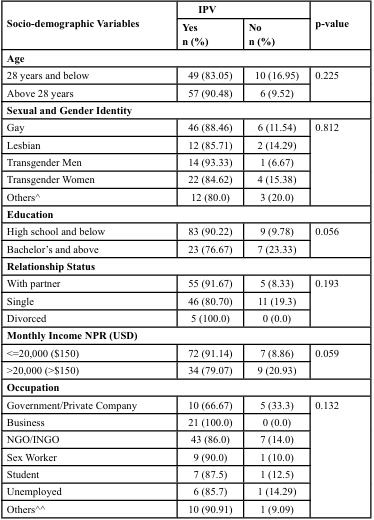
Table 1. Socio-demographic characteristics of participants by IPV status (N=122)
Table 2 shows that occupation was significantly associated with depression (p = 0.045), whereas no significant associations were observed between other socio-demographic variables and depression (all p > 0.05) (Table 2). Table 3 shows that gender (p = 0.016) and occupation (p = 0.016) have an association with perceived social support.
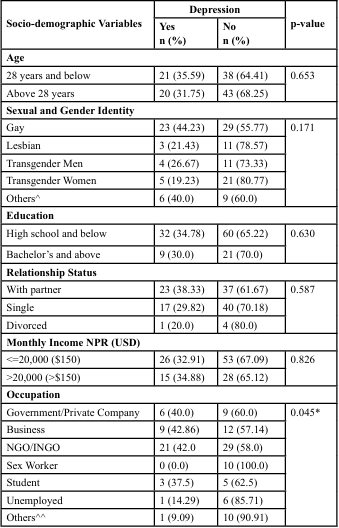
Table 2. Socio-demographic characteristics of participants by depression status (N=122)
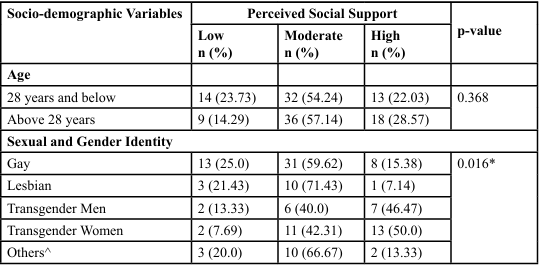
Table 3. Socio-demographic characteristics of participants by perceived social support status
Prevalence of Depression, IPV, and Perceived Social Support
Depression prevalence among SGM was 33.6% among SGM at the time of the survey. Also, the findings revealed that 86.9% of participants reported ever experiencing at least one type of violence in their lifetime, with 81.1% experiencing emotional violence, 59.8%
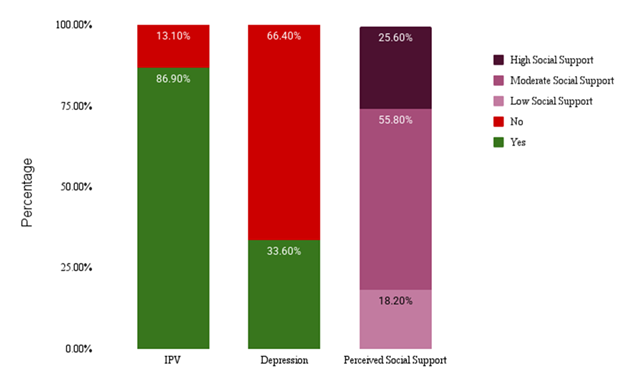
Figure 1. Prevalence of IPV, depression, and level of perceived social support
Multivariable Linear Regression Analysis of Socio-Demographic Characteristics, IPV, and Perceived Social Support with Depression
The multivariable linear regression model (Table 4) showed that IPV (p=0.002) and perceived social support (p=0.032) were statistically significantly associated with depression. Specifically, increased IPV results in increased depression (b=0.354; 95% CI: 0.129, 0.58), however as perceived social support increases, depression decreases (b=-0.814; 95% CI: -1.557, -0.071). Socio-demographic variables were not associated with depression (p>0.05) in a multivariable linear regression model, except for the sex worker category in occupation (b = -4.143; 95% CI: -7.486, -0.799).
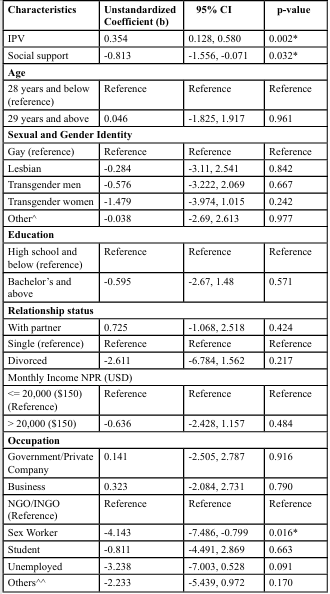
Table 4. Multivariable linear regression analysis of IPV, social support, and socio-demographic characteristics with depression (N=122)
Mediation Analysis Assessing the Effect of IPV on Depression Via Perceived Social Support
Using mediation models (Table 5), we found that IPV influences depression indirectly through perceived social support, with a significant mediating effect (b=0.078; BCa 95% CI: 0.008, 0.166). Also, the result showed that 16.5% of the association between IPV and depression was explained by perceived social support. These findings were also adjusted for socio-demographic characteristics, as presented in Model 2 of Table 5.
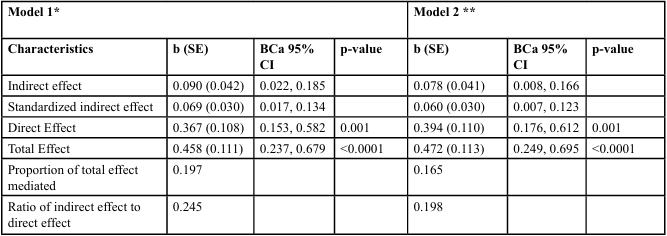
Table 5. Mediation analysis assessing the effect of IPV on depression via perceived social support (N=122)
Moderation Analysis Assessing the Effect of IPV on Depression Across Levels of Perceived Social Support
Perceived social support did not significantly moderate the relationship between IPV and depression (b=0.012, p=0.903 and 95% CI: -0.184, 0.209) (Table 6).

Table 6. Moderation analysis assessing the effect of IPV on depression across levels of perceived social support (N=122)
Challenges Faced While Seeking Social Support
Many participants expressed that they feared judgment and discrimination when expressing their feelings with others, highlighting a lack of social networks and a safe environment. Additionally, participants shared that there were significant concerns about confidentiality and privacy, with worries that personal information might be shared or misused without consent.
“There is no social network where I can express my feelings without fear of judgment and discrimination.” [P1]
“There is a lack of confidentiality and privacy.” [P-2]
Some participants expressed that social support was often conditional, with people offering help only if they had money or something to exchange.
“People used to care and support me when I had money. Now, neither do I have money, nor do I get support.” [P-3]
“No one supported me when I asked them for help. I think people will support me only if I have something to give in exchange for their support.” [P-4]
Hatred and negative perceptions of community members toward SGM were major concerns for not accessing social support. SGM often experienced a profound lack of social acceptance, feeling unworthy and discouraged, as echoed in sentiments such as, "Nobody understands us" and "Hatred..." Many participants shared that they could not live openly or proudly, facing scorn from family and friends for their sexuality. For instance, “We are not able to walk with our heads held high in society. I think our family and friends should not scold us for our sexuality. We are not able to live in society on our own” [P-5].
A participant working as a sex worker highlighted societal blame for their problems, attributing issues to their sexuality and occupation: “I work as a sex worker, and whenever I face trouble in life, society blames me for all of my problems. They blame my sexuality and occupation for all the problems in my life. They raised questions about my occupation as a sex worker. People different from the LGBTQIA+ community have a negative attitude toward us” [P-6]. This societal bias manifested in manipulative attempts to undermine their gender identity and direct hostility, with some being told “they don't deserve support” or “even to die.” For instance, “Whenever I try to seek help, people tend to tell me why people like you need support, why don’t you die? They never support us and never think that we too are human beings like others, and we too deserve to live in this world with equal rights and opportunities like heterosexuals” [P-7].
Similarly, participants shared that they do not seek social support because they often were being treated as "untouchables" by community people and often endured derogatory labels like 'Hichada' and 'Chakka,' reinforcing their marginalization. ‘Hichada’ and ‘Chakka’ are slang terms carrying negative, stigmatizing connotations, often used to refer to gender-nonconforming and transgender individuals in Nepal.
“People hate us after knowing that we are a third gender, and they treat us like untouchables.” [P-8]
“People in the community use different names to call us, such as ‘Hichada’, ‘Chakka’, and provide no support to us.” [P-9]
Additionally, participants engaging in sex work highlighted that police often mistreated them and abused them physically, even when they were simply walking on the street. For instance, “Even if we stand in the street, police think that we are there for sex work and treat us badly and sometimes physically abuse us” [P-10]. Also, they highlighted experiencing hatred and no support due to their occupation as a sex worker, as exemplified by one participant: “Due to my occupation as a sex worker, I faced hatred and lack of support from people” [P-11].
Some participants shared that concerned authorities did not understand their problems. They also expressed frustration about wasting time and money while seeking social support.
“Concerned authorities do not understand our problems, and they make minimal effort to support us.” [P-12]
“I had to go time and again to seek social support, resulting in a waste of time and money.” [P-13]
Participants also highlighted the lack of people representing the SGM community. For instance, “There is a lack of people representing our community, resulting in inequality” [P-14]. Also, participants expressed concerns about the lack of programs and policies that aim to strengthen social support towards SGM.
Discrimination was another major concern among participants for not seeking social support. They shared that community people have a negative attitude towards them, and do not consider them as a part of society and exclude them. Also, participants highlighted that the concerned authorities providing social services tended to prioritize their relatives first and did not prefer to assist SGM. Participants shared that they faced discrimination from homeowners as well, forcing them to pay more for their home/apartment rent in comparison to heterosexuals. For instance, “Homeowners rent us a room at higher prices compared to heterosexual counterparts” [P 15].
Many participants shared that they do not seek social support due to the risk of abuse or being abused. They shared that people teased them using harsh and vulgar words. They also shared experiences of being bullied by friends and teachers. Some participants also shared that they experienced abuse due to their sexuality. For instance, “I experienced abuse due to my sexuality even though I have done nothing wrong” [P-16].
Recommendations to Increase Social Support
Participants recommended sensitizing community people on issues of SGM to strengthen social support. Also, they suggested developing strict rules and regulations against those who discriminate based on sexuality and launching awareness campaigns to improve family acceptance and equal treatment. Participants shared that they want their family and friends to understand them and their sexuality and accept them for who they are.
“I think it is essential to educate family, friends, and community members about LGBTQIA+ issues. I am expecting love, care, and support from my family and friends.” [P-17]
“Strict rules and regulations should be implemented such that people who discriminate based on sexuality get punished.” [P-18]
“Awareness campaign needs to be conducted regarding family acceptance and equal treatment.” [P-19]
Participants also suggested creating an enabling and supportive environment for SGM in the community for them to thrive. Participants recommended strengthening social networks and counseling services.
“There must be availability and access to psychosocial counselors.” [P-20]
“Social networks should be strengthened.” [P-21]
Participants suggested that the government should increase their support towards SGM by legalizing sex work, ensuring education and employment opportunities, and treating them equally to heterosexuals.
“Government should legalize sex work and implement rules and regulations so that we can be free from trouble.” [P-22]
“It would have been better if the government had ensured education and employment opportunities for us.” [P-23]
“Government should address our issues, and they should not call us using different names and treat us the same as other heterosexuals.” [P-24]
“We need to get a third-gender incentive from the government. We should have equal access to services.” [P-25]
“Government should list some areas as red light so that we can do sex work.” [P-26]
“Policies should be inclusive and must reflect our identity.”[P-27]
To address police mistreatment and abuse, participants recommended cooperation from the police.
“Police should listen to us, and we should be given the right to perform sex work as our occupation.” [P-28]
“Police should not abuse us physically while walking in the street and should understand our problems.” [P-29]
Discussion
This study found that perceived social support statistically mediated 16.5% of the observed association between IPV and depression among SGM in Nepal. This finding suggests that participants reporting IPV also reported higher depression scores, and this association was partially accounted for by perceived social support.
Our findings showed that 74.4% of participants perceived low to moderate social support. This may be due to the underdeveloped social support system for SGM in Nepal. For instance, the government of Nepal (GoN) still does not prioritize SGM issues in its agenda, and it has been slow to ensure equal rights for SGM individuals, as affirmed by the Supreme Court of Nepal in 2007 [20]. Even though there has been notable progress in legal recognition and rights over the past decade, SGM in Nepal still face significant socio-cultural stigma, prejudice, discrimination, and violence, particularly in rural areas, though such discrimination persists in urban areas as well [30]. Many SGM residing in remote Nepal are still compelled to leave their home and relocate to major cities like Kathmandu so that they can conceal their identity and live a life free of discrimination and judgment [30].
Social support provided by family, friends, and close partners can be a useful resource to reduce mental distress among SGM populations [1,14,31]. Evidence is inconsistent on how social support influences the association between IPV and depression. Some studies propose that social support functions as a moderator [32], whereas others suggest it acts as a mediator [23-25,33]. Our analysis showed that perceived social support statistically mediated the association between IPV and depression among SGM in Nepal, and various reasons can explain it. Nepal has a prevalent patriarchal family structure with women viewing their husbands as Gods and having perspectives that they should be honest, obedient, respectful, and please their husbands. Similarly, Nepal's societal norms and traditions have fostered a heteronormative environment that can pressure SGM individuals into heterosexual marriages and compel them to conceal their true identities. This dynamic can increase their vulnerability to IPV [34,10]. In Nepal, survivors of sexual and gender-based violence often face stigmatizing societal attitudes and may be unfairly blamed for the violence they have experienced [35]. Consequently, many instances of IPV in Nepal go unreported due to societal thinking and the stigma attached to survivors, who are also often shamed for their experiences [36].
Moreover, IPV is often viewed as a private family matter, and people may hesitate to disclose IPV, thinking it will bring shame to the family [25]. SGM may hesitate to seek support from their families, friends, and neighbors when experiencing IPV because they may be afraid of disapproval or rejection based on their minority status, including skeptical or dismissive attitudes upon disclosing their experiences of abuse [37]. The fear of being abandoned by their loved ones, losing employment, or experiencing discrimination after disclosing their sexual and gender identity among SGM IPV survivors can be so strong that they may prefer to remain with abusive partners rather than seek help that could expose their identity [38]. Isolation from their friends, family, and community, either due to the stigma associated with IPV or due to the controlling behavior of their partner, can lead to significant emotional and psychological distress 39], which, in turn, can diminish the survivor’s perception of available social support as they may feel unworthy or ashamed [40].
Social support from family and friends can provide emotional support and validation to survivors of IPV and can help mitigate feelings of isolation and self-blaming, which ultimately assist in reducing depression. Additionally, social support networks can serve as a buffer against the negative mental health consequences of IPV, providing survivors with coping strategies and adaptive mechanisms against stress and enhancing self-esteem and resilience, which can further result in a reduced likelihood of experiencing IPV [1,41]. The GoN has taken steps to improve laws related to sexual and gender-based violence and enhance support to survivors. Some of the promising initiatives by the GoN against such violence include ongoing support for survivors, the development of one-stop crisis management centers and safe houses, and accompaniment to legal system processes [27]. However, the enforcement of these initiatives is weak, and there is a need for a stronger emphasis on preventing and addressing violence-supportive norms that are ingrained from an early age through family and societal influences [27]. Hence, interventions such as establishing and strengthening one-stop crisis management centers, shelter homes, SGM social support networks, and promoting SGM community connectedness can help strengthen the self-esteem, coping, and resilience of SGM in Nepal who are violence survivors, and can break the cycle of isolation and depression among them [33,40].
Lack of confidentiality, negative perception, and hatred by people were the major concerns expressed by participants for not seeking social support. Participants also shared that they do not have enough social networks where they can express their feelings without fear of judgment and discrimination. Evidence has shown that establishing social support networks with individuals sharing the same SGM identity can help better navigate the stresses of heterosexism [42]. Likewise, creating safe places where individuals identifying as SGM could meet each other and support each other is essential in Nepal, as this can help in overcoming rejection, harassment, and isolation that SGM experience in friendships with heterosexuals [43]. Participants also reported that community members often have negative attitudes toward them and tease them using derogatory names while walking in the street. SGM in Nepal have expressed a desire for a more inclusive environment and a transformation in Nepalese society, where stigmatization, superstition, and discrimination are eradicated, allowing them to live happily and reach their full potential [44]. To achieve this, participants in this study recommended developing and implementing interventions that aim to sensitize people on SGM issues in Nepal. Both government institutions and the private sector need to be sensitized to the unique challenges and needs of SGM, with services provided in a professional and gender-sensitive way. Schools can play an important role by incorporating discussions about sexual orientation and gender identity into their curricula. This approach can help reduce ignorance, promote understanding, and cultivate acceptance from an early age, paving the way for a more inclusive society [35].
Concerns related to abuse or fear of being abused were also expressed by participants for not seeking social support. Participants shared that their friends and teachers bullied them, as well as relatives and neighbors abusing them verbally and emotionally, even if they did nothing wrong. To address these issues, participants in the study recommended strengthening love, support, and acceptance from friends, family, and neighbors toward SGM, which is similar to findings from a study that has recommended fostering inclusive environments by cultivating a space where diverse identities and diverse perspectives are actively encouraged, respected, and supported [45]. Friends, family, and the community can foster social support for SGM in Nepal by helping to transform social norms through advocacy, offering acceptance, and using inclusive language, such as avoiding references to gender as a binary concept [46]. Support can also be shown by displaying signs that welcome SGM, sponsoring SGM youth groups, and, most importantly, revising laws, policies, forms, and documents to be more inclusive of SGM identities. This includes offering a range of gender options, recognizing various types of relationships, and providing citizenship and marriage certificates to all SGM individuals so that they can enjoy their fundamental rights [47]. Similarly, there is a necessity for social movements, especially at the community level, to raise awareness, acknowledge pride movements, and gain legislative support for SGM rights [47].
Mistreatment and physical abuse by police were another concern expressed by participants in this study, which is similar to findings from the other studies conducted in Nepal [48,49]. Participants, especially transgender women, expressed that they experienced violence from police because police assumed them to be sex workers. Those participants engaged in sex work shared experiences of physical and sexual abuse by police. To address this issue, participants recommended cooperation and support from police forces and treating SGM with love and respect as other people in society. Also, participants engaged in sex work recommended the legalization of sex work in Nepal. Evidence has shown that many SGM were engaged in sex work due to limited employment opportunities and employment discrimination towards SGM in Nepal [48]. Hence, creating employment and education opportunities can help in reducing violence against SGM in Nepal, as recommended by participants in this study. Furthermore, educational programs can be implemented to educate police forces on SGM issues and their experiences to reduce abuse and mistreatment by police officers.
Limitations
There are several limitations to this study that should be noted. First, non-probability sampling (respondent-driven sampling) was used to recruit participants, given the hidden characteristics of our respondents. This may have introduced selection bias because recruitment relied on participants' social networks, and individuals with smaller or less connected social networks or those less engaged with community- based organizations may have been underrepresented. Second, data were collected exclusively in Kathmandu, the capital city of Nepal. Consequently, the findings might not be generalizable to SGM across the country, particularly to those living in rural areas with potentially different social dynamics and support systems. Furthermore, a cross sectional design limits the ability to establish causal relationships. To better understand potential causal pathways, longitudinal studies are recommended.
Additionally, while this study utilized a mixed-method approach with a structured questionnaire that included two open-ended questions, the qualitative aspect was limited. The qualitative component was meant to complement the quantitative survey, rather than providing a full qualitative investigation. Future studies should employ qualitative methods to gain deeper insight into participants’ lived experiences and perspectives. Moreover, this study used a self-administered questionnaire, and that may have introduced respondent bias. Also, the tool used to measure IPV was not a standardized instrument specifically designed for SGM. Employing IPV screening tools tailored to SGM could yield more accurate and realistic data. Similarly, the Nepali version of the MSPSS used in this study was translated by the research team and was not formally validated. Participants completed either the English or Nepali version according to their preference, but language proficiency was not formally assessed. Consequently, differences in interpretation between language versions may have introduced measurement bias. Furthermore, there is a temporal mismatch in measurement periods: depression was assessed based on symptoms reported in the past two weeks, while IPV was evaluated based on lifetime experiences. This discrepancy could introduce recall bias and complicate the understanding of the temporal relationship between IPV and depression. Future studies can address these limitations to strengthen the validity and generalizability of findings across broader populations and contexts.
Conclusion
The study showed perceived social support plays a mediating role between IPV and depression, emphasizing the need to strengthen the social support system to address IPV and related mental health outcomes among SGM in Nepal.
Social support provided by family, friends, and the community can help SGM process their violent experiences, seek help, and leave violent relationships, which, in turn, can reduce emotional distress and enhance self-esteem and empowerment among them. Moreover, perceived social support can help SGM in overcoming societal challenges such as gender norms, discrimination, and stigma. Furthermore, sensitizing the community about issues of SGM and recognizing them as equal members of society are significant for increasing social visibility and resilience and reducing mental health issues among SGM in Nepal. Decision-makers and policymakers can refer to the challenges and recommendations provided by this study to strengthen social support networks among SGM in Nepal.
Competing Interests:
The author(s) declare that they have no competing interests.
List of Abbreviations
GoN: Government of Nepal
INGOs: International Non-Governmental Organizations
IPV: Intimate Partner Violence
IRB: Institutional Review Board
LGBTQIA+: Lesbian, Gay, Bisexual, Transgender, Queer/ Questioning, Intersex, Asexual, plus other identities
MSM: Men Who Have Sex With Men
MSPSS: Multidimensional Scale of Perceived Social Support
NGOs: Non-Governmental Organizations
NHRC: Nepal Health Research Council
PHQ-9: Patient Health Questionnaire-9
SGM: Sexual and Gender Minorities
VIF: Variance Inflation Factor
Acknowledgements
We extend our sincere appreciation to all individuals who participated in this study, whose contributions were essential to its success. We are also grateful to the organizations, Mitini Nepal and SWASA Nepal, for their support and collaboration. Last but not least, we express our gratitude to Mr. Giriraj Adhikari, our external contractor, for his support during the data collection.
References
Gray, S. S., Sizemore, K. M., & Rendina, H. J. (2023). Coping strategies as a moderator for the association between intimate partner violence and depression and anxiety symptoms among transgender women. International Journal of Environmental Research and Public Health, 20(11), 5927. View
Henry, R. S., Perrin, P. B., Coston, B. M., & Calton, J. M. (2021). Intimate partner violence and mental health among transgender/gender nonconforming adults. Journal of Interpersonal Violence, 36(7–8), 3374–3399. View
Miltz, A. R., Lampe, F. C., Bacchus, L. J., McCormack, S., Dunn, D., White, E., Rodger, A., Phillips, A. N., Sherr, L., Clarke, A., McOwan, A., Sullivan, A., & Gafos, M. (2019). Intimate partner violence, depression, and sexual behaviour among gay, bisexual and other men who have sex with men in the PROUD trial. BMC Public Health, 19(1), 431–17. View
Kyle, J. (2023). Intimate partner violence. Medical Clinics of North America, 107(2), 385–395. View
Edwards, K. M., Sylaska, K. M., & Neal, A. M. (2015). Intimate partner violence among sexual minority populations: A critical review of the literature and agenda for future research. Psychology of Violence, 5(2), 112–121. View
Finneran, C., & Stephenson, R. (2013). Intimate partner violence among men who have sex with men: A systematic review. Trauma, Violence & Abuse, 14(2), 168–185. View
Buller, A. M., Devries, K. M., Howard, L. M., & Bacchus, L. J. (2014). Associations between intimate partner violence and health among men who have sex with men: A systematic review and meta-analysis. PLoS Medicine, 11(3), e1001609. View
Irish, M., Solmi, F., Mars, B., King, M., Lewis, G., Pearson, R. M., Pitman, A., Rowe, S., Srinivasan, R., & Lewis, G. (2019). Depression and self-harm from adolescence to young adulthood in sexual minorities compared with heterosexuals in the UK: A population-based cohort study. The Lancet Child & Adolescent Health, 3(2), 91–98. View
Pagliaccio, D. (2025). Mental health disparities among sexual and gender minority students in higher education. Journal of American College Health, 73(5), 1951–1962. View
Storm, S., Deuba, K., Shrestha, R., Pandey, L. R., Dahal, D., Shrestha, M. K., Pokhrel, T. N., & Marrone, G. (2021). Social and structural factors associated with depression and suicidality among men who have sex with men and transgender women in Nepal. BMC Psychiatry, 21, 476. View
Paudel, K., Gautam, K., Bhandari, P., Wickersham, J. A., Dhakal, M., Sharma, S., Poudel, K. C., Ha, T., & Shrestha, R. (2023). Suicidal ideation, plan, and attempt among men who have sex with men in Nepal: Findings from a cross-sectional study. PLOS Global Public Health, 3(11), e0002348. View
Frost, D. M., & Meyer, I. H. (2023). Minority stress theory: Application, critique, and continued relevance. Current Opinion in Psychology, 51, 101579. View
Miller, B., & Irvin, J. (2017). Invisible scars: Comparing the mental health of LGB and heterosexual intimate partner violence survivors. Journal of Homosexuality, 64(9), 1180–1195. View
Wilkerson, J. M., Schick, V. R., Romijnders, K. A., Bauldry, J., & Butame, S. A. (2017). Social support, depression, self- esteem, and coping among LGBTQ adolescents participating in Hatch Youth. Health Promotion Practice, 18(3), 358–365. View
Kurdyla, V., Messinger, A. M., & Ramirez, M. (2021). Transgender intimate partner violence and help-seeking patterns. Journal of Interpersonal Violence, 36(19–20), NP11046 NP11069. View
Meyer, I. H. (2003). Prejudice, social stress, and mental health in lesbian, gay, and bisexual populations: Conceptual issues and research evidence. Psychological Bulletin, 129(5), 674–697. View
Dias, N. G., Costa, D., Soares, J., Hatzidimitriadou, E., Ioannidi-Kapolou, E., Lindert, J., Sundin, Ö., Toth, O., Barros, H., & Fraga, S. (2019). Social support and the intimate partner violence victimization among adults from six European countries. Family Practice, 36(2), 117–124. View
Sabina, C., & Tindale, R. S. (2008). Abuse characteristics and coping resources as predictors of problem-focused coping strategies among battered women. Violence Against Women, 14(4), 437–456. View
Estrellado, A. F., & Loh, J. M. I. (2014). Factors associated with battered Filipino women’s decision to stay in or leave an abusive relationship. Journal of Interpersonal Violence, 29(4), 575–592. View
Mahato, R. (2017). The movement for human rights for sexual and gender minorities in Nepal: The beginning, 2001-2015. International Development, Community and Environment, 148. View
Knight, K. (2024). “We have to beg so many people.” Human Rights Watch. View
Scheer, J. R., & Poteat, V. P. (2021). Trauma-informed care and health among LGBTQ intimate partner violence survivors. Journal of Interpersonal Violence, 36(13–14), 6670–6692. View
Beeble, M. L., Bybee, D., Sullivan, C. M., & Adams, A. E. (2009). Main, mediating, and moderating effects of social support on the well-being of survivors of intimate partner violence across 2 years. Journal of Consulting and Clinical Psychology, 77(4), 718–729. View
Bukowski, L. A., Hampton, M. C., Escobar-Viera, C. G., Sang, J. M., Chandler, C. J., Henderson, E., Creasy, S. L., & Stall, R. D. (2019). Intimate Partner violence and depression among black transgender women in the USA: The potential suppressive effect of perceived social support. Journal of Urban Health, 96(5), 760–771. View
Thananowan, N., Vongsirimas, N., & Kedcham, A. (2022). Mediating roles of intimate partner violence, stress, and social support on depressive symptoms among Thai women. Journal of Interpersonal Violence, 37(9–10), NP6697–NP6719. View
Kohrt, B. A., Luitel, N. P., Acharya, P., & Jordans, M. J. D. (2016). Detection of depression in low resource settings: Validation of the Patient Health Questionnaire (PHQ-9) and cultural concepts of distress in Nepal. BMC Psychiatry, 16(1), 58. View
Clark, C. J., Cheong, Y. F., Gupta, J., Ferguson, G., Shrestha, B., Shrestha, P. N., & Yount, K. M. (2019). Intimate partner violence in Nepal: Latent patterns and association with depressive symptoms. SSM - Population Health, 9, 100481. View
Sapkota, P., Pandey, A., Shrestha, G., Piya, R., Lamichanne, B., Garu, S., Joshi, D., & Baral, S. (2024). Intimate partner violence in Nepal: Analysis of Nepal Demographic and Health Survey 2022. PLOS One, 19(8). View
Zimet, G. D., Dahlem, N. W., Zimet, S. G., & Farley, G. K. (1988). The multidimensional scale of perceived social support. Journal of Personality Assessment, 52(1), 30–41. View
Bhatta, M. V. (2017). Everyday lives of LGBTI in Kathmandu valley: A narrative inquiry. Nepalese Journal of Development and Rural Studies, 14(1–2), Article 1–2. View
Wang, Y.-C., Miao, N.-F., & Chang, S.-R. (2021). Internalized homophobia, self-esteem, social support and depressive symptoms among sexual and gender minority women in Taiwan: An online survey. Journal of Psychiatric and Mental Health Nursing, 28(4), 601–610. View
Costa, E. C. V., & Gomes, S. C. (2018). Social Support And self- esteem moderate the relation between intimate partner violence and depression and anxiety symptoms among Portuguese women. Journal of Family Violence, 33(5), 355–368. View
Catabay, C. J., Stockman, J. K., Campbell, J. C., & Tsuyuki, K. (2019). Perceived stress and mental health: The mediating roles of social support and resilience among black women exposed to sexual violence. Journal of Affective Disorders, 259, 143–149. View
Deuba, K., Ekström, A. M., Shrestha, R., Ionita, G., Bhatta, L., & Karki, D. K. (2013). Psychosocial health problems associated with increased HIV risk behavior among men who have sex with men in Nepal: A Cross-Sectional Survey. PLOS ONE, 8(3), e58099. View
Maycock, M., Sharma, J., Brethfeld, J., Shah, O., & Shrestha, R. (2014). How can you be a marda if you beat your wife?: Notion of masculinities and violence in Eastern Nepal. Saferworld. View
Puri, M., Tamang, J., & Shah, I. (2011). Suffering in silence: Consequences of sexual violence within marriage among young women in Nepal. BMC Public Health, 11(1), 29. View
Scheer, J. R., & Baams, L. (2021). Help-seeking patterns among LGBTQ young adults exposed to intimate partner violence victimization. Journal of Interpersonal Violence, 36(17–18), 8050–8069. View
Calton, J. M., Cattaneo, L. B., & Gebhard, K. T. (2016). Barriers to help seeking for lesbian, gay, bisexual, transgender, and queer survivors of intimate partner violence. Trauma, Violence, & Abuse, 17(5), 585–600. View
Balsam, K. F., Rothblum, E. D., & Beauchaine, T. P. (2005). Victimization over the life span: A comparison of lesbian, gay, bisexual, and heterosexual siblings. Journal of Consulting and Clinical Psychology, 73(3), 477–487. View
Mereish, E. H., & Poteat, V. P. (2015). A relational model of sexual minority mental and physical health: The negative effects of shame on relationships, loneliness, and health. Journal of Counseling Psychology, 62(3), 425–437. View
Parnell, R. N., Lacey, K. K., & Wood, M. (2022). Coping and protective factors of mental health: An examination of African American and US Caribbean Black women exposed to IPV from a nationally representative sample. International Journal of Environmental Research and Public Health, 19(22), 15343. View
Frost, D. M., Meyer, I. H., & Schwartz, S. (2016). Social support networks among diverse sexual minority populations. American Journal of Orthopsychiatry, 86(1), 91–102. View
Paceley, M. S. (2016). Gender and sexual minority youth in nonmetropolitan communities: individual- and community- level needs for support. Families in Society, 97(2), 77–85. View
Bhatta, M. V. (2020). Gender and sexual minority: An identity less identity. International Multilingual Journal of Science and Technology, 5(11). View
Horn, S. S., & Romeo, K. E. (2010). Peer contexts for lesbian, gay, bisexual, and transgender students: Reducing stigma, prejudice, and discrimination. Prevention Researcher, 7(4). View
Boyce, P., & Coyle, D. (2013). Development, discourse and law: Transgender and same-sex sexualities in Nepal. The Institute of Development Studies and Partner Organizations Report. View
Phuyel, S. P. (2023). The need for LGBTIQ+ movement in the society of Nepal. Research Journal, 8(1). View
Gerstein, A. (2020). “SO what are you?:” Nepali third gender women’s identities and experiences through the lens of human rights development discourse. The George Washington University Undergraduate Review, 3. View
Greene, S. (2015). Gender and sexuality in Nepal: The Experiences of sexual and gender minorities in a rapidly changing social climate. Independent Study Project (ISP) Collection. View