
- About the Journal
- Editorial Board
- Review Process
- Author Guidelines
- Article Processing Charges
- Special Issues
- Indexing
- Current Issue
- Past Issue
 Journal of Public Health Issues and Practices
 Volume 10 (2026), Article ID: JPHIP-264
https://doi.org/10.33790/jphip1100264Review Article
Preventing Mobility Impairment among Adults with Chronic Kidney Disease in the United Kingdom and Europe: A Systematic Literature Review
Lynn Maatouk1 and Lawrence Bismarck Ndupu2*
1Department of Public Health, Coventry University, United Kingdom.
2Associate Professor Teaching, Department of Public Health, Coventry University, Richard Crossman Building, CV1 5FB, United Kingdom.
Corresponding Author Details: Lawrence Bismarck Ndupu, Associate Professor Teaching, Department of Public Health, Coventry University, Richard Crossman Building, CV1 5FB, United Kingdom.
Received date: 10th June, 2026
Accepted date: 20th July, 2026
Published date: 22nd July, 2026
Citation: Maatouk, L., & Ndupu, L. B., (2026). Preventing Mobility Impairment among Adults with Chronic Kidney Disease in the United Kingdom and Europe: A Systematic Literature Review. J Pub Health Issue Pract 10(2): 264.
Copyright: ©2026, This is an open-access article distributed under the terms of the Creative Commons Attribution License, which permits unrestricted use, distribution, and reproduction in any medium, provided the original author and source are credited.
Abstract
Adults living with chronic kidney disease (CKD) are at high risk of reduced mobility and functional decline, largely due to low physical activity levels, comorbid conditions, and disease-related fatigue. However, existing research is fragmented, with limited synthesis of how physical, psychological, and organizational factors interact to influence mobility outcomes. This systematic review aimed to explore the evidence on prevention of mobility impairment in adults with CKD in the UK and Europe, focusing on physical activity and functional capacity, psychological influences, and barriers and facilitators to engagement in activity. A systematic literature review was conducted using Medline, CINAHL, and AMED to identify relevant studies published between January 2016 and May 2026. Studies were screened using predefined inclusion and exclusion criteria, with ten studies meeting eligibility requirements. Included studies were assessed for quality using the Critical Appraisal Skills Programme (CASP) checklist. A narrative thematic synthesis was used to identify key patterns across physical, psychological, and structural domains influencing mobility outcomes. Three key themes identified were: physical activity and functional capacity, with higher activity levels associated with improved kidney function, exercise capacity, and quality of life; psychological and illness-related influences, including depression, anxiety, and negative illness perceptions that reduced engagement in physical activity; and barriers and facilitators to physical activity, with fatigue, fear of harm, and lack of guidance limiting participation, while education, professional support, and structured rehabilitation promoted activity. The review demonstrates that mobility impairment in CKD and kidney failure is shaped by an interaction of physical decline, psychological factors, and healthcare system support. Preventing mobility loss requires a holistic approach that integrates structured exercise interventions, psychological support, and consistent professional guidance. Strengthening rehabilitation pathways and improving assessment methods are essential to support long-term mobility and functional independence in this population.
Keywords: Physical activity; Functional capacity; Rehabilitation interventions; Psychological influences; Fatigue management; Exercise adherence; Healthcare support systems; Quality of life
Introduction
Chronic kidney disease (CKD) represents a major and growing public health challenge in the United Kingdom and globally [1]. It is estimated that CKD affects approximately 10% of the adult population worldwide, contributing significantly to morbidity, premature mortality, and health-care costs [2]. In the UK, CKD is closely linked with health inequalities and ageing populations, because of the rising prevalence of long-term conditions such as diabetes, hypertension, and cardiovascular disease among these populations [3]. Improving the management of CKD therefore aligns strongly with national public health priorities focused on prevention, self-management, and reduction of avoidable hospital admissions [4].
Physical activity (PA) and exercise have been increasingly recognised as a potentially modifiable lifestyle factor in the management of CKD [5]. National and international guidelines now recommend regular PA for individuals with CKD due to its benefits for cardiovascular health, physical function, mental wellbeing, and quality of life [3,6]. Despite this growing body of research, physical inactivity remains highly prevalent among CKD patients, because exercise is not consistently integrated into routine kidney care [7]. From a public health perspective, promoting PA in CKD is particularly relevant, as it supports prevention of disease progression, reduces comorbidity burden, and empowers patients to take an active role in their health [8]. However, several studies highlight ongoing challenges, including low awareness of exercise guidance among patients, limited confidence among healthcare professionals in prescribing exercise, and structural barriers such as lack of tailored programmes and inequitable access to services [7].
Although the benefits of exercise in CKD are increasingly documented, gaps remain in the literature. As far as we know, existing studies vary widely in exercise type, intensity, duration, and outcome measures, making it difficult to draw consistent conclusions for clinical practice [9]. Furthermore, much of the evidence focuses on physiological outcomes, with less attention given to behavioural, educational, and implementation factors that influence uptake and sustainability of physical activity [10]. There is also limited synthesis of evidence examining how exercise interventions can be effectively embedded into routine CKD care pathways in the UK context [7]. Given these gaps, a critical review of the existing literature is warranted to evaluate the role of PA and exercise in CKD management, identify barriers and facilitators to implementation, and inform future public health practice and policy. Therefore, the aim of this systematic literature review is to examine the effectiveness of the strategies currently used in preventing mobility impairment among adults with kidney failure in the United Kingdom and Europe.
Materials and Methods
Database Selection
The utilisation of multiple databases in research is crucial for limiting the risk of missing critical studies, ensuring comprehensive literature coverage and minimising publication bias [11]. A structured search was conducted across the following three electronic databases, i.e., MEDLINE, CINAHL, and AMED. These databases were selected for their extensive coverage of medical and renal research, strong focus on nursing, rehabilitation and allied health intervention, and wide range of multidisciplinary quantitative studies [12]. These databases were considered sufficient to identify relevant literature while maintaining a manageable search scope.
Search Strategy
A search strategy is essential to maintain a comprehensive and unbiased literature review and to increase efficiency by saving time while maximising relevant results [13]. A comprehensive search strategy was developed using keywords derived from the PICO framework (i.e., Population/Problem, Intervention, Comparison, and Outcome). Thereafter, these keywords and synonyms, as shown in Table 1, were combined using Boolean operators (AND, OR). Two researchers independently carried out a comprehensive literature search.
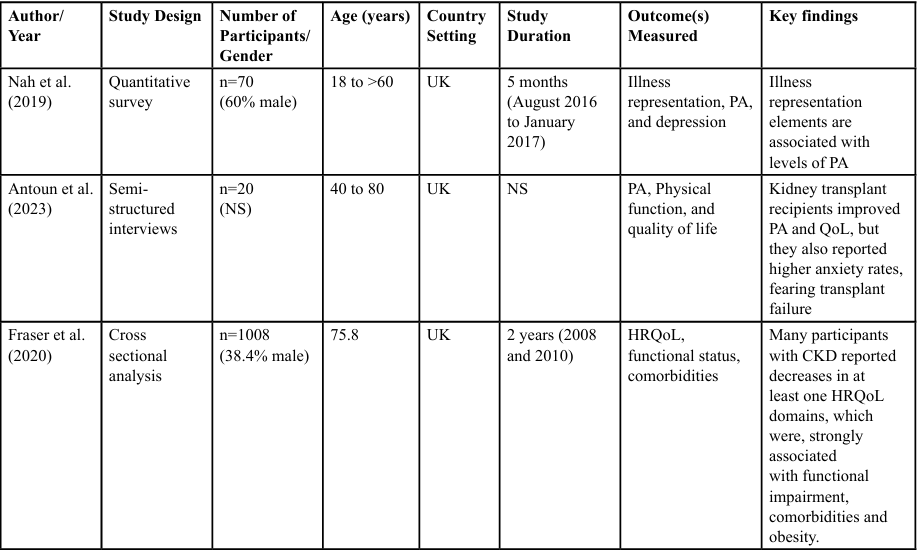
Table 1. Keywords and synonyms
The following search terms were utilised:
“chronic kidney disease” OR “CKD” OR “renal disease” AND “mobility OR “physical function” OR “functional decline” AND “exercise OR rehabilitation OR “physical activity” AND “adult”.
Inclusion and Exclusion Criteria
Establishing clear inclusion and exclusion criteria is essential in research, as it ensures that the study population is appropriate for the research question while enhancing the validity, reliability, and overall quality of the findings [14]. Studies were screened based on predefined inclusion and exclusion criteria to ensure relevance and consistency.
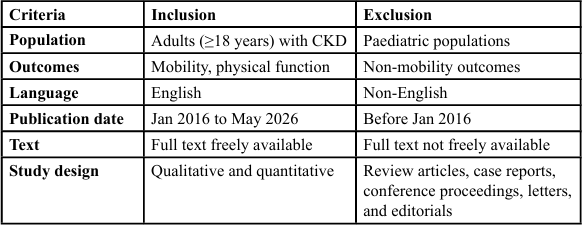
Table 2. Inclusion and Exclusion Criteria Table
As illustrated in Table 2, to be qualified for inclusion in this systematic review, the studies must be qualitative or quantitative, full text freely available, published between Jan 2016 and May 2026, peer-reviewed and in the English language, involving adults aged 18 years and older suffering from CKD, while assessing they mobility and physical function. On the other hand, all the studies that did not meet this eligibility criteria were excluded from the review. Finally, a total of 10 studies met the eligibility criteria and were thus included in the final review.
Data Extraction
Data extraction is a critical stage in the research process, as it ensures that relevant and consistent information is systematically collected from the included studies to allow for accurate analysis and comparison [15]. Two authors (L.M. and L.B.N.) independently read the full texts of the included articles and extracted the following pertinent data as shown in Table 3: author and year, study design, sample size and gender distribution, age, country, study duration, outcome measures, and key findings.
Table 3. Characteristics of included studies
Data synthesis, risk of bias and heterogeneity
A narrative synthesis method was utilized because the studies included in this review were heterogeneous in population characteristics, design, treatment modality or CKD stage, intervention focus or exposure, and outcome measures. The review incorporated quantitative cohort and observational studies, a randomized controlled trial, and qualitative interview studies; thus, statistical pooling via meta-analysis was not considered applicable. Instead, findings were synthesized narratively and thematically, following principles of synthesis without meta-analysis, involving categorizing studies by outcome domain, assessing relationships across study designs, and considering the reliability and strength of evidence across studies. This method is in conformity with guidance recommending transparent reporting of how studies are categorized, how results are assessed, and how weaknesses of narrative synthesis are addressed in cases where meta-analysis is not practicable. Studies were categorized according to three pre-specified domains relevant to mobility impairment in CKD, such as facilitators, barriers, and measurement of mobility; PA and functional capacity; and psychological influences and illness perceptions. The implications of this heterogeneity were considered when interpreting the consistency and transferability of findings.
Quality assessment is a crucial component of the review process, as it enables the evaluation of the methodological strength and potential bias of the included studies [16]. Several appraisal tools are available to assess the quality of research studies, including the Joanna Briggs Institute (JBI) Critical Appraisal Tools [17], Newcastle-Ottawa Scale (NOS) [18] and the Mixed Methods Appraisal Tool (MMAT) [19]. However, the CASP checklist was considered the most appropriate for this review due to its clear structure, ease of use, and comprehensive framework for systematically evaluating the validity, results, and relevance of research studies [20]. Two authors (L.M. and L.B.N) assessed the studies for clarity of aims and objectives, appropriateness of study design, sampling and recruitment methods, validity and reliability of outcome measures, and rigour of statistical analysis. Studies were rated as Yes, No, Can’t Tell and based on this were awarded quality scores of poor quality, moderate quality and high quality. We gave the findings from higher quality studies greater emphasis during synthesis, while results from lower- quality studies were interpreted with caution. A summary of quality appraisal outcomes using the CASP check list is presented in Table 4 (quantitative studies) and Table 5 (qualitative studies).
Results
Characteristics of Included Studies
A total of 10 studies met the inclusion criteria for this review. Out of these 10 studies, three each were cross-sectional studies [21-23] and semi-structured interviews [24-26], two were cohort studies [27,28], and one each was a randomized controlled study [29] and quantitative survey [30]. Most of the studies were carried out in the UK, apart from two studies [28,29] that were carried out in multiple countries, including some European countries. The sample sizes ranged from 13 participants [25] to 5,763 participants [28], participants’ ages ranged from 18 years [26,30] to 80 years [24], and study duration ranged from 12 weeks [22] to 3.3 years [27]. Of the 10 studies included, six measured PA levels [22-24,26,28,30] four measured physical function or mobility related outcomes [21,24,26,29] and three measure QoL outcome [21,24,28]. In addition, two studies measured depression symptoms [28,30] and two studies examined fatigue as a key outcome [26,29].
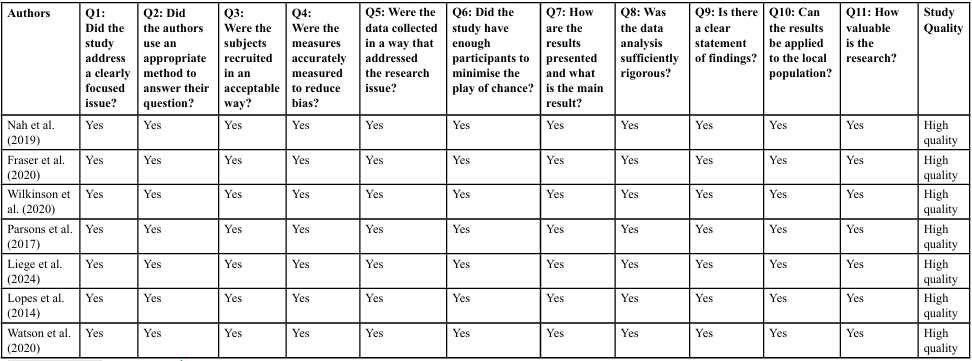
Table 4. Methodological quality assessment for quantitative studies using CASP checklist
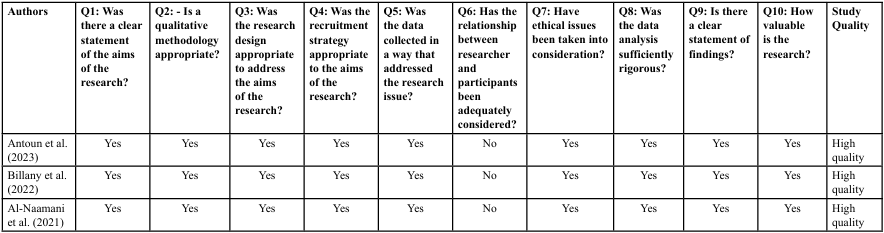
Table 5. Methodological quality assessment for qualitative studies using CASP checklist
Study Selection Process
Following the initial search across three databases (AMED, CINAHL and Medline), as illustrated in Figure 1, which identified 964 related publications, 186 duplicate records were removed, remaining 778 articles. These articles were then screened against predefined inclusion and exclusion criteria and 650 articles were removed, remaining 138 articles. Out of these remaining articles, 128 were removed because of inaccessibility, language, and location. In the end, the remaining 10 studies were then included in this systematic literature review.
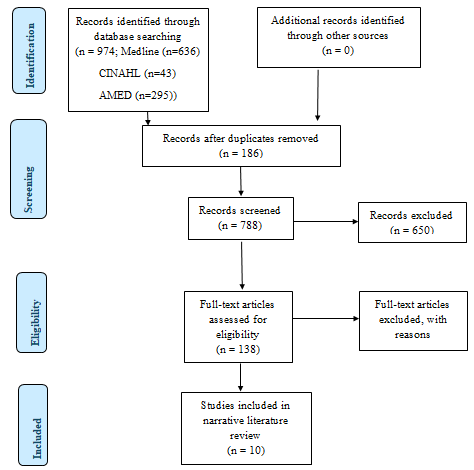
Figure 1: PRISMA flow diagram
Risk of bias and methodological quality of included studies
Overall, the included studies were judged to be of good methodological quality utilizing the CASP checklists. The quantitative studies had clearly focused research questions, suitable designs, appropriate recruitment approaches and outcome measures, and well-defined statements of findings. Nevertheless, numerous possible sources of bias were identified. First, several studies employed cross-sectional or observational study designs, thereby limiting causal inference between PA, psychological influences, functional capability, and mobility outcomes. Second, some studies depended on self-reported PA or patient-reported functional outcomes, that could introduce recall or social desirability bias. This was remarkably important since one of the included studies showed limited validity of the General Practice Physical Activity Questionnaire (GPPAQ) in comparison with accelerometery amongst CKD patients. Third, some studies had small sample sizes, particularly the qualitative interview studies, which could limit transferability of findings across wider CKD populations. Fourth, the qualitative studies were largely robust in terms of lucidity of objectives, suitability of methodology, richness of findings, and ethical considerations, nonetheless all three qualitative studies had limited reporting on the association between investigator and participants. This may possibly lead to reflexivity associated bias. Heterogeneity was evident across the studies included in this review, with differences observed in the sample size, study design, CKD population, transplant or dialysis status, outcome measures, and follow-up period. For instance, sample sizes ranged from 13 participants in one qualitative study [25] to 5,763 participants in a multi-country cohort study [28]. Study duration also varied, ranging from 12 weeks [22] to 3.3 years [27]. As a result of this heterogeneity, a meta-analysis was not carried out. Instead, the synthesis focused on reliability of findings, patterns of evidence, and the direction of relationships across studies. Table 6 illustrates a summary statistics, key outcomes and risk-of-bias considerations for the studies included in this review.
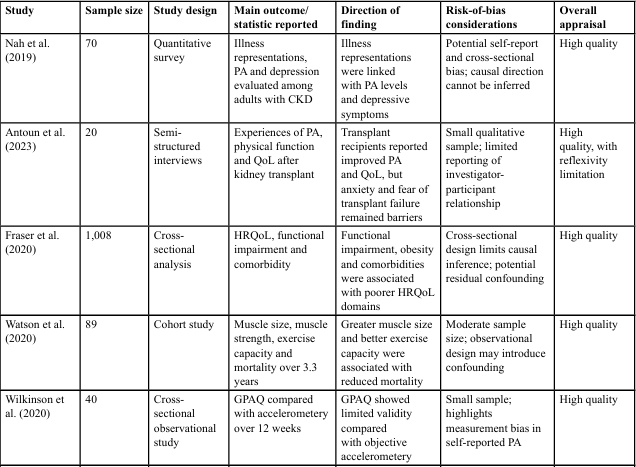
Table 6: Summary statistics, key outcomes and risk-of-bias considerations for included studies
Key Findings
Three major themes were identified from the synthesis of the included studies, which were physical activity and functional capacity; psychological influences and illness perceptions; and barriers, facilitators, and measurement of mobility.
Physical Activity and Functional Capacity
Across the reviewed studies, physical activity was consistently linked with improved functional ability and reduced mobility decline. Most of the findings suggested that CKD participants commonly experienced reduced functional status and lower health- related quality of life, particularly among individuals with obesity and multiple comorbidities. This indicates that reduced physical function is a significant burden within CKD populations and may contribute to progressive mobility impairment. Similarly, some studies highlighted that physical function in haemodialysis patients is influenced by multiple determinants and that both patient reported and performance-based assessments are required to capture functional limitations accurately.
Psychological Influences and Illness Perceptions
Psychological factors were found to influence physical activity behaviour and mobility outcomes. Majority of the studies identified that illness representation and beliefs about CKD were significantly associated with physical activity levels and depression symptoms. Negative illness perceptions were linked to lower engagement in physical activity, suggesting that psychological factors may indirectly contribute to mobility impairment through reduced participation in exercise. Kidney transplant recipients often experienced improved quality of life and physical activity, but many described anxiety and fear of transplant failure, which may act as barriers to physical activity engagement.
Barriers, Facilitators, and Measurement of Mobility
Most studies included in this review identified several consistent barriers and facilitators influencing physical activity engagement. Common barriers included fatigue, fear of harm or injury, lack of professional guidance, and limited structured exercise programmes. These barriers were frequently linked to reduced physical activity and increased risk of functional decline. Facilitators included professional support, motivation, patient education, and structured interventions.
Discussion
Discussion of Key Findings
Physical Activity and Functional Capacity
One of the key findings of this review strongly indicate that PA is a critical protective factor in maintaining mobility and reducing functional decline among adults with CKD and kidney failure [31]. Although studies cannot confirm causality, several biological mechanisms may explain this relationship. Regular PA improves cardiovascular function by lowering blood pressure and enhancing endothelial function, which reduces vascular damage and improves renal perfusion [23]. This is crucial because hypertension is a major driver of glomerular injury and CKD progression [32]. Exercise also improves insulin sensitivity and glucose regulation, reducing the risk of diabetes-related nephropathy and limiting metabolic stress on the kidneys [33]. Furthermore, PA supports weight management and reduces central obesity, which is strongly linked to inflammation and increased glomerular hyperfiltration, both of which contribute to progressive renal decline [34]. By improving cardiovascular health, metabolic control, and inflammatory profiles, PA may therefore contribute to slowing functional decline and supporting long-term kidney health. This supports the concept that PA may have both direct functional benefits and indirect benefits through improved metabolic and cardiovascular health [35]. Similarly, Fraser et al. [21] identified that CKD patients commonly reported reduced health-related quality of life and functional impairment, particularly when obesity and comorbidities were present. This finding supports the biopsychosocial understanding of disability, where mobility impairment results from interactions between disease, individual capacity, and environmental conditions [36].
The association between physical function and survival outcomes further strengthens the argument that maintaining mobility is clinically essential. Watson et al. [27] reported that greater muscle size and higher exercise capacity were linked to reduced mortality. These findings indicate that functional status may act as both a marker and predictor of health outcomes in CKD [37]. However, although the evidence consistently supports the benefits of PA, the observational nature of many studies limits the ability to infer causality. It is possible that individuals with better baseline health are more able to engage in PA, meaning that PA could reflect existing functional ability rather than being the sole driver of improved outcomes [38]. Nonetheless, the consistency of findings across multiple studies suggests that promoting PA remains a valid and necessary intervention target.
Physical Activity, Mental Health and Illness Perceptions
The review demonstrated that some psychological factors (e.g., internal mental processes, emotions, and learned behaviors) influence engagement in PA, which consequently impacts mobility outcomes [39]. For instance, Nah et al. [30] found that illness representations were significantly associated with PA behavior and depression symptoms. This is in line with Leventhal’s Common-Sense Model of Illness Representations, which suggests that individuals’ beliefs about their illness influence coping behaviors, including adherence to PA [40]. If CKD is perceived as disabling or worsening inevitably, patients may avoid exercise due to fear of harm or hopelessness, thereby accelerating physical decline. Antoun et al. [24] reinforced this psychological influence by identifying that kidney transplant recipients often reported improved quality of life and PA levels but also expressed anxiety and fear of transplant failure. These fears acted as barriers to exercise engagement, suggesting that even when physical health improves following transplant, psychological concerns may continue to restrict mobility behaviors [41]. Such findings highlight that physical rehabilitation interventions must consider mental health support and reassurance, as improved physiological capacity alone may not result in improved mobility outcomes [42]. Lopes et al. [28] further supported this relationship by demonstrating associations between higher PA levels and reduced depression symptoms in CKD patients, suggesting a potentially bidirectional relationship, where PA may improve mental wellbeing, while improved mental wellbeing may increase engagement in exercise. Therefore, effective mobility prevention strategies should integrate psychological screening and interventions, particularly for depression and health anxiety. However, not all individuals may respond similarly. Differences in age, dialysis dependency, and comorbidity burden may influence psychological resilience and exercise capacity [43]. This may explain variations in PA participation across CKD populations, indicating that personalised interventions are required. From a worldwide perspective, several systematic reviews and meta- analyses conducted outside the UK provide broader evidence that structured exercise interventions can also improve psychological outcomes in CKD populations [43]. For example, Liu et al. [44] found that exercise interventions were associated with significant reductions in depressive symptoms in adults with CKD patients, with moderate effect sizes observed across multiple trials when compared to control conditions, suggesting that regular PA can yield mental health benefits alongside physical improvements. These findings support the notion that exercise not only contributes to physical functioning but also alleviates psychological distress, reinforcing the argument that addressing illness perceptions and promoting physical activity may have dual benefits for both mental and physical aspects of CKD management.
Barriers and Facilitators to Exercise Engagement
The review identified several consistent barriers preventing CKD and kidney failure patients from engaging in physical activity, including fear of injury, lack of guidance, low confidence, fatigue, and limited access to structured support. In line with this, Billany et al. [25] reported that patients often lacked clear advice from professionals, which contributed to uncertainty and inactivity. Similarly, Antoun et al. [24] found that anxiety and fear of complications reduced engagement in physical activity even after transplant. Clarke et al. [45] provided further contextual understanding by identifying that exercise behavior in CKD is influenced by capability, opportunity, and motivation, aligning with the COM-B model of behavior change. This supports the argument that improving mobility outcomes requires more than individual motivation; patients must also have opportunities (safe environments, structured programmes) and capability (knowledge, physical confidence, and symptom management). Therefore, interventions must target behavioral and environmental factors, not just patient responsibility.
Facilitators identified across several studies [46,47] included professional encouragement, education, motivation, and structured rehabilitation, all of which appear to play a key role in supporting PA engagement among CKD populations. These findings align with the Job Demands–Resources (JD-R) model, which proposes that supportive resources can buffer the negative effects of chronic demands by strengthening coping capacity and promoting sustained engagement in health-related behaviors [48]. In CKD populations, professional guidance may therefore function as a crucial resource by improving patient confidence, reducing fear of harm, and supporting behavioral adherence to PA. This interpretation is supported by wider evidence demonstrating that supervised and structured exercise interventions are associated with improved physical functioning and quality of life in CKD patients, particularly when programmes include tailored education and professional monitoring [9]. Furthermore, previous research suggests that exercise-based rehabilitation can also improve mental health outcomes, including reductions in depressive symptoms, indicating that structured support may address both physical and psychological barriers to activity participation [49]. This relationship can also be explained through Social Cognitive Theory, which emphasizes the importance of self- efficacy in maintaining health behaviors; professional reassurance, goal setting, and progress feedback may enhance self-efficacy and encourage sustained participation in PA [50] (Nickerson, 2025). Overall, these findings suggest that structured rehabilitation and professional support are not only facilitators of exercise uptake but may represent essential mechanisms for long-term behavior change and mobility preservation in adults living with CKD.
Practical and Public Health Implications
The findings have significant implications for renal healthcare practice and service planning. Firstly, the consistent evidence linking PA to improved kidney outcomes, quality of life, and reduced mortality suggests that PA should be treated as a core component of CKD management rather than an optional lifestyle recommendation [23,27,28]. Renal clinics should integrate structured PA advice into routine appointments. Secondly, fatigue must be addressed as a central barrier. Evidence from Billany et al. [25] and Al-Naamani et al. [26] suggests that fatigue-management strategies should be integrated into rehabilitation planning. Renal teams may need to adopt patient-centred approaches such as graded activity programmes and pacing strategies, supported by physiotherapists or exercise specialists. Thirdly, the influence of psychological factors highlights the importance of incorporating mental health assessment into CKD care. Depression, anxiety, and negative illness beliefs may reduce PA engagement [24,30]. Integrating behavioral support and patient education may improve confidence and motivation, supporting long-term mobility preservation. Finally, assessment practices must improve. Given the limitations of self-report tools identified by Wilkinson et al. [22], renal services may benefit from incorporating objective monitoring methods where feasible, or combining questionnaires with functional tests such as gait speed, sit-to-stand, or grip strength.
Influence of risk of bias and heterogeneity on interpretation
The findings should be interpreted considering methodological heterogeneity and potential risk of bias. Although most studies were judged as methodologically strong, several were cross-sectional or observational, limiting causal interpretation. Furthermore, variations in age, study setting, CKD stage, dialysis or transplant status, and outcome measurement influenced the heterogeneity observed across the evidence base. The utilisation of self-reported PA measures in some studies could have also introduced measurement bias, especially as one included study observed limited authenticity of a self-report PA questionnaire in comparison with accelerometery. However, the reliability of findings across quantitative and qualitative studies reinforces the conclusion that mobility impairment in CKD is influenced by interrelated psychological, physical, and service-level factors.
Strengths and Limitations of the Study
A key strength of this systematic literature review is that it included a range of study designs, allowing both quantitative evidence on PA and functional outcomes and qualitative evidence on patient experiences and barriers to exercise to be synthesized [51]. The use of CASP checklists for both quantitative and qualitative studies supported a structured and transparent quality appraisal process [17]. In addition, focusing on studies conducted in the UK and Europe enhanced the relevance of the findings to comparable healthcare contexts and renal service delivery models [52]. However, it is important to also acknowledge some limitations. For instance, most included studies were observational, meaning that associations between PA and improved mobility outcomes cannot be interpreted as causal relationships [53]. Some studies also lacked detailed reporting of demographic characteristics, such as gender distribution and socioeconomic status, limiting the ability to explore how these factors may influence mobility impairment and access to exercise opportunities. Another limitation is that only one of the included studies examined the validity of a PA measurement tool [22], suggesting limited evidence on the accuracy of commonly used assessment methods in CKD populations. Finally, restricting inclusion to English-language publications may have resulted in relevant evidence being excluded, thus introducing potential language bias [53].
Recommendations for Future Research and Practice
Future research should prioritise longitudinal and intervention based studies to evaluate the long-term effectiveness of structured PA programmes in preventing mobility impairment in CKD populations. Randomized controlled trials investigating tailored exercise interventions for dialysis and transplant patients would strengthen the evidence base. There is also a need for further research examining fatigue mechanisms and management strategies, as fatigue remains a major barrier to mobility. Studies should explore the effectiveness of combined interventions addressing fatigue, depression, and physical deconditioning. For clinical practice, renal services should integrate routine functional assessments, PA promotion, and fatigue-management support into standard care. Behavior change frameworks such as COM-B behaviour model [54] could be applied to intervention development to ensure barriers related to capability, motivation, and opportunity are appropriately addressed. Additionally, healthcare professionals should receive training to provide consistent and evidence-based exercise guidance, reducing patient uncertainty and fear [55].
Conclusion
This systematic literature review aimed to explore evidence relating to the prevention of mobility impairment among adults living with CKD within the UK and European context. Overall, the findings indicate that preventing mobility impairment in CKD requires more than simply recommending exercise. Instead, effective prevention strategies must be holistic, combining physical rehabilitation with psychological support, education, and structured professional input to reduce fear and improve confidence. The review also highlighted limitations in current assessment approaches, as evidence suggests that self-report PA measures may lack accuracy compared with objective tools, emphasizing the need for more reliable and standardised methods of mobility assessment in renal care. In conclusion, this review addresses the research aim by demonstrating that mobility impairment prevention in CKD and kidney failure is shaped by interconnected physical, psychological, and healthcare- system factors. The findings support the need for renal services to prioritize early intervention, structured exercise support, and patient- centred rehabilitation approaches to maintain mobility and functional independence. Future research should focus on intervention-based and longitudinal studies to strengthen the evidence base and inform sustainable strategies that can be implemented across renal services in the UK and Europe.
Competing interests:
The authors declare that they have no competing interests.
List of abbreviations:
COM-B: Capability, Opportunity, Motivation- Behavior; CASP: Critical Appraisal Skills Programme; CKD: chronic kidney disease; ESKD: End-Stage kidney disease; GPAQ: Global physical activity questionnaire; JBI: Joanna Briggs Institute; JD-R: Job Demands- Resources; MMAT: Mixed Methods Appraisal Tool; N/A: Not applicable; NOS: Newcastle-Ottawa Scale; NR: Not reported; NS: Not specified; PA: Physical activity; PICO: Population/Problem, Intervention, Comparison, and Outcome; PRISMA: Preferred Reporting Items for Systematic reviews and Meta-Analyses; QoL: Quality of life.
Acknowledgement:
The authors would like to express their sincere gratitude to the staff of the Department of Public Health at Coventry University for their invaluable academic and institutional support throughout the development of this systematic review. Their guidance and encouragement contributed significantly to the successful completion of this work. We are especially grateful to the Public Health subject librarian at Coventry University for their expert support in the early stages of the review. Their guidance on database selection, development of the search strategy, and systematic searching for relevant literature was instrumental in ensuring the rigour and comprehensiveness of the review process.
References
Mayo Clinic. (2023). Chronic Kidney Disease. Mayo Clinic. View
Bikbov, B., Purcell, C.A., Levey, A.S., Smith, M., Abdoli, A., Abebe, M., ... Andualem, Z. (2020). Global, regional, and national burden of chronic kidney disease, 1990–2017: a systematic analysis for the Global Burden of Disease Study 2017. The Lancet, 395(10225), 709–733. View
Baker, A., March, D., Wilkinson, T., Billany, R., Bishop, N., Castle, E.M., …Greenwood, S. (2021). Clinical Practice Guideline Exercise and Lifestyle in Chronic Kidney Disease. View
National Health Service. (2019). Treatment - chronic kidney disease. NHS. View
NKF Patient Education Team. (2025). Exercise and Chronic Kidney Disease. National Kidney Foundation. View
Williams, A.D., Fassett, R.G., & Coombes, J.S. (2014). Exercise in CKD: Why Is It important and How Should It Be Delivered? American Journal of Kidney Diseases, 64(3), 329–331. View
Greenwood, S. A., Young, H. M. L., Briggs, J., Castle, E. M., Walklin, C., Haggis, L., …Jesky, M. (2024). Evaluating the effect of a digital health intervention to enhance physical activity in people with chronic kidney disease (Kidney BEAM): a multicentre, randomised controlled trial in the UK. The Lancet Digital Health, 6(1), e23–e32. View
Johansen, K. L., Shubert, T., Doyle, J., Soher, B., Sakkas, G. K. & Kent-Braun, J.A. (2003). Muscle atrophy in patients receiving hemodialysis: Effects on muscle strength, muscle quality, and physical function. Kidney International, [online] 63(1), 291- 297. View
Heiwe, S., & Jacobson, S.H. (2011). Exercise training for adults with chronic kidney disease. Cochrane Database of Systematic Reviews. View
Collado-Mateo, D., Lavín-Pérez, A.M., Peñacoba, C., Del Coso, J., Leyton-Román, M., Luque-Casado, A., …Amado-Alonso, D. (2021). Key Factors Associated with Adherence to Physical Exercise in Patients with Chronic Diseases and Older Adults: An Umbrella Review. International Journal of Environmental Research and Public Health, 18(4). View
Ewald, H., Klerings, I., Wagner, G., Heise, T.L., Stratil, J.M., Lhachimi, S.K., …Nussbaumer-Streit, B. (2022). Searching Two or More Databases Decreased the Risk of Missing Relevant studies: a Meta Research Study. Journal of Clinical Epidemiology, 149(149), 154–164. View
Frandsen, T. F., Moos, C., Isabella, C., & Eriksen, M. B. (2025). Supplementary databases increased literature search coverage beyond PubMed and Embase. Journal of Clinical Epidemiology, 181, 111704–111704. View
Queens University Belfast. (2016). Systematic Reviews: Step 3: Planning Your Search Strategy. View
Patino, C., & Ferreira, J. (2018). Inclusion and Exclusion Criteria in Research studies: Definitions and Why They Matter. Journal Brasileiro De Pneumologia, 44(2), 84. View
Schmidt, L., Finnerty, N., Elmore, R.W., Olorisade, B.K., Thomas, J., & Higgins, J.P.T. (2023). Data Extraction Methods for Systematic Review (semi)automation: Update of a Living Systematic Review. F1000Research, 10(401), pp.401–401. View
Shaheen, N., Shaheen, A., Ramadan, A., Hefnawy, M. T., Ramadan, A., Ibrahim, I., …Flouty, O. (2023). Appraising Systematic reviews: a Comprehensive Guide to Ensuring Validity and Reliability. Frontiers in Research Metrics and Analytics, 8(8). View
Critical Appraisal Skills Programme. (2024). Critical Appraisal Checklists. View
Gualdi-Russo, E., & Zaccagni, L. (2026). The Newcastle Ottawa Scale for Assessing the Quality of Studies in Systematic Reviews. Publications, 14(1), 4–4. View
Hong, Q.N., Pluye, P., Fabregues, S., Bartlett, G., Boardman, F., Carg, M., …Vedel, I. (2018). Mixed Methods Appraisal Tool (MMAT) Version 2018: User Guide. View
Critical Appraisal Skills Programme. (2025). How to Use the PICO Framework to Aid Critical Appraisal - CASP. View
Fraser, S. D., Barker, J., Roderick, P. J., Yuen, H. M., Shardlow, A., Morris, J. E., …Taal, M. W. (2020). Health-related quality of life, functional impairment and comorbidity in people with mild-to-moderate chronic kidney disease: a cross-sectional study. BMJ Open, 10(8), e040286. View
Wilkinson, T.J., Palmer, J., Gore, E.F., & Smith, A.C. (2020). The validity of the ‘General Practice Physical Activity Questionnaire’ against accelerometery in patients with chronic kidney disease. Physiotherapy Theory and Practice, pp.1–10. View
Parsons, T. J., Sartini, C., Ash, S., Lennon, L. T., Wannamethee, S. G., Lee, I. M., …Jefferis, B. J. (2017). Objectively measured physical activity and kidney function in older men; a cross- sectional population-based study. Age and Ageing, 46(6), 1010- 1014. View
Antoun, J., Brown, D. J., Clarkson, B. G., Shepherd, A. I., Sangala, N. C., Lewis, R. J., …Saynor, Z. L. (2022). Experiences of adults living with a kidney transplant—Effects on physical activity, physical function, and quality of life: A descriptive phenomenological study. Journal of Renal Care, 49(3). View
Billany, R. E., Smith, A. C., Stevinson, C., Clarke, A. L., Graham‐Brown, M. P. M., & Bishop, N. C. (2022). Perceived barriers and facilitators to exercise in kidney transplant recipients: A qualitative study. Health Expectations, 25(2). View
Al-Naamani, Z., Gormley, K., Noble, H., Santin, O., Omari, O.A., Al-Noumani, H., & Madkhali, N. (2025). Navigating strategies used to manage fatigue by patients undergoing hemodialysis: a qualitative exploratory design. BMC Nephrology, 26(1). View
Watson, E. L., Major, R. W., Wilkinson, T. J., Greening, N. J., Gould, D. W., Barratt, J., & Smith, A. C. (2020). The association of muscle size, strength and exercise capacity with all-cause mortality in non-dialysis-dependent CKD patients. Clinical Physiology and Functional Imaging, 40(6), 399–406. View
Lopes, A. A., Lantz, B., Morgenstern, H., Wang, M., Bieber, B. A., Gillespie, B. W., …Pisoni, R. L. (2014). Associations of self-reported physical activity types and levels with quality of life, depression symptoms, and mortality in hemodialysis patients: the DOPPS. Clinical journal of the American Society of Nephrology, 9(10), 1702–1712. View
Liegl, G., Fischer, F. H., Canaud, B., Woodward, M., Barth, C., Davenport, A., …Rose, M. (2024). Using a measurement type-independent metric to compare patterns of determinants between patient-reported versus performance-based physical function in hemodialysis patients. Quality of Life Research, 33, 2987–3001. View
Nah, R., Robertson, N., Niyi-Odumosu, F. A., Clarke, A. L., Bishop, N. C., & Smith, A. C. (2019). Relationships between illness representations, physical activity and depression in chronic kidney disease. Journal of Renal Care, 45(2), 74–82. View
Public Health England. (2020). Health matters: physical activity - prevention and management of long-term conditions. View
Ameer, O. Z. (2022). Hypertension in chronic kidney disease: What lies behind the scene. Frontiers in Pharmacology, 13(949260). View
Bird, S. R., & Hawley, J. A. (2017). Update on the Effects of Physical Activity on Insulin Sensitivity in Humans. BMJ Open Sport & Exercise Medicine, 2(1), e000143. View
Raiman, L., Amarnani, R., Abdur-Rahman, M., Marshall, A., & Mani-Babu, S. (2023). The role of physical activity in obesity: let’s actively manage obesity. Clinical Medicine, 23(4), 311- 317. View
Warburton, D. E. R., Nicol, C. W., & Bredin, S. S. D. (2006). Health Benefits of Physical activity: the Evidence. Canadian Medical Association Journal, 174(6), 801–809. View
Lutte, I., Schneider, M., Amandine Kapita, Gille, A., Pascal Staquet, & Tomberg, C. (2024). Impact of the biopsychosocial model of disability on the medicolegal assessment of personal injury. Archives of Public Health, 82(1). View
Freiberger, E., Sieber, C. C., & Kob, R. (2020). Mobility in older community-dwelling persons: A narrative review. Frontiers in Physiology, 11(1). View
Harold, W., & Cook, H. D. (2013). Physical Activity and Physical Education: Relationship to Growth, Development, and Health. National Library of Medicine; National Academies Press (US). View
Dennison, L., Moss-Morris, R., & Chalder, T. (2009). A review of psychological correlates of adjustment in patients with multiple sclerosis. Clinical Psychology Review, 29(2), 141–153. View
Leventhal, H., Phillips, L. A., & Burns, E. (2016). The Common Sense Model of Self-Regulation (CSM): a dynamic framework for understanding illness self-management. Journal of Behavioral Medicine, 39(6), 935–946. View
Pasquale, C. D., Pistorio, M. L., Sardella, A., Massimiliano Veroux, Lenzo, V., Bella, M. D., Coco, F., Stella, M., Grasso, A., Giaquinta, A., Catena, M., & Pierfrancesco Veroux. (2025). A systematic review of the effectiveness of psychological interventions in organ transplantation. Frontiers in Psychology, 16, 1716455–1716455. View
National Guideline Alliance (UK). (2022). Physical interventions for people with complex rehabilitations needs after traumatic injury: Rehabilitation after traumatic injury: Evidence review B.1. In PubMed. National Institute for Health and Care Excellence (NICE). View
Song, Y.-H., Cai, G.-Y., Xiao, Y.-F., & Chen, X.-M. (2020). Risk factors for mortality in elderly haemodialysis patients: a systematic review and meta-analysis. BMC Nephrology, 21(1). View
Liu, Y., Zhao, G., Guo, J., Qu, H., Kong, L., & Yue, W. (2024). The Efficacy of Exercise Interventions on Depressive Symptoms and Cognitive Function in Adults with depression: an Umbrella Review. Journal of Affective Disorders, 368. View
Clarke, A. L., Jhamb, M., & Bennett, P. N. (2019). Barriers and facilitators for engagement and implementation of exercise in end-stage kidney disease: Future theory-based interventions using the Behavior Change Wheel. Seminars in Dialysis, 32(4), 308–319. View
Cranley, L. A., Cummings, G. G., Profetto-McGrath, J., Toth, F., & Estabrooks, C. A. (2017). Facilitation Roles and Characteristics Associated with Research Use by Healthcare professionals: a Scoping Review. BMJ Open, 7(8), e014384. View
Pradelli, L., Risoli, C., Summer, E., Bellini, G., Mozzarelli, F., Anderson, G., Guasconi, M., Artioli, G., Bonacaro, A., & Sarli, L. (2025). Healthcare professional perspective on barriers and facilitators of multidisciplinary team working in acute care setting: a systematic review and meta-synthesis. BMJ Open, 15(3). View
Demerouti, E. (2025). Job demands-resources and conservation of resources theories: How do they help to explain employee well-being and future job design? Journal of Business Research, 192(115296). View
Smith, P. J., & Merwin, R. M. (2021). The role of exercise in management of mental health disorders: An integrative review. Annual Review of Medicine, 72(1), 45–62. View
Nickerson, C. (2025). Albert bandura’s social cognitive theory. Simply Psychology. View
Noyes, J., Booth, A., Moore, G., Flemming, K., Tunçalp, Ö., & Shakibazadeh, E. (2020). Synthesising quantitative and qualitative evidence to inform guidelines on complex interventions: Clarifying the purposes, designs and outlining some methods. BMJ Global Health, 4(1). NCBI. View
Brignardello-Petersen, R., Santesso, N., & Guyatt, G. H. (2024). Systematic reviews of the literature: An introduction to current methods. American Journal of Epidemiology, 194(2). View
Boyko, E. J. (2013). Observational research — opportunities and limitations. Journal of Diabetes and Its Complications, 27(6), 642–648. View
Michie, S., van Stralen, M.M., & West, R. (2011). The behaviour change wheel: A new method for characterising and designing behaviour change interventions. Implementation Science, 6:42. View
National Institute for Health and Care Excellence. (2018). Principles for Putting evidence-based Guidance into Practice. View