
- About the Journal
- Editorial Board
- Review Process
- Author Guidelines
- Article Processing Charges
- Special Issues
- Indexing
- Current Issue
- Past Issue
 Journal of Public Health Issues and Practices
 Volume 10 (2026), Article ID: JPHIP-265
https://doi.org/10.33790/jphip1100265Research Article
Neighborhood-Level Life Expectancy Disparities in the Urban United States: Structural Determinants and Policy Implications
Andrew L. McCart1*, PhD, FACHE, Ashley V. Parks2, DrPH, MPH, MBA, MTech, MCHES, CPH, CPHQ, CHFP, CLSSSBB, CPHRM, PMP, Deven R. McCart3, DNP, RN
1Associate Professor, Health Care Management, Department of Nutrition and Health Care Management, Beaver College of Health Sciences, Appalachian State University Boone, NC 28608, United States.
2Associate Professor, Department of Healthcare Leadership and Management, Division Director, MSHI and MSQHS Programs, Medical University of South Carolina, United States.
3BSN Theory Faculty, International College of Health Sciences, Boynton Beach, Florida, United States.
Corresponding Author Details: Andrew L. McCart, PhD, FACHE, Associate Professor, Health Care Management, Department of Nutrition and Health Care Management, Beaver College of Health Sciences, Appalachian State University Boone, NC 28608, United States.
Received date: 18th May, 2026
Accepted date: 17th July, 2026
Published date: 21st July, 2026
Citation: McCart, A. L., Parks, A. V., & McCart, D. R., (2026). Neighborhood-Level Life Expectancy Disparities in the Urban United States: Structural Determinants and Policy Implications. J Pub Health Issue Pract 10(2): 265.
Copyright: ©2026, This is an open-access article distributed under the terms of the Creative Commons Attribution License, which permits unrestricted use, distribution, and reproduction in any medium, provided the original author and source are credited.
Abstract
Life expectancy in the United States (US) has stagnated and declined in recent years, with growing evidence of substantial variation within urban areas. This review synthesizes the literature on neighborhood-level disparities in life expectancy across U.S. cities, focusing on their magnitude, structural determinants, and policy implications. Drawing on peer-reviewed and grey literature published between 2010 and 2025, the review examines intra-urban differences in mortality across major and mid-sized cities, including Chicago, New York City, Louisville, and Baltimore. Findings indicate that life expectancy gaps of 10–30 years persist within cities and are strongly associated with socioeconomic inequality, racial segregation, environmental exposure, and uneven access to healthcare and community resources. These disparities reflect cumulative structural disadvantages rather than isolated behavioral factors. The review further identifies emerging innovations, including geospatial analytics, precision public health approaches, and community-based participatory models, which offer promising strategies for targeted intervention. However, gaps in longitudinal evidence, inconsistent measurement methodologies, and limited integration across disciplines constrain progress. Policy analysis suggests that effective mitigation of disparities requires multi-level interventions, cross-sector collaboration, and sustained investment in upstream determinants such as housing, economic opportunity, and environmental conditions. Healthcare system reforms alone are unlikely to produce meaningful reductions in life expectancy gaps without broader structural change. This review contributes to the literature by integrating findings across diverse urban contexts and highlighting actionable pathways for advancing health equity in U.S. cities.
Introduction
Background and Significance
Life expectancy in the United States (US), long considered a benchmark indicator of population health and socioeconomic progress, has exhibited troubling stagnation and, in some periods, decline over the past decade. After decades of steady improvement throughout the twentieth century, national life expectancy plateaued beginning in the early 2010s. Subsequently, it declined, driven by a confluence of factors including rising mortality from drug overdoses, suicides, and cardiometabolic conditions [1]. More recent analyses incorporating the effects of the COVID-19 pandemic indicate further declines, disproportionately affecting marginalized populations and amplifying preexisting inequities [2].
While national trends are concerning, they obscure a more striking and consequential phenomenon, the extreme heterogeneity in life expectancy observed within urban areas. A growing body of literature demonstrates that intra-urban variation in life expectancy often exceeds differences observed between countries at different stages of economic development [3,4]. This spatial inequality reflects the geographic clustering of social, economic, environmental, and structural determinants of health that accumulate over time, reinforcing the concept that where people live profoundly influences health outcomes and life expectancy.
Empirical studies across major U.S. cities consistently document large disparities in life expectancy across neighborhoods, frequently aligned along lines of race, income, and historical patterns of segregation. In Chicago, for example, analyses have identified life expectancy gaps approaching 30 years between predominantly affluent, majority-white neighborhoods on the North Side and economically disadvantaged, predominantly Black neighborhoods on the South and West Sides [5]. Similar patterns have been observed in other metropolitan areas, including New York City, Baltimore, and Washington, D.C., where neighborhood-level differences in life expectancy routinely exceed 20 years [6,7].
Mid-sized cities also exhibit pronounced disparities, although they are less frequently represented in the literature. In Louisville, Kentucky, life expectancy differences across ZIP codes and census tracts have been linked to concentrated poverty, environmental exposure, and long-standing patterns of disinvestment, particularly in the city's western portion. These disparities reflect broader structural inequities that are not unique to large metropolitan areas but are pervasive across diverse urban contexts.
Collectively, this evidence underscores the importance of moving beyond aggregate national indicators toward a more granular understanding of population health. Neighborhood-level analyses reveal that life expectancy is not simply a function of individual behavior or healthcare access but is deeply embedded within the social and structural fabric of urban environments.
Problem Statement
Despite the growing recognition of health inequities within cities, much of the public health discourse continues to rely on national or state-level averages that mask substantial intra-urban variation. These aggregated measures can obscure the lived realities of communities experiencing significantly shorter life expectancies and may inadvertently contribute to policy approaches that fail to address localized determinants of health [8]. As a result, interventions designed at broader geographic levels often lack the specificity required to target high-risk populations effectively.
Furthermore, while numerous studies have examined life expectancy disparities within individual cities, the literature remains fragmented, with limited synthesis across multiple urban contexts. This lack of comparative analysis constrains the ability to identify common structural drivers and limits the generalizability of findings. Differences in methodological approaches, geographic units of analysis, and data sources further complicate efforts to draw consistent conclusions across studies [3].
There is also a tendency within the literature to emphasize proximal risk factors, such as health behaviors or access to clinical care, without attention to upstream determinants, including housing policy, labor market conditions, environmental exposures, and structural racism. This imbalance may lead to an overemphasis on individual-level interventions while underestimating the role of systemic forces that shape health outcomes across populations [9].
Given these limitations, there is a clear need for a focused synthesis that integrates findings across multiple cities, situates life expectancy disparities within a structural framework, and identifies actionable policy and system-level interventions.
Purpose and Research Questions
The purpose of this review is to synthesize existing literature on neighborhood-level life expectancy disparities within urban areas of the US, with an emphasis on identifying common patterns, structural determinants, and policy implications. By integrating findings across diverse metropolitan contexts, this review seeks to provide a more comprehensive understanding of how place-based inequities shape population health outcomes.
Specifically, this review is guided by the following research questions:
1. What is the magnitude and geographic distribution of intra urban life expectancy variation in U.S. cities?
2. What structural determinants, including socioeconomic conditions, racial segregation, environmental exposures, and healthcare access, explain these disparities?
3. What policy interventions and health system strategies have demonstrated effectiveness in reducing neighborhood-level life expectancy gaps?
By addressing these questions, the review aims to contribute to the growing body of literature on urban health inequities and to inform the development of targeted, evidence-based interventions that address the root causes of disparities rather than their downstream consequences.
Methods
Study Design
This study employed a narrative review design informed by an integrative review methodology to synthesize evidence on neighborhood-level disparities in life expectancy across urban areas in the US. Integrative reviews are particularly well suited to complex public health topics that span multiple disciplines, as they allow diverse study designs, including epidemiological analyses, policy evaluations, and population health studies [10]. Unlike systematic reviews that prioritize narrowly defined clinical questions and randomized controlled trials, the integrative approach enables a broader examination of structural determinants and contextual factors shaping health outcomes.
The present review was structured to balance methodological rigor with the flexibility necessary to capture heterogeneity across urban settings, data sources, and analytic approaches. Consistent with best practices in integrative review methodology, the process involved systematic problem identification, structured literature search, data evaluation, data analysis, and synthesis of findings into a coherent conceptual framework [10]. This approach is particularly appropriate given the interdisciplinary nature of urban health disparities, which intersect epidemiology, sociology, economics, and urban planning.
Search Strategy
A comprehensive literature search was conducted to identify relevant studies examining intra-urban disparities in life expectancy. Three major bibliographic databases were utilized, PubMed, Scopus, and Web of Science, selected for their extensive coverage of public health, epidemiological, and interdisciplinary research.
The search strategy combined controlled vocabulary terms and free-text keywords to maximize sensitivity and specificity. Core search terms included combinations of the following: “life expectancy disparities,” “urban health inequalities,” “neighborhood mortality,” “spatial health inequities,” “place-based health,” and “social determinants of health.” Boolean operators (AND, OR) and truncation were applied to capture variations in terminology across disciplines. For example, search strings included:
• (“life expectancy” OR “mortality”) AND (“neighborhood” OR “census tract” OR “urban”)
• (“health disparities” OR “health inequities”) AND (“city” OR “metropolitan”)
• (“social determinants of health”) AND (“life expectancy” OR “mortality disparities”)
The search was limited to studies published between January 2010 and March 2025 to capture contemporary analyses reflecting recent methodological advances in small-area estimation and geospatial health analytics. Additional studies were identified through backward citation tracking of key articles and reports, as well as targeted searches of grey literature, including reports from public health agencies and research institutions.
Inclusion Criteria
Studies were included in the review if they met the following criteria:
1. Geographic Scope
Studies conducted within the US, with a focus on urban or metropolitan areas.
2. Level of Analysis
Analyses conducted at sub-county geographic levels, including census tracts, ZIP codes, neighborhoods, or city-defined community areas. This criterion ensured sufficient granularity to capture intra urban variation.
3. Outcome Measures
Studies reporting life expectancy, mortality rates, or closely related indicators (e.g., age-adjusted mortality) with clear geographic differentiation.
4. Time Frame
Publications dated between 2010 and 2025, reflecting contemporary patterns and analytic methods.
5. Study Type
Empirical studies, including cross-sectional analyses, longitudinal cohort studies, ecological studies, and population health assessments. Selected high-quality grey literature, such as government and institutional reports with robust methodology, was also included to enhance comprehensiveness.
This inclusion framework was designed to ensure the review captured both academic and applied public health perspectives while remaining relevant to current policy and practice contexts.
Exclusion Criteria
Studies were excluded based on the following criteria:
1. Lack of Geographic Granularity
Analyses limited to national or state-level data, without sub-county or neighborhood-level differentiation, were excluded because they do not capture intra-urban disparities central to this review.
2. Non-U.S. Context
International studies were excluded unless used for contextual framing in the introduction or discussion, given the focus on U.S. urban environments and policy systems.
3. Non-Empirical Publications
Editorials, commentaries, and opinion pieces without empirical data or analytic linkage to life expectancy outcomes were excluded.
4. Single-Factor Analyses Without Contextualization
Studies examining isolated risk factors (e.g., smoking prevalence) without linking findings to broader structural or geographic patterns were excluded to maintain alignment with the review’s focus on systemic determinants.
5. Methodological Limitations
Studies with unclear data sources, insufficient methodological transparency, or small sample sizes that limited generalizability were excluded following critical appraisal.
These exclusion criteria were applied to enhance the validity and interpretability of the synthesized findings.
Data Extraction and Synthesis Approach
Data extraction was conducted using a structured framework to ensure consistency across studies and facilitate comparative analysis.
For each included study, the following domains were extracted:
• Geographic Unit of Analysis
Census tract, ZIP code, neighborhood, or city-defined area.
• Magnitude of Disparity
Reported differences in life expectancy or mortality rates between the highest and lowest performing areas within a city.
• Population Characteristics
Demographic composition, including race, ethnicity, income, and education where available.
• Key Determinants
Structural and contextual factors associated with disparities, including socioeconomic conditions, housing, environmental exposures, healthcare access, and policy context.
• Methodological Approach
Study design, data sources (e.g., vital statistics, census data), and analytic techniques, including small-area estimation or geospatial modeling.
• Policy and Practice Implications
Recommendations for interventions, public health strategies, or system-level changes identified by the authors.
Following extraction, data were synthesized using a thematic analysis approach. Findings were grouped into recurring domains of structural determinants, including socioeconomic inequality, racial segregation, environmental exposure, and healthcare access. Cross-city comparisons were conducted to identify common patterns and divergences in the magnitude and drivers of life expectancy disparities.
Consistent with integrative review methodology, the synthesis emphasized the development of a conceptual understanding of how structural factors interact across urban contexts to produce persistent health inequities [10]. Particular attention was given to identifying mechanisms that operate across multiple cities, thereby enhancing the generalizability and policy relevance of the findings.
The literature search identified a diverse body of empirical studies and high-quality gray literature examining neighborhood-level life expectancy disparities across U.S. cities. Table 1 summarizes the principal studies included in this review, highlighting the geographic setting, study design, analytic approach, and major findings that informed the thematic synthesis presented in the Results section.
Collectively, these studies represented national analyses, multi city comparisons, and city-specific investigations encompassing large metropolitan areas (e.g., Chicago, New York City, Washington, D.C., Baltimore, Los Angeles, and San Francisco) as well as mid- sized cities (e.g., Louisville). Across studies, the most frequently examined structural determinants included socioeconomic inequality, racial segregation, housing conditions, environmental exposures, healthcare access, and neighborhood investment. Together, these studies provided the evidentiary foundation for the thematic synthesis presented in the Results section.
Results
Magnitude of Urban Life Expectancy Disparities
A substantial and growing body of public health literature demonstrates that life expectancy varies dramatically across neighborhoods within U.S. cities. These disparities often rival or exceed differences observed between nations with substantially different levels of economic development [4]. Although the US spends more on healthcare per capita than any other developed nation, health outcomes remain unevenly distributed across geographic space, particularly within urban environments characterized by racial segregation, concentrated poverty, environmental inequities, and uneven access to social and healthcare resources.
Recent advances in geospatial epidemiology and small-area estimation techniques have enabled researchers to examine mortality and life expectancy at the census tract and ZIP code levels, revealing hyperlocal inequities that were previously obscured by county- or state-level analyses [3]. These findings reinforce the growing consensus that ZIP code and neighborhood conditions are among the strongest predictors of population health outcomes in the US.
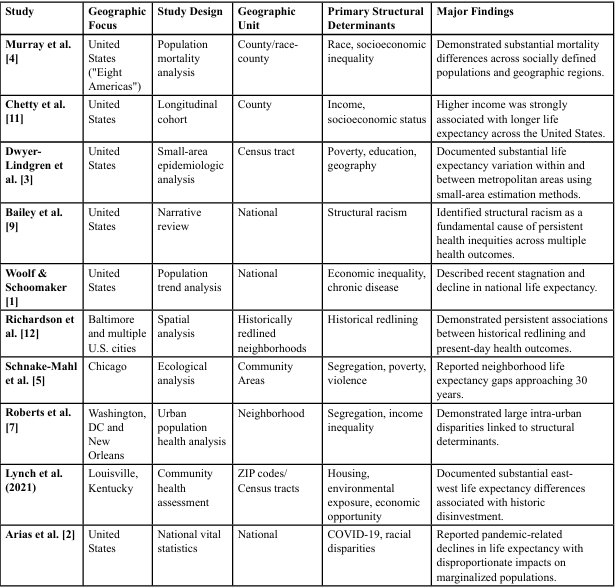
Table 1. Summary of Key Studies Included in the Integrative Review
Cross-City Comparisons
Large metropolitan areas across the US consistently exhibit pronounced neighborhood-level differences in life expectancy. While the magnitude of disparities varies by city, common patterns emerge, particularly in communities shaped by historical segregation, deindustrialization, housing inequities, and persistent socioeconomic deprivation.
Chicago has become one of the most widely cited examples in the literature due to the extraordinary disparities observed between neighborhoods on the city’s North Side and those on the South and West Sides. Residents of affluent neighborhoods such as Streeterville and the Loop may experience life expectancies exceeding 85 years, whereas residents of neighborhoods such as Englewood may experience life expectancies closer to 60 years, producing gaps approaching 30 years [5]. These disparities align closely with patterns of racial segregation, concentrated poverty, violence exposure, and chronic disease prevalence.
Similarly, Washington, D.C. exhibits one of the most dramatic intra-urban mortality gradients in the country. Neighborhoods in Northwest D.C., characterized by higher income levels and educational attainment, report substantially longer life expectancy than neighborhoods east of the Anacostia River, where historical disinvestment and structural inequities have contributed to elevated rates of cardiovascular disease, diabetes, and premature mortality [7].
In New York City, borough-level and neighborhood-level analyses demonstrate substantial variability in life expectancy associated with income inequality, housing quality, and healthcare access [13]. Communities in Manhattan and portions of Queens often report life expectancies exceeding 85 years, whereas some neighborhoods in the Bronx experience averages closer to the mid-70s. Similar patterns have been documented in Baltimore, Philadelphia, Detroit, and New Orleans, where neighborhood mortality reflects the long-term effects of industrial decline, disinvestment, environmental exposure, and social fragmentation.
Importantly, these disparities are not confined to the nation’s largest metropolitan areas as displayed below in Table 2. Mid-sized cities, including Louisville, Kentucky, also demonstrate pronounced neighborhood-level inequities. Public health reports from Louisville Metro and the University of Louisville Center for Health Equity have identified substantial differences in life expectancy between [14]. These patterns have been linked to disparities in housing conditions, transportation infrastructure, environmental exposure, food access, and economic opportunity.
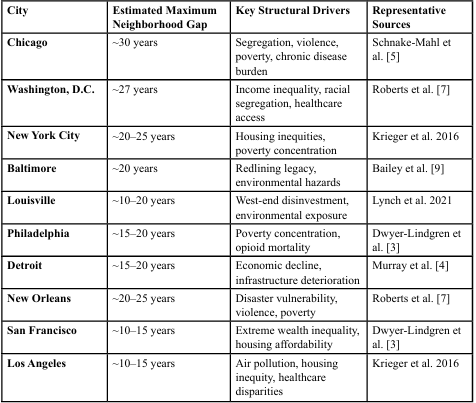
Table 2. Selected U.S. Cities with Documented Neighborhood-Level Life Expectancy Disparities
Magnitude and Geographic Patterning of Disparities
The magnitude of intra-urban life expectancy variation in the US is substantial. Across many cities, neighborhood-level differences frequently range between 10 and 20 years, while some cities report disparities exceeding 25 years. These differences are often spatially clustered and geographically persistent, suggesting the influence of deeply embedded structural and historical determinants rather than temporary fluctuations.
Neighborhoods with lower life expectancy consistently demonstrate higher poverty rates, lower educational attainment, greater unemployment, reduced home ownership, increased environmental hazards, limited healthcare access, and higher exposure to crime [8,13,15]. These factors rarely operate independently. Instead, they interact synergistically to produce cumulative disadvantage across the life course [8]. For example, neighborhoods with concentrated poverty often experience reduced access to healthy foods, diminished investment in parks and recreational infrastructure, underperforming schools, and elevated exposure to air pollution and violence. Collectively, these conditions contribute to higher prevalence of chronic disease, increased psychosocial stress, and elevated mortality risk.
Geographic analyses also reveal strong overlap between current life expectancy patterns and historical redlining maps established during the 1930s through the Home Owners’ Loan Corporation (HOLC). Geographic analyses also reveal strong overlap between current life expectancy patterns and historical redlining maps established during the 1930s through the Home Owners' Loan Corporation (HOLC). Neighborhoods historically designated as "hazardous" for investment, disproportionately communities of color, continue to exhibit lower life expectancy decades later [12]. This persistence highlights the enduring impact of structural racism on urban health outcomes. Table 3 summarizes the structural characteristics consistently associated with neighborhoods exhibiting higher and lower life expectancy across the reviewed literature.
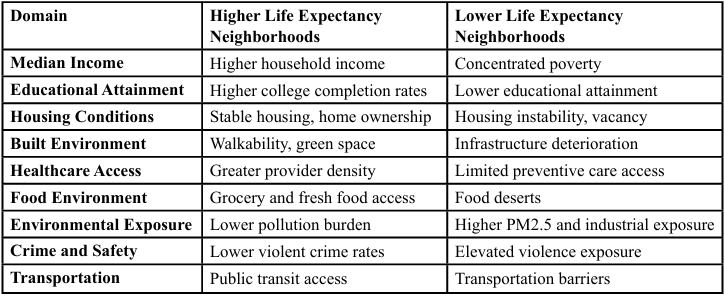
Table 3. Common Structural Characteristics of Neighborhoods with Higher and Lower Life Expectancy
Measurement Approaches and Methodological Considerations
Advances in population health analytics have significantly improved the ability to measure neighborhood-level life expectancy. Traditional mortality analyses often relied on county-level data, which can mask substantial heterogeneity within metropolitan areas. More recent studies employ census tract-level analyses, geospatial mapping techniques, and linked mortality databases to estimate life expectancy at much finer geographic resolution [3].
One of the most influential efforts in this area has been the U.S. Small- Area Life Expectancy Estimates Project (USALEEP), developed through collaboration between the Centers for Disease Control and Prevention and academic researchers. USALEEP provides census tract-level life expectancy estimates across the US and has become a foundational resource for urban health equity research.
Despite methodological advancements, several limitations remain. Variability in geographic units of analysis, differing mortality estimation techniques, and inconsistent temporal periods complicate direct comparisons across cities. Additionally, smaller geographic units may experience statistical instability due to low population counts or limited mortality events. Researchers must therefore balance geographic precision with statistical reliability.
Nevertheless, the growing availability of geospatial health data has substantially strengthened the evidence base surrounding urban life expectancy disparities. These methodologies increasingly support targeted public health interventions, precision population health initiatives, and neighborhood-level policy planning.
Structural Determinants of Disparities
A consistent finding across the urban health literature is that neighborhood-level life expectancy disparities are not random but are systematically patterned by structural determinants that shape exposure to risk and access to protective resources across the life course [8,9]. These determinants operate across multiple domains, including economic conditions, racialized spatial organization, healthcare access, environmental exposures, and social context [15]. Importantly, these factors are interdependent and mutually reinforcing, producing cumulative disadvantage that manifests in substantial differences in morbidity and mortality across neighborhoods [8].
Socioeconomic Status and Income Inequality
Socioeconomic status (SES) represents one of the most robust and consistently observed predictors of life expectancy [8,11]. A large- scale analysis of U.S. tax and mortality data by Chetty et al. [11] demonstrated a steep and continuous gradient between income and life expectancy, with individuals in the highest income percentiles living, on average, 10–15 years longer than those in the lowest percentiles. Importantly, this gradient persists across geographic areas, indicating that both individual income and area-level socioeconomic context contribute to health outcomes.
At the neighborhood level, concentrated poverty amplifies these effects through multiple mechanisms. First, lower-income communities often experience reduced access to material resources, including high-quality education, employment opportunities, nutritious food, and stable housing. Second, chronic exposure to economic insecurity generates sustained psychosocial stress, which has been linked to dysregulation of neuroendocrine and cardiovascular systems, increasing the risk of hypertension, cardiovascular disease, and premature mortality [16].
Income inequality within cities further exacerbates disparities by shaping the distribution of public and private investment. Highly unequal urban environments tend to exhibit spatial polarization, where affluent neighborhoods accumulate resources and infrastructure, while disadvantaged areas experience underinvestment. This dynamic contributes to divergent health trajectories across neighborhoods, even within the same metropolitan area [17].
Racial Segregation and Structural Racism
Racial segregation and structural racism are central drivers of urban life expectancy disparities in the US [9]. Historical policies, particularly those associated with redlining and discriminatory housing practices, have produced enduring patterns of residential segregation that continue to shape health outcomes decades later [12]. Areas that were historically graded as “hazardous” for investment by the Home Owners’ Loan Corporation (HOLC) are disproportionately inhabited by racial and ethnic minority populations and are associated with higher rates of chronic disease and lower life expectancy [12].
Segregation operates through multiple pathways. It concentrates poverty, limits access to high-quality schools and employment opportunities, and increases exposure to environmental hazards and neighborhood disorder. Empirical studies have demonstrated strong correlations between measures of segregation, such as the index of dissimilarity, and mortality outcomes, particularly among Black populations [18].
Structural racism also manifests in differential access to healthcare, criminal justice disparities, and inequitable distribution of public services. These systemic inequities produce cumulative health disadvantages across the life course and contribute to persistent racial gaps in life expectancy that cannot be explained solely by individual level behaviors [9].
Healthcare Access and Quality
Access to healthcare services and the quality of care delivered represent important, though not exclusive, determinants of life expectancy [19]. Urban areas frequently exhibit spatial mismatches between healthcare supply and population need, with medically underserved neighborhoods experiencing shortages of primary care providers, specialists, and preventive services [19].
Insurance coverage disparities further compound these access issues [19]. Individuals residing in lower-income neighborhoods are more likely to be uninsured or underinsured, limiting their ability to access timely and appropriate care. Even among insured populations, differences in provider networks, transportation barriers, and healthcare system navigation challenges can reduce effective access to care.
Quality of care also varies across healthcare institutions serving different populations [20]. Safety-net hospitals, which disproportionately serve low-income and minority populations, often operate with fewer resources and face greater financial constraints, potentially affecting care delivery and outcomes [20]. While healthcare access is a critical factor, it is important to note that medical care accounts for only a portion of health outcomes, with estimates suggesting that social and environmental determinants play a substantially larger role [21].
Built Environment and Neighborhood Conditions
The built environment encompasses the physical and social characteristics of neighborhoods that influence health behaviors and exposures [15,22]. Differences in housing quality, infrastructure, food access, transportation systems, neighborhood safety, and access to green space contribute significantly to variation in life expectancy [22]. Housing conditions are particularly important [6]. Substandard housing, characterized by structural deficiencies, overcrowding, and exposure to environmental hazards such as lead or mold, is associated with increased risk of respiratory illness, injury, and chronic disease [6]. Housing instability and eviction further exacerbate health risks by disrupting social networks, increasing psychosocial stress, and reducing continuity of healthcare [23].
Food environments also vary markedly across neighborhoods. Areas commonly referred to as “food deserts” lack access to affordable, nutritious foods, contributing to higher rates of obesity, diabetes, and cardiovascular disease. Conversely, neighborhoods with access to grocery stores, farmers’ markets, and healthy food options are associated with better health outcomes [24,25].
Walkability and access to green space influence physical activity levels and mental health. Neighborhoods with safe, well-maintained sidewalks, parks, and recreational facilities promote active lifestyles, while areas lacking such infrastructure may discourage physical activity [26]. Additionally, exposure to crime and violence has both direct and indirect health effects, including injury, trauma, and chronic stress, all of which contribute to reduced life expectancy [15].
Environmental Exposures
Environmental factors represent a critical and often underappreciated determinant of life expectancy disparities [27]. Urban neighborhoods differ significantly in exposure to air pollution, industrial hazards, and climate-related risks, with disadvantaged communities disproportionately affected. Fine particulate matter (PM2.5) exposure has been strongly linked to increased mortality from cardiovascular and respiratory diseases. Studies have demonstrated that even small increases in PM2.5 concentrations are associated with measurable reductions in life expectancy [27]. Industrial zoning practices and proximity to highways or manufacturing facilities contribute to higher pollution levels in low-income and minority neighborhoods.
Urban heat islands, characterized by higher temperatures in densely built environments with limited green space, also disproportionately affect disadvantaged communities [22]. Heat exposure increases the risk of heat-related illness and exacerbates existing chronic conditions, particularly among older adults and individuals with limited access to air conditioning [22,28]. Environmental injustice, defined as the unequal distribution of environmental risks across populations, is a key mechanism linking environmental exposures to health disparities. These exposures interact with other structural determinants, compounding health risks and contributing to shorter life expectancy in affected communities.
Behavioral and Psychosocial Factors
Behavioral risk factors, including smoking, dietary patterns, and physical activity, are often cited as proximal determinants of health outcomes [29]. However, a growing body of evidence emphasizes that these behaviors are not solely the result of individual choice but are shaped by broader social and environmental contexts [29].
For example, smoking prevalence is higher in communities with elevated stress levels, targeted tobacco marketing, and limited access to cessation resources. Similarly, dietary behaviors are influenced by food availability, affordability, and cultural factors, while physical activity is shaped by neighborhood safety and built environment characteristics.
Psychosocial stress represents a critical pathway linking structural determinants to health outcomes. Chronic exposure to stressors such as financial insecurity, discrimination, and neighborhood violence can lead to allostatic load, a cumulative physiological burden that increases the risk of chronic disease and premature mortality [30].
Importantly, these behavioral and psychosocial factors should be understood as mediators rather than primary causes of life expectancy disparities. Interventions focused solely on individual behavior change are unlikely to substantially reduce disparities without addressing the underlying structural conditions that constrain health-promoting choices.
Case-Based Synthesis of Selected Cities
To contextualize the structural determinants discussed above, this section synthesizes evidence from selected U.S. cities that exemplify the magnitude and mechanisms of neighborhood-level life expectancy disparities. These cases were selected to reflect geographic diversity, variation in population size, and differences in historical and policy contexts. Collectively, they illustrate how structural inequities manifest in distinct but comparable spatial patterns across urban environments.
Chicago
Chicago represents one of the most frequently cited and empirically documented examples of extreme intra-urban life expectancy disparity in the US. The city exhibits a pronounced north–south gradient, with affluent neighborhoods on the North Side reporting life expectancies exceeding 85 years, while predominantly Black neighborhoods on the South and West Sides report life expectancies closer to 60–65 years, producing gaps approaching 30 years [5].
These disparities are closely aligned with patterns of racial residential segregation and concentrated economic disadvantage. Historical redlining, disinvestment, and industrial restructuring have contributed to persistent neighborhood-level inequalities in income, employment, housing quality, and environmental exposure. Additionally, Chicago’s disparities are compounded by elevated rates of violence and chronic disease in disadvantaged communities, reinforcing cumulative health risk across the life course [9].
Louisville
Louisville provides a critical mid-sized city case that demonstrates the generalizability of urban health disparities beyond large metropolitan areas. The city exhibits a well-documented east–west divide, with lower life expectancy concentrated in West Louisville, a region historically affected by redlining, industrial zoning, and infrastructural disinvestment.
Neighborhoods in West Louisville experience higher exposure to environmental hazards, including air pollution from industrial corridors, as well as limited access to healthcare services, healthy food options, and economic opportunities. These conditions are associated with elevated rates of cardiovascular disease, diabetes, and premature mortality.
Local health equity initiatives, including efforts led by the University of Louisville Center for Health Equity and Metro Public Health, have sought to address these disparities through community- based interventions, environmental remediation, and cross-sector partnerships. However, persistent structural inequities continue to shape health outcomes, underscoring the need for sustained policy intervention.
New York City
New York City exhibits substantial variation in life expectancy across boroughs and neighborhoods, despite having one of the highest overall life expectancies in the US. Life expectancy in Manhattan and parts of Queens exceeds 85 years, while neighborhoods in the Bronx report averages in the mid-70s, reflecting disparities of approximately 10–15 years.
These disparities are strongly associated with income inequality, housing conditions, and access to healthcare services. The Bronx, for example, has among the highest poverty rates in the city and experiences elevated rates of chronic disease, including asthma, diabetes, and cardiovascular conditions. Overcrowded housing, limited access to green space, and environmental exposures further contribute to adverse health outcomes.
New York City’s experience highlights the interaction between urban density, housing policy, and health, demonstrating how even cities with extensive healthcare infrastructure can exhibit substantial intra-urban disparities when structural inequities persist.
Baltimore
Baltimore exemplifies the long-term health impacts of structural racism and historical redlining. Neighborhoods that were historically designated as high-risk for investment continue to exhibit lower life expectancy, higher rates of chronic disease, and increased exposure to environmental hazards [12].
Life expectancy differences of 15–20 years have been documented between predominantly Black neighborhoods in West and East Baltimore and more affluent, predominantly white neighborhoods in other parts of the city. These disparities are associated with concentrated poverty, housing vacancy, limited access to healthcare, and exposure to violence.
Baltimore’s case underscores the persistence of structural inequities over time and the importance of addressing historical policy decisions in contemporary public health interventions.
San Francisco
San Francisco presents a paradoxical case in which high overall life expectancy coexists with significant neighborhood-level disparities. While the city ranks among the highest in life expectancy nationally, differences of 10–15 years persist between affluent neighborhoods and lower-income communities, including areas such as Bayview Hunters Point.
These disparities are driven by extreme income inequality, housing affordability challenges, and environmental exposures. Rapid economic growth associated with the technology sector has intensified spatial polarization, contributing to displacement and housing instability among lower-income populations [3].
San Francisco illustrates how high-resource urban environments are not immune to health inequities and, in some cases, may exacerbate disparities through uneven economic development.
Washington
Washington, D.C. demonstrates one of the steepest intra-urban life expectancy gradients in the US, with differences exceeding 25 years between neighborhoods. Residents in affluent Northwest D.C. experience life expectancies comparable to the highest in the nation, while residents east of the Anacostia River experience substantially shorter lifespans [7].
These disparities reflect pronounced income inequality, racial segregation, and differential access to healthcare, education, and employment opportunities. The city’s spatial divide is reinforced by historical disinvestment and ongoing socioeconomic stratification.
New Orleans
New Orleans provides an important case illustrating the interaction between structural inequality and environmental vulnerability. Life expectancy disparities of 20–25 years have been documented across neighborhoods, with lower life expectancy concentrated in areas with higher poverty rates and greater exposure to environmental risk [7].
The legacy of Hurricane Katrina continues to shape health outcomes, as neighborhoods with limited resources have experienced slower recovery and persistent infrastructural challenges. High rates of violence, chronic disease, and limited healthcare access further contribute to mortality disparities.
Detroit
Detroit exemplifies the health consequences of long-term economic decline and deindustrialization. The city has experienced substantial population loss, reduced tax base, and deterioration of infrastructure, all of which have contributed to neighborhood-level disparities in life expectancy of approximately 15–20 years [4].
Disparities in Detroit are associated with high unemployment, housing vacancy, limited healthcare access, and environmental contamination. These factors interact to produce elevated rates of chronic disease and premature mortality in disadvantaged communities.
Philadelphia
Philadelphia exhibits significant life expectancy variation across neighborhoods, with disparities of 15–20 years linked to poverty concentration, housing instability, and the opioid epidemic [3]. The city has experienced high rates of overdose mortality, which has contributed to declining life expectancy in certain communities.
Spatial patterns of disadvantage align closely with racial segregation and historical disinvestment, reinforcing structural inequities across neighborhoods.
Synthesis Across Cases
Across these cities, several consistent patterns emerge:
1. Spatial Clustering of Disadvantage
Low life expectancy neighborhoods are geographically concentrated and often correspond to historically marginalized communities.
2. Alignment with Structural Determinants
Disparities are consistently associated with socioeconomic inequality, racial segregation, environmental exposure, and healthcare access.
3. Persistence Over Time
Many disparities reflect long-standing structural conditions rather than short-term fluctuations.
4. Cross-City Generalizability
Despite differences in geography and population, similar mechanisms produce comparable outcomes across urban contexts.
These findings reinforce the conclusion that urban life expectancy disparities are not isolated phenomena but represent a systemic feature of U.S. cities shaped by structural and policy-driven determinants.
Policy and Intervention Landscape
Reducing neighborhood-level life expectancy disparities requires coordinated, multi-level interventions that extend beyond the healthcare sector to address upstream determinants of health. The evidence consistently demonstrates that isolated clinical interventions are insufficient to meaningfully reduce disparities without concurrent investments in social, environmental, and economic conditions [21]. This section synthesizes key policy and intervention domains, highlighting approaches that have demonstrated measurable impact or strong theoretical grounding in the literature.
Public Health Interventions
Community Health Worker Programs
Community health worker (CHW) programs have emerged as a scalable and cost-effective strategy to address disparities in underserved urban populations. CHWs serve as culturally competent intermediaries between healthcare systems and communities, facilitating access to care, improving health literacy, and supporting chronic disease management.
Empirical evidence indicates that CHW interventions can significantly improve outcomes in areas such as diabetes control, hypertension management, and preventive screening uptake, particularly among low-income and minority populations [31]. In urban settings characterized by fragmented healthcare access, CHWs also play a critical role in addressing social needs, including housing instability and food insecurity, which are closely linked to health outcomes.
From a financial perspective, CHW programs have demonstrated favorable return on investment (ROI). Some studies report cost savings through reduced emergency department utilization and hospital admissions, particularly in high-risk populations [32]. These findings suggest that CHW programs can serve as a bridge between clinical care and social determinants, improving both population health and system efficiency.
Preventive Care Expansion
Expansion of preventive services represents a foundational strategy for improving life expectancy, particularly in underserved urban populations. Preventive care includes primary care access, vaccination programs, cancer screening, and early detection of chronic diseases.
Evidence from Medicaid expansion under the Affordable Care Act (ACA) demonstrates increased access to preventive services, improved self-reported health, and reductions in mortality among low-income populations [33]. Preventive interventions are particularly impactful when targeted to high-risk neighborhoods, where delayed diagnosis and untreated chronic conditions contribute to premature mortality.
However, preventive care expansion alone is insufficient without addressing barriers such as transportation, provider availability, and trust in healthcare systems. Integrating preventive services with community-based outreach and culturally tailored interventions enhances effectiveness and uptake.
Cross-Sector Strategies
Housing Policy Reforms
Housing policy is increasingly recognized as a central lever for improving population health and reducing life expectancy disparities. Stable, safe, and affordable housing reduces exposure to environmental hazards, decreases stress, and improves access to employment and education.
Interventions such as housing vouchers, supportive housing programs, and anti-eviction policies have been associated with improved health outcomes, including reductions in hospitalizations and mental health burden [23]. Additionally, efforts to remediate substandard housing conditions, including lead abatement and mold removal, have demonstrated measurable improvements in respiratory health and child development outcomes.
From a structural perspective, addressing residential segregation through inclusionary zoning and equitable housing development policies may have long-term effects on reducing spatial health inequities.
Urban Planning Initiatives
Urban planning plays a critical role in shaping the built environment and, by extension, health behaviors and exposures. Investments in walkability, public transportation, green space, and mixed-use development have been associated with increased physical activity, reduced obesity rates, and improved mental health [26].
Targeted planning interventions in disadvantaged neighborhoods, such as the development of parks, bike infrastructure, and access to healthy food retailers, can mitigate some of the environmental constraints on health-promoting behaviors. Additionally, zoning policies that limit industrial activity near residential areas can reduce exposure to environmental hazards.
Urban planning initiatives are most effective when integrated with community engagement processes, ensuring that interventions reflect local needs and priorities.
Health System Responses
Anchor Institution Strategies
Healthcare systems, particularly large hospital networks, are increasingly adopting “anchor institution” strategies to address social determinants of health within their communities. As major employers and economic actors, health systems can influence local economic conditions through hiring practices, procurement policies, and community investment.
Anchor strategies include local hiring initiatives, support for minority-owned businesses, and investment in affordable housing and community infrastructure. These approaches aim to improve upstream determinants of health by strengthening local economies and reducing socioeconomic disparities.
For example, health systems in cities such as Cleveland and Philadelphia have implemented anchor strategies that prioritize community wealth-building, demonstrating potential for long-term impact on population health outcomes.
Population Health Management Models
Population health management (PHM) models represent a shift from volume-based care to value-based care, emphasizing prevention, care coordination, and management of high-risk populations. PHM approaches leverage data analytics to identify geographic “hotspots” of high utilization and poor outcomes, enabling targeted interventions.
Programs such as accountable care organizations (ACOs) and integrated delivery systems have demonstrated improvements in care quality and cost containment, particularly when combined with social needs screening and intervention [34]. Advanced PHM models increasingly incorporate geospatial analytics to align interventions with neighborhood-level disparities.
Financially, PHM models align incentives for health systems to invest in upstream determinants, as reducing hospitalizations and improving outcomes directly impacts reimbursement under value based payment structures.
Federal and State Policy Levers
Medicaid Expansion
Medicaid expansion under the ACA represents one of the most significant policy interventions affecting access to care in recent decades. Expansion has been associated with increased insurance coverage, improved access to primary care, and reductions in mortality, particularly among low-income populations residing in urban areas.
States that adopted Medicaid expansion have generally experienced greater improvements in health outcomes compared to non-expansion states, highlighting the role of policy context in shaping disparities. However, variability in implementation and reimbursement levels continues to influence the effectiveness of expansion across regions.
Place-Based Funding Initiatives
Place-based funding initiatives target resources to specific geographic areas with high levels of disadvantage. Programs such as Promise Zones, Opportunity Zones, and community development block grants aim to stimulate economic development, improve infrastructure, and enhance access to services in underserved communities.
Evidence suggests that place-based interventions can produce localized improvements in health outcomes when investments are sustained and coordinated across sectors [35]. However, the effectiveness of these initiatives depends on governance structures, community engagement, and alignment with local needs.
From a policy perspective, place-based approaches represent a shift toward recognizing geography as a key determinant of health and allocating resources accordingly.
Synthesis and Strategic Implications
Across intervention domains, several cross-cutting insights emerge:
1. Upstream Investment Yields Greater Impact
Interventions targeting housing, economic stability, and environmental conditions often produce larger and more sustained improvements in life expectancy than clinical interventions alone.
2. Integration Is Essential
The most effective strategies combine healthcare delivery with social and environmental interventions, reflecting the interconnected nature of health determinants.
3. Geographic Targeting Enhances Efficiency
Place-based approaches allow for more precise resource allocation to high-need communities, improving both effectiveness and return on investment.
4. Policy Context Matters
Federal and state policies shape the availability of resources and the feasibility of interventions, influencing outcomes at the local level.
Collectively, these findings suggest that reducing urban life expectancy disparities requires a coordinated policy framework that aligns healthcare systems, public health agencies, and cross-sector partners around shared population health goals.
Emerging Trends and Innovations
Recent advances in data science, public health strategy, and governance models are reshaping how urban life expectancy disparities are measured, understood, and addressed. These innovations reflect a broader shift from reactive, healthcare-centered approaches toward proactive, data-driven, and community-engaged models of population health improvement. This section synthesizes key emerging trends that are likely to influence the next generation of interventions targeting neighborhood-level disparities.
Data and Analytics
Geospatial Analytics and Big Data Integration
The increasing availability of high-resolution health and socioeconomic data has enabled the application of advanced geospatial analytics to urban health disparities. Platforms such as Health Catalyst and similar analytics ecosystems integrate electronic health records (EHRs), claims data, public health datasets, and social determinants of health (SDOH) indicators to identify geographic patterns of risk and utilization.
Geospatial mapping at the census tract or ZIP code level allows health systems and public health agencies to identify “hotspots” of elevated mortality, chronic disease burden, and healthcare utilization. These tools support targeted interventions by aligning resources with areas of greatest need, improving both effectiveness and efficiency [13].
From a financial perspective, data-driven targeting has been associated with improved return on investment by reducing unnecessary hospitalizations and focusing interventions on high-risk populations. Health systems leveraging predictive analytics report reductions in avoidable utilization ranging from 5 to 15 percent in targeted populations.
Real-Time Population Health Dashboards
A significant innovation in population health management is the development of real-time dashboards that integrate clinical, environmental, and social data streams. These dashboards enable continuous monitoring of key health indicators, including hospitalization rates, disease prevalence, and mortality trends at the neighborhood level.
Public health agencies and integrated delivery systems increasingly use dashboards to guide rapid-cycle decision-making, enabling dynamic resource allocation during public health crises such as COVID-19. Real-time data systems also enhance accountability by providing transparent metrics for evaluating the impact of interventions.
The shift toward real-time analytics represents a departure from traditional retrospective public health reporting. It aligns with the broader movement toward learning health systems, in which data continuously inform practice and policy [36].
Precision Public Health
Precision public health extends the principles of precision medicine to population-level interventions, emphasizing the use of granular data to tailor strategies to specific communities. Rather than applying uniform interventions across entire cities, precision approaches target interventions at the census tract or neighborhood level, where disparities are most pronounced.
This approach leverages geospatial data, predictive modeling, and machine learning to identify populations at highest risk and to design interventions that reflect local context. For example, targeted vaccination campaigns, chronic disease management programs, and environmental remediation efforts can be deployed in neighborhoods with the greatest need.
Evidence suggests that precision targeting improves intervention efficiency by reducing resource waste and increasing uptake among high-risk populations [37]. However, it also raises important considerations related to data privacy, algorithmic bias, and equitable resource allocation.
Community-Based Participatory Approaches
A growing body of literature emphasizes the importance of community-based participatory research (CBPR) and governance models in addressing urban health disparities. These approaches involve community members as active partners in the design, implementation, and evaluation of interventions, rather than as passive recipients of services.
CBPR frameworks have been associated with increased intervention effectiveness, greater trust in public health institutions, and more sustainable outcomes [38]. In urban contexts characterized by historical mistrust and systemic inequities, community engagement is particularly critical.
Emerging models of community governance include:
• Community advisory boards integrated into health system decision-making
• Participatory budgeting processes for public health funding
• Local health equity coalitions that coordinate cross-sector interventions
These approaches shift power dynamics and align interventions with community-defined priorities, which are essential for addressing complex, deeply rooted structural determinants.
Contrarian Insight: Limits of Healthcare-Centric Models
A critical and increasingly recognized insight in the literature is that overreliance on healthcare delivery interventions may yield diminishing returns in addressing life expectancy disparities. While healthcare access and quality are important, they account for only a fraction of overall health outcomes. Estimates suggest that clinical care contributes approximately 10 to 20 percent of health outcomes, whereas social, economic, and environmental factors account for a substantially larger share [21].
This has significant implications for policy and resource allocation. Investments in healthcare infrastructure alone, particularly in already resource-rich urban areas, may yield only marginal improvements in population health compared with investments in housing, education, income support, and environmental remediation.
Emerging evidence supports the cost-effectiveness of upstream interventions. For example:
• Housing interventions have been associated with reductions in healthcare utilization and costs
• Income support programs correlate with improved mortality outcomes
• Environmental improvements yield long-term gains in life expectancy
This contrarian perspective challenges traditional healthcare-centric paradigms and supports reallocating resources toward upstream determinants. It also aligns with the concept of “health in all policies,” which integrates health considerations into decision-making across sectors.
Synthesis and Future Directions
The convergence of data analytics, precision targeting, and community engagement represents a paradigm shift in addressing urban health disparities. Key strategic implications include:
1. Data-Driven Targeting Enhances Impact
High-resolution data enables more precise identification of at-risk populations and more efficient resource allocation.
2. Integration of Technology and Public Health Practice
Real-time analytics and predictive modeling are transforming population health management into a continuous, adaptive process.
3. Community Engagement Is Foundational
Sustainable interventions require meaningful participation from affected communities.
4. Upstream Investment Is Critical
Addressing structural determinants offers greater long-term impact than expanding clinical care alone.
Future research should focus on evaluating the long-term effectiveness and scalability of these innovations, particularly in diverse urban contexts. Additionally, integrating ethical considerations related to data use and community autonomy will be essential as these approaches continue to evolve.
Discussion
The findings synthesized across the reviewed literature demonstrate remarkable consistency despite differences in geography, study design, and analytic methods. Across large metropolitan areas and mid-sized cities alike, neighborhood-level life expectancy disparities were consistently associated with structural determinants, including socioeconomic inequality, residential segregation, environmental exposures, and differential access to community resources. These findings reinforce the conclusion that urban health disparities are systemic rather than isolated phenomena and that meaningful improvements in life expectancy will require coordinated, multi- sector strategies addressing upstream determinants of health.
Gaps in the Literature
Despite substantial advances in understanding neighborhood level disparities in life expectancy, important limitations remain in the existing research. These gaps constrain the ability to generate causal inferences, compare findings across settings, and design scalable, evidence-based interventions. Addressing these limitations is essential for advancing both scholarly inquiry and practical policy solutions.
Limited Longitudinal Evidence on Intervention Impact
A primary limitation in the literature is the relative scarcity of longitudinal studies evaluating the impact of interventions on life expectancy disparities over time. Much of the existing research is cross-sectional or ecological in design, identifying associations between neighborhood characteristics and mortality outcomes without establishing causal pathways or temporal dynamics [39].
While cross-sectional analyses provide valuable insight into the spatial distribution of disparities, they are inherently limited in their ability to assess whether specific interventions, such as housing policy reforms, healthcare access expansion, or environmental remediation, produce sustained improvements in life expectancy. Longitudinal cohort studies and quasi-experimental designs remain underutilized, particularly in evaluating place-based interventions.
Moreover, life expectancy itself is a long-term outcome that evolves over decades, making it difficult to capture intervention effects within typical study timeframes. As a result, researchers often rely on intermediate indicators, such as hospitalization rates or disease prevalence, which may not fully reflect long-term mortality outcomes. This disconnect highlights the need for sustained data infrastructure capable of tracking population health changes over extended periods [40].
Underrepresentation of Mid-Sized Cities
The literature on urban life expectancy disparities is heavily concentrated on large metropolitan areas such as New York City, Chicago, and Los Angeles. While these cities provide valuable case studies, this concentration limits the generalizability of findings to the broader range of U.S. urban contexts.
Mid-sized cities, including those in the Midwest and South, often exhibit substantial health disparities but are underrepresented in empirical research. These cities frequently have distinct economic histories, governance structures, and demographic profiles, including higher reliance on manufacturing, smaller tax bases, and different patterns of segregation and disinvestment.
The relative lack of research on mid-sized cities creates a critical blind spot in the literature. It also limits the development of tailored policy solutions, as interventions effective in large, resource-rich cities may not translate directly to smaller urban environments with fewer institutional and financial resources.
Expanding research to include a more diverse set of cities would improve external validity and provide a more comprehensive understanding of the structural determinants of life expectancy disparities across the US.
Inconsistent Measurement Methodologies
Another significant challenge in the literature is the lack of standardized methodologies for measuring life expectancy and related outcomes at the neighborhood level. Studies vary widely in their use of geographic units, including census tracts, ZIP codes, community areas, and counties, each with different implications for data interpretation and comparability.
In addition, differences in mortality estimation techniques, population denominators, and data sources contribute to variability across studies. For example, some analyses rely on small-area estimation models, while others use direct calculation methods based on vital statistics. These methodological differences can produce variation in reported life expectancy estimates, even within the same geographic area [3].
Temporal inconsistencies further complicate comparisons, as studies may examine different time periods or fail to account for population shifts, migration patterns, and demographic changes. The absence of standardized reporting frameworks limits the ability to synthesize findings across studies and undermines efforts to establish benchmarks for policy evaluation.
Developing consensus around measurement approaches, including standardized geographic units and analytic techniques, would enhance comparability and strengthen the evidence base for urban health disparities research.
Limited Integration Across Disciplines
Urban life expectancy disparities are inherently multidisciplinary, shaped by interactions among social, economic, environmental, and healthcare systems. However, the literature remains fragmented across disciplinary silos, including public health, urban planning, economics, and sociology.
Public health research often emphasizes epidemiological patterns and health behaviors. At the same time, urban planning studies focus on the built environment and land use, and economic analyses examine labor markets and income inequality. Although each perspective provides valuable insight, the lack of integration across disciplines limits the development of comprehensive frameworks that capture the full complexity of urban health disparities [8].
This fragmentation also affects policy development, as interventions are frequently designed and implemented within sector-specific boundaries rather than through coordinated, cross-sector strategies. For example, housing policy decisions may be made without explicit consideration of health outcomes, while healthcare interventions may not address underlying economic or environmental determinants.
Advancing the field will require greater interdisciplinary collaboration, including the integration of data systems, theoretical frameworks, and analytic methods. Emerging approaches such as systems science modeling, urban health ecosystem frameworks, and “health in all policies” initiatives offer promising pathways to bridge these disciplinary divides.
Synthesis and Research Agenda
Collectively, these gaps highlight several priorities for future research:
1. Expansion of Longitudinal and Quasi-Experimental Designs
Greater use of natural experiments, policy evaluations, and cohort studies to assess causal relationships and long-term impacts.
2. Inclusion of Diverse Urban Contexts
Increased focus on mid-sized and smaller cities to enhance generalizability and policy relevance.
3. Standardization of Measurement Approaches
Development of consistent geographic units, analytic methods, and reporting standards for neighborhood-level life expectancy.
4. Interdisciplinary Integration
Collaboration across public health, urban planning, economics, and related fields to develop comprehensive models of health disparities.
Addressing these gaps will not only strengthen the scientific foundation of the field but also enhance policymakers' and practitioners' ability to design effective interventions that reduce life expectancy disparities across urban populations.
Implications for Practice and Policy
The evidence synthesized in this review demonstrates that neighborhood-level life expectancy disparities are driven by structural determinants that extend beyond traditional healthcare delivery boundaries. Accordingly, meaningful reductions in disparities require coordinated action across healthcare leadership, public health systems, and the research community. This section outlines key implications for each domain, emphasizing strategic shifts, operational models, and investment priorities for the future.
Implications for Healthcare Leaders
Shift from Clinical Care to Population Health Management
Healthcare leaders must continue the transition from volume-based, episodic care toward population health management (PHM) models that emphasize prevention, risk stratification, and longitudinal outcomes. Traditional care delivery models, which focus on treating illness after onset, are insufficient to address the upstream drivers of life expectancy disparities.
Population health management approaches leverage data analytics to identify high-risk populations and geographic “hotspots,” enabling targeted interventions that address both medical and social needs. Evidence from accountable care organizations (ACOs) and integrated delivery systems suggests that PHM models can reduce hospitalizations, improve chronic disease management, and lower costs when aligned with value-based payment structures [34].
From a financial perspective, the shift toward PHM is increasingly supported by reimbursement models that reward outcomes rather than service volume. Health systems that effectively manage population health can achieve cost savings through reduced utilization, with some programs reporting reductions in avoidable admissions of 10 20 percent.
Integration of Social Determinants into Care Models
Healthcare organizations must incorporate social determinants of health (SDOH) into clinical workflows, recognizing that factors such as housing, food security, transportation, and income stability significantly influence health outcomes. Screening for social needs, integrating SDOH data into electronic health records, and developing referral pathways to community resources are critical components of this integration.
Emerging models include:
• Co-located social services within healthcare settings
• Partnerships with community-based organizations
• Investment in housing and economic development initiatives
These approaches align with the broader movement toward “whole person care,” which integrates medical and social services to improve outcomes. Evidence suggests that addressing social needs can reduce healthcare utilization and improve patient outcomes, particularly in high-risk populations [41].
Implications for Public Health Systems
Investment in Upstream Determinants
Public health systems must prioritize investments in upstream determinants of health, including housing, education, economic stability, and environmental conditions. While healthcare access remains important, the literature consistently demonstrates that social and environmental factors account for a larger share of health outcomes [21].
Strategic investment areas include:
• Affordable housing development and stabilization programs
• Environmental remediation and pollution reduction
• Food system improvements in underserved neighborhoods
• Workforce development and economic opportunity initiatives
These investments require long-term commitment and cross-sector coordination but offer the potential for substantial improvements in population health and reductions in life expectancy disparities.
Cross-Sector Collaboration
Addressing urban health disparities necessitates collaboration across sectors, including healthcare, housing, transportation, education, and economic development. Public health agencies are uniquely positioned to serve as conveners, aligning stakeholders around shared goals and coordinating interventions across systems.
Successful cross-sector models often include:
• Health impact assessments integrated into urban planning
• Multi-agency task forces focused on health equity
• Data-sharing agreements across institutions
• Joint funding mechanisms for place-based interventions
Evidence suggests that collaborative approaches are more effective than siloed interventions, particularly when addressing complex, multi-factorial determinants of health [8].
Implications for Researchers
Expansion of Mixed-Methods and Longitudinal Designs
The research community must prioritize methodological approaches that capture both the complexity and temporal dynamics of life expectancy disparities. Mixed-methods designs, which integrate quantitative analysis with qualitative insights, can provide a more comprehensive understanding of how structural determinants influence health outcomes.
Longitudinal and quasi-experimental designs are particularly important for evaluating the impact of interventions over time. Natural experiments, such as policy changes or large-scale urban development initiatives, offer valuable opportunities to assess causal relationships in real-world settings [40].
Additionally, greater use of systems science approaches, including agent-based modeling and simulation, can help researchers understand the interactions among multiple determinants and predict the potential impact of interventions.
Standardization of Neighborhood-Level Metrics
A critical priority for advancing the field is the development of standardized metrics for measuring life expectancy and related outcomes at the neighborhood level. Variability in geographic units, data sources, and analytic methods currently limits comparability across studies and hinders the synthesis of evidence.
Key areas for standardization include:
• Use of consistent geographic units, such as census tracts
• Harmonization of mortality estimation techniques
• Integration of social determinants indicators into health metrics
• Development of shared data platforms and reporting frameworks
Standardization would facilitate cross-city comparisons, improve the reliability of findings, and support the development of evidence based policy interventions.
Synthesis and Strategic Direction
Across stakeholder groups, several overarching implications emerge:
1. Reorientation Toward Prevention and Equity
Both healthcare and public health systems must prioritize prevention and address structural determinants to achieve meaningful improvements in life expectancy.
2. Data Integration as a Strategic Asset
High-resolution data and analytics are essential for identifying disparities, targeting interventions, and evaluating impact.
3. Alignment of Incentives and Policy
Financial and policy frameworks must support investments in upstream determinants and cross-sector collaboration.
4. Long-Term Commitment
Reducing life expectancy disparities requires sustained investment and coordinated action over extended time horizons.
These implications underscore the need for a paradigm shift in how health systems, policymakers, and researchers conceptualize and address urban health disparities. Moving beyond a healthcare-centric model toward an integrated, systems-based approach is essential for achieving equitable improvements in population health.
Conclusion
Neighborhood-level life expectancy disparities in urban areas of the US represent a persistent and deeply embedded structural phenomenon. The evidence synthesized in this review demonstrates that these disparities are not primarily the result of individual behaviors or isolated healthcare deficiencies, but rather reflect the cumulative impact of historical and contemporary socioeconomic inequities, including racial segregation, income inequality, environmental exposure, and uneven access to resources. These structural determinants interact across the life course to produce substantial differences in morbidity and mortality across neighborhoods, often within only a few miles of one another [8,9].
A central implication of this analysis is that conventional, healthcare-centric approaches are insufficient to meaningfully reduce life expectancy disparities. While access to high-quality clinical care remains essential, it accounts for a relatively small proportion of overall health outcomes compared to social, economic, and environmental conditions [21] Accordingly, interventions that focus exclusively on healthcare delivery are likely to yield diminishing returns unless they are integrated within broader strategies that address upstream determinants.
Effective solutions require multi-level interventions that operate simultaneously across individual, community, and structural domains. At the clinical level, population health management models and integration of social determinants into care delivery can improve outcomes among high-risk populations. At the community level, investments in housing, education, environmental quality, and economic opportunity are critical for altering the conditions that give rise to disparities. At the policy level, coordinated action across federal, state, and local governments is necessary to align incentives, allocate resources equitably, and sustain long-term improvements in population health.
Equally important is the need for policy alignment across sectors. Health outcomes are shaped by decisions in housing, transportation, urban planning, and economic development, yet these domains often operate independently of public health systems. A “health in all policies” approach, which integrates health considerations into decision-making across sectors, offers a promising framework for addressing the complex and interrelated drivers of life expectancy disparities [42].
Finally, reducing urban health disparities requires long-term investment in communities. Structural inequities that have developed over decades cannot be reversed through short-term interventions or pilot programs alone. Sustained investment in disadvantaged neighborhoods, coupled with community engagement and governance, is essential for achieving durable improvements in life expectancy. Evidence from place-based initiatives suggests that meaningful change occurs when interventions are maintained over extended periods and supported by stable funding and institutional commitment [35].
Across the literature, one finding emerges consistently regardless of city size, geographic region, or analytic methodology: neighborhood- level life expectancy disparities reflect cumulative structural disadvantage rather than isolated deficiencies in healthcare delivery. Whether examined in Chicago, Louisville, Baltimore, New York City, or other urban settings, similar combinations of residential segregation, economic inequality, environmental exposure, and uneven investment repeatedly predict markedly different life expectancies. This consistency across diverse settings suggests that durable improvements in population health will require coordinated structural interventions rather than isolated disease-specific initiatives.
In conclusion, urban life expectancy disparities reflect the broader social and economic organization of cities. Addressing these disparities demands a paradigm shift from reactive, healthcare- focused models to integrated, systems-level strategies that prioritize equity, prevention, and structural change. Future research and policy efforts must continue to refine measurement approaches, evaluate long-term intervention impacts, and develop scalable models that can be adapted across diverse urban contexts. Only through coordinated, sustained, and evidence-based action can the US achieve meaningful progress toward equitable life expectancy outcomes.
Conflicts of Interest:
The authors declare no conflicts of interest.
References
Woolf, S. H., and Schoomaker, H. (2019). “Life Expectancy and Mortality Rates in the United States, 1959–2017.” JAMA 322 (20): 1996–2016. View
Arias, E., Tejada-Vera, B., Kochanek, K. D., and Ahmad, F. B. (2022). Provisional Life Expectancy Estimates for 2021. Vital Statistics Rapid Release no. 23. Hyattsville, MD: National Center for Health Statistics. View
Dwyer-Lindgren, L., Bertozzi-Villa, A., Stubbs, R. W., Morozoff, C., Mackenbach, J. P., Lenthe, F. J., Mokdad, A . H., and Murray, C. J. L. (2017). “Inequalities in Life Expectancy Among US Counties, 1980 to 2014: Temporal Trends and Key Drivers.” JAMA Internal Medicine, 177 (7): 1003–1011. View
Murray, C. J. L., Kulkarni, S. C., and Michaud, E. (2006). “Eight Americas: Investigating Mortality Disparities Across Races, Counties, and Race-Counties in the United States.” PLoS Medicine 3 (9): e260. View
Schnake-Mahl, A. S., et al. (2020). “Spatial Inequalities in Life Expectancy in US Cities.” Journal of Urban Health, 97 (3): 319–332.
Krieger, N., and Higgins, D. L. (2002). “Housing and Health: Time Again for Public Health Action.” American Journal of Public Health, 92 (5): 758–768. View
Roberts, S. O., Bareket-Shavit, C., Dollins, F. A., Goldie, P. D., and Mortenson, E., (2020). Racial Inequality in Psychological Research: Trends of the Past and Recommendations for the Future. Perspectives on Psychological Science, 15(6). 1295- 1309. View
Braveman, P., Egerter, S., and Williams, D. R., (2011). “The Social Determinants of Health: Coming of Age.” Annual Review of Public Health, 32: 381–398. View
Bailey, Z. D., Krieger, N., Agénor, M., Graves, J., Linos, N., and Bassett, M. T. (2017). “Structural Racism and Health Inequities in the USA: Evidence and Interventions.” The Lancet, 389 (10077): 1453–1463. View
Whittemore, R., and Knafl, K., (2005). “The Integrative Review: Updated Methodology.” Journal of Advanced Nursing, 52 (5): 546–553. View
Chetty, R., Stepner, M., Abraham, S., Lin, s., Scuderi, B., Turner, N., Bergeron, A., and Cutler, D., (2016). “The Association Between Income and Life Expectancy in the United States, 2001–2014.” JAMA, 315 (16): 1750–1766. View
Richardson, J., Mitchell, B. C., Meier, H. C. S., Lynch, E., and Edlebi, J. (2020). “Redlining and Neighborhood Health.” National Community Reinvestment Coalition. View
Kind, A. J. H., and Buckingham, W. R., (2018). “Making Neighborhood-Disadvantage Metrics Accessible.” New England Journal of Medicine, 378 (26): 2456–2458. View
Louisville Metro Department of Public Health and Wellness. (2023). 2024 Health Equity Report: An Invitation to Imagine: Transforming Power for Health Equity.
Diez Roux, A. V., and Mair, C. (2010). “Neighborhoods and Health.” Annals of the New York Academy of Sciences, 1186: 125–145. View
Adler, N. E., and Rehkopf, D. H., (2008). “U.S. Disparities in Health: Descriptions, Causes, and Mechanisms.” Annual Review of Public Health, 29: 235–252. View
Kawachi, Ichiro, and Bruce P. Kennedy (1999). “Income Inequality and Health: Pathways and Mechanisms.” Health Services Research, 34 (1 Pt 2): 215–227. View
Williams, D. R., and Collins, C., (2001). “Racial Residential Segregation: A Fundamental Cause of Racial Disparities in Health.” Public Health Reports, 116 (5): 404–416. View
Gaskin, D. J., Dinwiddie, G. Y., Chan, K. S., & McCleary, R. R. (2012). Residential segregation and disparities in health care services utilization. Medical Care Research and Review, 69(2), 158–175. View
Bach, P. B., Pham, H. H., Schrag, D., Tate, R. C., & Hargraves, J. L. (2004). Primary care physicians who treat Blacks and Whites. New England Journal of Medicine, 351(6), 575–584. View
McGinnis, J. M., Williams-Russo, P., and Knickman, J. R. (2002). “The Case for More Active Policy Attention to Health Promotion.” Health Affairs, 21 (2): 78–93. View
Nieuwenhuijsen, M. J. (2020). Urban and transport planning pathways to carbon neutral, liveable and healthy cities: A review of the current evidence. Environment International, 140, 105661. View
Taylor, L. A. (2018). Housing and health: An overview of the literature. Health Affairs Health Policy Brief. View
Walker, R. E., Keane, C .R., and Burke, J. G. (2010). “Disparities and Access to Healthy Food in the United States: A Review of Food Deserts Literature.” Health & Place, 16 (5): 876–884. View
Larson, N. I., Story, M. T., & Nelson, M. C. (2009). Neighborhood environments: Disparities in access to healthy foods in the U.S. American Journal of Preventive Medicine, 36(1), 74–81. View
Giles-Corti, B., Vernez-Moudon, A., Reis, R., et al. (2016). City planning and population health: A global challenge. The Lancet, 388(10062), 2912–2924. View
Pope, C. A., III, Ezzati, M., & Dockery, D. W. (2009). Fine- particulate air pollution and life expectancy in the United States. New England Journal of Medicine, 360(4), 376–386. View
Harlan, S. L., Brazel, A. J., Prashad, L., Stefanov, W .L., Larsen, L.(2006). Neighborhood microclimates and vulnerability to heat stress. Social Science & Medicine, 63(11):2847-2863. View
Cockerham, W. C. (2005). Health lifestyle theory and the convergence of agency and structure. Journal of Health and Social Behavior, 46(1), 51–67. View
McEwen, B. S., and Gianaros, P. J., (2010). “Central Role of the Brain in Stress and Adaptation: Links to Socioeconomic Status, Health, and Disease.” Annals of the New York Academy of Sciences, 1186: 190–222. View
Viswanathan, M., Kraschnewski, J. L., Nishikawa, B., Morgan, L. C., Honeycutt, A. A., Thieda, P., Lohr, K. N., & Jonas, D. E. (2010). Outcomes and Costs of Community Health Worker Interventions: A Systematic Review. Medical Care, 48(9), 792- 808. View
Kim, K., Gitlin, L. N., & Han, H. R. (2016). Kim et al. Respond. Am J Public Health, 106(8):e10-1. View
Sommers, B. D., Gunja, M. Z., Finegold, K., & Musco, T. (2015). Changes in Self-reported Insurance Coverage, Access to Care, and Health Under the Affordable Care Act. JAMA, 314(4):366–374. View
Shortell, S. M., et al. (2015). “Accountable Care Organizations and Population Health Management.” JAMA, 313 (23): 2357 2358. View
Rogers, T., & Feller, A. (2018). Reducing student absences at scale by targeting parents’ misbeliefs. Nat Hum Behav, 2, 335- 342. View
Friedman, Charles P., et al. (2017). “Toward a Science of Learning Systems: A Research Agenda for the High-Functioning Learning Health System.” Journal of the American Medical Informatics Association, 24 (1): 43–50. View
Scott, D. F., Blazes, D., and Desmond-Hellmann, S. (2016). “Four Steps to Precision Public Health.” Nature, 540 (7632): 189–191. View
Meredith, M., and Wallerstein, N. (2008). Community-Based Participatory Research for Health. 2nd ed. San Francisco: Jossey-Bass. View
Diez Roux, A. V., and Mair, C. (2010). “Neighborhoods and Health.” Annals of the New York Academy of Sciences, 1186: 125–145. View
Galea, S., and Hernán, M.A. (2020). “Win-Win: Reconciling Social Epidemiology and Causal Inference.” American Journal of Epidemiology, 189 (3): 167–170. View
Gottlieb, L., Wing, H., and Adler, N. E., (2017). “A Systematic Review of Interventions on Patients’ Social and Economic Needs.” American Journal of Preventive Medicine, 53 (5): 719–729. View
Galea, S., Tracy, M., Hoggatt, K. J., DiMaggio, C., & Karpati, A. (2011). Estimated deaths attributable to social factors in the United States. American Journal of Public Health, 101(8), 1456–1465. View