
- About the Journal
- Editorial Board
- Review Process
- Author Guidelines
- Article Processing Charges
- Special Issues
- Indexing
- Current Issue
- Past Issue
 Journal of Public Health Issues and Practices
 Volume 10 (2026), Article ID: JPHIP-266
https://doi.org/10.33790/jphip1100266Research Article
Operationalizing Social Determinants of Health in Healthcare Systems: A Systematic Review of Community Outreach, Leadership, and Population Health Strategies
Andrew L. McCart1*, PhD, FACHE, Ashley V. Parks2, DrPH, MPH, MBA, MTech, MCHES, CPH, CPHQ, CHFP, CLSSSBB, CPHRM, PMP, Deven R. McCart3, DNP, RN
1Associate Professor, Health Care Management, Department of Nutrition and Health Care Management, Beaver College of Health Sciences, Appalachian State University Boone, NC 28608, United States.
2Associate Professor, Department of Healthcare Leadership and Management, Division Director, MSHI and MSQHS Programs, Medical University of South Carolina, United States.
3BSN Theory Faculty, International College of Health Sciences, Boynton Beach, Florida, United States.
Corresponding Author Details: Andrew L. McCart, PhD, FACHE, Associate Professor, Health Care Management, Department of Nutrition and Health Care Management, Beaver College of Health Sciences, Appalachian State University Boone, NC 28608, United States.
Received date: 11th June, 2026
Accepted date: 23rd July, 2026
Published date: 25th July, 2026
Citation: McCart, A. L., Parks, A. V., & McCart, D. R., (2026). Operationalizing Social Determinants of Health in Healthcare Systems: A Systematic Review of Community Outreach, Leadership, and Population Health Strategies. J Pub Health Issue Pract 10(2): 266.
Copyright: ©2026, This is an open-access article distributed under the terms of the Creative Commons Attribution License, which permits unrestricted use, distribution, and reproduction in any medium, provided the original author and source are credited.
Abstract
Background: Social determinants of health (SDOH) substantially influence population health outcomes, healthcare utilization, and health equity. As healthcare systems transition toward value-based care and population health management, integrating social care into organizational operations has become an increasingly important strategic priority.
Objective: This systematic review examined how healthcare organizations operationalize SDOH through community outreach, leadership strategies, population health infrastructure, and cross- sector partnerships. The review also synthesized implementation approaches and reported clinical, financial, and population health outcomes associated with these organizational strategies.
Methods: A systematic review was conducted and reported in accordance with the Preferred Reporting Items for Systematic Reviews and Meta-Analyses (PRISMA 2020) guidelines. PubMed, Scopus, and Web of Science were searched for peer-reviewed studies published between January 2010 and December 2025 that examined healthcare system interventions addressing SDOH through community outreach, population health management, or organizational integration. Two reviewers independently screened titles, abstracts, and full-text articles against predefined eligibility criteria, with disagreements resolved through consensus. Data were extracted using a standardized framework and synthesized using thematic analysis because of heterogeneity in study designs, interventions, and outcome measures. Methodological quality was assessed using the Critical Appraisal Skills Programme (CASP) checklists appropriate to each study design, and appraisal findings informed interpretation of the evidence.
Results: Of 2,143 records identified, 78 studies met the inclusion criteria. Three dominant operational models emerged: (1) integration of community health workers, (2) cross-sector partnerships addressing food insecurity, housing instability, transportation barriers, and other social needs, and (3) data-driven population health targeting using SDOH screening and predictive analytics. Leadership engagement, strategic alignment, interdisciplinary collaboration, and investment in digital infrastructure consistently emerged as key facilitators of successful implementation. Across the included studies, interventions were associated with improvements in patient engagement, chronic disease management, healthcare utilization, and selected financial outcomes. However, methodological heterogeneity and variation in outcome measures limited direct comparison across interventions.
Conclusions: Operationalizing SDOH has become a strategic and operational imperative for healthcare organizations seeking to improve health equity and population health outcomes. Sustainable implementation requires leadership-driven integration of community outreach, cross-sector partnerships, and population health infrastructure within routine healthcare operations. Future research should prioritize rigorous comparative and longitudinal evaluations to strengthen the evidence base and identify the most effective organizational models for integrating social care into healthcare delivery.
Keywords: Social determinants of health; Population health; Community outreach; Healthcare leadership; Value-based care; Health equity; Community health workers; Healthcare management
Introduction
Healthcare systems worldwide are increasingly recognizing that health outcomes are shaped not only by clinical care delivery, but also by the broader social, economic, environmental, and structural conditions in which individuals live, work, and age. These conditions, commonly described as Social Determinants of Health, include factors such as housing stability, food security, access to education, transportation availability, employment conditions, neighborhood environment, social support systems, and healthcare accessibility. Collectively, these determinants exert substantial influence on morbidity, mortality, healthcare utilization, and life expectancy [1].
Research consistently demonstrates that clinical healthcare services account for only a limited proportion of overall health outcomes. At the same time, social and behavioral determinants have a significantly greater impact on population health trajectories [2]. Hood et al. [3] estimated that social, behavioral, and environmental factors account for as much as 80% of modifiable contributors to health outcomes, whereas direct clinical care contributes a comparatively smaller proportion. Consequently, healthcare systems that focus exclusively on episodic treatment models may be poorly positioned to improve long-term health outcomes or reduce persistent disparities across vulnerable populations.
The transition from fee-for-service reimbursement toward value- based care and population health management has accelerated healthcare organizations’ interest in addressing SDOH. Under value-based reimbursement models, healthcare organizations increasingly assume financial accountability for the total cost of care, quality outcomes, and population-level performance metrics. These models create stronger incentives for preventive interventions, care coordination, and reduction of avoidable healthcare utilization associated with unmet social needs [4].
Simultaneously, health equity has emerged as a central priority within healthcare policy and organizational strategy. The COVID-19 pandemic further exposed longstanding structural inequities affecting racial and ethnic minority populations, rural communities, and economically disadvantaged groups. Disparities in healthcare access, chronic disease burden, housing conditions, digital connectivity, and occupational risk contributed to disproportionate morbidity and mortality among socially vulnerable populations [5]. These developments intensified calls for healthcare systems to move beyond traditional clinical boundaries and adopt broader population health approaches integrating social care, community engagement, and cross-sector collaboration.
In response, healthcare organizations have increasingly implemented SDOH-focused interventions, including community health worker (CHW) programs, screening for food insecurity, supportive housing partnerships, transportation assistance initiatives, mobile outreach services, and integrated behavioral health coordination. Advances in digital health infrastructure, predictive analytics, and artificial intelligence (AI) have also expanded healthcare systems’ capacity to identify high-risk populations and coordinate targeted outreach interventions [6].
Despite growing investment in SDOH initiatives, substantial variability remains in how healthcare organizations operationalize these efforts. Many healthcare systems continue to rely on fragmented outreach programs disconnected from organizational strategy, governance structures, and reimbursement models. Additionally, healthcare organizations frequently encounter barriers related to interoperability, workforce capacity, financial sustainability, community partnership coordination, and standardized outcome measurement [7].
Healthcare leadership, therefore, plays a critical role in determining whether SDOH interventions evolve into sustainable operational strategies or remain isolated pilot programs. Organizations successfully integrating SDOH into healthcare delivery frequently demonstrate strong executive leadership engagement, interdisciplinary governance structures, population health analytics infrastructure, and alignment with value-based reimbursement models. These organizations increasingly conceptualize community outreach and social care integration as core operational functions rather than ancillary public relations or charitable activities.
Despite increasing investment in SDOH initiatives, less is known about how healthcare organizations operationalize these interventions within routine care delivery. Existing literature often evaluates individual programs or specific intervention types, but comparatively little evidence synthesizes organizational strategies, leadership approaches, implementation models, and operational outcomes. This systematic review addresses that gap by examining how healthcare organizations integrate SDOH into population health management and community outreach.
The purpose of this systematic review is therefore to examine how healthcare organizations operationalize SDOH through community outreach, leadership-driven organizational strategy, cross-sector collaboration, and population health infrastructure. Specifically, the review seeks to:
1. Identify dominant operational models used to integrate SDOH into healthcare delivery systems
2. Examine the role of leadership and organizational alignment in supporting implementation
3. Evaluate clinical, financial, and population health outcomes associated with SDOH interventions
4. Explore emerging innovations, including AI-supported analytics, interoperable referral systems, and mobile care delivery models
5. Identify implications for healthcare management, policy development, and future research
By synthesizing current evidence from the healthcare management, public health, population health, and health informatics literature, this review contributes to the growing scholarly and operational understanding of how healthcare systems can integrate social care into organizational strategy and healthcare delivery. Ultimately, the findings suggest that operationalizing SDOH is not solely a public health initiative, but rather a fundamental transformation in how healthcare organizations conceptualize care delivery, community responsibility, and long-term organizational performance.
Conceptual Framework
Social Determinants of Health
This review is guided by an integrated conceptual framework combining Social Determinants of Health theory, population health management, value-based care, and systems leadership. Together, these perspectives provide the conceptual basis for examining how healthcare organizations operationalize SDOH through community outreach, organizational strategy, cross-sector collaboration, and population health infrastructure. The following sections briefly describe each framework and explain its relevance to the review questions.
The concept of Social Determinants of Health has emerged as a foundational framework for understanding how social, economic, and environmental conditions shape population health outcomes. The World Health Organization (WHO) defines SDOH as the conditions in which individuals are born, grow, work, live, and age, as well as the broader structural systems influencing daily life, including economic policies, political systems, and social norms [1,3]. Within this review, the SDOH framework is used to identify the social conditions healthcare organizations target through outreach, partnership, care coordination, and population health interventions.
The Healthy People 2030 framework categorizes SDOH into five interrelated domains: economic stability, education access and quality, healthcare access and quality, neighborhood and built environment, and social and community context [8].
These domains interact across the life course, and exposure to adverse conditions across multiple domains is associated with poorer health outcomes, greater chronic disease burden, and increased healthcare utilization [2].
Economic Stability
Economic stability encompasses employment, income, food security, housing stability, and financial resources. Financial insecurity is strongly associated with reduced healthcare access, delayed preventive care utilization, and increased prevalence of chronic illness. Research consistently demonstrates that lower socioeconomic status is correlated with higher rates of hypertension, diabetes, cardiovascular disease, and premature mortality [9]. Healthcare organizations increasingly recognize that addressing food insecurity, transportation barriers, and housing instability is not only a public health priority but also an operational strategy for improving outcomes and reducing avoidable healthcare utilization.
Housing insecurity, in particular, has gained attention as a critical determinant of health system performance. Individuals experiencing unstable housing often demonstrate higher emergency department utilization and inpatient readmission rates. Consequently, health systems have begun investing directly in supportive housing initiatives and community partnerships as population health strategies [10].
Education Access and Quality
Educational attainment influences health outcomes by affecting health literacy, employment opportunities, and individuals' ability to navigate healthcare systems. Lower educational attainment is associated with reduced preventive care utilization, poorer chronic disease self-management, and greater barriers to accessing healthcare services [11]. From a healthcare management perspective, health literacy represents a critical operational concern. Limited health literacy has been associated with increased hospitalization rates, medication errors, and reduced patient engagement [12]. Therefore healthcare organizations increasingly incorporate patient education and culturally responsive communication into community outreach and population health initiatives to improve engagement and care coordination.
Healthcare Access and Quality
Healthcare access extends beyond insurance coverage to include affordability, availability, cultural competence, transportation access, and continuity of care. Although policies such as the Affordable Care Act expanded insurance coverage for many populations, disparities in healthcare access persist among rural, low-income, and historically underserved communities [13]. Healthcare quality disparities are also shaped by structural inequities and resource distribution. Safety-net hospitals and other under-resourced healthcare systems often face greater challenges in addressing complex social needs because of workforce, financial, and care coordination constraints. Consequently, healthcare organizations are increasingly incorporating SDOH screening tools and referral systems into primary care and care management workflows [14].
Neighborhood and Built Environment
Neighborhood conditions substantially influence health behaviors and exposure to environmental risks. Factors including housing quality, transportation infrastructure, environmental pollution, crime, and access to healthy foods affect both physical and mental health outcomes [15]. The built environment influences opportunities for physical activity, healthy food access, and community engagement, all of which affect long-term population health. In response, healthcare organizations increasingly collaborate with public health agencies, local governments, and community organizations to address these structural factors through multisector partnerships and community investment initiatives. These community-based partnerships represent a recurring operational strategy identified throughout the studies included in this review.
Social and Community Context
Social and community context includes social cohesion, civic participation, discrimination, incarceration, and community support systems. Social and community context includes social cohesion, civic participation, discrimination, incarceration, and community support systems. Strong social networks and community engagement are associated with improved health outcomes and resilience, whereas social isolation and chronic exposure to discrimination contribute to poorer physical and mental health [16]. Structural racism has emerged as a particularly important consideration within SDOH research. Historical patterns of segregation, inequitable investment, and discriminatory policies have contributed to persistent disparities in health outcomes among racial and ethnic minority populations [17]. Addressing these inequities requires healthcare organizations to integrate equity-focused strategies into community outreach, organizational leadership, and cross-sector partnerships rather than relying solely on clinical care delivery.
Collectively, the five SDOH domains illustrate the interconnected nature of health determinants and provide the conceptual basis for understanding why healthcare organizations increasingly integrate community outreach, cross-sector partnerships, and population health infrastructure into routine care delivery. The operational models synthesized in this systematic review represent organizational responses to these upstream determinants and their influence on health outcomes. While the SDOH framework identifies the upstream factors influencing health outcomes, population health management and value-based care provide the operational context within which healthcare organizations increasingly address these determinants.
Population Health and Value-Based Care
The transition from fee-for-service reimbursement toward value- based care has fundamentally altered healthcare management priorities. Traditional reimbursement models emphasized service volume, creating limited incentives to address upstream social and environmental determinants of health. In contrast, value-based care models emphasize quality outcomes, cost containment, patient experience, and population health performance [4]. Under value- based reimbursement structures, healthcare organizations assume greater accountability for the total cost of care and long-term patient outcomes. Programs such as accountable care organizations (ACOs), bundled payment initiatives, and shared savings arrangements incentivize providers to reduce preventable utilization and improve care coordination. This shift has accelerated healthcare organizations' investment in SDOH interventions, particularly for high-risk and medically complex populations, making social care integration an increasingly important operational strategy [18].
Population health management frameworks emphasize proactive identification and management of health risks across defined patient populations. These approaches integrate clinical data, utilization patterns, and social risk factors to guide targeted interventions. Healthcare organizations increasingly use predictive analytics and risk-stratification tools to identify patients experiencing food insecurity, transportation barriers, housing instability, and other social needs requiring targeted outreach and care coordination [19].
Research suggests that integrating SDOH interventions within value- based care models can improve both clinical and financial outcomes. Community health workers, transitional care coordination, and social service referrals have been associated with reductions in emergency department utilization and hospital readmissions [20]. These findings reinforce the strategic value of addressing upstream determinants to improve organizational performance. The Centers for Medicare & Medicaid Services (CMS) has further accelerated this transition by incorporating health equity and social risk adjustment into reimbursement and quality reporting frameworks. CMS innovation initiatives increasingly encourage healthcare organizations to develop partnerships with community-based organizations and public health agencies to address unmet social needs [21].
Importantly, value-based care also necessitates greater integration between healthcare delivery systems and community infrastructure. Value-based care also necessitates greater integration between healthcare delivery systems and community infrastructure. Contemporary population health models increasingly recognize that sustainable improvements require coordinated, multisector approaches capable of addressing complex social and environmental conditions [22]. This evolution has expanded the strategic role of community outreach within healthcare management. Outreach initiatives are no longer viewed solely as charitable or public relations activities, but rather as operational mechanisms that support organizational performance, quality outcomes, and financial sustainability in value-based reimbursement environments. This perspective provides an important foundation for interpreting the operational models synthesized in this review, which consistently positioned community outreach as an integrated component of healthcare delivery rather than a standalone community engagement activity.
Leadership and Systems Theory
Operationalizing SDOH within healthcare systems requires leadership models that can manage complexity, foster collaboration, and support organizational transformation. Traditional hierarchical management structures alone are often insufficient to address multidimensional social and population health challenges that extend beyond institutional boundaries. Consequently, healthcare leadership literature increasingly emphasizes systems thinking, transformational leadership, and adaptive organizational strategies [23]. Systems thinking views healthcare organizations as interconnected components within broader social and community systems. Health outcomes emerge not solely from clinical interventions but from interactions among healthcare delivery, public health, social services, and community conditions [24]. Accordingly, systems-oriented leaders are more likely to prioritize cross-sector collaboration and long-term population health investment.
Transformational leadership theory further provides a useful framework for understanding organizational change related to SDOH integration. Transformational leaders motivate organizational members around shared missions and long-term vision, encouraging innovation and collaboration across traditional silos [25]. Within healthcare organizations, transformational leadership has been associated with stronger organizational culture, workforce engagement, and quality improvement performance [26].
Leadership commitment is particularly important in aligning SDOH initiatives with strategic planning and resource allocation. Organizations that successfully operationalize SDOH frequently establish executive-level oversight structures, dedicated population health departments, and integrated data governance systems. Senior leadership engagement also influences the organization's willingness to invest in nontraditional interventions, such as housing partnerships, food programs, and community health worker models.
High-reliability organization principles further support SDOH operationalization by emphasizing resilience, continuous learning, and responsiveness to complex systems [27]. These characteristics align closely with community outreach initiatives that require multidisciplinary coordination and adaptation to changing community needs. Collaborative governance models also play a significant role in SDOH implementation. Effective community outreach initiatives often involve partnerships among healthcare systems, local governments, nonprofit organizations, educational institutions, and community stakeholders. Leaders must therefore develop competencies in coalition building, stakeholder engagement, and interorganizational coordination [28].
Organizational culture strongly influences the success of SDOH initiatives. Organizations emphasizing equity, prevention, and population health are better positioned to integrate SDOH into routine operations than organizations focused primarily on acute care productivity. Leadership therefore functions not only as an administrative mechanism but also as a driver of organizational values and strategic priorities. Together, systems thinking and transformational leadership provide the conceptual foundation for understanding the leadership and organizational strategies identified throughout this systematic review.
Methods
Study Design
This study employed a systematic review methodology guided by the Preferred Reporting Items for Systematic Reviews and Meta- Analyses (PRISMA 2020) framework. The PRISMA 2020 statement was selected because it represents the current international standard for transparent reporting of systematic reviews and evidence synthesis in biomedical and health services research. A review protocol was developed a priori to guide the search strategy, study selection, data extraction, and evidence synthesis. Although the review protocol was not prospectively registered in PROSPERO or another international registry, predefined eligibility criteria and standardized review procedures were established before study screening began to promote methodological consistency and reduce selection bias.
The review was designed to synthesize evidence regarding how healthcare organizations operationalize Social Determinants of Health through community outreach initiatives, leadership strategies, and population health interventions. Given the heterogeneity of intervention types, organizational settings, and outcome measures identified within the literature, a narrative systematic review design with thematic synthesis was considered most appropriate. This approach enabled integration of quantitative, qualitative, and mixed methods studies while preserving contextual and organizational complexity.
The review process followed the four primary phases outlined within PRISMA 2020: identification, screening, eligibility assessment, and inclusion. A PRISMA flow diagram was developed to document the search and selection process, including records identified, duplicate removal, full-text screening decisions, and reasons for exclusion. The use of PRISMA standards strengthened methodological transparency, reproducibility, and reporting consistency, all of which are increasingly emphasized within healthcare management and public health scholarship [29]. Because the literature on SDOH operationalization spans healthcare management, public health, organizational leadership, and population health disciplines, the review adopted an interdisciplinary orientation. This interdisciplinary perspective aligned with the broader systems-based conceptual framework guiding the study and supported examination of organizational, leadership, and community-level dimensions of SDOH implementation.
Data Sources and Search Strategy
A comprehensive literature search was conducted in between March 1, 2026 and April 30, 2026 across three major bibliographic databases widely used in biomedical, healthcare management, and public health research:
1. PubMed
2. Scopus
3. Web of Science
4. Time Frame
These databases were selected because of their extensive indexing of peer-reviewed journals in medicine, healthcare administration, health services research, nursing, organizational leadership, and public health. These databases were also considered optimal for this particular review given together they provide comprehensive coverage of biomedical, public health, health services research, healthcare management, and interdisciplinary literature relevant to SDOH operationalization. Collectively, they provided broad disciplinary coverage, enabling identification of literature on SDOH interventions and community outreach models within healthcare systems. The search strategy was developed iteratively using combinations of controlled vocabulary terms and keyword searches. Initial exploratory searches were conducted to identify commonly used terminology within the literature and refine the final search syntax. Search terms included combinations of the following concepts:
• “social determinants of health.”
• “community outreach.”
• “population health management.”
• “healthcare leadership.”
• “community health workers.”
• “health equity.”
• “value-based care.”
• “population health.”
• “cross-sector collaboration.”
• “care coordination.”
Boolean operators (“AND,” “OR”) and database-specific truncation strategies were used to maximize retrieval sensitivity while maintaining relevance. An example search string used in PubMed included:
(“social determinants of health” OR “social needs”) AND (“community outreach” OR “community engagement”) AND (“healthcare leadership” OR “healthcare management”) AND (“population health” OR “value-based care”)
Database-specific search syntax was adapted to accommodate indexing terms and controlled vocabulary unique to each platform while maintaining consistent search concepts across databases. Searches were limited to peer-reviewed journal articles published between January 1, 2010, and December 31, 2025. The starting year of 2010 was selected because this period corresponds with increasing national and international emphasis on population health, value-based reimbursement, and health equity initiatives following the implementation of major healthcare reform efforts, including the Affordable Care Act in the United States.
Additional hand-searching procedures were conducted to enhance comprehensiveness. Reference lists from eligible studies and key review articles were manually screened to identify additional relevant publications not captured through database searches. Citation chaining was also utilized to identify influential studies and emerging conceptual frameworks relevant to SDOH operationalization. All retrieved citations were imported into reference management software for organization and duplicate removal. Duplicate studies identified across databases were removed prior to title and abstract screening.
Inclusion and Exclusion Criteria
Eligibility criteria were established a priori to ensure consistency during the screening and selection process. Studies were included if they met all of the following criteria:
For each included study, the following domains were extracted:
Inclusion Criteria
1. Published in peer-reviewed academic journals
2. Published between 2010 and 2025
3. Written in English
4. Focused on healthcare system or healthcare organization interventions related to SDOH
5. Included community outreach, population health, or community partnership components
6. Examined leadership, organizational, or operational dimensions of implementation
7. Reported measurable outcomes, including clinical, financial, operational, or population health outcomes
The review intentionally incorporated diverse study methodologies, including quantitative, qualitative, mixed-methods, and applied implementation studies. This inclusive approach was selected because SDOH operationalization frequently involves organizational transformation, community engagement, and systems-level interventions that may not be fully captured through randomized controlled trials alone.
Exclusion Criteria
Studies were excluded if they:
1. Focused exclusively on non-healthcare sectors without healthcare system involvement
2. Were editorials, commentaries, conference abstracts, or opinion pieces lacking empirical or conceptual rigor
3. Examined only individual-level behavioral interventions without broader organizational or community components
4. Did not include measurable or evaluative findings
5. Focused exclusively on clinical treatment efficacy unrelated to SDOH or population health interventions
6. Were non-English publications
Two independent reviewers conducted title and abstract screening to assess preliminary eligibility. A full-text review was subsequently performed for studies meeting inclusion criteria or for which eligibility remained uncertain based on abstract review alone. Disagreements regarding inclusion were resolved through discussion and consensus review. The final study sample showed substantial heterogeneity across organizational settings, intervention types, and evaluation methodologies. Included studies represented hospitals, integrated delivery systems, federally qualified health centers, accountable care organizations, academic medical centers, and community-based collaborative initiatives.
Methodological Quality Assessment
To evaluate the methodological quality of the included studies, the Critical Appraisal Skills Programme (CASP) checklists were used. The CASP tools provide structured appraisal frameworks for assessing methodological rigor, validity, transparency, and applicability across multiple study designs, including randomized controlled trials, cohort studies, case-control studies, qualitative studies, and systematic reviews. Because this review included heterogeneous study designs, the CASP checklist appropriate for each study design was applied during the appraisal process. Assessment focused on study objectives, methodological rigor, sampling, data collection procedures, consideration of potential sources of bias, clarity of reported findings, and relevance to the review objectives. Quality appraisal informed interpretation of the evidence during synthesis but was not used as a basis for excluding studies.
Data Extraction and Analysis
Data extraction was conducted independently using a standardized extraction framework developed prior to review. Extracted data were compared between reviewers, and discrepancies were resolved through discussion until consensus was achieved. Data extraction focused on organizational, operational, leadership, and outcome- related variables relevant to the study objectives.
The following categories were extracted from each study:
• Study characteristics (author, year, country, study design)
• Healthcare organizational setting
• Population characteristics
• Type of SDOH intervention
• Community outreach mechanisms
• Leadership and governance structures
• Cross-sector partnership involvement
• Data and analytics infrastructure
• Financial or reimbursement model alignment
• Reported outcomes and evaluation metrics
Specific attention was given to leadership involvement and organizational strategy, as these were central components of the conceptual framework. Data on executive sponsorship, governance models, interdisciplinary coordination, and strategic integration were therefore systematically coded across studies.
Outcome measures varied substantially across the literature and included:
• Hospital readmissions
• Emergency department utilization
• Preventive care utilization
• Chronic disease management outcomes
• Patient satisfaction
• Healthcare expenditures
• Return on investment (ROI)
• Health equity indicators
• Access to care metrics
Given the substantial heterogeneity that existed across study designs, intervention characteristics, organizational settings, and reported outcome measures, quantitative synthesis and meta-analysis were not appropriate. A thematic synthesis approach was therefore used to identify recurring implementation models and organizational strategies across the included studies. Coding and thematic development proceeded through three stages:
1. Initial open coding of extracted findings
2. Grouping of codes into broader organizational and operational categories
3. Identification of overarching themes and recurring implementation models
Three dominant operational themes emerged consistently across the literature:
1. Integration of community health workers and outreach personnel
2. Development of cross-sector partnerships addressing social needs
3. Use of population health analytics and SDOH screening systems
Additional cross-cutting themes related to leadership alignment, organizational culture, and the integration of value-based reimbursement were also identified.
To enhance methodological rigor, thematic findings were reviewed iteratively and compared across study types and healthcare settings. Findings were synthesized narratively and organized according to recurring operational themes identified during thematic analysis. Particular attention was given to organizational leadership, implementation strategies, cross-sector collaboration, and reported clinical, financial, and population health outcomes. Methodological quality assessments informed interpretation of the findings but were not quantitatively pooled because of heterogeneity among included studies. This process supported the development of a comprehensive conceptual understanding of how healthcare organizations operationalize SDOH through community outreach and leadership driven strategies.
Results
Study Characteristics
The systematic review process identified 2,143 records across PubMed, Scopus, and Web of Science databases. After duplicate removal and eligibility screening, 78 studies met the final inclusion criteria for thematic synthesis. The PRISMA screening process demonstrated an increase in scholarly attention to the operationalization of Social Determinants of Health within healthcare systems, particularly following the expansion of value- based reimbursement initiatives after 2015.
The majority of included studies were conducted in the United States (65%), reflecting the substantial emphasis placed on population health management and healthcare reform initiatives within U.S. healthcare systems. European studies accounted for approximately 20% of the sample and frequently focused on integrated social care models and community-based public health partnerships. The remaining 15% of studies originated from Canada, Australia, and other international settings, often emphasizing health equity and community-integrated primary care frameworks.
Substantial methodological heterogeneity was observed across the included literature. Mixed-methods studies accounted for the largest proportion (40%), reflecting the interdisciplinary and operational complexity of SDOH interventions. Quasi-experimental studies accounted for 35% of the included articles and commonly evaluated outcomes related to hospital utilization, readmission rates, and cost-reduction initiatives. Qualitative studies comprised 25% of the literature and primarily examined leadership experiences, implementation barriers, organizational culture, and community partnership development. The healthcare settings included in the review were integrated delivery systems, academic medical centers, federally qualified health centers (FQHCs), accountable care organizations (ACOs), public hospitals, nonprofit healthcare systems, and community-based collaborative initiatives. Many studies focused specifically on medically underserved populations, including low-income communities, racial and ethnic minority groups, rural populations, and individuals experiencing chronic disease burdens associated with adverse social determinants.
Across the literature, the most frequently addressed SDOH domains included food insecurity, housing instability, transportation barriers, limited healthcare access, and social isolation [10,19,30]. Several studies also examined interventions addressing employment support, behavioral health integration, digital access disparities, and community violence exposure. A notable trend identified within the review was the increasing integration of SDOH screening and referral processes into healthcare operations following the implementation of electronic health record (EHR)-based population health management systems. Studies published after 2020 demonstrated greater emphasis on predictive analytics, health equity metrics, and strategic partnerships between healthcare organizations and community-based agencies.
To facilitate interpretation of the evidence base, Table 1 summarizes representative studies illustrating the principal intervention models, organizational settings, study designs, and outcomes identified across the review. These studies were selected because they exemplify the dominant implementation approaches synthesized throughout the included literature and are referenced throughout the Results and Discussion to illustrate recurring themes.
Representative empirical studies illustrating the principal intervention models, organizational settings, and outcomes synthesized across the 78 included studies.
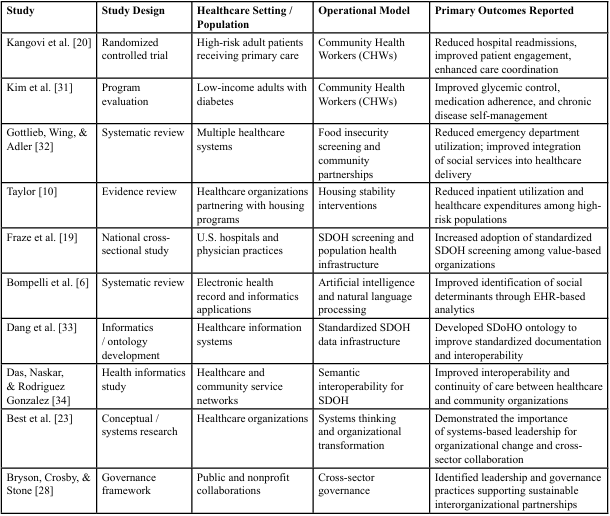
Table 1. Key Studies Informing the Evidence Synthesis
Methodological Quality
Methodological quality appraisal using the CASP checklists indicated that the included studies were generally of moderate quality. Most investigations clearly described study objectives, intervention characteristics, and primary outcomes. However, common methodological limitations included observational study designs, heterogeneous outcome measures, short follow-up periods, and inconsistent adjustment for potential confounding variables. Qualitative studies generally demonstrated strong contextual reporting but varied in descriptions of researcher reflexivity and recruitment strategies. Since the purpose of this review was to synthesize operational approaches rather than estimate pooled intervention effects, no studies were excluded based on methodological quality.
Operational Models
Community Health Worker Integration
Community health worker (CHW) integration emerged as the most frequently identified operational model across the included studies and was consistently associated with improved care coordination and community engagement. CHWs served as trusted intermediaries connecting healthcare organizations with vulnerable populations through patient navigation, health education, social needs assessment, and linkage to community resources. Across the literature, CHW programs were particularly effective in supporting individuals with chronic disease and those experiencing significant social risk factors.
Among the key studies informing this review, Kangovi et al. [20] demonstrated that evidence-based CHW interventions reduced hospital readmissions by approximately 13% while improving patient satisfaction, trust in healthcare providers, and care coordination. Similarly, Kim et al. [31] reported improved glycemic control, medication adherence, and chronic disease self-management among low-income adults participating in CHW-supported diabetes management programs. Collectively, these findings suggest that integrating CHWs into healthcare delivery can improve patient engagement, continuity of care, and management of complex medical and social needs.
Several studies further emphasized that CHW effectiveness was enhanced when workers shared cultural, linguistic, or socioeconomic backgrounds with the communities they served, strengthening trust and communication while improving patient adherence to care plans [20,31]. Operational models varied across healthcare systems, with some organizations embedding CHWs within primary care clinics or population health departments and others partnering with community-based organizations to provide outreach services. Programs integrating CHWs within multidisciplinary care teams consistently reported stronger coordination and continuity of care than referral-based approaches alone [20].
Despite these positive findings, financial sustainability remained a common implementation challenge. Several studies noted that reimbursement mechanisms for CHW services remain inconsistent across healthcare systems, although organizations participating in value-based reimbursement arrangements demonstrated greater willingness to invest in CHW infrastructure because of its potential to improve quality outcomes and reduce avoidable healthcare utilization [4,19]. Beyond clinical care coordination, CHWs also provided healthcare leaders with valuable insight into community needs and social barriers, supporting more responsive population health strategies and advancing organizational health equity initiatives.
Cross-Sector Partnerships
Cross-sector partnerships emerged as the second dominant operational model identified across the included studies (Table 1). Rather than addressing social needs solely within healthcare settings, organizations increasingly collaborated with housing agencies, food assistance programs, transportation providers, public health departments, schools, faith-based organizations, and community- based organizations to address upstream determinants of health through coordinated service delivery.
Among the key studies informing this review, Gottlieb, Wing, and Adler [30] found that healthcare organizations partnering with food banks, nutrition programs, and community organizations reduced emergency department utilization while strengthening integration between healthcare and social services. Similarly, Taylor [10] reported that supportive housing initiatives for medically complex populations were associated with reductions in inpatient admissions, emergency department utilization, and overall healthcare expenditures. Together, these studies demonstrate that addressing food insecurity and housing instability through community partnerships can improve both patient outcomes and healthcare utilization.
Transportation partnerships also emerged as an important strategy for improving healthcare access and continuity of care. Across the included studies, transportation assistance was associated with improved appointment adherence, reduced missed visits, and greater engagement in preventive and chronic disease management services [10]. In parallel, Fraze et al. [19] documented increasing adoption of standardized SDOH screening among hospitals and physician practices participating in value-based reimbursement programs, reflecting a broader organizational shift toward systematically identifying and addressing patients' social needs through coordinated referral networks.
Successful cross-sector partnerships consistently shared several organizational characteristics. Studies emphasized the importance of formal governance structures, shared performance metrics, data- sharing agreements, and leadership engagement [28]. Organizations integrating community partnerships with standardized screening, referral workflows, and population health infrastructure demonstrated greater operational integration than those relying on informal or fragmented collaborations. The evidence suggests that cross-sector collaboration enables healthcare organizations to address social determinants beyond the traditional boundaries of clinical care. By integrating healthcare delivery with community resources and embedding referral pathways into routine organizational workflows, these partnerships support more coordinated, equitable, and sustainable approaches to population health management.
Data-Driven Targeting
Data-driven population health targeting emerged as the third major operational model identified across the included studies (Table 1). Healthcare organizations increasingly integrated SDOH screening tools, predictive analytics, electronic health records (EHRs), and population health management platforms to identify patients at elevated social and clinical risk and direct outreach resources more effectively. Among the studies informing this review, Fraze et al. [19] documented widespread growth in standardized SDOH screening among hospitals and physician practices participating in value-based reimbursement arrangements. These findings suggest that healthcare organizations are increasingly incorporating structured assessment of food insecurity, housing instability, transportation barriers, and other social needs into routine clinical workflows to support population health management and care coordination.
Several studies also highlighted the expanding role of advanced analytics in SDOH operationalization. Bompelli et al. [6] demonstrated that artificial intelligence (AI) and natural language processing (NLP) improved identification of social determinants through electronic health record data, enabling healthcare organizations to recognize unmet social needs that may not be captured through traditional screening alone. Similarly, Dang et al. [33] described the development of the SDoHO ontology to improve standardized representation of SDOH information, while Das, Naskar, and Rodriguez Gonzalez [34] demonstrated how semantic interoperability frameworks can strengthen data exchange and continuity of care between healthcare organizations and community service providers.
Across the included studies, organizations using predictive analytics and integrated population health infrastructure reported greater capacity to identify high-risk populations, prioritize outreach resources, and coordinate interventions across clinical and community settings. Geospatial mapping, centralized population health dashboards, and standardized referral platforms further supported targeted intervention planning and ongoing performance evaluation [6,19,34].
Despite these advances, several studies identified persistent implementation challenges, including incomplete social risk data, limited interoperability between healthcare and community organizations, workforce capacity constraints, and concerns regarding patient privacy and algorithmic bias [5,6]. Collectively, however, the evidence suggests that integrating data infrastructure with community outreach and population health management enhances healthcare organizations' ability to address social determinants proactively while supporting more efficient and equitable allocation of healthcare resources.
Leadership and Organizational Alignment
Leadership engagement consistently emerged as a critical determinant of successful SDOH operationalization across the included studies. Organizations integrating SDOH into executive strategy, governance structures, and value-based reimbursement models demonstrated stronger implementation and greater organizational sustainability than those relying on isolated outreach initiatives [19,28]. Several studies emphasized that successful implementation required a transition from short-term community benefit programming toward enterprise-wide population health strategies supported by executive leadership. Healthcare leaders increasingly aligned SDOH initiatives with accountable care contracts, shared savings arrangements, and other value-based reimbursement models, positioning social care integration as a strategic investment to improve quality, reduce avoidable utilization, and advance health equity [4,19]. Many organizations also incorporated population health and health equity metrics into executive dashboards and strategic planning processes to monitor organizational performance [19].
Cross-functional teams were another consistent characteristic of successful implementation. High-performing organizations established interdisciplinary population health teams that included clinicians, care coordinators, community health workers, social workers, informatics specialists, and community partners, improving coordination across traditionally siloed departments and strengthening integration between healthcare delivery and community outreach [23,28]. Investment in data infrastructure similarly emerged as a recurring organizational strategy. Leadership support for standardized social risk screening, interoperable data systems, and population health analytics enabled organizations to identify high-risk populations, monitor intervention outcomes, and allocate resources more effectively [19,33,34].
Finally, organizational culture influenced implementation success. Healthcare systems emphasizing prevention, health equity, collaboration, and innovation demonstrated greater workforce alignment and institutional support for SDOH initiatives than organizations maintaining predominantly volume-driven operational models [23,26]. Collectively, the reviewed evidence suggests that sustainable SDOH operationalization depends not only on individual interventions but also on leadership commitment, organizational readiness, and integration of community outreach within broader population health strategy.
Outcomes
Clinical Outcomes
Across the included studies, SDOH-focused interventions were consistently associated with improvements in clinical outcomes and healthcare utilization. Kangovi et al. [20] reported that community health worker interventions reduced hospital readmissions by approximately 13% while improving patient satisfaction and care coordination. Similarly, Kim et al. [31] demonstrated improvements in glycemic control, medication adherence, and chronic disease self-management among patients participating in community- based diabetes management programs. Additional studies found that interventions addressing housing instability, transportation barriers, and behavioral health needs improved continuity of care while reducing avoidable emergency department utilization and hospitalizations [10,32].
Financial Outcomes
Several studies reported favorable financial outcomes associated with SDOH operationalization. Cost savings were primarily attributed to reductions in emergency department utilization, inpatient admissions, and preventable readmissions among high- risk populations [10,20]. Porter and Lee [4] and Fraze et al. [19] further suggest that organizations participating in value-based reimbursement models have stronger financial incentives to invest in social care integration because improved outcomes align with shared savings and quality-based payment structures.
Population Health Outcomes
The reviewed literature also demonstrated improvements in population health and health equity. Community outreach initiatives increased access to preventive services, strengthened primary care engagement, and reduced barriers related to food insecurity, transportation, and housing [10,32]. Several studies also reported improved engagement among historically underserved populations, suggesting that culturally responsive outreach and cross-sector partnerships can reduce disparities in chronic disease management and preventive care utilization [20,31]. Beyond measurable clinical outcomes, organizations reported stronger community trust and collaboration, supporting long-term population health improvement and organizational legitimacy [23,28].
Collectively, the reviewed evidence suggests that operationalizing SDOH through integrated community outreach, cross-sector partnerships, and leadership-supported organizational strategies can improve clinical outcomes, strengthen financial performance, and advance population health objectives.
Discussion
Key Findings
This systematic review demonstrates that successful operationalization of Social Determinants of Health (SDOH) depends on integrating social care into the core functions of healthcare organizations rather than implementing isolated community outreach initiatives. Across the included studies, healthcare systems achieving the strongest outcomes embedded SDOH within population health strategies, care coordination processes, data infrastructure, and organizational governance. These findings support growing evidence that addressing social needs has become an essential operational competency for healthcare organizations pursuing value-based, population-focused care [4,7].
The review further suggests that effective SDOH operationalization requires coordinated partnerships between healthcare organizations and community-based services. Interventions incorporating community health workers, cross-sector collaborations, and standardized referral pathways consistently demonstrated improvements in patient engagement, chronic disease management, and healthcare utilization [10,20,32]. Rather than functioning as independent programs, these approaches were most successful when integrated into broader organizational strategies for population health management.
A central finding of this review is that SDOH operationalization represents a systems integration challenge rather than a single clinical intervention. Organizations that aligned leadership, workforce, data systems, and community partnerships demonstrated greater implementation sustainability than those relying on fragmented outreach efforts. This systems-based approach reflects the continuing evolution of healthcare delivery toward prevention, coordinated care, and management of upstream determinants of health [22,23].
Leadership and organizational readiness also emerged as critical implementation factors. Successful organizations aligned SDOH initiatives with executive priorities, value-based reimbursement strategies, and investments in interdisciplinary teams and population health infrastructure [19,28]. Likewise, advances in electronic health records, predictive analytics, and interoperable data systems increasingly supported identification of social risk factors and more targeted allocation of community resources [6,33,34].
Collectively, these findings suggest that healthcare organizations should view SDOH operationalization as an organizational transformation rather than a discrete intervention. Sustainable implementation requires leadership commitment, integrated data infrastructure, multidisciplinary collaboration, and enduring partnerships with community organizations to improve clinical outcomes, advance health equity, and strengthen population health performance.
Implications for Healthcare Management
The findings of this review suggest that operationalizing SDOH requires healthcare leaders to expand beyond traditional administrative roles toward integrated population health management. As healthcare organizations assume greater accountability under value-based reimbursement models, leadership competencies in community engagement, cross-sector collaboration, health equity, and data informed decision-making have become increasingly important [4,35].
Successful implementation also depends on organizational structures that support interdisciplinary collaboration. Across the reviewed studies, healthcare systems demonstrating stronger outcomes established population health teams that integrated clinicians, community health workers, care coordinators, social workers, informatics specialists, and community partners [23,28]. These governance structures improved coordination between clinical care and community services while supporting more effective management of patients' social needs.
The findings further highlight the growing importance of workforce development and digital infrastructure. Healthcare organizations increasingly require professionals capable of integrating social risk assessment, culturally responsive communication, and care coordination with advanced analytics and interoperable health information systems [19,33,34]. Consequently, healthcare management education should continue expanding training in population health, health equity, systems leadership, and health informatics to prepare leaders for increasingly integrated models of care [35].
Policy Implications
This review highlights the importance of policy environments that support integration of social care within healthcare delivery. Expansion of value-based reimbursement models has strengthened incentives for healthcare organizations to address upstream determinants of health by aligning financial performance with improvements in population health outcomes [4,21]. Recent Centers for Medicare & Medicaid Services (CMS) initiatives further reinforce this transition. The CMS Framework for Health Equity 2022–2032 identifies advancing health equity, improving collection and use of social risk data, strengthening community partnerships, and embedding equity into quality improvement as strategic priorities for the U.S. healthcare system [21]. In addition, CMS has incorporated health equity measures, social risk screening, and quality reporting requirements into several value-based payment programs, signaling an increasing expectation that healthcare organizations systematically identify and address patients' social needs.
Several studies included in this review similarly emphasized the need for standardized SDOH screening, interoperable data systems, and consistent reporting frameworks to improve coordination between healthcare organizations and community-based partners [19,33,34]. Continued investment in these standards may strengthen evaluation of intervention effectiveness while supporting more equitable allocation of healthcare resources. The reviewed evidence also suggests that long-term sustainability will depend on reimbursement policies supporting community health workers, care coordination, and other social care services. Although many interventions demonstrated improved clinical and utilization outcomes, inconsistent reimbursement remains a significant implementation barrier [10,20]. Expanding payment mechanisms and workforce policies that recognize interdisciplinary care teams may accelerate adoption of effective SDOH interventions while strengthening healthcare organizations' capacity to improve population health and reduce health disparities [21,35].
Emerging Directions for SDOH Operationalization
The findings of this review suggest that future SDOH operationalization will increasingly depend on integrated digital infrastructure, predictive analytics, and interoperable care coordination systems. Advances in artificial intelligence (AI), machine learning, and electronic health record (EHR) analytics are enabling healthcare organizations to identify patients at elevated social and clinical risk, prioritize outreach efforts, and evaluate intervention effectiveness with greater precision [6,33,34]. These technologies have the potential to improve population health management by integrating clinical, behavioral, and social risk information across healthcare and community settings.
Another emerging innovation is the expansion of digital referral platforms that facilitate real-time communication between healthcare organizations and community-based service providers. Standardized referral systems, interoperable data standards, and closed-loop communication models may improve care coordination, strengthen accountability, and provide more comprehensive evaluation of social care interventions [33,34]. However, successful implementation will require continued attention to data governance, interoperability, patient privacy, and equitable access to digital technologies [5].
The reviewed literature also suggests that telehealth, mobile health delivery, remote monitoring, and community-based outreach teams will play an increasingly important role in extending care to underserved populations. These models have demonstrated promise for improving access to preventive services, chronic disease management, and behavioral healthcare, particularly in rural and medically underserved communities [10,20]. Collectively, these innovations indicate that future SDOH operationalization will rely on integrated digital ecosystems and flexible, community-centered models of care that combine technological innovation with sustained community engagement.
Limitations
Several limitations should be considered when interpreting the findings of this review. Substantial methodological heterogeneity existed across the included studies, encompassing qualitative, mixed- methods, observational, quasi-experimental, and implementation research. This diversity provided a broad perspective on SDOH operationalization but limited direct comparison across interventions and precluded formal meta-analysis [29].
Interventions varied considerably in scope, organizational context, and implementation strategy. Studies examined both targeted interventions (e.g., food insecurity screening or transportation assistance) and enterprise-wide population health initiatives, making comparisons across healthcare settings challenging. Outcome measures were similarly heterogeneous, with inconsistent definitions of clinical, financial, and population health outcomes limiting cross- study synthesis. Additionally, much of the evidence focused on short-term utilization and care coordination outcomes. Relatively few studies evaluated long-term sustainability, organizational transformation, or the enduring effects of SDOH interventions on health equity and population health [2]. In addition, inconsistent SDOH screening practices, variation in electronic health record integration, and limited interoperability between healthcare and community organizations likely influenced both implementation and outcome reporting [33].
The existing literature may also be affected by publication bias, with successful interventions more likely to be reported than neutral or unsuccessful initiatives. Because most included studies were conducted in the United States, findings may not be fully generalizable to healthcare systems with different financing structures, reimbursement models, or social service infrastructures. Despite these limitations, this review provides a comprehensive synthesis of current evidence and identifies important organizational, technological, and policy strategies supporting the integration of SDOH into healthcare delivery.
Future Research
The findings of this review identify several priorities for future research. First, greater standardization of SDOH outcome measures and reporting frameworks is needed to improve comparisons across intervention models and healthcare settings. Existing studies used highly variable definitions of clinical, financial, implementation, and health equity outcomes, limiting cross-study synthesis. Future research should develop standardized evaluation frameworks,validated SDOH screening approaches, and common reporting metrics to strengthen evidence synthesis and support value- based reimbursement initiatives [21]. Additional investigation of interoperable data standards and semantic models, including SDoHO and the Common Semantic Data Model for Social Determinants of Health (CSSDH), may further improve consistency in SDOH documentation and data exchange [33,34].
Comparative Effectiveness of Implementation Models
The reviewed literature demonstrated considerable diversity in intervention approaches, including community health worker programs, cross-sector partnerships, housing and food insecurity interventions, transportation programs, digital referral systems, and AI-supported population health strategies. However, relatively few studies directly compared these approaches across healthcare settings or patient populations. Future comparative effectiveness research should identify which implementation models—and which combinations of models—produce the greatest improvements in clinical outcomes, healthcare utilization, financial performance, and health equity. Additional research should also examine how organizational characteristics, including health system size, rurality, resource availability, and workforce composition, influence implementation success, while evaluating interdisciplinary workforce models that integrate community health workers, social workers, care coordinators, behavioral health professionals, and informatics specialists.
Long-Term Sustainability and Organizational Transformation
Future research should place greater emphasis on long-term organizational transformation and sustainability. Much of the existing evidence evaluates short-term utilization outcomes, whereas relatively few studies examine sustained organizational change, leadership development, workforce adaptation, or long- term population health and health equity outcomes [2]. Longitudinal studies are needed to evaluate governance structures, organizational culture, and reimbursement strategies that support durable implementation of SDOH initiatives. Additional investigation of emerging technologies—including artificial intelligence, predictive analytics, natural language processing, and interoperable digital referral platforms—is also warranted to evaluate their effectiveness, scalability, ethical implications, and impact on health equity [6,33,34]. As healthcare organizations continue integrating digital technologies into population health management, future research should prioritize equity-focused implementation strategies to ensure these innovations reduce, rather than reinforce, existing health disparities. These priorities suggest that the next phase of SDOH scholarship should move beyond exploratory implementation studies toward rigorous longitudinal, comparative, and systems- oriented research capable of informing large-scale organizational transformation and healthcare policy.
Conclusion
This systematic review demonstrates that operationalizing Social Determinants of Health (SDOH) has become a strategic imperative for healthcare organizations transitioning toward value-based care and population health management. Across the included studies, successful implementation extended beyond isolated community outreach initiatives and instead relied on integrating social care into organizational leadership, care coordination, data infrastructure, and community partnerships. These findings reinforce growing recognition that improving population health requires addressing the social and structural conditions that influence health alongside traditional clinical care [7,22].
The review further highlights that sustainable SDOH operationalization depends on organizational transformation rather than individual interventions. Healthcare systems demonstrating the strongest outcomes aligned executive leadership, interdisciplinary workforce models, interoperable data systems, and cross-sector collaborations to improve care coordination, patient engagement, and health equity. As healthcare organizations increasingly adopt predictive analytics, digital referral platforms, and other emerging technologies, continued attention to governance, interoperability, and equitable implementation will remain essential [6,33].
Although important challenges remain, including inconsistent outcome measurement, limited longitudinal evidence, and evolving reimbursement models, the reviewed literature provides a strong foundation for advancing evidence-based implementation of SDOH initiatives. Continued research, policy development, and organizational innovation will be critical to strengthening sustainable integration across diverse healthcare settings. Ultimately, this review suggests that healthcare organizations able to integrate social care, community partnerships, and population health strategies into routine operations will be better positioned to improve patient outcomes, advance health equity, and deliver high-value care in an increasingly complex healthcare environment.
Conflicts of Interest:
The authors declare no conflicts of interest.
References
World Health Organization. (2023). Social determinants of health. View
Braveman, P., & Gottlieb, L. (2014). The social determinants of health: It's time to consider the causes of the causes. Public Health Reports, 129(Suppl. 2), 19–31. View
Hood, C. M., Gennuso, K. P., Swain, G. R., & Catlin, B. B. (2016). County health rankings: Relationships between determinant factors and health outcomes. American Journal of Preventive Medicine, 50(2), 129–135. View
Porter, M. E., & Lee, T. H. (2013). The strategy that will fix health care. Harvard Business Review, 91(10), 50–70. View
Braveman, P., Arkin, E., Proctor, D., Kauh, T., & Holm, N. (2022). Systemic and structural racism: Definitions, examples, health damages, and approaches to dismantling. Health Affairs, 41(2), 171–178. View
Bompelli, A., Pereira, A. C. A. N., Oikawa, M. M., & Papa, J. P. (2021). Social determinants of health and electronic health records: A systematic review of natural language processing and machine learning approaches. Journal of Biomedical Informatics, 122, 103903.
Alderwick, H., & Gottlieb, L. M. (2019). Meanings and misunderstandings: A social determinants of health lexicon for health care systems. The Milbank Quarterly, 97(2), 407–419. View
Office of Disease Prevention and Health Promotion. (2020). Healthy People 2030: Social determinants of health. U.S. Department of Health and Human Services. View
Marmot, M., Friel, S., Bell, R., Houweling, T. A. J., & Taylor, S., on behalf of the Commission on Social Determinants of Health. (2008). Closing the gap in a generation: Health equity through action on the social determinants of health. The Lancet, 372(9650), 1661–1669. View
Taylor, L. A. (2018). Housing and health: An overview of the literature. Health Affairs Health Policy Brief. View
Cutler, D. M., & Lleras-Muney, A. (2010). Understanding differences in health behaviors by education. Journal of Health Economics, 29(1), 1–28. View
Berkman, N. D., Sheridan, S. L., Donahue, K. E., Halpern, D. J., & Crotty, K. (2011). Low health literacy and health outcomes: An updated systematic review. Annals of Internal Medicine, 155(2), 97–107. View
Artiga, S., & Hinton, E. (2018). Beyond health care: The role of social determinants in promoting health and health equity. Kaiser Family Foundation. View
Gottlieb, L., Tobey, D. H., Cantor, E., Hessler, D., & Adler, N. E. (2016). Integrating social and medical data to improve population health: Opportunities and barriers. Health Affairs, 35(11), 2116–2123. View
Diez Roux, A. V., & Mair, C. (2010). Neighborhoods and health. Annals of the New York Academy of Sciences, 1186(1), 125–145. View
Berkman, L. F., & Glass, T. (2000). Social integration, social networks, social support, and health. In L. F. Berkman & I. Kawachi (Eds.), Social epidemiology (pp. 137–173). Oxford University Press. View
Bailey, Z. D., Krieger, N., Agénor, M., Graves, J., Linos, N., & Bassett, M. T. (2017). Structural racism and health inequities in the USA: Evidence and interventions. The Lancet, 389(10077), 1453–1463. View
Shortell, S. M., Casalino, L. P., & Fisher, E. S. (2010). How the Center for Medicare and Medicaid Innovation should test accountable care organizations. Health Affairs, 29(7), 1293- 1298. View
Fraze, T. K., Brewster, A. L., Lewis, V. A., Beidler, L. B., Murray, G. F., & Colla, C. H. (2019). Prevalence of screening for food insecurity, housing instability, utility needs, transportation needs, and interpersonal violence by US physician practices and hospitals. JAMA Network Open, 2(9), e1911514. View
Kangovi, S., Mitra, N., Grande, D., White, M. L., McCollum, S., Sellman, J., Shannon, R. P., & Long, J. A. (2018). Evidence based community health worker program addresses unmet social needs and generates positive return on investment. Health Affairs, 37(3), 357–365. View
Centers for Medicare & Medicaid Services. (2023). CMS framework for health equity 2022–2032. U.S. Department of Health and Human Services. View
Kindig, D., & Stoddart, G. (2003). What is population health? American Journal of Public Health, 93(3), 380–383. View
Best, A., Murray, J., Berland, T., & Brown, J. (2012). Systems thinking, knowledge and action: Towards better models and methods. Evidence & Policy, 8(1), 5–14.
Senge, P. M. (2006). The fifth discipline: The art and practice of the learning organization (Rev. ed.). Doubleday. View
Bass, B. M., & Riggio, R. E. (2006). Transformational leadership (2nd ed.). Lawrence Erlbaum Associates. View
West, M. A., Dawson, J., Kaur, M., & Stokes, J. (2015). Leadership and leadership development in health care: The evidence base. The King's Fund. View
Weick, K. E., & Sutcliffe, K. M. (2015). Managing the unexpected: Sustained performance in a complex world (3rd ed.). Wiley. View
Bryson, J. M., Crosby, B. C., & Stone, M. M. (2015). Designing and implementing cross-sector collaborations. Public Administration Review, 75(5), 647–663. View
Page, M. J., McKenzie, J. E., Bossuyt, P. M., Boutron, I., Hoffmann, T. C., Mulrow, C. D., Shamseer, L., Tetzlaff, J. M., Akl, E. A., Brennan, S. E., Chou, R., Glanville, J., Grimshaw, J. M., Hróbjartsson, A., Lalu, M. M., Li, T., Loder, E. W., Mayo- Wilson, E., McDonald, S., ... Moher, D. (2021). The PRISMA 2020 statement: An updated guideline for reporting systematic reviews. BMJ, 372, n71. View
Gottlieb, L. M., Wing, H., & Adler, N. E. (2017). A systematic review of interventions on patients' social and economic needs. American Journal of Preventive Medicine, 53(5), 719–729. View
Kim, K., Choi, J. S., Choi, E., Nieman, C. L., Joo, J. H., Lin, F. R., Gitlin, L. N., & Han, H. R. (2016). Effects of community- based health worker interventions to improve chronic disease management and care among vulnerable populations: A systematic review. American Journal of Public Health, 106(4), e3–e28. View
Gottlieb, L., et al. (2017). Moving electronic medical records upstream: Incorporating social determinants of health. American Journal of Preventive Medicine, 52(2), 215–218. View
Dang, H. T., Mielke, S. K., & Tao, C. (2022). SDoHO: An ontology for standardizing social determinants of health data representation. Journal of Biomedical Semantics, 13(1), Article 20.
Das, R., Naskar, S., & Rodriguez Gonzalez, A. (2024). Common semantic data model for social determinants of health interoperability and continuity of care [Preprint]. arXiv.
National Academies of Sciences, Engineering, and Medicine. (2023). Achieving whole health: A new approach for veterans and the nation. National Academies Press. View