
- About the Journal
- Editorial Board
- Review Process
- Author Guidelines
- Article Processing Charges
- Special Issues
- Current Issue
- Past Issue
 Journal of Social Work and Welfare Policy
Journal of Social Work and Welfare Policy Volume 4 (2026), Article ID: JSWWP-197
https://doi.org/10.33790/jswwp1100197Research Article
Media Discourse and Child Maltreatment in Korea: A Semantic Network Analysis of Policy-Driven Narrative Shifts
Yoewon Yoon1, Hee-Ju Kang2, Juae Park3, Jooho Lee4, Kyoung Yeon Moon5, O-Joun Lee4*
1Department of Social Welfare, Dongguk University, Seoul, Korea.
2National Center for the Rights of the Child, Seoul, Korea.
3Department of Police Administration, Dongguk University, Seoul, Korea.
4Department of Artificial Intelligence, The Catholic University of Korea, Bucheon, Korea.
5Dharma College, Dongguk University, 30, Pildong-ro 1-gil, Jung-gu. Seoul, Korea.
Corresponding Author Details: O-Joun Lee, Ph.D., Assistant professor, Department of Artificial Intelligence, The Catholic University of Korea, Bucheon, Korea.
Received date: 01st April, 2026
Accepted date: 25th May, 2026
Published date: 27th May, 2026
Citation: Yoon, Y., Kang, H. J., Park, J., Lee, J., Moon, K. Y., & Lee, O. J., (2026). Media Discourse and Child Maltreatment in Korea: A Semantic Network Analysis of Policy-Driven Narrative Shifts. J Soci Work Welf Policy, 4(1): 197.
Copyright: ©2026, This is an open-access article distributed under the terms of the Creative Commons Attribution License, which permits unrestricted use, distribution, and reproduction in any medium, provided the original author and source are credited.
Abstract
Recent increases in child maltreatment cases in South Korea have prompted policy reforms, including the implementation of the Inclusive-State Child Policy to strengthen child protection and prevention systems. Despite these efforts, public concern remains high due to continued reports of severe abuse cases. This study examined changes in media portrayals of child maltreatment before and after the policy implementation. A total of 2,463 online news articles published between 2017 and 2022 on a major South Korean news platform were analyzed using semantic network analysis and Korean natural language processing techniques. The analysis focused on keywords related to child abuse, neglect, and protection. The findings revealed a shift in media discourse from incident-centered reporting toward broader discussions of government accountability, social responsibility, child rights, and preventive interventions following the policy implementation. Centrality analysis further demonstrated increased emphasis on structural and preventive approaches to child welfare. These findings suggest that media narratives evolved in parallel with policy changes and underscore the media’s role in shaping public discourse on child maltreatment, while highlighting the ongoing need for comprehensive and coordinated child protection strategies across sectors.
Keywords: Media Portrayal, Child Maltreatment; Inclusive-State Child Policy; Semantic Network Analysis
Introduction
Child maltreatment remains a major global concern, with substantial discrepancies between official statistics and lived experiences reflecting its complex and often hidden nature [1]. While some official reports indicate declining documented cases, recent evidence suggests that child abuse and neglect continue to increase worldwide [2,3]. In South Korea, reported cases of child maltreatment have steadily risen in recent years, including a 5.2% increase in 2023 compared to 2022 [4]. Public concern intensified following several high-profile child abuse fatalities, including the widely publicized death of a 16-month-old child in 2020, which exposed failures in institutional coordination and response systems [5]. Despite increased public awareness and reporting, child fatalities related to maltreatment continued to occur each year, particularly among infants and young children, highlighting ongoing limitations within Korea’s child protection system [4,6]. The COVID-19 pandemic further intensified these challenges by reducing opportunities for detection while increasing family stress, economic hardship, and social isolation [7-9]. Together, these developments underscored the need for stronger prevention systems, institutional accountability, and expanded state responsibility for child protection.
In response, the Korean government introduced the Inclusive-State Child Policy in May 2019, marking a major shift in child welfare governance. Grounded in the principles of survival, development, protection, and participation outlined in the UN Convention on the Rights of the Child, the policy aimed to strengthen state accountability, expand public responsibility for child welfare, and improve coordination among child protection institutions. The reform transitioned Korea’s child protection system from a fragmented and privately centered structure toward a more centralized, state-led model [10]. These policy changes also increased public and media attention toward child maltreatment, institutional responsibility, and preventive intervention, making media discourse an important lens through which to examine broader societal responses to child protection reform.
International scholarship has consistently emphasized the influential role of media framing in shaping public understanding of child maltreatment and policy legitimacy. Studies from the United States, Europe, and Asia demonstrate that media narratives influence how responsibility, intervention, and state accountability are socially interpreted [8,11]. Studies in the United States have shown that media reporting on child abuse often relies on episodic framing focused on extreme individual cases, parental blame, and criminal punishment, while giving comparatively limited attention to broader structural causes such as poverty, family stress, welfare system limitations, and service gaps [12]. In contrast, comparative research from the United Kingdom and other European countries suggests that media discourse can shift toward more thematic and policy- oriented framing following major child protection reforms or highly publicized abuse cases. For example, inquiries following the death of Victoria Climbié in the United Kingdom generated substantial media attention to institutional accountability, interagency cooperation, and systemic failures in child protection services [13,14]. Collectively, these studies demonstrate that child maltreatment is not only a private family issue but also a socially constructed public policy concern shaped through media discourse.
Within this international context, South Korea provides an important case for examining the relationship between child protection policy and media discourse. Since the late 2010s, highly publicized child abuse cases and growing public concern have contributed to significant policy reforms, including the Inclusive-State Child Policy. Although prior Korean studies have examined media coverage of child abuse and legal reforms, relatively little research has explored longitudinal changes in media discourse across multiple forms of child maltreatment using computational approaches or situating Korean findings within broader international discussions on media framing and child protection.
Previous Korean research has primarily focused on mandated reporters of child abuse and neglect or on media content across news articles, blogs, and social media platforms [15-17]. More recent studies have adopted big data approaches, including text mining and semantic analysis, to examine public responses to child protection policies and legal reforms such as the Special Act on Punishment of Child Abuse Crimes [16]. Building on this literature, the current study examines changes in media portrayals of child maltreatment before and after implementation of Korea’s Inclusive-State Child Policy. Using semantic network analysis of online news articles, this study explores how media framing shifted following institutional reform and discusses the potential role of media discourse in shaping public perceptions of child protection, state responsibility, and child welfare policy.
Methods
Data collection
To examine changes in media discourse on child maltreatment across two time periods, online news articles were collected and analyzed. The frequencies of news articles related to child maltreatment were used as an indicator of social attention to the issues, and temporal changes in article frequency were analyzed to assess shifts in public concern regarding the severity of child maltreatment. In addition, keyword extraction and frequency analyses were conducted to identify major themes and factors associated with child maltreatment, while co-occurrence patterns among terms were used to examine relationships within the media discourse.
News Article Collection and Preprocessing
The study collected online news articles related to child maltreatment from major Korean newspapers to analyze changes in media discourse, specifically to analyze journalistic narratives. Articles were retrieved from Naver News – one of the largest news curation platforms in Korea – across two periods: 2.5 years before policy implementation (July 2017 – December 2019) and 2.5 years after implementation (January 2020 – June 2022). The Inclusive- State Child Policy was introduced in May 2019; however, January 2020 was selected as the starting point of the post-policy period. The year 2019 was treated as a transitional phase because policy implementation and institutional changes occurred progressively rather than instantaneously. Consequently, media discourse during 2019 may have reflected both pre-existing and newly emerging policy frames. Defining the post-policy period from January 2020 allowed sufficient time for policy implementation and provided a more stable bases for examining shifts in media narratives. Naver News was selected because it serves as a primary gateway through which the Korean public consumes online news content, aggregating articles from a broad range of national and local media outlets. As the present study aimed to examine changes in public-facing media discourse within the Korean sociocultural context, Naver News provided a comprehensive and representative source for capturing longitudinal trends in journalistic coverage of child maltreatment. Using six keywords representing the legally defined categories of child maltreatment used in Korea’s Child Welfare Act and Child Abuse Punishment Act (“child abuse,” “physical abuse,” “emotional abuse,” “sexual abuse,” “corporal punishment,” and “child neglect”; [18,19], a total of 156,125 articles were identified, and full article texts were crawled along with keyword distributions (Table 1). The article bodies were preprocessed using KoNLPy [20], a widely used Korean natural language processing toolkit. Article bodies were segmented into sentences, performed part-of-speech tagging, and removed stop words (e.g., punctuation marks, postpositional particles, and exclamations). Morphological normalization and token cleaning procedures were also conducted to reduce inconsistencies caused by variations in spacing, suffixes, or duplicate expressions frequently observed in Korean online news text. The cleaned sentences were transformed into sequences of terms, and term frequency patterns were examined to analyze temporal shifts in public discourse on child maltreatment.
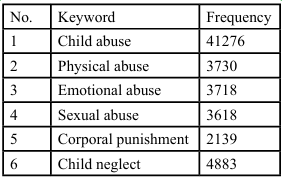
Table 1. Frequencies of extracted keywords relevant to child maltreatment before and after policy implementation
Following preprocessing, a three-stage document refinement process was implemented to remove duplicate and noisy records, consistent with large-scale news corpus methodologies used in prior research [21]. First, duplicate URLs and syndicated reposted articles were removed to minimize redundancy. Second, articles in which the target keywords appeared only incidentally (e.g., brief mentions unrelated to the substantive focus of the article) were excluded after contextual screening. Third, topical outliers and semantically weak documents were filtered using TF-IDF vectors and Z-scores greater than 3. Specifically, documents characterized by unusually low semantic relevance to child maltreatment discourse or dominated by unrelated topics were identified as statistical outliers and excluded from the final corpus. These filtering decisions were guided by both statistical distributions and interpretability of article content to ensure that the retained dataset meaningfully reflected the study topic. After completing this refinement process, 2,463 articles remained and were included in the final analysis, ensuring a dataset substantively aligned with the study’s focus.
Keyword Extraction
The study extracted keywords from the news articles based on term frequencies to analyze temporal changes in factors related to child maltreatment (e.g., types and causes). First, the study segmented the corpus using a regular time interval and measured the frequencies of terms (showing the significance of the social issues corresponding to the terms) within each segment. Second, by ordering terms according to their frequencies, dominant social issues related to child abuse and their temporal changes can be identified. However, despite the preprocessing, it cannot be said that every term insignificant to the analysis of the aspects of child maltreatment was removed from the corpus. For example, if all the articles in the corpus included the term “child abuse,” the occurrence frequency of “child abuse” would no longer be meaningful for revealing child abuse tendencies. Therefore, the term frequency was applied –inverse document frequency (TF- IDF) weights to the occurrence frequencies of the terms within each interval.
The document frequency of a term indicates how many documents in each segment include the term, and its inverse refers to the ratio of the total number of documents in each segment to the document frequency. Then, by multiplying the inverse document frequency by the term frequency, the distinctiveness of the social issue can be considered that each term represents. TF-IDF weighting was specifically employed to reduce the influence of overly common but less informative terms while emphasizing terms that were both frequent and contextually distinctive within a given period. Rather than applying a single arbitrary cutoff, thresholds for keyword retention were determined through iterative examination of term frequency distributions, TF-IDF score distributions, and interpretability of extracted keywords. This approach enabled the identification of substantively meaningful keywords while minimizing noise from generic or overly repetitive expressions commonly found in news reporting.
Analyzing Semantic Networks
To examine how child maltreatment was framed in media discourse, semantic networks were constructed for each time period. A semantic network is a graph in which keywords are represented as nodes and co-occurrences of keywords within the same sentence are represented as links (edges). The frequency with which two keywords appeared together was used as the edge weight, indicating the strength of their semantic association. In this study, semantic network analysis makes it possible to identify not only the most frequently mentioned topics but also how different topics are connected within media discourse. A semantic network can be formulated as follows:

equation
where N represents the overall semantic network, Nτ denotes the network for time period τ, Tτ is the set of terms appearing during that period, and Aτϵ RO×O is the adjacency matrix describing co- occurrence relationships among terms. The weight wi,j indicates how frequently two terms appeared together.
To assess the relative importance of keywords within the discourse, four commonly used centrality measures were calculated: degree centrality, betweenness centrality, closeness centrality, and eigenvector centrality. Each measure captures a different aspect of a term’s role in the network.
Degree centrality measures the total strength of a keyword’s connections with other keywords. In media discourse, a high degree centrality indicates that a term frequently co-occurs with many other topics and therefore occupies a prominent position within discussions of child maltreatment.

equation
Betweenness centrality measures how often a keyword lies on the shortest paths connecting other keywords. Terms with high betweenness centrality function as bridges linking different topics and can reveal concepts that connect otherwise separate areas of media discussion.
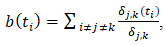
equation
where δj,k represents the total number of shortest paths between terms tj and tk and δj,k ti denotes the number of those paths that pass through ti.
Closeness centrality reflects how close a keyword is to all other keywords in the network. Keywords with high closeness centrality can quickly reach or influence other parts of the discourse and often represent broadly relevant themes.

equation
where d(ti,tj) denotes the shortest path length between terms ti and tj.
Eigenvector centrality evaluates not only how many connections a keyword has but also how influential its connected keywords are. A term receives a high score when it is linked to other highly central terms, indicating its importance within the overall structure of media discourse.

equation
where λ is a constant.
Together, these centrality measures provide complementary information about media discourse. Degree centrality identifies highly connected keywords, betweenness centrality highlights bridging concepts, closeness centrality captures broadly influential themes, and eigenvector centrality reveals keywords embedded within the most influential parts of the network.
Subsequently, modularity analysis was conducted to identify clusters of related keywords. These clusters were interpreted as thematic topics within media discourse. Modularity measures the extent to which a network can be divided into groups with dense internal connections and relatively sparse connections between groups. Higher modularity values indicate clearer thematic separation among clusters.

equation
Using the Louvain method [22], the cluster structure that maximized modularity was identified.
The resulting term clusters represented groups of child maltreatment- related topics that frequently appeared together in news coverage. Centrality measures and keyword frequencies were than examined to assess both the prominence of specific topics and the structural importance of individual keywords within each thematic cluster.
The most frequently appearing keywords were analyzed: child abuse, physical abuse, emotional abuse, sexual abuse, corporal punishment, and child neglect. Keywords from a total of 156,125 news articles were processed. After refinement procedures, 2,463 articles remained and were included in the final analysis. Extracted keywords were compared with the highest degree centrality, betweenness centrality, closeness centrality, and eigenvector centrality before and after policy implementation. Particular emphasis was placed on degree centrality, which reflects the total number of connections linked to an individual node. Keywords associated with prominent child abuse cases during periods of heightened public attention demonstrated substantial centrality across all four measures.
Results
To examine media discourse prior to 2019 policy reform, news articles published between July 2017 and December 2019 were analyzed using semantic network analysis. The findings revealed recurring patterns across six categories of child maltreatment, indicating that pre-policy media coverage was primarily characterized by an incident-driven and punitive orientation. Terms associated with legal responses, investigative processes, and blame attribution demonstrated the strongest centrality values across categories, reflecting a predominant focus on verification of abuse events and accountability within specific settings such as schools, child protection facilities, and homes. These findings suggest that media framing prior to the reform was more closely associated with episodic reporting, concentrating on individual cases rather than structural causes or prevention. However, these interpretations should be understood as patterns of keyword association and co-occurrence within media discourse rather than direct measures of contextual meaning or journalistic intent. Centrality values for these patterns are summarized in Table 2.
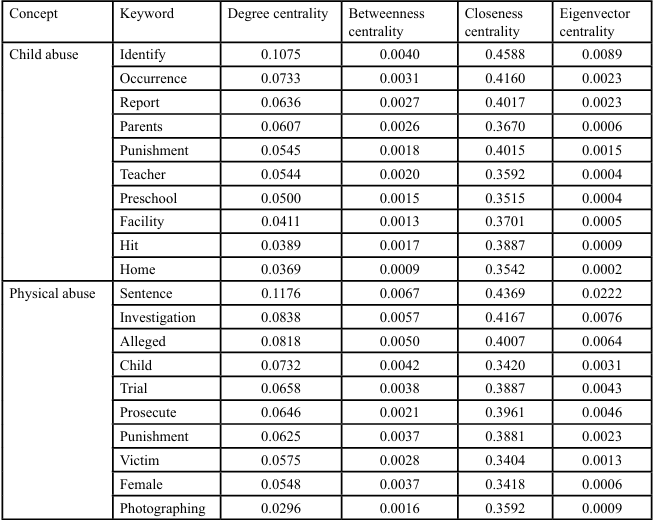
Table 2. Centrality values of keywords from search engine before introduction of policy (between July 2017 and December 2019)
Following the implementation of the Inclusive-State Child Policy, network analysis of articles published between January 2020 and June 2022 demonstrated a shift in the thematic structure of media discourse. While punitive terminology and judicial framing continued to appear prominently, terms related to systemic response, welfare support, prevention, and public responsibility increased substantially in centrality across multiple maltreatment categories. This heightened prominence of welfare-oriented terms suggests a broader discursive expansion beyond legal accountability toward institutional support and state-centered protection frameworks (Table 3).
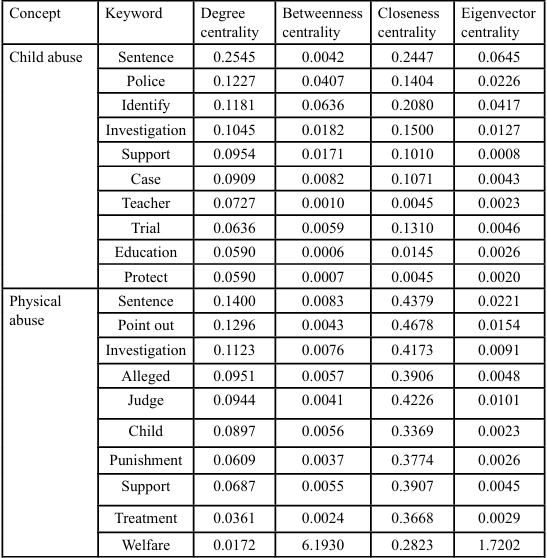
Table 3. Centrality values of keywords from search engine after introduction of policy (between January 2020 and June 2022)
Semantic Network Structure
Semantic network visualizations (Figures 1-6) illustrate a more densely interconnected discourse following the policy reform, with highly clustered associations among terms reflecting governmental responsibility, legal protection, coordinated response, and child welfare service provision. The greater network density may indicate stronger thematic consolidation around public accountability and systemic intervention, suggesting increased attention to child maltreatment as a societal rather than private issue. In contrast, peripheral terms associated with emotional impact, personal reflection, or restorative practices appeared less frequently and demonstrated weaker associative connections, indicating limited engagement with prevention, recovery, and trauma-informed perspectives in media narratives.
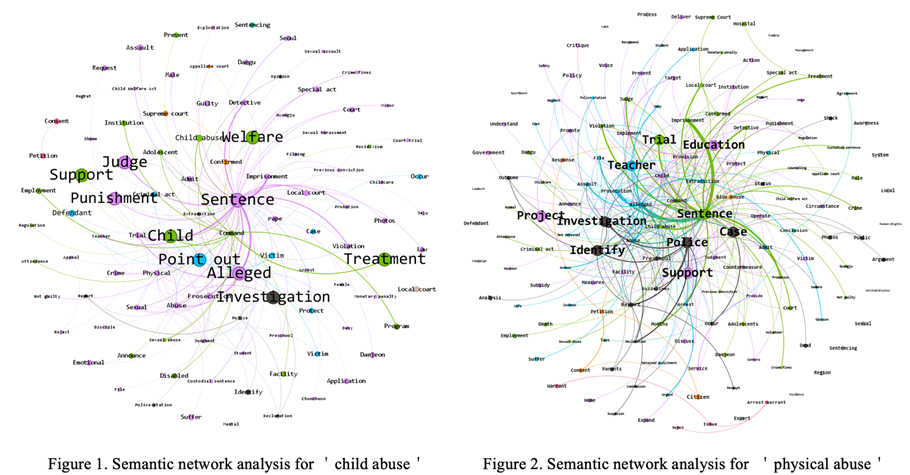
Figure 1. Semantic network analysis for 'child abuse'
Figure 2. Semantic network analysis for 'physical abuse'
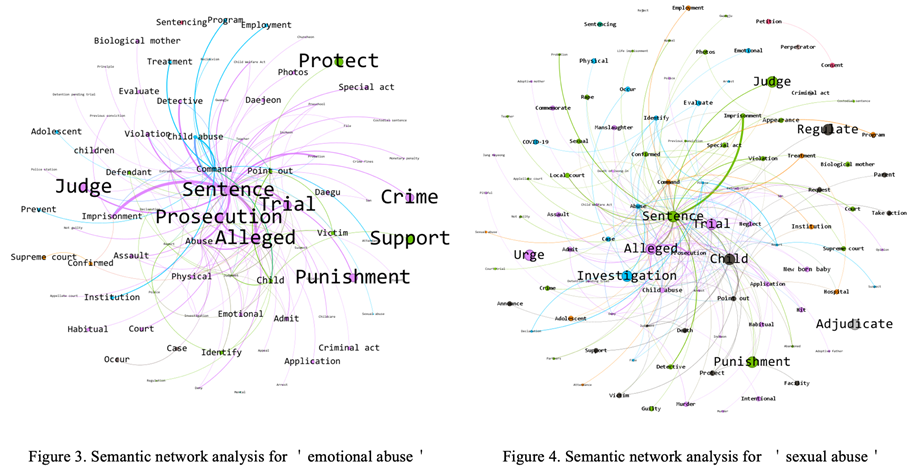
Figure 3. Semantic network analysis for 'emotional abuse'
Figure 4. Semantic network analysis for 'sexual abuse'
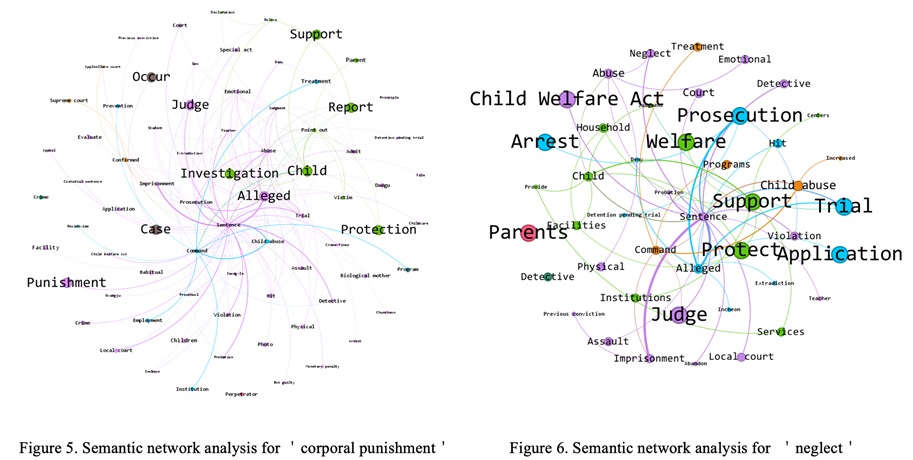
Figure 5. Semantic network analysis for 'corporal punishment'
Figure 6. Semantic network analysis for 'neglect'
Overall, the findings demonstrate a notable transition from episodic, punishment-centered reporting toward more thematic coverage reflecting systemic solutions–although the dominant legal framing suggests that welfare-oriented discourse remains emergent rather than fully established. At the same time, the results should be interpreted cautiously, as semantic network analysis captures structural patterns in language use and term associations rather than the full contextual meaning or nuance of individual news reports.
Discussion
This study used semantic network analysis to examine changes in media discourse on child maltreatment following implementation of Korea’s Inclusive-State Child Policy. The findings demonstrate that media narratives evolved alongside broader reforms in Korea’s child protection system, particularly through increased emphasis on public accountability, institutional responsibility, and child welfare.
First, the findings indicate a notable shift in media framing following the 2020 policy implementation. Post-policy discourse increasingly emphasized legal accountability and institutional responsibility, reflected in the growing prominence of terms such as “sentence,” “police,” “investigation,” “punishment,” “trial,” and “judge.” These patterns suggest that child maltreatment is increasingly framed as a matter of public and legal responsibility rather than solely a private family issue. At the same time, discourse surrounding corporal punishment shifted from actor-centered narratives focused on “parents,” “teachers,” and “students” toward more systems-oriented language, including “report,” “support,” “investigation,” and “punishment.” This transition reflects growing public recognition of children’s rights and changing perceptions of corporal punishment as abuse rather than discipline.
These findings parallel broader policy developments in Korea, including expanded reporting systems, strengthened legal frameworks, specialized case management, and enhanced victim support services [23,24]. However, the continued prominence of punitive and judicial terminology also suggests that episodic framing remains influential. Prior framing research has shown that episodic reporting tends to individualize responsibility, whereas thematic framing encourages recognition of structural causes and policy- based solutions [25,26]. The coexistence of punitive and systemic narratives in Korean media therefore appears to reflect an ongoing transition in public discourse on child protection.
Media framing patterns are also likely to differ across media outlets. Conservative national newspapers may emphasize criminal punishment and legal accountability, whereas progressive or regional outlets may focus more on welfare-oriented and structural solutions [27]. Given the significant role of media discourse in shaping public understanding and policy legitimacy, future research should compare episodic and thematic framing across media types and political orientations. Such efforts could inform evidence-based media guidelines that encourage more prevention-focused and welfare oriented reporting.
Second, the increased prominence of terms such as “support,” “welfare,” “education,” “teacher,” and “protect” reflects a broader shift toward preventive and welfare-centered child protection approaches following the Inclusive-State Child Policy. The policy expanded public investment in children through strengthened childcare, education, and welfare services [28]. One example is the Together Care Center initiative, introduced in late 2019 to provide integrated community-based childcare and welfare services [29,30]. These centers aim to ensure equitable access to daycare, after-school programs, and supportive environments for children and working families [31]. However, challenges including limited capacity, staffing shortages, geographic disparities, and insufficient specialized services remain significant barriers to effective implementation [32]. Continued monitoring and long-term evaluation will therefore be necessary to assess their effectiveness.
Third, semantic trends after 2020 showed increasing prominence of terms such as “welfare” and “child welfare,” suggesting that welfare is increasingly recognized as a central component of Korea’s child protection framework. This pattern reflects broader policy efforts to strengthen preventive and community-based child protection system through revisions to the Child Welfare Act, expanded reporting mechanisms, and increased investment in protective and early intervention services [33]. Additional reforms aimed at professionalizing the child welfare workforce, improving public education on maltreatment, and strengthening community services further demonstrate the integration of welfare approaches into Korea’s evolving child protection strategy [27,34].
Fourth, the findings revealed a shift in media discourse surrounding emotional abuse. Before 2020, emotional abuse coverage focused primarily on investigation and incident verification, reflected in terms such as “investigation,” “police,” “assault”, “photos,” and “preschool.” After policy implementation, however, discourse increasingly incorporated terms such as “trial,” “support,” “prosecution,” “protect,” “evaluate,” indicating stronger emphasis on legal accountability and victim support. The emergence of welfare- and protection-related language suggests growing recognition of emotional abuse as a serious form of maltreatment requiring institutional intervention. This shift is meaningful given that emotional abuse has historically been underrecognized and difficult to identify in both policy and public discourse [35,36].
Overall, the findings underscore the important role of media discourse in shaping public understanding and policy responses to child maltreatment. Episodic and punitive framing may reinforce incident-driven reactions centered on individual blame, whereas thematic and prevention-oriented framing can encourage broader recognition of structural causes, collective responsibility, and support for early intervention services. In this regard, more balanced and trauma-informed media coverage may contribute to stronger public support for preventive and welfare-centered child protection system.
Policy and practice implications
The observed shifts in media discourse likely reflect broader social and institutional attention to child protection issues following implementation of the Inclusive-State Child Policy. However, these findings should not be interpreted as direct causal effects of the policy, as media narratives may also have been shaped by high- profile abuse cases and event-driven reporting.
Based on the findings, four policy and practice implications emerge. First, a coordinated, child protection system should be institutionalized by strengthening collaboration across welfare, education, health, and criminal justice sectors. Recent partnership between local governments, police agencies, and designated medical institutions provide promising models for integrated child protection services. Second, independent public inquiries into severe child maltreatment cases should be expanded. Similar to UK’s Victoria Climbié Inquiry [37-39], transparent investigations can identify systemic failures and generate recommendations for policy reform. Third, governments should engage strategically with the media to communicate child- centered policies and strengthen public awareness of child protection issues, particularly given children’s limited political representation [40]. Fourth, media organizations should adopt a more prevention- oriented and welfare-focused approach to reporting. Beyond emphasizing individual incidents and punitive responses, coverage should address risk factors, prevention strategies, available support services, and pathways to recovery.
To support this shift, evidence-based media reporting a guideline should be developed and implemented. These guidelines should promote accurate, trauma-informed, and prevention-focused coverage of child maltreatment, supported by collaboration among government agencies, child welfare professionals, and media organizations, as well as specialized training for journalists. Such efforts can help move public discourse beyond reactive punishment toward long-term prevention and child well-being.
Despite the increased visibility of child protection issues following the Inclusive-State Child Policy, several limitations remain. First, the dataset was limited to Naver News and may not fully represent broader media discourse. Future studies should include incorporate additional sources, including print newspapers, broadcast media, and other online platforms. Second, the study design cannot fully distinguish policy-related discourse changes from the influence of highly publicized abuse cases, such as the widely reported death of a 16-month-old child in 2020. Future research should employ finer temporal segmentation or sensitivity analyses to better separate policy effects from event-driven media attention. Third, the 2.5- year observation period may be insufficient to capture longer-term changes in discourse, highlighting the need for extended longitudinal analyses. Fourth, while TF-IDF and semantic network analysis effectively identify discursive structures, they do not capture contextual meaning at the sentence or paragraph level. Future studies could incorporate deep learning-based language models to provide richer interpretations of media narratives.
Finally, media coverage continues to emphasize judicial and punitive responses more than prevention, family support, or structural risk factors. Such imbalances may obscure systemic causes of maltreatment and limit attention to early intervention. More balanced and solution-oriented reporting is therefore needed to support policy goals centered on prevention, recovery, and sustainable child well being. Ultimately, reshaping media discourse represents an important pathway toward a more comprehensive and forward-looking child protection system.
Conclusion
Child protection in Korea has increasingly become a matter of public responsibility requiring coordinated efforts across communities, institutions, and policymakers. The Inclusive-State Child Policy marked a significant transition toward integrated and state-centered child welfare system through strengthened reporting systems, improved institutional coordination, and expanded protective services. This study demonstrates that media discourse evolved alongside these reforms, with increased emphasis on legal accountability, institutional responsibility, welfare, and support services. However, media coverage continues to emphasize punitive responses more strongly than prevention, recovery, and structural causes of maltreatment. Given the media’s influential role in shaping public awareness and policy discourse, more balanced and prevention-oriented reporting will be essential for supporting long- term, child-centered approaches to child protection.
Data availability Statement
The datasets generated and/or analyzed during the current study are available in the Figshare repository, accessible via the following DOI: https://doi.org/10.6084/m9.figshare.24025491.v1
Funding statement
The authors received no financial support for the research, authorship, and/or publication of this article.
Disclosure statement
The authors report that there is no competing interest to declare.
References
Cooley, D. T., & Jackson, Y. (2022). Informant discrepancies in child maltreatment reporting: A systematic review. Child Maltreatment, 27(1), 126-145. View
Humphreys, K. L., Myint, M. T., & Zeanah, C. H. (2020). Increased risk for family violence during the COVID-19 pandemic. Pediatrics, 146(1). View
Mandadi, A. R., Dully, K., Brailsford, J., Wylie, T., Morrissey, T. K., Hendry, P., ... & Fishe, J. N. (2021). A national survey of pediatric emergency medicine physicians on improving education in child maltreatment recognition and reporting child abuse & neglect. Child abuse & neglect, 122, 105324. View
Korean Ministry of Health and Welfare (2024). Korean statistics of child abuse (in Korean). Sejong: Korea. View
Kwon, O. S. (2021). Analyzing child abuse reporting through BigKinds: Punitive offender-focused reporting does not prevent child abuse. Newspaper & Broadcasting, 136-142.
Bokji Times. (2025, September 2). Reports of child abuse exceed 50,000 for the first time since the ‘Jeong-in case,’ 84% of perpetrators are parents. Bokji Times. View
Campbell, A. M. (2020). An increasing risk of family violence during the Covid-19 pandemic: Strengthening community collaborations to save lives. Forensic Science International: Reports, 2, 100089. View
Katz, C., Glucklich, T., & Piller, S. (2019). Child maltreatment in the media: Analyses of media coverage and reader comments on child maltreatment in Israel. Child abuse review, 28(2), 127- 138. View
Lawson, M., Piel, M. H., & Simon, M. (2020). Child maltreatment during the COVID-19 pandemic: Consequences of parental job loss on psychological and physical abuse towards children. Child Abuse & Neglect, 110, 104709. View
Chung, I.J. (2020, May). Are children our future or the last colony? Health and Welfare Policy Forum, 2020(5), 2-6. Korea Institute for Health and Social Affairs.
Ho, G. W., & Chan, A. C. (2018). Media portrayal of a hidden problem: An analysis of Hong Kong newspaper coverage of child maltreatment in 2016. Child abuse & neglect, 83, 62-73. View
Purtle, J., Bowler, S., Boughter-Dornfeld, M., Nelson, K. L., & Gollust, S. E. (2023). Newspaper coverage of adverse childhood experiences and toxic stress in the United States, 2014–2020: Consequences, causes, and solutions. Trauma, Violence, & Abuse, 24(1), 313-323. View
Elliott, K. (2021). Child sexual exploitation: a comparative frame analysis of news-media coverage over time. Feminist Media Studies, 21(6), 1010-1027. View
Sen, R., & Devaney, J. (2025). Accountability and Hyperaccountability in Child Protection Scandals. Child & Family Social Work. View
Lee, K. E., & Kim, D. H. (2017). The study on the awareness of child abuse by using big data. The Journal of Humanities and Social Science, 9(3), 367–381.
Lee, K., & Kim, D. (2019). A study on the change of perceptions of child abuse before and after special law. The Journal of the Korea Contents Association, 19(9), 629–636.
Yoo. K. J., & Yoo. J. S. (2018). Analysis on social phenomena and perceptions of child abuse through social media big data analysis and multi-dimensional scaling. The Journal of Korea Open Association for Early Childhood Education, 23(6), 111 133. View
Albers, B., Fiennes, C., Shlonsky, A., Finch, M., Bjørndal, L., Hennessy, J., ... & Mildon, R. (2019). PROTOCOL: Evidence and gap map protocol: Institutional responses to child maltreatment. Campbell systematic reviews, 15(3), e1039. View
Hong, J. S., Lee, N. Y., Park, H. J., & Faller, K. C. (2011). Child maltreatment in South Korea: An ecological systems analysis. Children and Youth Services Review, 33(7), 1058-1066. View
KoNLPy: Python Korean NLP — KoNLPy 0.6.0 documentation. (n.d.). View
Buscemi, A., & Proverbio, D. (2024). Large Language Models' Detection of Political Orientation in Newspapers. arXiv preprint arXiv:2406.00018. View
Blondel, V. D., Guillaume, J. L., Lambiotte, R., & Lefebvre, E. (2008). Fast unfolding of communities in large networks. Journal of Statistical Mechanics: Theory and Experiment, 2008(10), P10008. View
Kim, H. (2024). Institutional ethnography on child abuse case management of child protection agency. Korean Society of Child Welfare, 73(3), 31-69. View
Min, S. Y., Jang, K. W., Kim, S. A. (2024). Analysis of child policy issues in news articles (2012-2023) using text mining. Korean Society of Child Welfare, 73(2), 87-123.
Correa-Chica, A., Caicedo-Moreno, A., Rincón-Unigarro, C., Castro-Abril, P., & López-López, W. (2024). Episodic versus thematic media framing of violence against social leaders and human rights defenders in Colombia. International journal of psychology, 59(3), 390-397. View
Geise, S., & Maubach, K. (2024). Catch me if you can: how episodic and thematic multimodal news frames shape policy support by stimulating visual attention and responsibility attributions. Frontiers in Communication, 9, 1305048. View
Lee, S., Lee, J., & Chun, J. (2023). The child abuse reporting guideline compliance in Korean newspapers. Children and Youth Services Review, 151, 107037. View
Lee, E., Kim, M., Ko, Y. (2023). Analysis of child abuse intervention post the implementation of public child protective service workers. Children’s Light, 118(1), 29-57.
Choi, H.N., Sohn, G. H. (2021). An exploratory study of afterschool-care service improvement: Focusing on public duty for elementary aftercare policy. The Korea Contents Association, 21(3), 761-770. View
Kim, J., Choi, H., Kang, J. (2021). Subsidized out-of school hour care: How self-care time for children is affected by the patterns of service use? Korea Institute for Health and Social Affairs, 31(2), 178-197. View
Seo, J., Hwang, J., Heo, H., Choi, Y., Lee, J., Jeong, H., Yoon, J., et al. (2022). Responding to danger and disaster: Construction of a care system for children and adolescents. Korea Institute of Child Care and Education. View
Yoo, H. (2024). Current status of the care gap support policies for infants, toddlers, and elementary school children. Korea Institute of Child Care and Education.
Choi, J.H. (2021). Criminal law as a way of treating child abuse. Korean Journal of Comparative Criminal Law, 22(4), 31-61. View
Bae, S. E., Kwak, D. H. (2021). A study on public perception of child abuse using semantic network analysis. Journal of Korean Criminological Association, 15(2), 31-62.
Brassard, M. R., Hart, S. N., & Glaser, D. (2020). Psychological maltreatment: An international challenge to children's safety and well being. Child Abuse & Neglect, 110, 104611. View
Ness, S. (2023). ‘It's not like we use the word emotional abuse’. A study on Norwegian child welfare workers understanding of emotional abuse. Child abuse & neglect, 146, 106504. View
Dioum, M., & Yorath, S. (2013). Safeguarding vulnerable children: The role of the Victoria Climbié Foundation. Journal of Health Visiting, 1(2), 80-85. View
Parton, N. (2006). ‘Every Child Matters’: The shift to prevention whilst strengthening protection in children's services in England. Children and youth services review, 28(8), 976-992. View
Rustin, M. (2004). Learning from the Victoria Climbié inquiry. Journal of Social Work Practice, 18(1), 9-18. View
Barabas, J., & Jerit, J. (2009). Estimating the causal effects of media coverage on policy-specific knowledge. American Journal of Political Science, 53(1), 73-89. View