
- About the Journal
- Editorial Board
- Review Process
- Author Guidelines
- Article Processing Charges
- Special Issues
- Current Issue
- Past Issue
 Journal of Social Work and Welfare Policy
Journal of Social Work and Welfare Policy Volume 4 (2026), Article ID: JSWWP-201
https://doi.org/10.33790/jswwp1100201Research Article
Barriers and Pathways to Mental Health Service Access Among Youth Transitioning Out of Foster Care: A Systematic Review
Jacquelyn McMillan*, and Secoya Johnson
Department of Social Work, College of Social Sciences, Arts, & Humanities, Florida Agricultural & Mechanical University, 510 Orr Drive, Journalism Bldg., Suite 2027 Tallahassee, Florida 32307, United States.
Corresponding Author Details: Jacquelyn McMillan, Assistant Professor, Department of Social Work, College of Social Sciences, Arts, & Humanities, Florida Agricultural & Mechanical University, 510 Orr Drive, Journalism Bldg., Suite 2027 Tallahassee, Florida 32307, United States.
Received date: 11th April, 2026
Accepted date: 04th June, 2026
Published date: 06th June, 2026
Citation: McMillan, J., & Johnson, S., (2026). Barriers and Pathways to Mental Health Service Access Among Youth Transitioning Out of Foster Care: A Systematic Review. J Soci Work Welf Policy, 4(1): 201.
Copyright: ©2026, This is an open-access article distributed under the terms of the Creative Commons Attribution License, which permits unrestricted use, distribution, and reproduction in any medium, provided the original author and source are credited.
Abstract
Purpose: Youth aging out of foster care experience disproportionately high rates of trauma, mental health challenges, and service need, yet many encounter substantial barriers to accessing and sustaining care during the transition to adulthood. This study examines the structural, relational, and systemic factors that shape mental health service access for transition-age foster youth, with particular attention to disparities, continuity of care, and cross-system coordination. The review also considers how trauma histories and ecological contexts influence service engagement.
Methods: This narrative review synthesizes peer-reviewed empirical studies published between 2000 and 2026 that focus on mental health service use, access, and engagement among youth transitioning out of foster care. Studies employing quantitative, qualitative, and mixed-methods designs were included. The analysis identified recurring patterns related to service disruptions, system navigation challenges, provider capacity, stigma, and inequities affecting marginalized subgroups. Ecological Systems Theory and trauma-informed care guided the interpretation of findings.
Results: Across the literature, youth aging out of foster care consistently encounter fragmented service pathways, limited continuity of care, and inadequate coordination between child welfare and adult mental health systems. Structural barriers (e.g., provider shortages, long wait times, transportation challenges, and gaps in trauma-informed or culturally responsive services) restrict access. Disparities are pronounced among youth with histories of placement instability, youth of color, LGBTQ+ youth, and other vulnerable populations. Relational barriers, such as institutional mistrust, stigma, and prior negative service experiences, further reduce engagement and help-seeking. These factors collectively contribute to declining service use after youth exit care.
Implications: Findings underscore the need for integrated, developmentally appropriate, and equity-centered strategies to strengthen mental health service access for transition-age foster youth. Implications for social work practice include enhancing trauma-informed engagement, improving system navigation supports, and expanding community-based mental health services. Policy recommendations emphasize strengthening transition planning requirements, increasing cross-system collaboration, and investing in accessible, culturally grounded mental health resources to promote sustained care during the transition to adulthood.
Keywords: Foster Youth; Aging Out; Mental Health Services; Trauma Informed Care; Mental Health, Service Acquisition, Aging Out of Foster Care
Introduction
The transition to adulthood is a critical developmental period characterized by increasing autonomy, identity formation, and expanding social and financial responsibilities. For many young people, this transition is supported by family networks, stable resources, and gradual exposure to adult roles. Youth aging out of foster care, however, often experience a far more abrupt and unsupported transition. As a result, they face heightened risk for adverse outcomes across multiple domains [1]. Extensive research documents elevated rates of trauma exposure, mental health challenges, and instability in housing, education, employment, and interpersonal relationships among this population. Dworsky and Courtney [2] highlight the significant disruptions in support systems that frequently occur after youth exit care, while Okpych and Courtney [3] identify long term challenges in educational attainment and overall stability. Together, these findings underscore the importance of consistent, developmentally appropriate mental health services during this vulnerable period.
Despite this heightened need, many youth aging out of foster care struggle to access and remain engaged in mental health services. Structural barriers including fragmented service systems, loss of Medicaid coverage, limited transportation, and shortages of qualified providers often interrupt care once youth leave placement. Brown et al. [4] report that mental health service use commonly declines after youth exit foster care, and Kruszka et al. [5] identify persistent gaps in access related to insurance and service availability. Relational and experiential factors further complicate engagement. Stigma, mistrust, and prior negative interactions with providers influence whether youth seek or continue mental health support [6]. Kim and Salazar [7] note that institutional mistrust can reduce participation in services, while Villagrana et al. [8] describe how stigma discourages help seeking. These barriers are compounded for youth of color, LGBTQ+ youth, and those with unstable placement histories, who experience disproportionate challenges in accessing and sustaining care [9,10].
Understanding these disparities requires attention to the broader systems and environments shaping youth experiences. Bronfenbrenner’s Ecological Systems Theory positions development as the product of ongoing interactions between individuals and the multiple systems surrounding them [11]. From this perspective, mental health service access is influenced not only by individual factors but also by the policies, institutions, and community contexts through which youth must navigate. A trauma informed lens further illuminates how early adversity affects trust, emotional regulation, and willingness to engage in services [10,12]. These dynamics may make consistent participation in care particularly challenging during the transition out of foster care. Although prior research has identified numerous barriers to mental health service use among youth aging out of care, findings remain dispersed across disciplines and methodological approaches. A comprehensive synthesis is needed to clarify the factors that facilitate or hinder access during the transition to adulthood.
Research shows that sudden transitions, placement instability, and ongoing trauma exposure can contribute to chronic stress and emotional dysregulation among youth aging out of foster care during the transition to college [12-14]. Many of these young adults lose access to their mental health providers, creating service gaps simultaneously with the intense pressures of academics and social life [15]. Research underscores these disparities, demonstrating that youth of color and those with histories of placement instability experience disproportionate barriers to mental health service access and continuity [1,6,9,16,17]. Without consistent and ongoing support, students may experience difficulties accessing their own internal help-seeking behaviors as well as focus, concentration, or motivation which can hinder their forward and upward academic trajectory [18].
The purpose of this study is to conduct a content analysis utilizing a systematic review of the literature to examine how youth aging out of foster care access and maintain mental health services. This study also aims to identify barriers that impact their ability to remain engaged in care and factors that assist in their achievement of long- term mental health and stability. Previous research will be examined to ascertain what indicates the best of evidence-informed practice and where there are gaps in service acquisition. Implications for social work practice and future directions such as using ML (systematic review and manual content analysis) will also be explored.
Theoretical Framework: The Ecological Systems Theory is delineated below to help in understanding the phenomenological underpinnings of life within the child welfare system and the struggles and challenges for these youth aging out of foster care. Trauma- informed care is provided as a systematic interventive process to assist individuals, families, groups, organizations and communities who support these young adults as they make strides to traverse the winding road of mental health service acquisition during and after aging out of foster care.
Bronfenbrenner [11] developed the Ecological Systems Theory to reflect the interactions of multifaceted, environmental systems that are at interplay in human development. These systems can range from familial and interpersonal relationships to broad societal forces. In recognizing the important transitions that occur within human developmental changes, the Ecological Systems Theory has also embraced factors that include biological and emotional systems or a bioecological model [19]. This theory further postulates that there are three environmental systems associated with human development:
Microsystem: Includes direct environments with siblings, peers, parents/guardians, and service provides. For youth aging out of foster care this includes foster parents, case workers, teachers, counselors, and other child welfare support staff.
Mesosystem: Includes interactions between microsystems such as communication between families and school guidance counselors.
Macrosystem: Includes cultural influences, societal norms, and structural barriers. Youth aging out of foster care must also contend with stigma associated with mental health and racial inequities in mental health service access.
Together, these systems illustrate (see Figure 1) how development is shaped by multi level, interacting forces, not individual factors alone [11,19]. The Ecological Systems Theory helps explain why mental health access challenges persist: they are not solely individual problems but are embedded in these multi layered systemic conditions that shape youth outcomes.
Trauma-Informed Care provides a foundational understanding of trauma history that impacts a youth’s foster care experiences and emerges from the lived experiences of youth aging out of foster care. This therapeutic model of care is developed to help with strength and healing to build a platform of resilience on which youth aging out of foster care can stand to develop sustainable coping skills and find spaces where they feel safe and empowered (see Figure 1). Principle tenets of Trauma-Informed Care include: (1) Understanding trauma history by ascertaining the impact of the experiences these youth have had while in care; (2) Promoting healing and empowerment in order to build trust and safety, develop positive coping mechanisms, and enhance strength-based supports. Trauma-Informed Care provides the model of continuity of care for ongoing social support as well as after care services to improve mental health access for these young adults who have aged out of foster care [2,20,21].
Methodology
This study employed a systematic review and manual content analysis to examine patterns in mental health service acquisition among young adults who have aged out of foster care. Multiple academic databases were utilized within the University’s library system to identify relevant research articles. Criteria for inclusion and filtering out sources included search terms such as “foster care,” “aging out,” “mental health,” and “service access.” Only peer- reviewed articles published in English were considered.
As indicated in the selection flow chart (Figure 2), studies were included if they focused on youth aging out of foster care, examined mental health service utilization or access, and were research-based studies (quantitative, qualitative, or mixed methods). Exclusion criteria included studies that focused primarily on policy without indicators for mental health service access, were not specific to foster care youth in transition, or were non-peer-reviewed sources. Given the rapidly evolving nature of post-pandemic service delivery systems, additional filtering prioritized studies published after 2021.
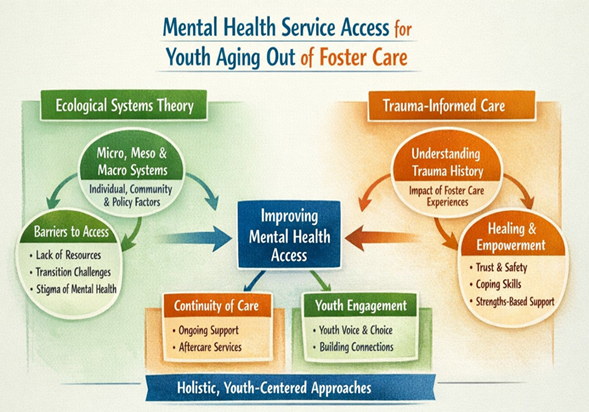
Figure 1: Theoretical Framework of Ecological Systems Theory & Trauma-Informed Care
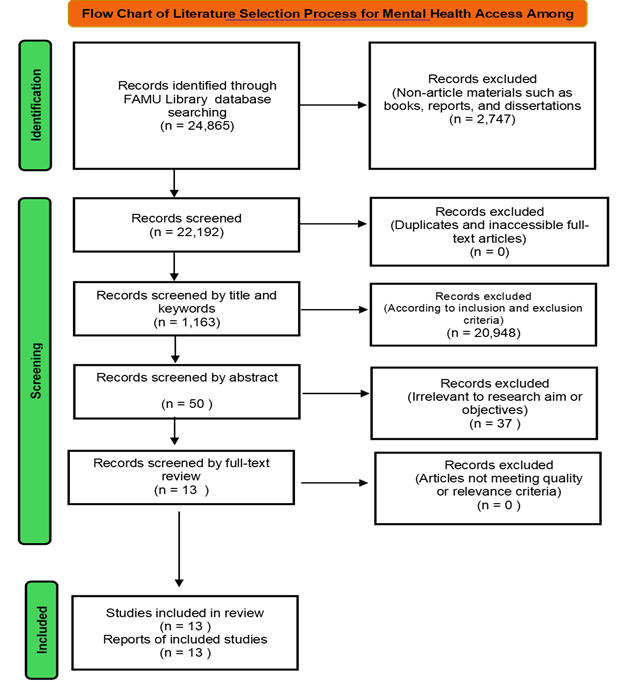
Figure 2: Flow Chart for Systematic Review of the Literature
The content analysis was used during the screening and organization process to help identify patterns and group similar findings across studies. Each article was reviewed, and key ideas related to mental health service, access and use were identified. These ideas were grouped into broader categories and organized into themes that appeared across multiple studies. This process helped highlight consistent patterns in how youth experience mental health services during and after foster care.
The initial search yielded over 24,900 results, which were reduced through database filtering and removal of non-relevant sources (e.g., books, reports, non-English publications). Titles and abstracts were screened for relevance, followed by full-text review using predefined inclusion criteria. This process resulted in a final sample of 13 articles included in the analysis.
Results
A manual content analysis was conducted to identify patterns across the selected studies. Each article was systematically reviewed, with key concepts related to mental health service access, barriers, and engagement identified through open coding, which was grouped into broader themes. Synthesis of the 13 studies revealed consistent and interrelated patterns in mental health service access among youth aging out of foster care. Across the literature, service utilization declined following transition out of care, indicating that structured supports within the child welfare system are not consistently sustained into adulthood. This analysis identified key structural, relational, and systemic barriers affecting service continuity.
Structural barriers were most frequently reported and included loss of health insurance, limited transportation, and shortages of mental health providers. These challenges were compounded by fragmentation between child welfare and adult service systems, resulting in discontinuities in care and increased risk of disengagement.
Relational barriers further limited service access. Youth frequently described mistrust of providers and institutions, often rooted in prior negative experiences. Mental health stigma also contributed to reduced help-seeking. As a result, some individuals relied more heavily on informal supports, such as peers and community members, rather than formal services. Together, these structural and relational factors were associated with decreased engagement in mental health care. Disparities in access were more pronounced among youth with histories of placement instability and among youth of color, highlighting inequities operating across multiple ecological levels.
The analysis also identified gaps in transition planning. Many youth experienced difficulty managing their mental health needs after leaving care, particularly when navigating adult service systems without adequate guidance. These challenges contributed to fragmented service trajectories during a critical developmental period.
Although the final sample included 13 studies due to stringent inclusion criteria and limited recent research on this population (see Table 1), the findings provide meaningful insight into patterns of service access. Overall, the results suggest that barriers to mental health service access are multifaceted and shaped by the interaction of structural, relational, and systemic factors over time. These findings underscore the need for coordinated, multilevel interventions to improve continuity of care and support mental health service engagement among youth aging out of foster care (See Appendix A).
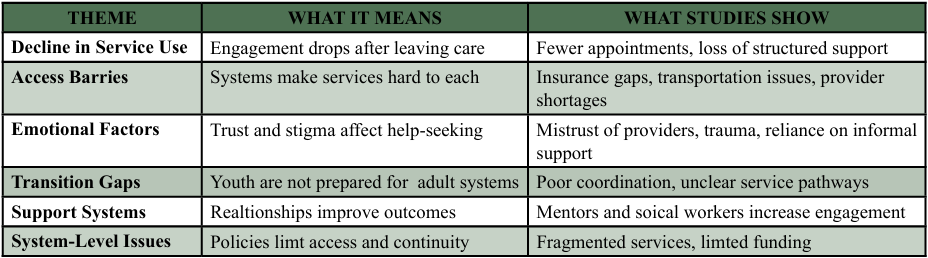
Table 1. Thematic Patterns Based on Content Analysis
Discussion/ Implications
Findings from the 13 studies show a consistent decline in mental health service use among youth aging out of foster care, particularly after discharge. This decline is largely driven by structural barriers, including loss of insurance, limited transportation, and provider shortages. System instability and frequent placement changes further disrupt continuity of care. Psychosocial factors also contribute, including stigma, mistrust of providers, and negative prior service experiences. Overall, structural and relational barriers interact to create significant gaps in mental health service continuity.
Because inclusion and exclusion criteria shape which studies enter the review, systematic reviews must guard against selection bias, which can occur when the filtering process unintentionally over represents certain populations, methods, or findings and thereby distorts the overall conclusions.
Future research may benefit from the integration of machine learning and advanced data analytic approaches to further examine patterns in mental health service utilization among youth aging out of foster care. These approaches may enhance the ability to synthesize large bodies of literature and identify complex relationships across systems.
CSWE Competency Alignment: This study aligns with the competency-based framework outlined in the Council on Social Work Education (CSWE) [22] Educational Policy and Accreditation Standards (EPAS) 2022, which emphasizes the integration of knowledge, values, and skills to promote well-being and address systemic barriers. The findings of this study particularly reflect:
• Competency 2: Engage Diversity and Difference in Practice: This research highlights how foster youth experience unique barriers related to stigma, trauma, and intersectional identities, emphasizing the need for culturally responsive and inclusive practice.
• Competency 3: Advance Human Rights and Social, Economic, and Environmental Justice
The study identified systemic inequities in access to mental health services, which reinforces the role of social workers in advocating for equitable service delivery and policy reform.
• Competency 4: Engage in Practice-Informed Research and Research-Informed Practice This systematic review demonstrates the use of research to inform practice by identifying patterns and gaps in mental health service access among foster youth.
• Competency 6: Engage with Individuals, Families, Groups, Organizations, and Communities
The importance of supportive relationships and engagement strategies reflects the need for social workers to build trust and foster meaningful connections with clients.
• Competency 8: Intervene with Individuals, Families, Groups, Organizations, and Communities
Findings emphasize the need for trauma-informed and developmentally appropriate interventions to support continuity of care.
The EPAS (2022) framework highlights that social work competence involves integrating knowledge, values, and skills in a purposeful and culturally responsive manner to promote well-being . This study directly supports that framework by identifying real-world barriers and informing effective, practice-based solutions.
Acknowledgements:
This study was conducted in partial fulfillment of the Undergraduate research mentorship program. This research was made possible by the FAMU Title III Undergraduate Research Program Project 008042 and the FAMU Office of Undergraduate Research.
Competing Interests:
None
References
Berridge, D. (2017). The education of children in care: Agency and resilience. Springer. View
Dworsky, A., & Courtney, M. E. (2018). Addressing the mental health needs of youth aging out of foster care. Children and Youth Services Review, 94, 144-153.
Okpych, N. J., & Courtney, M. E. (2017). Who goes to college? Social capital and other predictors of college enrollment for foster-care youth. Journal of the Society for Social Work and Research, 8(4), 563–593. View
Brown, S. M., Shillington, A. M., & Jones, S. (2020). Aging out of foster care: The impact of extended foster care on mental health service use. Children and Youth Services Review, 118, 105355.
Kruszka, B. J., Lindell, D., Killion, C., Criss, S. (2012). “It’s like pay or don’t have it and now I’m doing without”: The voice of transitional uninsured former foster youth. Policy, Politics, & Nursing Practice, 13(1), 27-37. View
Berridge K. C. (2018). Evolving concepts of emotion and motivation. Frontiers in psychology, 9, 1647. View
Kim, Y., & Salazar, A. M. (2021). Institutional mistrust and mental health service use among college students with foster care histories. Journal of Social Service Research, 47(5), 689 701.
Villagrana, M., Guillen, C., Macedo, V., Lee, S.Y. (2017). Perceived self stigma in the utilization of mental health services in foster care and post foster care among foster care alumni. Children and Youth Services Review, 82, 94–100. View
McCarthy, L. P., Xu, Y., Hageman, S., & Wang, Y. (2024). Intersectional disparities in access to mental health services among youth aging out of foster care. Child Protection and Practice, 3, 1-9. Article 100066. View
Dworsky, A., & Courtney, M. E. (2010). The risk of homelessness among youth aging out of foster care. Children and Youth Services Review, 32(10), 1468–1476. View
Bronfenbrenner, U. (1979). The ecology of human development: Experiments by nature and design. Harvard University Press. View
Keeshin, B. R., Bryant, B. J., & Gargaro, E. R. (2021). Emotional dysregulation: A Trauma-Informed Approach. Child and Adolescent Psychiatric Clinics of North America, 30(2), 375–387. View
Maguire, D., May, K., McCormack, D., & Fosker, T. (2024). A systematic review of the impact of placement instability on emotional and behavioural outcomes among children in foster care. Journal of Child & Adolescent Trauma, 17(2), 641–655. View
Amaya Jackson, L. M. (2025). Trauma, PTSD, and emotional dysregulation. Journal of the American Academy of Child & Adolescent Psychiatry, 64(10), S162. View
Greeson, J. K. P., & Thompson, A. E. (2014). Aging out of foster care and the transition to adulthood: Past research, current knowledge, and future directions. Adolescent Research Review, 1(1), 27–51.
Dworsky, A, White, C. R., O'Brien, K., Pecora, P., Courtney, M., Kessler, R., Sampson, N., & Hwang, I. (2010). Racial and ethnic differences in the outcomes of former foster youth. Children and Youth Services Review, 32(6), 902-912. View
Villagrana, K. M., Turnlund Carver, A., Holley, L. C., Nwabuzor Ogbonnaya, I., Stott, T., Denby, R., & Ferguson, K. M. (2024). “You have to go hunting for information”: Barriers to service utilization among expectant and parenting youth with experience in foster care. Child & Family Social Work, 29, 571-583. View
Salazar, A. M., Haggerty, K. P., & Roe, S. S. (2016). Fostering higher education: A postsecondary access and retention intervention for youth with foster care experience. Children and Youth Services Review, 70, 46–56. View
Bronfenbrenner, U., & Morris, P. A. (2006). The bioecological model of human development. In R. M. Lerner (Ed.), Handbook of child psychology (6th ed., Vol. 1, pp. 793–828). Wiley. View
Leathers, S. J., Spielfogel, J. E., & Blakeslee, J. E. (2021). Intervening with youth in foster care: The role of trauma- informed interventions. Journal of Emotional and Behavioral Disorders, 29(1), 33-43.
Salazar, A. M. (2013). Investigating the predictors of postsecondary education success for foster youth. Youth & Society, 45(4), 464-480. View
Council on Social Work Education (CSWE). (2022). 2022 Educational Policy and Accreditation Standards. Council on Social Work Education. View
Cohen, D. A., Londoño, T., Klodnick, V. V., Emerson, K. R., & Stevens, L. (2022). “There wasn’t any build up to it, it was just like, now you have to go over’: Disengagement during the child to adult community mental health service transition. Journal of Adolescent Research, 38(4). View
Jackson, M. S., Colvin, A. D., & Bullock, A. N. (2020). Strategies to address mental health challenges of foster youth transitioning to college. Journal of Adolescent Research, 37, 1-13. View
Jones, L. (2012). Health care access, utilization, and problems in a sample of former foster children: A longitudinal investigation. Journal of Social Service Research, 38(5), 557–571. View
Klodnick, V. V., Johnson, R. P., Sapiro, B., Fagan, M. A., & Cohen, D. A. (2024). How young adults with serious mental health diagnoses navigate poverty post-emancipation: The complex roles of community mental health services & informal social support. Community Mental Health Journal, 60, 635–648. View
Klodnick, V.V., Shapiro, B., Johnson, R. P., Schneider, A., Morris, C., & Fagan, M. A. (2021). Shifting from receiver to provider: Aging out of semi-institutional child welfare settings with serious mental health diagnoses. Children and Youth Services Review, 127, 1-9. Article 106120. View
Manuel, J. I., Munson, M. R., Dino, M., Villodas, M. L., Barba, A., & Panzer, P. G. (2018). Aging out or continuing on? Exploring strategies to prepare marginalized youth for a transition to recovery in adulthood. Psychiatric Rehabilitation Journal, 41(4), 258–265. View
Narendorf, S. C., Glaude, M., Munson, M. R., Minott, K., & Young, B. (2021). Adaptation of a mental health treatment engagement intervention for older foster youth. Child and Adolescent Social Work Journal, 38, 27–41. View
Villagrana, M. (2023). Foster care alumni’s perceptions of mental health services received while in foster care. Child and Adolescent Social Work Journal, 40, 597–606. View
Villagrana, M., & Lee, S. Y. (2020). Foster care alumni’s perception of mental health services while in foster care: A focus on the mental health provider and therapeutic process. Journal of Public Child Welfare, 14(5), 570-586. View