
- About the Journal
- Editorial Board
- Review Process
- Author Guidelines
- Article Processing Charges
- Special Issues
- Current Issue
- Past Issue
 Journal of Social Work and Welfare Policy
Journal of Social Work and Welfare Policy Volume 4 (2026), Article ID: JSWWP-204
https://doi.org/10.33790/jswwp1100204Research Article
Young Adult Perspectives on Suicide: A Critical, Participatory, Just Practice Approach to Suicide Thoughts and Help- Seeking
Antonia R. G. Alvarez1*, PhD, LMSW, Nguyen Thi Bich Thao2, MSW, Michelle Bangen3, MPH, CHES, Charlette Glaus4, RN, CCRN and Monica Parmley-Frutiger5, LCSW,
1Associate Professor, School of Social Work, Portland State University, Portland, Oregon, United States of America.
2PhD Student, School of Social Work, Portland State University, Portland, Oregon, United States of America.
3Co-Founder, Incite Agency for Change, Corvallis, Oregon, United States of America.
4Co-Founder, Incite Agency for Change Salem, Oregon, United States of America.
5Youth SAVE Program Director, REAP Inc., Portland, Oregon, United States of America.
Corresponding Author Details: Antonia R. G. Alvarez, PhD, LMSW, Associate Professor, School of Social Work, Portland State University, Portland, Oregon, United States of America.
Received date: 30th October, 2025
Accepted date: 12th June, 2026
Published date: 15th June, 2026
Citation: Alvarez, A. R. G., Thao, N. T. B., Bangen, M., Glaus, C. & Parmley-Frutiger, M. (2026). Young Adult Perspectives on Suicide: A Critical, Participatory, Just Practice Approach to Suicide Thoughts and Help- Seeking. J Soci Work Welf Policy, 4(1): 204.
Copyright: ©2026, This is an open-access article distributed under the terms of the Creative Commons Attribution License, which permits unrestricted use, distribution, and reproduction in any medium, provided the original author and source are credited.
Abstract
This manuscript presents research findings from a Participatory Action Research project that examines the contexts of suicide thoughts among young adults, ambivalence related to helpseeking, and factors that contribute to wanting to live. Using focus group data (n = 16) a diverse group of young adults with lived experience with suicide and/or substance use ages 18-29, this project utilizes a Just Practice and Critical Suicidology approach to explore young adult suicidality. The findings address the personal and contextual factors that affect suicide thoughts and decisions about help seeking during their crisis moments, and the factors that contribute to their wanting to live. The young adults described unique perspectives on suicide feelings and decisions, and the inclusion of their voices addresses a critical gap in current research on suicide. Ultimately, the findings signal the need for structural, relational, intersectional, and traumainformed solutions to suicide thoughts and behaviors that take into consideration the voices of lived experience.
Keywords: Young Adults, Suicide Thoughts, Suicide Help-Seeking, Participatory Action Research
Introduction
Advancements in the field of suicide prevention and intervention collectively known as suicidology have made considerable progress in recent decades. The utilization of quantitative research methods like randomized control trials and psychological autopsy studies has significantly enhanced our understanding of epidemiological risk factors, warning signs, and statistical predictors of suicide behaviors across different stages of human life [1]. Critical gaps remain, however, regarding the complexity of suicide ambivalence: the profound, simultaneous desire to end one's life and the competing wish to continue living [2]. In particular, mainstream suicidology has frequently overlooked the first-person, lived experiences of young adults navigating these conflicting emotions and how they impact help-seeking, leaving a vital qualitative dimension under-explored.
To address this gap, the Young Adult Suicide and Substance Use Prevention Project (YASSP) was established. Conducted in the Pacific Northwest in 2022, YASSP utilizes participatory action research [PAR], uniting an interdisciplinary team of communitybased and University-based researchers. The project aimed to center the perspectives of young adults regarding their encounters with suicide prevention and intervention strategies, ultimately integrating these firsthand insights into community-developed intervention tools. To guide this inquiry, this study investigates the following central research questions: 1) How do both personal and contextual factors contribute to suicide thoughts and feelings among young adults? 2) How do young adults experience and negotiate the tensions of help-seeking during acute crisis moments? 3) In what ways can existing prevention tools be reimagined to better align with the selfarticulated needs of young adults?
Through this collaborative inquiry, young adult participants shed light on three critical dimensions of their experiences (1) the ecological contexts that precipitated their suicide ideation, (2) the profound ambivalence they experienced when deciding whether or not to seek help, and (3) the specific protective factors that reconnected them to a desire to live.
Theoretical Frameworks
To fully interpret these narratives, the findings and subsequent recommendations of this research are analyzed through a dual theoretical lens: Critical Suicidology [1,3,4] integrated with the Just Practice Framework [5]. Critical Suicidology serves as a vital corrective to traditional, biomedical paradigms that pathologize and individualize suicide. By shifting the analytical focus from individual deficit to broader socio-political and economic environments, a critical lens allows us to examine how systemic inequities, historical contexts, and institutional failures shape distress. Complementing this, the Just Practice Framework injects a dedicated social justice orientation into the analysis. It provides an evaluative tool centered on meaning, power, history, and context, forcing us to account for how power dynamics influence who is heard, who is marginalized, and how "help" is defined within institutional care. The Just Practice Framework is also specifically rooted in the context of social work, which makes it applicable and relevant to the field in which we practice. Each framework will be applied and described in greater detail throughout. By synthesizing these two frameworks, this study moves beyond mere symptom identification to engage with the structural realities of young adults' lives. With this understanding, we emphasize the need for more systemic approaches that utilize qualitative research and methodologies to build effective practices in the field of suicidology.
Background
For the past two decades, deaths due to suicide continued to be the second leading cause of premature death for people aged 10–24 in the United States [6]. Older adolescents and young adults aged 15 to 24 had suicide rates of 15% in the United States [7]. In this manuscript, the study focuses on suicide thoughts and behaviors in young adults ages 18–24. As there is a dearth of available literature specifically addressing suicide among young adults aged 18-24, the literature review concentrates on a broader age range, encompassing individuals aged 10 to 24. This age group is identified as facing an escalated risk of suicide [6]. Suicide rates among young adults in the U.S. have fluctuated though there have been nationwide efforts to reduce suicide rates, with a focus on school-based suicide prevention and intervention training programs [8]. While school-based training programs often improve knowledge and confidence in identifying and responding to suicide risk, evidence suggests that these understandings do not consistently translate into increased helpseeking among youth [9]. White et al. [1] argue that youth suicide rates are shaped by broader historical, social, cultural, and structural contexts, as well as the conditions within the communities in which young people live.
Numerous contextual factors ranging from isolation [10] and loss [11], to suicide exposure and histories of trauma and abuse [12] have been found to contribute to young adults’ suicide thoughts and behaviors. Emerging research also suggests that young adults experiencing health-related concerns, including suicide thoughts and behaivors and other mental health challenges, may encounter institutional betrayal when seeking support from healthcare systems. Institutional betrayal refers to harm experienced within healthcare settings that is further exacerbated when institutions fail to acknowledge, address, or appropriately respond to young adults' needs [13,14]. This betrayal may include system-level omissions, such as failing to follow safety procedures or explain treatment side effects, as well as commissions, such as mishandling patient information or minimizing patient concerns. Research suggests that young adults who experience healthcare-related institutional betrayal often report emotional responses such as distrust, helplessness, dissociation, anxiety, and other trauma-related outcomes [15,16]. These experiences can negatively affect trust in providers, shape interactions with healthcare systems, and influence expectations of future care [13]. Limited qualitative study has examined institutional harm among young adults with histories of suicide ideation and suicide attempts, including those experiencing chronic suicide ideation. Even less is known about how these young adults interpret the severity of such experiences or how these experiences may influence help-seeking, avoidance or engagement behaviors with health care systems, and health-promoting behaviors [17,18]. As a broader contextual factor, institutional betrayal may shape how young adults with thoughts of suicide perceive health care systems, trust providers, and make decisions about seeking support following harmful or invalidating experiences. Moreover, little is known about how young adults experience contextual factors such as social support, family support, and social connectedness, and what they find helpful when seeking support during periods of suicidality, despite quantitative evidence suggesting that these factors may help mitigate the risk of suicide thoughts and behaviors and contribute to resiliency to suicide behaviors in young people [19-21]. This study addresses this gap by examining how broader contextual influences including both institutional responses, relationships, and social connectedness shape young adults' helpseeking experiences and their willingness or hesitation toward seeking support.
Young adults in the U.S. transition to adulthood in the context of pervasive inequality entrenched within social structures. These inequalities include socioeconomic disparities, environmental injustices, racism, classism, ableism, hetero- and cisnormativity, cultural and religious biases, and the ongoing impacts of COVID 19. In addition, the evolution of social media platforms and the widespread use of smartphones have heightened the vulnerability of young adults to these contexts. These external structural elements have significantly impacted young adults’ well-being across various dimensions, including suicidality [22]. Youth who experience suicide thoughts and behavior are more likely to have a disrupted transition to adulthood and suicide thoughts and behavior in adolescence is associated with higher levels of suicide thoughts and behavior in adulthood [23].
Consequently, an understanding of various risk factors, warning signs, and the underlying causes leading to suicide behaviors among young adult suicide has proved insufficient. For the past decades, it has failed to capture the evolving drivers of suicidality or lower the national suicide rate. The perspectives of young adults themselves are pivotal to this work as it is clear that there is reluctance to access support during times of crisis [24]. Preventing suicide requires more comprehensive approaches [8] in understanding the root causes of suicidality and the inclination to seek help. Helpseeking, as defined by Pisani et al. [25], involves both disclosing suicide thoughts and behaviors to an adult, and perceiving oneself as actively seeking assistance. Such approaches necessitate involvement from researchers, practitioners, and young adults who have lived experiences with suicide thoughts and behaviors to delve into not only personal factors contributing to suicide ideation but also to the broader contextual factors contributing to or inhibiting suicide thoughts and decisions among young adults [26].
Using Critical Suicidology, an anti-oppressive framework [3] wherein a death that is ruled suicide is situated in the context of a person’s life, the study aims to shift from an individualized and problem-centered understanding of suicide thoughts and behaviors to a structural and social understanding of suicidality with first-person perspectives. With explicit connections to feminist, post-structuralist, anti-racist, postcolonial, and other critical theories, Critical Suicidologists utilize a structural analysis that challenges oppression and oppressive frameworks [4]. Acknowledging multilayered, multifaceted systemic approaches is crucial in mitigating the risk of suicide [24]. Given the restricted scope of research exploring the influence of macro-level contexts on suicide [9], the study seeks to enrich the discussion on suicide prevention and intervention methodologies and practice by focusing on the broader contextual factors that shapes the decisions of young adults regarding suicide, their reluctance to seek assistance and reasonings to continue to live.
In addition to acknowledging the impacts of macro-level situations on young adults’ suicidality, this study utilizes the Just Practice Framework which emphasizes meaning, context, power, history, and possibility rooted in social-justice-oriented practice [5]. The study endeavors to ascribe meaning by comprehending the experiences, emotions, and perspectives of young adults who contemplate suicide. This process involves delving into the personal significance and interpretations of young adults’ struggles, providing a deeper comprehension of their situations. Furthermore, the study explores the power dynamics at play in societal structures that might contribute to feelings of helplessness, marginalization, and disempowerment among young adults with suicide thoughts. Through this application of the Just Practice framework, researchers take into consideration the historical factors that might have shaped young adults’ experiences with suicide, including historical trauma, previous institutional responses to suicidality, numbers of suicide attempts, systemic barriers, or cultural influences impacting young adults’ reluctance to help-seeking.
Through participatory methods, this study fostered resilience and the possibility of the potential for change within the participants who engaged in the work. As a framework, Participatory Action Research (PAR) is uniquely suited for community-engaged research and involves a cyclic, facilitated, collaborative process of observation, reflection, planning and action [27]. Utilizing PAR in suicide prevention yields powerful benefits that extend beyond the immediate empirical findings. Participants often experience an enhanced sense of well-being, deeper connectedness, and greater confidence in prevention programming that intentionally centers the voices of community members, survivors, activists, and loved ones [28]. Furthermore, this approach profoundly impacts researchersas- learners, creating vital opportunities for mutual reflection and healing [28]. Limitations within this approach and potential directions for future research will be discussed.
Methods
The YASSP project was a participatory action research project conducted in the Pacific Northwest of the United States in 2022. The project was led by an interdisciplinary team of University and community-based suicide prevention scholars, champions, activists, leaders and practitioners who sought to engage young adults with lived experiences with suicide and substance use in the development of prevention and intervention strategies. The YASSP project had several components, including a young adult task-force that met regularly and helped design core aspects of the project itself, a series of focus group discussions with young adults with lived experiences of suicide, follow-up interviews with task force members as a final evaluation of the project, and a design team who organized and oversaw the research project as a whole. See Figure 1 for a depiction of the specific roles the task force, focus group participants, and design teams had throughout the project. This project was certified exempt by the University Institutional Review Board (IRB), Human Research Protection Program, protocol #227658-18. Each young adult participant consented to engage in the research process and was provided with compensation for their time task force members received $50 each week; focus group participants received $75 gift cards; interviewees received $40 gift cards. For the purposes of this manuscript, we will report only on the data gathered through the focus group discussions (n =16), as there were rich findings related to suicide thoughts, help-seeking behaviors, and connections to living for the young adults who participated.
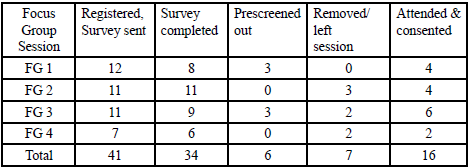
Figure 1: Project roles within Young Adult Perspectives on Suicide PAR Project
Recruitment /Sampling
The young adults recruited for this study had personal experiences with suicide and mental health and/or substance use and were asked to share their perspectives on the development of materials and strategies for suicide prevention and intervention relevant to their age group. Potential focus group participants were recruited (n = 41) through social networks of the interdisciplinary research team as well as the young adult task force members, listservs from community partners, and on social media. Interested participants registered using an online platform and then received email confirmations. Each registered participant was sent a link to fill out a prescreening/ demographic survey, which had an 83% rate of return. The prescreening requirements were: 1) exposure to suicide experiences and/or substance use challenges; 2) demonstrated understanding of the purpose of the focus groups as research rather than as therapy or psychoeducation; and 3) an ability to have their camera on for the entire virtual focus group discussion. 14.6% of the registered participants (n =6) were screened out after survey completion due to the prescreening requirements stated above. Upon completion of the prescreening and approval from the research team, the remaining registered participants were invited to join the virtual focus group session, which was held on the Zoom platform. Due to security and safety concerns that arose due to registrations by online bots, additional visual and verbal screening was conducted in the Zoom session to ensure that cameras were on and that the participants could verbally agree with the informed consent. Several participants (17%) were either removed from or left the session during the additional screening (n = 7) due to technological difficulties. Out of the fortyone who registered, sixteen participants (n = 16) completed the entire prescreening protocol and engaged with our focus group discussions. See Table 1 for detailed results.
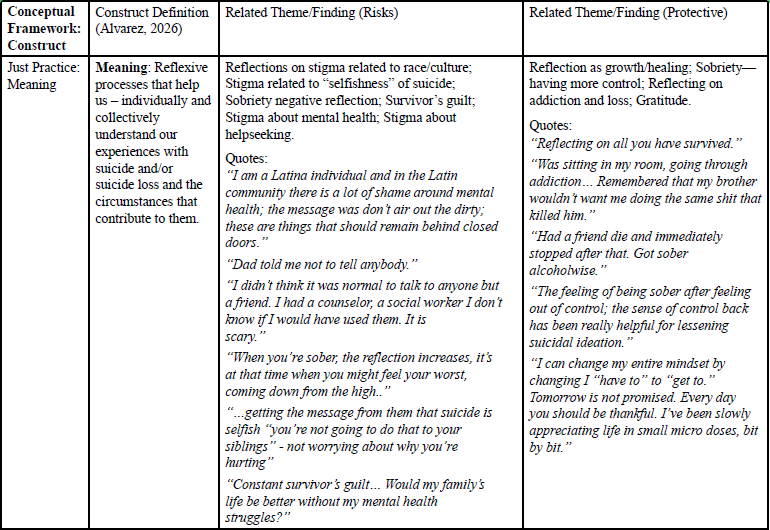
Table 1: Registration and prescreening results for Young Adult Focus Groups
Demographics
The focus group discussions included sixteen participants (n = 16), between the ages 18 to 29 participating in four virtual focus groups lasting 60-70 minutes each. Of the sixteen participants, one reported they had only been exposed to friends or family members with suicide tendencies, two had no suicide-related exposure but had substance use and mental illness exposure, and the remaining thirteen reported personal experiences with suicide ideation and/or attempts. Participants identified as White (50%), Black/African (25%), Latino/x (13%), Asian (6%), and an additional 6% did not answer. Most of the participants who attended identified as either lesbian, gay or bisexual, or pansexual (68%); half identified as female (50%), just over a third identified as male (37%), 6% as transgender/non-binary or third gender, and 6% as gender fluid. The highest education reported was the completion of a four-year degree (38%), others included an Associates or technical degree (13%), some college but no degree (19%), highschool diploma or GED (25%), and some high school (6%). None of the attendees had any military service experience. 93% of participants reported depression and/or anxiety, and 44% reported experiencing body dysmorphia. Other mental health challenges listed included bipolar disorder, obsessive-compulsive disorder, reactive attachment disorder, borderline personality disorder, and substance abuse disorder. 31% reported that they were living with a disability. Just less than half of the participants had parents who were married and middle to high-income earners (43%). In contrast, the majority had single or divorced parents who were middle to low-income earners (56%). 25% of the sixteen attendees had experienced pregnancy and/or were parenting, and three out of these four participants were coming from low-income socialeconomic backgrounds with single parents.
Data Collection
Each of the focus group discussions occurred on the Zoom platform. When participants logged in, a facilitator met with each individual in a break-out room to confirm the prescreening expectations and review the components of the informed consent to engage in research. After the prescreening was complete, the Principal Investigator shared the informed consent document and read through the research project components. Each participant signed the consent form and then was moved into a breakout room with the facilitator(s) to engage in the focus group discussion.
There were four focus groups with sixteen participants total (n = 16), lasting 60-70 minutes each. Each of the focus groups was facilitated by at least one member of the research team, was conducted in English, had a note-taker present, and was video and audio recorded. The facilitator(s) introduced themselves, asked each participant to introduce themselves, and discussed community agreements for the duration of the focus group discussion. Participants were asked not to use the “chat” feature on Zoom to share their stories or experiences, in order to keep the dialogue as centralized as possible. Rather, chat was encouraged as a way to affirm what others were saying and/or to offer compassionate responses.
Data Analysis
After the focus groups were transcribed, utilizing ATLAS.ti 23.2.1 for Mac, we conducted initial thematic analysis on the completed focus groups. Codes were organized around the questions from the focus group protocol and emergent themes were identified and clustered as they developed. Results were presented to the interdisciplinary team as well as the young adult task force to further guide the analysis and to member check the emergent themes. In our recent revision, we have deepened our analysis combining our thematic, inductive coding with a codebook template drawn from the Just Practice and Critical Suicidology Frameworks. With this revision, our approach to analysis is similar to Fereday & Muir-Cochrane’s hybrid approach to inductive and deductive coding [29] and to DeCuir-Gunby et al.’s theory-driven coding [30]. Researchers compared our initial themes to the concepts within the theoretical frameworks Just Practice and Critical Suicidology, building a codebook [31] of theory-driven codes [30]. The codebook contains each construct from the framework (for example, “power” from Just Practice) and a researcher derived definition of how that construct applies to suicide-related narratives and experiences. The data were then selectively coded and analyzed though the lens of this theory-driven codebook. With this perspective, each construct was also found to have both risk-related and protective qualities, so the themes were divided between those categories. Throughout the analysis process, researchers frequently returned to the literature and to the raw data in an iterative process to deepen our understandings of the findings. Additionally, our literature review was conducted iteratively, and grew as we understood and identified new themes in the data.
See Table 2 for a detailed matrix data display of the Just Practice and Critical Suicidology Frameworks, the definitions that were developed for each core construct, the related themes and findings that emerged in the data pertaining to both risk and protective factors for suicide, and demonstrative quotes from participants.
Table 2: Data Matrix of Just Practice and Critical Suicidology Frameworks and Data Analysis Results
Results
Through an analysis of the data matrix, it is clear that constructs within both the Just Practice and the Critical Suicide frameworks are resonant within the stories that were shared. There were emergent themes related to risks in each construct, and emergent themes related to protective factors within six of the nine constructs. The emergent themes for each construct will be discussed in greater detail below.
Findings
Meaning. This construct describes reflexive processes that help individuals and groups understand experiences with suicide and/or suicide loss and the circumstances that contribute to them. Reflections on meaning contributed to suicide risk when they emerged as stigma, negative self-reflection, or guilt. Each of these reflections further harmed the young adults who described them. Meaning contributed to suicide protection when it emerged as self-reflection on growth, healing, and gratitude.
Stigma, negative self-reflection, and guilt. Within their reflections, there were several types of stigma described by young adults as contributing to their suicide risk, including stigma related to helpseeking in many racial, cultural, familial and religious communities. Participants described the negative impacts these stigmas had on their ability to receive support, for example, one participant explained: “I am a Latina individual and in the Latin community there is a lot of shame around mental health; the message was don’t air out the dirty; these are things that should remain behind closed doors.” Many participants interpreted these messages as reasons not to share their feelings or their own concerns about mental health. One young adult said explicitly: “Dad told me not to tell anybody.” Another reflected: “I didn’t think it was normal to talk to anyone but a friend. I had a counselor, a social worker—I don’t know if I would have used them.” In this context, the stigma that mental health and help-seeking carried in their families and communities created meaningful narratives for the young adults, which contributed to their risks for suicide.
Negative self-reflection emerged as a risk of sobriety for some of the young adult participations. One said young adult explained, “When you’re sober, the reflection increases, it’s at that time when you might feel your worst, coming down from the high.” In this example, substances were being used as coping mechanisms and their sobriety brought back the participant’s thoughts of suicide. The meaning of sobriety needs to be nuanced and complex to understand and explore young adult suicide experiences.
Guilt was another component of self-reflection that contributed to young adult suicide risk. Participants often described their feelings of guilt related to suicide as rooted in the narrative that suicide is selfish and that it harms other people. One young adult shared that she was “getting the message from them [parents] that suicide is selfish “you’re not going to do that to your siblings.” [They were] not worrying about why you’re hurting.” In this case, the belief that killing yourself is selfish was used to put blame on the person thinking about suicide, creating a sense of guilt and shame for having those thoughts.
Another participant described reflecting on the challenges that her mental health struggles have brought to her family and feeling a deep sense of guilt. She shared, “I have constant survivor’s guilt. …Would my family’s life be better without my mental health struggles?” This participant reflected on her chronic struggles with suicidality and depression as negatively impacting her family. The meaning this young adult attributed to her survival from suicide thoughts was rooted in an on-going experience of guilt.
Reflecting on survival, loss, sobriety, and gratitude. When participants described self-reflection on their growth and healing, it contributed to their protection from suicide thoughts. Some young adults described the power of identifying their own resilience and “reflecting on all you have survived.” Recognizing their own capability and survivance contributed to a sense of pride. Some young adults described the sense of needing to go through difficulties in order to recognize their own strength.
Others described reflecting on loss as a meaningful step in their journey. Several participants reflected on losses related to substances and the impact that had on their own substance use. "I was sitting in my room, going through addiction… Remembered that my brother wouldn’t want me doing the same shit that killed him.” Another shared: “I had a friend die and immediately stopped after that; got sober (alcohol-wise).” After experiencing losses, this self-reflection enabled the young adults to make decisions and take actions towards sobriety.
Re-establishing a sense of control was another important benefit of reflection for some participants. “The feeling of being sober after feeling out of control; the sense of control back has been really helpful for lessening suicide ideation,” shared one young adult. Sobriety, in this case, contributed positively to a young person’s feeling of control in their life, which was protective from their suicide thoughts.
Another important reflection was about the power of gratitude. One participant described having the awareness that he can shift his mindset, which shifts his thoughts and behaviors. He reflected, “I can change my entire mindset by changing “I have to” to “I get to.” Tomorrow is not promised. Every day you should be thankful. I’ve been slowly appreciating life in small micro doses, bit by bit.” The cumulative impacts of small gratitude practices was contributing to this participant’s overall well-being.
Context. This construct encourages an exploration of the people, events, beliefs, assumptions, patterns, places, and connections that impact experiences with suicide and/or suicide loss. The emergent themes here centered on conditions from internal to social/relational to structural that contributed to suicide risks, and conditions that supported suicide protection. Finding ways to cope with the context seemed paramount to surviving the impacts.
Loss was consistently the most significant contextual factors that young adults described contributing to suicide risks. Several participants described the impacts of the loss of close family members and beloved pets. Others experienced losses that were connected to suicide and reflected on the ways it made them feel. One participant, who had previously struggled with suicide thoughts talked about losing her friend to suicide as a major contributor to her recurring thoughts. She shared:
I lost my best friend to suicide. He was the light of my life, kept me stable, out of trying to do it all over again. I had no clue he was struggling. He didn’t tell anyone. I got a call that he died… After that my emotions woud go spiraling out of nowhere. Random triggers—song on the radio, going to the restaurant we used to go to all the time—I’d completely break down.
Other conditions that contributed to risks spanned a broad range of personal challenges from health concerns to overwhelm. One young adult shared “maybe it’s family and school at the same time, or a breakup at the same time; a sense of hopelessness when there is too much, it feels like you can’t handle everything at once.” Another offered a similar perspective, “School, soccer, a career all going on. I kept thinking, “I’m going to fail.” Dark thoughts filled my head.” Many participants talked about needing a higher level of support than they could access at the time and most did not feel like they had adults they could talk to.
Structural contexts also contributed to young adults’ risks for suicide. Numerous young adults described experiences with institutionalization and/or with the institutionalization of care. One young adult talked about having serious mental health challenges and then being sent to jail. He attempted suicide as a way to avoid institutionalization—“I was struggling hardcore with that shit when I was locked up in jail. I didn’t know where I was going; I thought I was going to corrections for 3 years… I didn’t know what was going to happen.” For this young adult, the consequent suicide attempt was exacerbated by the context of institutionalization.
An additional and perhaps even stronger concern was the institutionalization of care that the young adults were met with when they did seek help. One participant described their interaction with the police after a roommate called the police:
Having to deal with the police first. Being treated like a criminal when I was seeking help was not a fun experience. Being pulled out of my apartment, dragged out, searched like I had a weapon on me, put in front of the cop car and being interrogated was not the best response for someone who was suicidal.
Another participant shared their frustration, “if I was talking to a counselor and they went super clinical it really activated me.” Similarly, another young adult reflected, “DHS, family treatment centers the help they were offering me wasn’t what I wanted…” Institutional care for suicide thoughts and behaviors did not meet the needs of the young adults we spoke with.
Seeking support, many young adults turned to peers. One participant describes the ways his roommate met his need: through drugs and alcohol. He shares:
My roommate at the time was already abusing substances at that point. He also had depression and anxiety and he was the closest person to me. I thought I could share my traumas. He offered to share more substances. At that point I thought he awas doing me good, but looking back, it was not.
Another described substance use as a reckless suicide attempt, “I remember the feeling of the rush, of doing more and more, because of close calls. I was purposely playing with death at that point. Felt relief if my heart started to go too fast, but also terrified. It would stop, then I would do it all over again. It was destructive.” For some, substance use contributed to a dangerous pattern of escalating suicide behaviors.
For others, however, substance use was described in a difficult tension between contributing to suicide thoughts and behaviors as well as helping the young adults to cope with their problems and troubles. One participant reflected on using substances to avoid suicide thoughts: “I would use drugs to cope and help me not think about suicide. Probably not the healthiest.” Another expressed a similar experience:
Substance use was a coping skill for me. I don’t associate it with suicide ideation or the attempts. In certain ways, not always, the substance use was what was keeping me alive. At that time it was the best that I could do.
Alternatively, acceptance and connection were conditions that supported protection from suicide among young adults. “Having a community where you feel like your identity is encouraged and celebrated.” Another young adult shares: “My mom. Whenever I think about her, she was my reason to push on. I just struggle— I’ve got to make her proud; that made me want to live.” Connections to loved ones had a direct, positive impact on their will to live. Another young adult shared:
Whenever thoughts, I think about I have suicide the facial expressions of my best friend, and all the people close to me and how they would react if they heard I had died. That shit fucking kills me. Pulls me out of it.
The contexts surrounding suicide thoughts and behaviors have significant impacts on the choices that a young adult makes.
Power. This construct explores the articulation of and analysis of the types of power being enacted in a given situation and the impacts of that power on experiences with suicide and suicide loss. For young adults with suicide thoughts the primary consideration with power was the risk associated with how it was wielded over them in their care. Many described not being taken seriously— sometimes even when actively and repeatedly seeking help. One young adult went to the ER indicating she needed additional support and was turned away. She explains, “I was told my attempts weren’t serious enough.” Others talked about the ways their needs were not considered relevant or important: “I wanted a therapist. I don’t think my parents comprehended what I meant… I needed someone to talk not. She [art therapist] was treating me like I was 5.” Young adults are in a transition age where many care providers seem to struggle to meet their needs.
History. This construct is the consideration of the location in time and the ways that events, memories, stories, practices and interpretations inform understandings of suicide and suicide loss. Risks were paramount with regards to these histories, largely rooted in chronic struggles with mental health and suicide, traumas, and institutional harms. Numerous participants traced their suicide histories as far back as their early childhood from as young as seven through their early teenage years, into young adulthood. One participant described the barriers they felt in receiving support from their family throughout their lifetime, “I struggled ever since I was a kid to get them to understand.” Another said “I didn’t get support I needed when I was younger, it built up over time.”
Several participants talked about the struggles with suicide as explicitly connected to their trauma histories. Specifically, several participants described prior suicidality in connection with histories of domestic violence, physical and sexual abuse, and neglect. One shared, “my suicide ideations go back before I was a teenager. I’ve been through a lot in my childhood sexual abuse, physical abuse from my parents, my mom…” Another participant described a similar experience of trauma history and suicide risk:
At 16, was sexually assaulted by someone I trusted and was friends with. When I got home, parents could not figure out what was going on with me. I couldn’t tell them because I felt so disgusted/ashamed I would let that happen to me. Didn’t want them to know and be disgusted with me and my actions… I had a second [suicide] attempt at 17 because I bottled everything up.
Possibility. This construct challenges and invites the visioning of alternative futures, acknowledging that perceptions can change experience related to suicide and suicide loss. The risks with possibility were more minimal, but a salient consideration was the wish to understand a death or loss. One participant reflected, “I don’t know if her death was a suicide… I struggled with it… and accepted that I will not find out how she died.”
The protective powers of possibility were most salient in the belief that young adults could help others who are struggling. A participant shared this connection directly: “Knowing I can have an impact on other people’s wellbeing and mental health also impacts my wellbeing and mental health.” Several talked about the protective benefits of their work in the helping professions and on suicide hotlines in particular “encouraging other people to stay safe teaches you the importance of your own life.”
Close connections were also named as important locations of possibility. Grandparents, parents, siblings, nieces and nephews, close friends were all described as relationships that filled people with purpose, responsibility, joy all contributing to suicide protections. One participant reflected, “when I talk to them I forget everything, it brings a new happiness within me.”
Structural/systemic. This construct considers the roles of social, environmental, economic and institutions in the experiences of suicide and /or suicide loss. A primary theme that emerged within this construct was the impact that the COVID-19 pandemic had on young adults’ experiences with suicidality. The increased isolation and fear had emotional, economic, and behavioral impacts related to suicide risk. One participant said that the isolation during the pandemic was “one of the main problems, the main reason” he was thinking about suicide.
Additional concerns related to institutional betrayal and harm ranged from previous negative experiences with formal support systems and interventions to a general reluctance to rely on those systems instead of receiving personal support and care. One participant described the impact of having to be in an ER after a suicide experience, sharing:
…[They] put you into those rooms... I had to strip down. Put me in a room with nothing. Cameras. Isolated me. My biggest fear. Even with no trauma. A room alone, wearing paper clothes. I never wanted to trust those people. They never helped me. I never got a feeling of compassion.
Several participants shared similar encounters, one describing being put in a hospical room with a roommate who was not safe for her to be with and the impact that had on future help-seeking: “Since then I was very afraid to involve hospitals, hospital social workers. I had no trust for them after that experience”.
Intersectionality. This construct explores how power interacts with identities to shape lived experiences with suicide and suicide loss. Here important intersections between age, sexuality, race, and gender interacted directly with mental health and suicide risk. Participants described the dismissal of their mental health challenges due to their young age. One expressed, “They think just because you are young you do not have to go through extra stuff. If you tell them, they tell you you are too young to be going through that.” Similar challenges related to sex and sexuality contributed to feelings of having to hide parts of their identity and/or have experiences that you cannot share with your loved ones and do not know how to process. A participant talked about her struggles as a queer person within her religious family: “My parents were religious, they had high and strict expectations, and certain behaviors were not allowed. My identity or behaviors did not fit that mold.” Later she discussed the ways these restrictions from her parents served to silence her, ultimately leading to mental health crises. Several participants talked about the stigmas within their racial and cultural communities related to mental health and suicide. One shared, “nobody expects a young black man to be going through depression.” Alternatively, there was an expressed need for the protective role that these intersectional identities could have contributed. A different participant yearned for that possibility—“I needed my culture!”
Relationality. This construct exposes the relational nature of suicide experiences and considers the embodied, emotional nature of talking about suicide and suicide loss. The most resonant risks related to this construct were emergent themes of burdensomeness, guilt, and living for others. Young adults described the difficulty of seeking help while knowing that others were struggling. For example, “[COVID] was hard for everyone. You find yourself in the situation where you don’t want to be a burden to someone else everyone was going through such a hard time.” Another shared that she was “vicariously living for others just so I don’t upset anybody.” In these instances, there was risk in relationality.
Alternatively, many described the protective powers of relationality, including the presence of a loved one, deep listening, and being valued. Several discussed needing support from others, but not needing to hear any particular thing, just valuing care and company. Another wished that rather than seeking outside support, relationality and care would suggest an act of deeply listening. She offered, “rather than “who can we call in?”, what if instead we asked, “how can we tune in?””
Lived Experience. This construct puts forward the voices and perspectives of people who have direct experiences with suicide and/or suicide loss. An important emergent risk within this construct was the phenomenon of lived experience in social media. Several participants discussed the potential for harm and possible triggering of negative feelings due to content in social media. For example:
What’s scary about TikTok is that the content is so catered to you and what you’re going through; it can be very validating but really triggering. You might want to go on there to see funny videos, but then there’s a video about what you just went through.
Another young adult agreed that social media can be both beneficial and harmful. “You can see people living a very healthy life and you start wondering why your life isn’t like that. Social media can trigger you or help you…”
Protective elements of lived experience included sharing one’s voice to support others and framing a narrative with care and concern. One participant described being mindful not to trigger or harm someone in the telling of his story: “I’m trying to think of phrasing that will not cause someone to have a traumatic experience.”
Other participants described using their experiences to teach, lead, and support others with similar thoughts and feelings. A participant who is a health provider explained:
As a health provider, I have had to deal with patients—youth especially— who have exhibited suicide thoughts and behaviors and I believe my voice and experience and expertise in issues like this can make a difference and help people who are going through it.
The inclusion of her own perspective based on her own experience factors into the care she now gives her own patients. Similarly, another participant works in a care setting they were once a client at. They reflect on talking to co-workers about their lived experience:
…I would ask the staff, “How would you feel if one of these clients was your kid’s teacher years later? How would you feel if one of these clients was a co-worker years later? They all said, “Oh no, I wouldn’t trust them.” I would tell them that 8 years ago I was a client here. They were all shocked.
Lived experience plays a powerful role in both risks and protections from suicide experiences.
Discussion
Understanding how young adults perceive the personal and societal contextual factors underlying their suicide ideation is crucial for developing effective intervention and prevention strategies. Participants in these focus groups provided critical insights into their lived experiences, illuminating mechanisms contributing to decisionmaking and help-seeking. Rather than framing suicide behavior as an isolated individual occurrence, participants described it within a broader network of reactive patterns to adverse circumstances [1,37], personal history, and environment [38]. Notably, prior experiences with help-seeking that resulted in shame, judgment, isolation or institutional trauma directly compounded participants’ feelings of ambivalence and deterred subsequent helpseeking.
The meaning young adults attribute to these reactive patterns and adverse circumstances can either trigger suicide ideation or pivotally influence their decision to live or end their lives. As Shneidman observed, individuals considering suicide experience acute conflict regarding life and death during that critical moment [39]. During these periods of suicide ambivalence, young adults are caught between two competing psychological processes: an emotional pull toward death and a cognitive inclination toward life. This state causes intense torment but also represents a potential inflection point in the suicide trajectory. The transition between these states is delicate, and mediated by shifting life circumstances and overall wellbeing [40].
Involving young adults who have experienced suicide thoughts and behaviors to share their firsthand experiences is demonstrative of both a Just Practice and a Critical Suicidology approach to suicide prevention and intervention research. This melded Just Practice/Critical Suicidology approach offers a shift away from the constructs of common myths and controversies about youth suicide [41] and the pervading belief that suicide is rooted in psychological dysfunctions [42]. Instead, a Just Practice/Critical Suicidology approach to suicide research can honor the fact that young adults possess valuable insights, history, power, and the possibility to aid both themselves and their communities in lowering suicide rates. For example, young adults in this study emphasized the vital role of interpersonal relationships such as family, friends, and broader social networks and their complex cognitive-emotional dynamics in their suicide thoughts. These perspectives contrast with traditional views focusing on individualized and problem-centered suicide, and instead align with current movements seeking deeper understandings of how values, emotions and relationality contribute to suicide [43]. Peer support and peer reactions in particular could play a central role in disclosures of suicide thoughts in this age group as most focus group participants agreed. Those with experience of others' suicides tended to inform authorities, whereas individuals with their own history of ideation or attempts were less likely to do so. Encouraging young adults, especially those with prior suicide experiences, to involve adults when peers express suicide thoughts may be beneficial in interventions for their peers struggling with suicide [44]. That being said, the participants’ accounts of traumatic experiences with institutionalization, police responses to helpseeking, and incompetent caregivers highlight the dangers of services that rely on coercion, surveillance, and compliance as evidence and metrics of support and well-being. Future approaches to prevention and intervention with young adults in particular must challenge these harmful patterns and approach “care” within a framework of selfdetermination and autonomy.
A benefit of this work is that encouraging active participation of young adults in sharing their lived experiences with suicidality or subtle suicide [45], rather than being mere research subjects, may alleviate feelings of burdensomeness and enhance social supports. This approach may also address factors like low belonging, hopelessness, and the history of prior suicide attempts, which have been found to predict current suicide attempts beyond depression levels and other relevant factors [46]. As was demonstrated in this project, having clear roles for themselves and understanding the power and possibilities of sharing their stories to contribute to a healthier world can reconnect young adults to the feelings of wanting to live.
Each of the components of the Just Practice framework meaning, context, power, history and possibility in social-justice oriented practice [5] can help us to ask how a social-justice informed approach to suicide prevention and intervention might better support the needs that young adults are experiencing. For example, how might suicide intervention practices benefit from asking young adults with suicide thoughts how they are making meaning of their experiences? What broader contexts would be uncovered, perhaps associate with identity-related characteristics, environmental risks, or stigma and shame? How does an understanding of power and the perceptions a young adult has about formal and/or institutional support contribute to our systematic ability to engage with them appropriately? How might a clear understanding of history prevent us from contributing to cycles of trauma and abuse that may be increasing their current feelings of wanting to die? And how might an exploration of possibility, a seeking of hope and of change, inform our steps forward as practitioners and help-seekers alike?
The unique first-person narratives and lived experiences of grappling with the conflicting aspects of suicide ideation and suicide ambivalence have underscored the necessity of broadening the current research methodologies in suicide prevention and intervention. The young adults who participated in this research stated that they had strong hope that speaking and sharing their lived experience with suicide thoughts and behaviors would not only heal themselves but also help others. This finding in particular emphasizes the need for exploring more justice-oriented approaches to research in the field of suicidology. Future research should consider the benefits of a Just Practice/Critical Suicidology framework as we continue to center lived experiences of individuals coping with suicide thoughts from childhood to adulthood. Such an approach aims to comprehend the person's ecological system, including family, friends, and broader social networks [24], context, historical factors, and knowledge. It also aims to explore the power dynamics that have shaped their encounters with suicide, in order to develop more effective strategies to support these individuals.
Limitations
There are several limitations of this project with regards to the use of PAR as the foundational research method as well as with the use of focus groups to gather data. While each of these methods was chosen due to their powerful ability to capture lived experience, each contains logistical, social, and structural challenges to data quality, participant experience, and researcher support.
With regards to focus groups, for example, there can be high incidence of social desirability influencing the directions that discussions can take. A single, dominant narrative can make the data appear more uniform that they actually are. Power dynamics and personality types can influence who shares and how much they share. In contexts of suicide and suicide loss, these possibilities also invite risks related to distress and activated harm among the young adult participants. As such, participant safety and engagement were paramount concerns that were reiterated throughout each focus group discussion. In addition to setting community agreements about how to engage safely with the content of the conversation, the phone number for the suicide hotline was shared, and a trained resource person was present in the zoom room of each focus group. Safety protocols were in place, including having cameras on and participant phone numbers on hand in the event of a sudden disconnection from the zoom space. Skilled facilitators moderated the focus group discussions, seeking balanced contributions from diverse voices in each session.
The most significant limitation within the PAR methodology itself is the substantial time and resource demand of the work. The project required iterative, long-term engagement with the young adult participants and the research team. Maintaining high levels of young adult engagement became increasingly challenging throughout the duration of the project in spite of providing incentives for participation. Ultimately, funding constraints impacted the final stage of the work the action component of contributing to the revisions of the prevention curriculum. The dissemination of the work through conferences and academic journals has been an important way to implement some of the intended action steps of the original project design.
Conclusion
This project was designed to explore young adults’ experiences with suicide through a critical and participatory lens. Focus groups were facilitated with diverse young adults with deep intention, care, and regular feedback from community stakeholders and young adult leaders. Data were analyzed thematically and theoretically, grounded in the Just Practice and Critical Suicidology frameworks. Results highlight the contextual, relational, structural and intersectional aspects of suicide experiences that were shared by the young adult participants.
The inclusion of first-person, lived experience perspectives on suicide and suicide loss experiences among young adults addresses a critical gap in the field and helps shed light on critical interventions points to support a young person’s will to live. Specifically, the findings related to the protective impacts of meaning-making, acceptance, cultural connections, and helping others can contribute to interventions within this age group. Additionally, the narratives and lived experiences with institutional harm and traumas related to helpseeking underscore the necessity of broadening the current approaches to suicide prevention. The context surrounding a young person’s suicide thoughts, the individual’s historical and adopted beliefs about suicide and help-seeking, and even their prior experiences receiving help impact both risk and protection from suicide. Future research grounded in critical frameworks (eg: Black Feminist, Queer theory, Chicano critical consciousness) can draw attention to the specific ways intersectional identities experience these constructs will be particularly important and support more culturally relevant, nuanced suicide prevention and intervention strategies. Moreover, deeper engagement with participatory action research and other qualitative methods that delve into the lived experiences of individuals coping with suicide thoughts from childhood to adulthood will strengthen prevention and intervention work [47,48]. The findings of this study are consistent with a Critical Suicide and Just Practice framework of justice-oriented social work practice and support more exploratory, participatory, and qualitative research in the field of suicide prevention among young adults.
Competing interests:
The authors declare that they have no competing interests.
Acknowledgements:
Several individuals provided help during the research but did not meet the criteria for authorship for this journal. This work was initiated as part of a collaborative, participatory action research project involving a development team, a Young Adult Task Force, and Young Adult contributors from around the state of Oregon. We are grateful for the time and effort the young adults put towards this work. We would like to specifically acknowledge our coauthors, Michelle Bangen, Charlette Glaus and Monica Parmley-Frutiger who were instrumental throughout the design, implementation, and analysis phases of this research project and we are so grateful for their brilliance and support. Cimone Campbell, Joel Gisbert, Jerome Sloan, and Carlos Benson Martinez were core members of the Development Team, without whom this work could not have happened.
References
White, J. H., Marsh, I., Kral, M. J., & Morris, J. (Eds.). (2016). Critical suicidology: transforming suicide research and prevention for the 21st century. UBC Press. View
White, T. (2018). The seven suicide decisions: Reassessing the Gouldings’ work to include suicidal ambivalence and the homicide/suicide dimension. Transactional Analysis Journal, 48(1), 59–72. View
Reynolds, V. (2016). Hate kills: A social justice response to “suicide.” In J. White, I. Marsh, M.J. Kral, & J. Morris (Eds.), Critical Suicidology: Transforming suicide research and prevention for the 21st century (169-187). UBC Press.
Kral, M.J. & White, J. (2017). Moving toward a critical suicidology. Annals of Psychiatry and Mental Health, 5(2), 1099. View
Finn, J.L. (2019). The Just Practice framework in action: Contemporary case studies. Oxford University Press. View
Curtin, S.C. & Garnett, M.F. (2023). NCHS Data Brief No. 471, June 2023. Suicide and homicide death rates among youth and young adults aged 10–24: United States, 2001–2021. View
The American Foundation for Suicide Prevention (n.d.). View
Centers for Disease Control and Prevention (n.d.) Preventing suicide requires a comprehensive approach. View
Morris-Perez, P., Abenavoli, R., Benzekri, A., Rosenbach‐ Jordan, S., & Boccieri, G. R. (2023). Preventing adolescent suicide: Recommendations for policymakers, practitioners, program developers, and researchers. Social Policy Report, 36(2–3), 1–32. View
Ellis, J. B., & Range, L. M. (1989). Characteristics of suicidal individuals: A review. Death Studies, 13(5), 485–500. View
Whitbeck, L.B., Walls, M.L., Johnson, K.D., Morrisseau, A.D., McDougall, C.M. (2009). Depressed affect and historical loss among North American Indigenous adolescents. American Indian and Alaska Native Mental Health Research, 16(3), 16- 41. View
Ehlers, C.L., Yehuda, R., Gilder, D.A., Bernert, R., Karriker- Jaffe, K.J. (2022) Trauma, historical trauma, PTSD and suicide in an American Indian community sample. Journal of Psychiatric Research, 214-220. View
Gigler, M. E., Lathan, E. C., Cardarelli, O., Lewis, C. L., McCabe, S., & Langhinrichsen- Rohling, J. (2024). Young adults’ expectations for healthcare following institutional betrayal. Journal of Trauma & Dissociation, 25(3), 299–314. View
Smith, C. P., & Freyd, J. J. (2014). Institutional betrayal. American Psychologist, 69(6), 575–587. View
Gallo, M. L., Hammond, M. A., Luther, S., Rodriguez, G., Sinclair, J., Nese, R. N. T., McWhirter Boisen, M. R., Steffes, S., Muruthi, J. R., & Seeley, J. R. (2025). Institutional betrayal and suicidal thoughts and behaviors: A retrospective examination of LGBTQ school experiences. Journal of Applied Research on Children: Informing Policy for Children at Risk, 14(1). View
Smith, C. P., & Freyd, J. J. (2017). Insult, then Injury: Interpersonal and Institutional Betrayal Linked to Health and Dissociation. Journal of Aggression, Maltreatment & Trauma, 26(10), 1117–1131. View
Lang, S., Garrido, M. V., & Heintze, C. (2016). Patients’ views of adverse events in primary and ambulatory care: a systematic review to assess methods and the content of what patients consider to be adverse events. BMC Family Practice, 17(1), Article 6. View
Selwyn, C. N., Lathan, E. C., Richie, F., Gigler, M. E., & Langhinrichsen-Rohling, J. (2021). Bitten by the System that Cared for them: Towards a Trauma-Informed Understanding of Patients’ Healthcare Engagement. Journal of Trauma & Dissociation, 22(5), 636–652. View
Everall, R. D., Altrows, K. J., & Paulson, B. L. (2006). Creating a future: A study of resilience in suicidal female adolescents. Journal of Counseling & Development, 84(4), 461–470. View
Fergusson, D. M., Beautrais, A. L., & Horwood, L. J. (2003). Vulnerability and resiliency to suicidal behaviours in young people. Psychological Medicine, 33(1), 61–73. View
Harris, T. L., & Molock, S. D. (2000). Cultural Orientation, Family Cohesion, and Family Support in Suicide Ideation and Depression among African American College Students. Suicide and Life-Threatening Behavior, 30(4), 341–353. View
Abi-Jaoude, E., Naylor, K. T., & Pignatiello, A. (2020). Smartphones, social media use and youth mental health. Canadian Medical Association Journal (CMAJ), 192(6), E136– E141. View
Copeland W. E., Goldston D. B., Costello E. J. (2017). Adult associations of childhood suicidal thoughts and behaviors: A prospective, longitudinal analysis. Journal of the American Academy of Child & Adolescent Psychiatry, 56(11), 958-965. View
Heinsch, M., Sampson, D., Huens, V., Handley, T., Hanstock, T., Harris, K., & Kay-Lambkin, F. (2020). Understanding ambivalence in help-seeking for suicidal people with comorbid depression and alcohol misuse. PLoS ONE, 15(4), e0231647. View
Pisani A.R., Schmeelk-Cone K., Gunzler D., Petrova M., Goldston D.B., Tu X., Wyman P.A. (2012). Associations between suicidal high school students' help-seeking and their attitudes and perceptions of social environment. Journal of Youth and Adolescence, 41(10): 1312-2410. View
Pisani, A. R., Schmeelk-Cone, K., Gunzler, D., Petrova, M., Goldston, D.B., Tu, X., Wyman P. A. (2012). Associations between suicidal high school students' help-seeking and their attitudes and perceptions of social environment. Journal of Youth and Adolescence, 41(10): 1312-2410. View
Baum F, MacDougall C, Smith D. (2006) Glossary: Participatory action research. Journal of Epidemiological Community Health; 60(10), 854-7, 10.1136/jech.2004.028662 View
Grattidge, L., Purton, T., Auckland, S., Lees, D. and Mond, J. (2021), Participatory action research in suicide prevention program evaluation: Opportunities and challenges from the National Suicide Prevention Trial, Tasmania. Australian and New Zealand Journal of Public Health, 45: 311-314. View
Fereday, J., & Muir-Cochrane, E. (2006). Demonstrating rigor using thematic analysis: A hybrid approach of inductive and deductive coding and theme development. International Journal of Qualitative Methods, 5(1), 80-92. View
DeCuir-Gunby, J. T., Marshall, P. L., & McCulloch, A. W. (2011). Developing and using a codebook for the analysis of interview data: An example from a professional development research project. Field Methods, 23(2), 136–155. View
Crabtree, B.F., & Miller, W. (1999). A template approach to text analysis: Developing and using codebooks. In B.F. Crabtree & W.L. Miller [Eds.] Doing Qualitative Research (93-109). Newbury Park, CA. Sage Publications. View
Crenshaw, K. (1994). Mapping the margins: Intersectionality, identity politics, and violence 118 against women of color. In R. K. Bergen, J. L. Edleson, & C. M. Renzetti (Eds.), Violence against women: Classic papers (pp. 282-313). Pearson Education New Zealand. View
Madrid, S. E. (2025). Examining the role of intersectionality with risk and protective factors insuicidal ideation: Insights from the 2022- 2023 California Health Kids Survey [Doctoral dissertation, Chapman University]. Chapman University Digital Commons. View
Standley, C. J. and Foster-Fishman, P. (2021), Intersectionality, social support, and youth suicidality: A socioecological approach to prevention. Journal of Suicide and Life Threatening Behaviors, 51: 203-211. View
Standley, C. J. (2022). Expanding our paradigms: Intersectional and socioecological approaches to suicide prevention. Death Studies, 46(1). 224 – 232. View
Cesar Riani Costa, L., & White, J. (2024). Making sense of critical suicide studies: Metaphors, tensions, and futurities. Social Sciences, 13(4), 183. View
Kienhorst, I. W. M., De Wilde, E. J., & Diekstra, R. F. W. (1995). Suicidal behaviour in adolescents. Archives of Suicide Research, 1(3), 185–209. View
Linehan, M. (2020). Building a life worth living: A memoir (First edition.). Random House. View
O’Connor, S. S., Jobes, D. A., Yeargin, M. K., FitzGerald, M. E., Rodriguez, V. M., Conrad, A. K., & Lineberry, T. W. (2012). A cross-sectional investigation of the suicidal spectrum: Typologies of suicidality based on ambivalence about living and dying. Comprehensive Psychiatry, 53(5), 461–467. View
Bergmans, Y., Gordon, E., & Eynan, R. (2017). Surviving moment to moment: The experience of living in a state of ambivalence for those with recurrent suicide attempts. Psychology and Psychotherapy: Theory, Research and Practice, 90(4), 633–648. View
Miller, D. N., & Eckert, T. L. (2009). Youth suicidal behavior: An introduction and overview. School Psychology Review, 38(4), 153–167. View
Martin, R. L., Smith, N. S., McGrew, S. J., & Capron, D. W. (2021). Aggressive worriers: How aggression moderates the association between intolerance of uncertainty and suicidal desire constructs. Archives of Suicide Research, 25(3), 353–372. View
Mrozynski, H., & Kuhn, E. (2022). Reasoning for autonomous suicide? A qualitative approach to pre-suicidal decision-making. Social Science & Medicine, 296. View
Dunham, K. (2004). Young adults’ support strategies when peers disclose suicidal intent. Suicide and Life-Threatening Behavior, 34(1), 56–65. View
Valente, S. M. (2010). Subtle suicide: our silent epidemic of ambivalence about living [Review of Subtle suicide: our silent epidemic of ambivalence about living]. Choice, 47(5), 984-. American Library Association dba CHOICE.
Joiner, T. E., Van Orden, K. A., Witte, T. K., Selby, E. A., Ribeiro, J. D., Lewis, R., & Rudd, M. D. (2009). Main predictions of the interpersonal–psychological theory of suicidal behavior: Empirical tests in two samples of young adults. Journal of Abnormal Psychology, 118(3), 634–646. View
Alvarez, A.R.G., Bangen, M., Lumby, C. (2023, April 19-22) “It kind of eases my own mind”: Participatory Action Research with Young Adults to design suicide prevention programming. American Association of Suicidology, Portland, OR.
Alvarez, A.R.G., Bangen, M., Lumby, C., Campbell, C. (2022, Oct. 11-13). Participatory Action Research Project: Oregon young adult voices around suicide intervention and prevention. Oregon Suicide Prevention Conference, Medford, OR.