
- About the Journal
- Editorial Board
- Review Process
- Author Guidelines
- Article Processing Charges
- Special Issues
- Current Issue
- Past Issue
 Journal of Social Work and Welfare Policy
Journal of Social Work and Welfare Policy Volume 4 (2026), Article ID: JSWWP-205
https://doi.org/10.33790/jswwp1100205Mini Review
Field Without Borders: An Equity-Centered Framework for Expanding Access and Workforce Development in Rural Social Work Field Education
Monique E. Holsey-Hyman, EdD, MSW, LCSW-R, ACUE, CSWM,
Department of Social Work, North Carolina Central University, 1801 Fayetteville Street Durham, NC 27707, United States.
Corresponding Author Details: Monique E. Holsey-Hyman, EdD, MSW, LCSW-R, ACUE, CSWM, Department of Social Work, North Carolina Central University, 1801 Fayetteville Street Durham, NC 27707, United States.
Received date: 08th May, 2026
Accepted date: 26th June, 2026
Published date: 29th June, 2026
Citation: Holsey-Hyman, M. E., (2026). Field Without Borders: An Equity-Centered Framework for Expanding Access and Workforce Development in Rural Social Work Field Education. J Soci Work Welf Policy, 4(1): 205.
Copyright: ©2026, This is an open-access article distributed under the terms of the Creative Commons Attribution License, which permits unrestricted use, distribution, and reproduction in any medium, provided the original author and source are credited.
Abstract
Rural communities across the United States continue to experience significant disparities in healthcare access, behavioral health services, transportation, workforce development, and educational opportunity. These challenges also affect social work education, particularly field education, which is recognized as the signature pedagogy of the profession. Persistent barriers, including geographic isolation, limited field placement availability, shortages of qualified supervisors, unreliable broadband infrastructure, and financial hardship, create challenges for both students and agencies in rural settings.
This article introduces the Field Without Borders framework, an equity-centered conceptual model designed to expand access to field education and strengthen workforce development in rural communities. Guided by ecological systems theory, the strengths perspective, and community practice theory, the framework integrates five interconnected domains: (a) flexible and blended learning approaches, (b) technology-enhanced supervision, (c) structured mentorship and peer support, (d) interdisciplinary community partnerships, and (e) workforce pipeline development. Using a narrative review of current literature and theoretical analysis, the article examines persistent barriers affecting rural social work education and highlights emerging innovations that support educational access and workforce sustainability.
Although Field Without Borders is presented as a conceptual framework rather than a single program, many of its components are reflected in innovative practices currently utilized across social work education, including Historically Black Colleges and Universities (HBCUs) and rural-serving institutions. Reimagining rural field education is both an educational necessity and an ethical responsibility aligned with the profession's commitment to equity, service, dignity, and social justice. Future scholarship should examine implementation strategies and outcomes associated with adapting the framework across diverse institutional and community contexts.
Keywords: Rural Social Work Education; Field Education; Workforce Development; Tele-supervision; Blended Learning; HBCUs; Community Partnerships; Student Success; Equity
Introduction
Rural communities in the United States continue to experience persistent disparities in healthcare access, behavioral health services, transportation infrastructure, workforce opportunities, and educational resources [1-3]. These disparities have significant implications for social work practice and for higher education institutions responsible for preparing future practitioners. Shortages of social workers and other helping professionals often place additional strain on already limited-service systems, reducing opportunities for interdisciplinary collaboration and comprehensive care delivery [4,5].
Field education is widely recognized as the signature pedagogy of social work and serves as the primary mechanism through which students integrate theory, values, ethics, and practice competencies into professional settings [6]. Through field experiences, students develop professional identity, strengthen critical thinking skills, and learn to apply evidence-informed interventions with individuals, families, groups, organizations, and communities. However, traditional approaches to field education may not adequately address the realities faced by students residing in rural communities.
Students pursuing social work education in rural settings frequently encounter barriers that complicate participation in field education. Transportation constraints, long travel distances, shortages of field placement sites, limited availability of qualified supervisors, financial hardship, caregiving responsibilities, and inadequate access to broadband technology create additional burdens that may affect persistence and degree completion [7,8]. These challenges also affect agencies that often operate with limited staffing and resources, reducing their capacity to support and supervise students effectively.
The COVID-19 pandemic accelerated the adoption of online learning, telehealth services, and virtual supervision models, demonstrating that flexible and technology-supported approaches can support educational continuity and workforce preparation when appropriate safeguards are implemented [9,10]. Emerging evidence suggests that blended learning environments and technologyenhanced supervision can increase access and improve engagement for geographically dispersed populations [11]. Similarly, community partnerships and interdisciplinary collaboration have been identified as important mechanisms for strengthening workforce capacity and addressing service gaps in rural communities [12].
Although previous scholarship has documented barriers affecting rural social work education, fewer studies have proposed integrated approaches that address these challenges in a systematic manner while building upon community strengths. Existing literature tends to examine individual barriers or isolated interventions rather than offering a comprehensive framework that integrates flexibility, innovation, mentorship, and workforce development. Consequently, there remains a need for conceptual approaches that provide institutions with adaptable strategies for expanding educational access and strengthening the rural social work workforce.
To address this gap, this article introduces the Field Without Borders framework, an equity-centered conceptual model designed to expand access to field education through flexibility, technological innovation, mentorship, interdisciplinary partnerships, and workforce development strategies. Guided by ecological systems theory, the strengths perspective, and community practice theory, the framework emphasizes collaboration and community engagement as mechanisms for addressing structural barriers and promoting educational equity. Rather than representing a single program, Field Without Borders offers an adaptable framework that institutions including Historically Black Colleges and Universities (HBCUs), rural-serving institutions, and online social work programs—may tailor to local contexts and available resources.
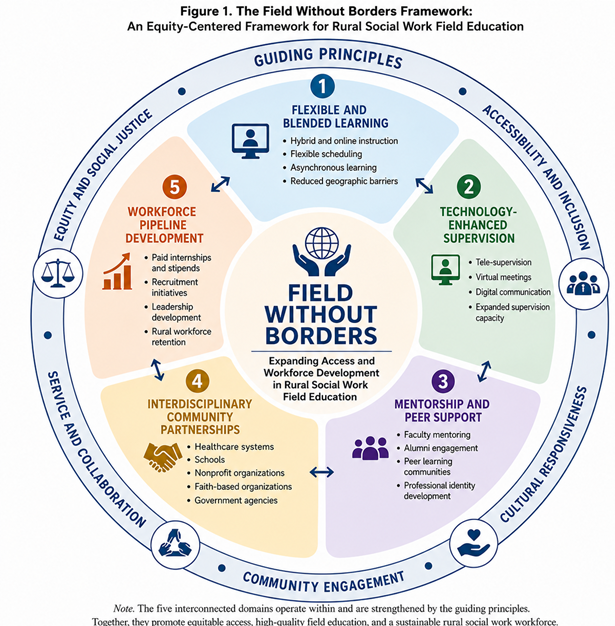
Figure 1: The Field Without Borders Framework
Materials and Methods
This study employed a narrative literature review and conceptual analysis to examine persistent challenges and emerging innovations in rural social work education and field education. Narrative reviews provide opportunities to synthesize diverse bodies of literature and develop conceptual frameworks that inform practice, policy, and future research. The purpose of this study was not to generate empirical findings but to integrate existing scholarship into a comprehensive framework designed to expand access and strengthen workforce development in rural social work field education.
Literature searches were conducted using PsycINFO, ERIC, Social Work Abstracts, and Google Scholar. Search terms included rural social work education, field education, tele-supervision, blended learning, community partnerships, digital inclusion, student retention, workforce development, and Historically Black Colleges and Universities (HBCUs). Priority was given to peer-reviewed literature published within the past decade, although foundational theoretical works and seminal contributions were included to provide conceptual grounding.
Three theoretical perspectives informed the development of the Field Without Borders framework. Ecological systems theory [13] provided a lens for understanding how individual, institutional, community, and structural factors influence educational experiences. The strengths perspective [14] emphasized resilience, community assets, and empowerment rather than deficit-oriented approaches. Community practice theory [15] informed strategies emphasizing collaboration, shared leadership, and partnership development across organizations and systems.
Because this study involved a conceptual analysis and did not include human participants, institutional review board approval and informed consent were not required.
Findings From the Literature
The literature consistently demonstrates that barriers affecting rural social work field education are multidimensional and interconnected. Structural inequities associated with transportation, technological infrastructure, workforce shortages, and financial constraints influence both students' educational experiences and agencies' capacity to provide quality supervision and training opportunities [16]. At the same time, emerging innovations suggest opportunities for reimagining field education in ways that support access, equity, and workforce sustainability.
Transportation and Geographic Barriers
Transportation remains one of the most frequently cited challenges affecting rural students. Many students must travel substantial distances to participate in field placements while balancing employment responsibilities, caregiving obligations, and academic requirements. Limited public transportation and rising travel costs can increase stress and contribute to barriers affecting persistence and degree completion [7]. Geographic isolation may also restrict students' exposure to diverse practice settings and specialized services.
Broadband Infrastructure and Digital Inclusion
Reliable internet access has become increasingly essential for higher education and professional practice. However, disparities in broadband infrastructure continue to affect many rural communities. Limited digital access may reduce opportunities for participation in synchronous coursework, tele-supervision, virtual meetings, and telehealth-informed practice experiences [9]. Consequently, digital inequities may exacerbate existing educational disparities and restrict access to innovative learning opportunities.
Workforce Shortages and Supervision Capacity
Rural communities frequently experience shortages of social workers and other helping professionals. These shortages affect service delivery and reduce the availability of qualified field supervisors. Existing professionals often manage high caseloads and competing responsibilities, limiting their capacity to provide consistent supervision and mentorship to students [3,17]. Workforce shortages create challenges for educational institutions attempting to secure sufficient placement opportunities for students.
Financial Hardship and Student Isolation
Field education frequently creates additional financial burdens for students who must simultaneously manage transportation costs, childcare responsibilities, housing expenses, and unpaid practicum requirements. These financial pressures may be especially pronounced among first-generation students and students from historically marginalized communities. Geographic distance from campus support services may also contribute to feelings of isolation and reduced engagement, emphasizing the importance of mentorship and structured support systems [18,19].
Emerging Innovations in Rural Social Work Education
Despite these challenges, the literature highlights several promising innovations that may strengthen educational access and workforce development. Blended learning approaches and technology-enhanced instruction have demonstrated effectiveness in supporting student engagement and learning outcomes when implemented intentionally [11,20]. Similarly, tele-supervision has emerged as a mechanism for expanding access to qualified supervisors while reducing geographic barriers [10].
Community partnerships, interdisciplinary collaboration, and mentoring initiatives have also been identified as strategies for increasing placement capacity and strengthening workforce pathways [12]. Collectively, these innovations suggest the need for an integrated framework that moves beyond isolated interventions and provides a comprehensive approach to expanding access and promoting equity in rural social work education.
The Field Without Borders Framework
The Field Without Borders framework is an equity-centered conceptual model developed to address persistent structural barriers affecting rural social work field education. Guided by ecological systems theory, the strengths perspective, and community practice theory, the framework recognizes that educational access and workforce development are influenced by multiple systems and require collaborative responses across institutional, community, and policy levels.
Rather than representing a single program, Field Without Borders provides an adaptable framework that institutions may modify according to local needs, available resources, and community contexts. The framework consists of five interconnected domains designed to strengthen educational access and workforce sustainability.
Flexible and Blended Learning
Flexible and blended learning approaches provide opportunities for students to engage in educational experiences while balancing employment, family responsibilities, and geographic constraints. Hybrid field seminars, asynchronous learning activities, and flexible scheduling models can reduce barriers associated with distance and transportation while promoting accessibility and student engagement [20]. These approaches are particularly important for students residing in underserved communities where traditional campusbased models may be difficult to access.
Technology-Enhanced Supervision
Technology-enhanced supervision expands access to qualified field instructors and professional mentoring relationships. Telesupervision and virtual meetings can reduce travel burdens and increase supervision capacity in areas experiencing workforce shortages. Effective implementation requires attention to ethical standards, confidentiality protections, technological competence, and professional boundaries [10]. When appropriately supported, technology-enhanced supervision offers opportunities to increase access while maintaining educational quality.
Mentorship and Peer Support
Mentorship represents an important mechanism for promoting student success and professional identity development. Faculty mentoring, alumni engagement, peer support networks, and structured communities of practice can enhance students' sense of belonging and reduce feelings of isolation. Supportive relationships have been associated with improved retention, increased self-efficacy, and stronger connections to the profession [19]. Mentorship also provides opportunities for leadership development and intergenerational knowledge sharing.
Interdisciplinary Community Partnerships
Community partnerships serve as a foundation for expanding field education capacity and strengthening practice opportunities. Collaborative relationships among universities, healthcare systems, schools, nonprofit organizations, faith communities, and governmental agencies can diversify placement settings and support interdisciplinary learning experiences. Shared leadership and collaborative problem-solving are essential components of sustainable workforce development and community engagement [15].
Workforce Pipeline Development
Long-term workforce sustainability requires intentional strategies aimed at recruitment, retention, and leadership development. Workforce pipeline initiatives may include paid internships, stipends, grow-your-own workforce models, leadership programs, and partnerships designed to encourage graduates to remain in rural communities. These strategies support continuity of services while strengthening the capacity of rural communities to address complex social challenges.
Collectively, these five domains provide a flexible and equity-centered approach for addressing barriers affecting rural field education. The framework recognizes that innovation and collaboration are essential for expanding educational opportunity and strengthening the social work workforce in underserved communities.
Discussion
The findings from the literature suggest that barriers affecting rural social work field education are interconnected with broader inequities in infrastructure, workforce capacity, and institutional resources. Transportation challenges limited broadband access, shortages of qualified supervisors, and financial constraints collectively influence students' educational experiences and agencies' ability to provide quality field instruction. These barriers highlight the limitations of traditional field education models and underscore the need for innovative approaches that are responsive to the realities of rural communities.
The Field Without Borders framework advances existing scholarship by organizing promising practices into a comprehensive, equitycentered approach to rural social work field education. Rather than functioning as a single program, the framework provides institutions with a flexible model that can be adapted according to local needs and resources. Consistent with ecological systems theory, the framework recognizes that educational access and workforce development are influenced by multiple interacting systems and therefore require coordinated responses across institutional, community, and policy levels.
The framework also reflects principles associated with the strengths perspective by emphasizing resilience, community assets, and collaborative problem-solving rather than focusing solely on deficits. Similarly, community practice theory highlights the importance of shared leadership and partnership development in addressing complex social problems. Together, these theoretical perspectives provide a foundation for understanding how innovation, flexibility, and collaboration can strengthen rural field education and workforce sustainability.
Although Field Without Borders is presented as a conceptual framework rather than a formalized program, many of its components are reflected in practices currently utilized across social work education. Blended learning, tele-supervision, mentoring initiatives, and interdisciplinary partnerships have demonstrated promise for increasing access and supporting student success [10,11]. Consequently, the framework provides institutions with a roadmap for integrating these strategies into a more cohesive and intentional approach to workforce development.
Social innovation scholars have argued that rural communities often require adaptive approaches that leverage local strengths and collaborative networks to address persistent inequities [21]. In this context, Field Without Borders represents a framework that prioritizes accessibility, flexibility, and community engagement while remaining responsive to diverse institutional environments.
Recent scholarship has emphasized the importance of competencybased education, technology-enhanced supervision, and collaborative partnerships as mechanisms for addressing workforce shortages and improving access to professional education [22]. These emerging approaches align closely with the principles underlying the Field Without Borders framework and support its emphasis on flexibility, innovation, and community engagement.
Implications for HBCUs and Rural-Serving Institutions
Historically Black Colleges and Universities (HBCUs) have long played a critical role in preparing culturally responsive practitioners committed to social justice, advocacy, and community empowerment [23]. Many HBCUs serve students from historically marginalized and rural communities and are uniquely positioned to address disparities in educational access and workforce development.
Several elements of the Field Without Borders framework are already reflected in practices utilized by HBCUs and other rural-serving institutions. Online and hybrid learning modalities, community partnerships, leadership development initiatives, and mentoring relationships have become increasingly important mechanisms for supporting student success and expanding access to professional education. These practices align with the framework's emphasis on flexibility, collaboration, and equity-centered leadership.
For example, partnerships among universities, nonprofit organizations, healthcare systems, schools, and community agencies have expanded opportunities for experiential learning and interdisciplinary collaboration. Similarly, mentoring programs and alumni engagement initiatives have contributed to students' professional identity development and retention. These practices illustrate how institutions may implement components of the framework without necessarily adopting a formal program identified as Field Without Borders.
Although no known HBCU currently operates a comprehensive program formally designated as Field Without Borders, many institutions have implemented innovative strategies that reflect aspects of the framework. Consequently, the model offers a conceptual foundation that may be adapted by HBCUs, minorityserving institutions, and rural-serving universities seeking to strengthen workforce development and promote educational equity.
Policy and Practice Implications
Addressing inequities in rural social work education requires sustained investment and policy support. Structural barriers affecting transportation, technology, and supervision capacity cannot be addressed solely through institutional innovation. Collaborative efforts involving educational institutions, policymakers, community agencies, and professional organizations are essential to ensuring equitable access to field education.
Broadband expansion remains a critical priority for reducing disparities in digital access and supporting technology-enhanced learning and supervision. Increased access to reliable internet infrastructure would improve opportunities for tele-supervision, virtual meetings, and remote learning experiences, particularly in geographically isolated communities.
Financial support mechanisms, including stipends and paid internships, represent another important strategy for promoting student persistence and reducing economic barriers associated with field education. Such initiatives may increase access for students from low-income backgrounds and strengthen recruitment into rural practice settings.
In addition, investments aimed at increasing supervision capacity are essential for sustaining workforce development. Training opportunities for field instructors, tele-supervision models, and incentives designed to recruit and retain social workers in rural communities may contribute to stronger placement opportunities and improved service delivery.
Community partnerships also remain central to workforce development efforts. Collaborative relationships among universities, healthcare systems, nonprofit organizations, faith communities, and governmental agencies can diversify placement opportunities while strengthening interdisciplinary practice and community engagement. Such partnerships reflect the profession's commitment to service, collaboration, and social justice.
Finally, leadership development initiatives that emphasize mentorship, cultural responsiveness, and community engagement can contribute to the preparation of practitioners equipped to address complex social issues affecting underserved populations. These investments not only strengthen the social work workforce but also support broader efforts aimed at promoting health equity and community well-being.
Conclusion
Field education remains the signature pedagogy of social work and serves as a critical mechanism for preparing practitioners to address the complex needs of individuals, families, groups, organizations, and communities. However, persistent disparities affecting rural communities continue to create barriers that limit educational access and workforce development. Transportation constraints, inadequate broadband infrastructure, supervision shortages, financial hardship, and geographic isolation require innovative approaches that extend beyond traditional field education models.
The Field Without Borders framework provides an equitycentered roadmap for addressing these longstanding challenges. Guided by ecological systems theory, the strengths perspective, and community practice theory, the framework integrates five interconnected domains: flexible and blended learning, technologyenhanced supervision, mentorship and peer support, interdisciplinary community partnerships, and workforce pipeline development. Together, these domains offer institutions a practical and adaptable approach for expanding educational access and strengthening workforce sustainability.
Although Field Without Borders remains a conceptual framework rather than a formalized program, many of its components are already reflected in innovative practices occurring across social work education, including HBCUs and rural-serving institutions. The framework therefore provides a foundation for future innovation and collaboration aimed at promoting equity and accessibility in field education.
Future research should examine the implementation and outcomes of Field Without Borders strategies across diverse institutional and community contexts. Studies exploring student experiences, supervision models, workforce retention, and community partnerships may provide important insights regarding the effectiveness of the framework. Continued scholarship in this area has the potential to strengthen workforce preparedness, promote educational equity, and ensure that rural communities have access to culturally responsive and competent social work professionals.
Competing Interests:
The author declares that there are no competing interests.
List of Abbreviations
CSWE — Council on Social Work Education
HBCU — Historically Black Colleges and Universities
HRSA — Health Resources and Services Administration
NRHA — National Rural Health Association
Acknowledgements
The author acknowledges the 7th Annual Southeastern Social Work Conference at the University of North Carolina at Pembroke, where the original presentation informing this manuscript was delivered. Appreciation is also extended to rural social work educators, field instructors, students, and community partners who continue advocating for equitable and accessible social work education. Their commitment to innovation, collaboration, and service continues to inspire efforts aimed at strengthening workforce development and expanding opportunities for historically underserved communities.
References
Health Resources and Services Administration. (2022). Health workforce shortages in rural America. U.S. Department of Health and Human Services. View
National Rural Health Association. (2023). Rural health disparities. National Rural Health Association. View
Weinhold, I., & Gurtner, S. (2014). Understanding shortages of health professionals in rural areas. Health Policy, 118(2), 201– 214. View
Andrews, C. M., Darnell, J. S., McBride, T. D., & Gehlert, S. (2019). Social work and implementation of the Affordable Care Act. Health & Social Work, 44(1), 1–9. View
Meng, Q., & Gray, M. (2025). Social work education to promote rural social work: Setting the agenda. Journal of Evidence- Based Social Work. Advance online publication. View
Council on Social Work Education. (2022). Educational policy and accreditation standards (EPAS). Council on Social Work Education. View
Ray, S., Reddy, G., & Williams, K. (2018). Challenges and recommendations for rural field education. Advances in Social Work and Welfare Education, 20(2), 40–55.
Zuchowski, I., Cleak, H., Nickson, A., & Spencer, A. (2018). Innovation with limited capacity in field education. Australian Social Work, 72(1), 75–90. View
Afrouz, R., & Crisp, B. R. (2020). Online education in social work: Effectiveness, benefits, and challenges: A scoping review. Australian Social Work, 74(1), 55–67. View
Reamer, F. G. (2013). Social work in a digital age: ethical and risk management challenges. Soc Work. Apr;58(2):163-72. View
Means, B., Toyama, Y., Murphy, R., & Baki, M. (2014). The effectiveness of online and blended learning. Teachers College Record, 115(3), 1–47. View
Dinnerson, Q., Lane, T., Neely-Goodwin, S., Williamson-Ashe, S., & Jackson-Nevels, B. (2021). Strengthening community partnerships: Preparing social work students for the profession. Advances in Social Work and Welfare Education, 23(1), 32–44. View
Bronfenbrenner, U. (1979). The ecology of human development. Harvard University Press. View
Saleebey, D. (2013). The strengths perspective in social work practice (6th ed.). Pearson. View
Weil, M., Reisch, M., & Ohmer, M. (2013). The handbook of community practice (2nd ed.). Sage. View
Probst, J. C., Eberth, J. M., & Crouch, E. (2019). Structural urbanism and rural health outcomes. Health Affairs, 38(12), 1976–1984. View
Landsman, M. J., & Rathman, D. (2022). Rural challenges in social work regulation. Research on Social Work Practice, 33(1), 121–131. View
Perna, L. W. (2016). Higher education: Handbook of theory and research. Springer. View
Tinto, V. (2012). Completing college: Rethinking institutional action. University of Chicago Press. View
Garrison, D. R., & Vaughan, N. D. (2008). Blended learning in higher education: Framework, principles, and guidelines. Jossey-Bass. View
Noack, A., & Federwisch, T. (2020). Social innovation in rural regions. Rural Sociology, 85(4), 1021–1044. View
Roulston, A., Cleak, H., Nelson, R., & Hayes, D. (2022). How Power Dynamics and Relationships Interact with Assessment of Competence: Exploring the Experiences of Student Social Workers Who Failed a Practice Placement. British Journal of Social Work, 52(3), 1662–1682. View
Gourdine, R. M., Davis, A. M., & Howard, H. (2020). The legacy of the founding social work programs at HBCUs. Phylon, 57(2), 71–82.