
- About the Journal
- Editorial Board
- Review Process
- Author Guidelines
- Article Processing Charges
- Special Issues
- Current Issue
- Past Issue
 Journal of Social Work and Welfare Policy
Journal of Social Work and Welfare Policy Volume 4 (2026), Article ID: JSWWP-210
https://doi.org/10.33790/jswwp1100210Review Article
The Unspoken Shift: Menopause, Mental Health, and Substance Use in Black Women
Paulette Williams-Tillery1*, PhD, LMSW, Michele Hocomb2, LGPC, Angel Randall2, LCPC, Shanelle Smothers2, CSC AD, and Shinelle Oglesby2, MS, LCPC, NCC,
1Assistant Professor, Department of Social Work, Coppin State University, 2500 W. North Ave Baltimore, MD 21216, United States.
2Urban Trauma Counseling, 3100 Lord Baltimore Dr #110, Windsor Mill, MD 21244, United States.
Corresponding Author Details: Paulette Williams-Tillery, PhD, LMSW, Assistant Professor, Department of Social Work, Coppin State University, 2500 W. North Ave Baltimore, MD 21216, United States.
Received date: 08th July, 2026
Accepted date: 06th August, 2026
Published date: 08th August, 2026
Citation: Williams-Tillery, P., Hocomb, M., Randall, A., Smothers, S., & Oglesby, S., (2026). The Unspoken Shift: Menopause, Mental Health, and Substance Use in Black Women. J Soci Work Welf Policy, 4(2): 210.
Copyright: ©2026, This is an open-access article distributed under the terms of the Creative Commons Attribution License, which permits unrestricted use, distribution, and reproduction in any medium, provided the original author and source are credited.
Abstract
Many women view menopause as the “change of life,” and depending on culture and both social and personal attitudes, the experience ranges from a natural process to a stage marked by critical physiological changes that mark the end of a woman’s reproductive years, accompanied by hormonal fluctuations that trigger physical and psychological symptoms. Sociodemographic and cultural contexts and intersecting systemic oppressions complicate menopause’s highly variable symptom severity and its impact on quality of life. Among Black women, compounding forces of racism, sexism, and classism accelerate and intensify this midlife shift. This commentary reviews the multifaceted impacts of menopause, emphasizing mental health burdens including mood swings, anxiety, and increased risk of depression that chronic, sleep-disrupting vasomotor symptoms exacerbate. It explores a rise in substance abuse, particularly binge drinking and prescription misuse, as older menopausal women attempt to self-medicate and cope with transition symptoms, highlighting that this coping mechanism paradoxically worsens both depression and vasomotor instability. In Black culture, Superwoman Schema and generational silence phenomena obscure the intersection of menopause, mental health, and substance use that forces women to repress emotions and manage symptoms without professional help. Compounded by historical mistrust of healthcare and systemic dismissal of medical concerns, these factors create severe barriers to timely interventions. The commentary further highlights urgency for comprehensive, culturally sensitive care models, consideration of Critical Race Theory, and innovative health education tools such as integrated mental health services and responsive community-based resources that reduce stigma, overcome institutional barriers, and empower Black women during this vital life transition.
Keywords: Menopause, Black Women’s Health, Substance Abuse During Menopause, Racial Disparities During Menopause, Hormonal Changes in Mental Health, Intersectionality, Race, Gender in Menopause, Culturally Sensitive Interventions, Critical Race Theory (CRT)
Introduction
Menopause is a normal, inevitable physiological process defined by the permanent cessation of menstruation due to the loss of ovarian follicular activity [1]. This is a time when women try to understand all of the changes they are experiencing, and while it marks the transition from the reproductive to the non-reproductive stage of life, it is a significant event that causes profound physical, psychological, and social challenges [1,2]. With global life expectancies rising, women now spend a large portion of their lives postmenopausal, making menopausal health a pressing global public health concern [1,2]. A natural decline in the production of hormones such as estrogen, which disrupts the hypothalamic-pituitary-ovarian axis, drives menopause [3], a hormonal shift that triggers physical symptoms, including vasomotor symptoms (VMS), such as hot flashes and night sweats, urogenital atrophy, and sleep disturbances [1,3]. Beyond its physical toll, menopause frequently acts as an emotional roller coaster.
In addition to somatic changes, emotional dysregulation and affective vulnerability present significant clinical challenges during perimenopause. The drop in estrogen affects the brain’s production of neurotransmitters, such as serotonin, rendering women highly susceptible to mood swings, cognitive changes, anxiety, and depression [3]. The menopausal experience is irregular across women, influenced heavily by sociodemographic and cultural environments, with women of color, especially Black women, affected disproportionately [4,5]. Understanding such disparities demands moving beyond purely biological explanations to include structural and systemic assessments. Current knowledge on the physical and mental impacts of menopause emphasizes the unique vulnerabilities of Black women and the compounded risks posed by substance abuse. Needed urgently are holistic, culturally sensitive healthcare approaches, such as specialized behavioral counseling and development of accessible, modern digital expert systems, to empower all women managing their health [2,4].
Treatment and prevention strategies that target addiction among middle-aged and older Black women must address complex social and systemic factors that contribute to elevated rates of problem alcohol and drug use in this population. Evolving research into these health disparities and promoting groundbreaking interventions with a multidimensional approach are vital steps toward reducing addiction and improving overall health outcomes for menopausal and older Black women. To construct such interventions, the profession must first deconstruct the systemic inequities that shape this transition, a task suited uniquely to the tenets of Critical Race Theory (CRT).
A Critical Race Theory Lens on the Menopausal Transition
Integrating CRT into models of healthcare is needed to understand the real experiences of midlife disparities among Black women. CRT suggests that racism is not simply a sum of individual biases, but a structural and institutional issue ingrained deeply in medical, legal, and social formations. Applied to menopause, CRT makes explicit how institutional injustices became manifold and interacted to produce biological aging and clinical care, with a focus that shifts away from individual biologics and toward systemic upstream determinants of health [6]. CRT provides a way of understanding the health problems of Black menopausal women by examining the impact of race and gender on the experience of this stage of life, including how health disparities emerge from structural embedding of racism in a social structure. CRT emerged from academic research during the late 20th century, challenging failures of the conventional civil rights method to promote the rights of groups that were already marginalized historically [7].
CRT emphasizes the systemic racism that characterizes institutions and drives health inequities among people of color from a health standpoint. The challenges midlife Black women experience as they transition to menopause are conceptualized in terms of how gender factors, along with race, cooperate, including the way such factors impact the way Black women experience signs and symptoms of menopause, and their ability to access menopausal healthcare. From a CRT perspective, disparities in health-related consequences among menopausal Black women are not perceived to be consequences of personal failings of lifestyle or that people suffer from genetic susceptibility; they are instead structural determinants such as segregation, poor access to good healthcare, and systems of economic dispossession.
Systemic wear-and-tear is documented well by weathering, which shows that Black women undergo accelerated biological aging because of the total of social and economic stresses [8]. During midlife, this aging takes the form of earlier onset of menopause and a markedly greater load of severe VMS than that experienced by White women [9,10]. Recognizing that medical knowledge and practices were racialized historically, CRT also functions as a crucial lens through which to understand the mechanisms by which the physical and psychological transitions of menopause are accelerated and pathologized in Black women. CRT thus promotes centering marginalized perspectives, and by applying it to this context, it encourages healthcare research and policies that elevate the lived experiences of Black women to ensure that their experiences, in addition to their needs and desires, drive the future of menopausal care.
A Public Health Critical Race Framework: Menopausal Health Inequities
Based on Critical Race Theory (CRT) and Public Health Critical Race Praxis (PHCRP) [11], structural racism is seen as an upstream, fundamental determinant of midlife health inequities. CRT argues that racism is an inherent, systemic mechanism embedded in social, political, and economic systems and not a discrete individual prejudice. As illustrated in Figure 1, structural racism, which is reflected in historical injustices (redlining/discrimination), policies, economic disadvantage, and systemic marginalization in our society, leads to poor Social and Structural Determinants of Health (SDOH) and a systemic barrier to access to health (provider implicit bias, underdiagnosis, and lack of culturally responsive mental healthcare).
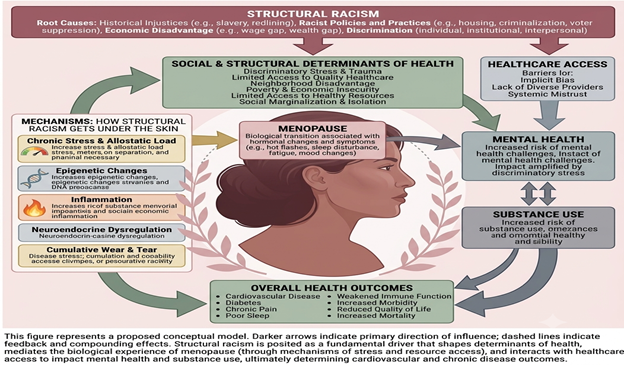
Figure I: Conceptual Model: Structural Racism, Menopause, Mental Health & Health Outcomes.
These structural inequalities enter the body through biological stress pathways to create a long-term allostatic load, neuroendocrine dysregulation, epigenetic changes, and systemic inflammation in line with weathering theory [8]. During midlife, this cumulative physiological burden overlaps with neuroendocrine fluctuations as a side effect of the menopausal transition, which compounds psychological distress in midlife women. Women who experience chronic discriminatory stress are at higher risk of major depressive episodes and anxiety, emotional dysfunction, and sleep disruption [10]. Structural racism compounds mental health inequities in the form of limited access to well-established psychological interventions and psychotropic care, and institutional provider biases can lead to the mischaracterization of mood symptoms because of personal stress rather than the structural causes. This can lead to drug use as a form of self-soothing or a form of coping with menopausal pain and racial stress. All these intersecting structural, psychological, biological, and behavioral pathways ripple down to cardiovascular, metabolic, and chronic disease disparities over the course of life.
Physiological and Neurobiological Impacts of Menopause
Menopausal transition occurs when hormonal changes in the hypothalamic-pituitary-gonadal (HPG) axis are disturbed [3]. As ovarian follicles degrade with age, production of inhibin B reduces, interrupting the negative feedback loop on the pituitary gland and resulting in heightened follicle-stimulating hormone (FSH) production and varying production of estrogen and progesterone that decline slowly, downregulating in frequency [3]. Systemic hormonal withdrawal sets off a chain reaction of physiological symptoms. VMS, such as hot flashes and night sweats, are common during the menopausal transition, impacting 80% of women [12].
Although past clinical guidelines estimated the duration of VMS to be six months to two years, longitudinal studies from the Study of Women’s Health Across the Nation (SWAN) suggested a median duration of 7.4 years, and at least 10 years for some demographics [12,13]. Urogenital atrophy, vaginal dryness, and somatic complaints, such as severe muscle and joint pain, are common symptoms [1]. Potential longer-term complications include loss of endogenous estrogen that destroys important cardioprotective and bone-regulating factors, leading to accelerated biological aging and increasing risk of cardiovascular disease, hypertension, osteoporosis, and metabolic syndrome that is much higher than during the postmenopausal period [3,14]. Special concerns among menopausal Black women are evident, given myriad reproductive health issues that impact Black women at a younger age than they do White women [10]. Research suggests that Black women age into menopause one to two years prematurely in comparison to White women [10]. Many genetic, environmental, and social influences affect the sex disparities between Black and White women's reproductive aging, and increased prevalence of cardiovascular-related chronic conditions in Black women, including hypertension and diabetes, predispose them to health complications related to menopause [15]. Examining the implications of early menopause for cardiovascular risk and designing targeted health interventions are thus paramount when addressing the health status of Black women in the menopausal transition.
Other symptoms that generalize to women, such as memory lapses, difficulty concentrating, irritability, and mood swings, also affect Black women disproportionately. Some menopausal symptoms occur less frequently in American Black women compared to White women, but when they do occur, these symptoms have profoundly negative effects on Black women. These adverse effects may be even more severe because a growing number of Black women are experiencing menopause while simultaneously managing family responsibilities and financial stress. The environment and socioeconomic status of a neighborhood influence access to healthcare and the quality of care available to women. Research suggests that the quality of menopausal healthcare differs between neighborhoods, affecting symptoms and overall health [16]. These problems affect Black women variously, both physical and psychosocial, during menopause. Many menopausal symptoms worsen through mental stressors, such as societal pressures that exist for Black women, ethnic discrimination, and economic disadvantages [17].
The Neurobiological "Emotional Rollercoaster"
The physiological decline of estrogen reaches deeper than physiological decline to include neurobiology. Estrogen operates along the axis of synapses of the brain, producing and regulating neurotransmitters (primarily serotonin, which regulates mood), affecting well-being. Varying and down-regulation of estrogen creates an emotional rollercoaster, causing mood swings, emotional dysregulation, and heightened anxiety.
Mood swings and acute vulnerability to depression are common among women [3,18], with research suggesting that the perimenopausal period carries a high risk of psychological distress epidemiologically. Distress peaks during early perimenopause, reflecting clinical feelings of tension, apprehension, and depression [19]. Women with a history of depression are particularly predisposed to recurrences. Still, even women without a history of psychiatric disorders have an increased risk of developing a depressive disorder [3]. Total deprivation of estrogen's neuroprotective properties can even lead to serious psychiatric problems. Among women who experience severe postmenopausal symptoms, and among those with prior conditions such as schizophrenia [20,21], estrogen decreases, worsening psychosis directly [20,21]. Several studies found Black women susceptible to markedly different menopausal experiences in comparison to White women, such as more severe symptoms and psychosocial distress [17].
Mental Health in Menopause for Black Women
Mental health problems that Black women experience affect more women than ever, particularly in this age group, but among Blacks, menopausal symptoms, the emotional distress of going through menopause [22,23], and other experiences are magnified. Hormonal fluctuations that occur during menopause and other menopausal symptoms affect brain functions associated with mood. Such fluctuations take various forms, depending on prior and existing mental health conditions, and women who are severely symptomatic through menopause are more vulnerable to both mental health problems (e.g., depression) and a worsened mental state [22,24]. Research suggests that such hormonal fluctuations have an extremely negative impact on a woman’s mood, describing them as “hysterical,” “very irrational,” “inconsistent,” “vulnerable to affective stimuli,” “intensely emotional,” and “more sensitive to environmental stressors” [22]. “Many women stated that the only warning sign of an impending menopausal transition was a feeling of ‘sadness’ or ‘irritability’”.
Depressive symptoms that some middle-aged women have reported are beyond what can be considered typical mood swings during midlife years [24], and a woman’s mental health problems might impact her mental health status during the menopausal transition. Many studies suggest that as middle-aged Black women pass through menopause, they experience feelings of severe sadness and disproportionately greater mental health concerns [22,23], a phenomenon being mediated partially by naturally fluctuating hormones related to the menopausal transition [24]. Larger social structures also affect the menopausal experiences of women of color. To obscure pain, and under social and cultural stigmas that associate with reaching out for treatment due to mental illness symptoms, menopausal women devise skills and strategies to cope with other health conditions, such as hot flashes and anxiety.
Women experience racism and sexism daily, shaping life experiences [25], and emotion-centered coping causes stress, sadness, emotional distress, and anger, affecting women’s lives negatively. Acceptance of the Superwoman Schema muddles emotional expression; it demands that Black women assume hyper-resilient, stoic roles that suppress true vulnerability and limit access to compassionate healthcare interventions. Support from friends and family is vital, affecting both positive and negative aspects of a woman’s menopausal experiences. Trauma intersects with historical and ongoing racial discrimination, with such stressors linking with worse mental health outcomes [26].
Impact of Trauma, Stress, and Menopause in Black Women
Middle-aged women remember menopause as an ordeal, and among those who experienced physical or sexual abuse, it was much more intense [27]. Black women who experience stressors of menopause, paired with trauma stressors earlier in life, can experience poorer mental health outcomes and more severe menopausal symptoms. Biological changes interact with psychological and sociocultural problems, placing women of color at greater risk of adverse health. Black women’s menopausal transition is framed by a complex interplay of biological, psychological, and sociocultural factors. Khadilkar et al. [28] argue in a multi-component framework that such influences on Black women's health during the menopausal transition likely require a unique bundle of health interventions.
Based on the biopsychosocial model, three components, or levels, of health must be considered when judging and explaining health outcomes that include biological, psychological, and distinct sociocultural factors in the context of health when the menopausal transition occurs. The cumulative toll of multiple stressors on midlife Black women's psychosocial functioning is theorized to result in silence about menopause-related distress. Distresses hurt a woman’s coping behavior and mental health, which in turn are affected negatively by the physical changes that are associated with menopause [28]. Women experience social expectations that guide the way historical inequalities shape how they live their lives, and how stress and other mental health problems affect menopause. Both the stress of dealing with menopause symptoms and the challenges posed by racism are damaging to women’s health, commonly leading to serious health problems. Extant research reports that chronic stress impacts a woman’s overall health negatively during the menopause transition [18], and the stereotype of the strong Black woman negatively affects Black women, a stereotype that conveys a false sense of resilience that prevents Black women from acknowledging or seeking help for menopausal problems. Such negative stereotypes regarding women and the roles they play leave them feeling isolated, and they commonly suffer from unpleasant emotional problems as a result.
The Bidirectional Cycle of Physical and Psychological Distress
Physiological and mental health impacts of menopause do not exist in isolation; they continuously amplify one another. Menopause rarely occurs alone. Chronic sleep disturbances and insomnia, triggered by nighttime VMS, bridge physical discomfort and psychological distress [3]. Sleep deprivation exacerbates fatigue, irritability, and depressive symptoms, creating a compounding cycle that drastically lowers overall quality of life [1,18]. To cope with such bidirectional distress, some women engage in maladaptive behaviors, especially alcohol consumption and substance abuse. Research suggests that women who experience high psychological distress and severe VMS commonly transition to heavy drinking to self-medicate for depression and cognitive shifts [29]. As symptoms begin to affect daily functioning, some women turn to alcohol or other substances to cope with the discomfort, providing temporary relief but failing to address the underlying biological and psychological changes that occur during menopause [30].
Physiological Backlash of Alcohol and Substance Misuse
The psychological symptoms of menopause influence the way Black women approach the transition. Alcohol and other substances are common methods of alleviating menopausal symptoms, especially irritability and depression [31]. Considering the discrimination that Black women experience, this demographic has special challenges with coping with the pressures of everyday living, and their plight is especially acute in a prejudiced society. Adding to the stress of managing menopausal symptoms compounds the situation and drives women to alcohol and substance use. Drinking tends to be a social activity, but it also relaxes the drinker, with many cultures accepting moderate consumption.
For some women, dining out and having a drink is part of being social, though some drink only to relax after a long day, or to cope with stress and anxiety. Among Black women, cultural pressures of alcohol use augment the risk of drinking during menopause to manage hot flashes and other symptoms, and to relieve stress and anxiety. Systemic and external factors are also important to the health of postmenopausal Black women, and in relation to risk factors for substance use at this stage of a woman's life. Determinants of access to, support, and education regarding healthcare range widely across communities.
Self-medication with alcohol to manage menopausal symptoms is physiologically counterproductive. High alcohol consumption dilates blood vessels, which can cause and exacerbate hot flashes, in addition to increasing the risk of clinical depression by two to seven times [32]. Women are more susceptible than men to alcohol and drug effects; they have slower metabolisms and physiological disparities that worsen substance-mediated health problems, a sensitivity magnified by age-related changes such as decreased estrogen. Drinking alcohol is thus especially detrimental during menopause. Women who use substances are also at high risk for moderate- to severe menopausal symptoms such as VMS, sleep disturbances, fatigue, and muscle and joint pain [30].
Among Black women, other social and systemic influences exacerbate such symptoms. A high proportion of Black women are not educated or supported regarding how to control menopausal symptoms. Low access to psychological care, stigmatization of mental healthcare, and cultural beliefs regarding drug use for coping with stress are associated with increased substance use in this population [33]. Health disparities are complex and cannot be attributed solely to endocrine changes. Several socially and systemically negative forces influence the physical changes that relate to aging among Black women. Analysis on alcohol and substance use rates among middle-aged and older women of color should encompass a variety of biological, social, and systemic processes that are relevant to this population. Although estrogen loss and disrupted metabolism make women increasingly vulnerable to the harm of alcohol, underlying social determinants of health and health disparities are critical, particularly among Black women. Management of menopausal substance use requires nuanced, multi-dimensional understanding that incorporates biological and socio-cultural components [1,30,32,33].
Factors: Sociodemographic, Quality of Life, and Healthcare Disparities
Another factor to consider when examining Black women’s misuse of alcohol and substances during menopause is educational disparities. The less educated the woman, the less likely she is to know about healthy living and risks that associate with alcohol and substance use. Lack of knowledge about healthy living and how to cope with menopause healthily causes many women to search for alternatives to manage symptoms, which include misuse of alcohol and substances. Many women also struggle with employment; less- educated women typically hold lower-paying jobs, living paycheck to paycheck, causing financial stress and leading to increased use of alcohol and substances to cope with that stress [34].
Sociodemographic factors shape menopausal experiences and overall quality of life. Low education, being over 50, and a high BMI/ obesity relate closely with serious menopausal symptoms (e.g., hot flushes and irritability) and poor quality of life. Onset of menopausal symptoms occurs earlier among women in lower socioeconomic regions, beginning as early as 40 [1]. More than half of such women also experience poor psychological quality of life; they lack insight into their menopausal symptoms, and they lack access to quality medical care to manage physical symptoms and improve their quality of life [1]. In contrast, upper-class women report greater somatic and psychological symptoms (e.g.., muscle/joint pain and depressive moods).
These intersectional issues contribute to numerous psychological challenges that impact women’s lives. Systemic issues such as racism create barriers for women of color in every aspect of life, and they bring additional stressors to the lives of Black women. Added stressors of living in a racist society cause greater anxiety and create symptoms of depression in many Black women. To manage symptoms of anxiety and depression, many women turn to alcohol, drugs, or both [35]. The impacts alcohol and substance use have on a woman’s life are exacerbated by systemic, cultural, and personal issues. Individual issues such as economic stress, lack of access to quality healthcare, substance use, and other negative life circumstances interact with numerous systemic, social, cultural structures, and factors that have negative consequences for Black women [34].
Surgical Menopause and Hysterectomy Disparities
In addition to natural aging, systemic clinical biases result in Black women being diagnosed with hysterectomies at a higher rate (16.3%) than White (15.6%), Hispanic (12.5%), and Asian (6.1%) women (National Center for Health Statistics, 2021). Uterine fibroids are the primary indicators of hysterectomy in Black patients, responsible for 65% of cases, in comparison to 29% in White patients. Black women have three times the diagnosis rate for fibroids, with more severe symptoms evident in earlier ages [36]. Adjusted for BMI and surgical history, Black women are twice as likely as White women to undergo open abdominal hysterectomies. CRT suggests that lack of equitable access to minimally invasive gynecological alternatives cuts natural reproductive aging short. Such surgeries result in surgical menopause, which leads to a shorter transition to VMS with earlier, more severe onset, in contrast with the gradual process of natural menopause.
Cultural Frameworks and Barriers to Help-Seeking
Among Black women, chronic stressors, such as the comprehensive effects of systemic racism, classism, and sexism, have inextricable impacts on mental health and symptom management [4]. Those experiences are shaped and informed by the Strong Black woman archetype and the Superwoman Schema, an internalized paradigm that encourages “strength vs vulnerability, suppression, self-discipline when seeking to present strength, a refusal to be emotionally vulnerable, and caregiving over self-care” [4]. The Superwoman Schema has a positive effect of reaffirming historical resilience. Still, it has a negative effect of stymying the seeking of medical or psychiatric help for fear of depicting signaling vulnerability or dependency [37]. This framework explains the overfocus on Black women searching for strength to the detriment of their well-being and the underreporting of mental health disorders such as anxiety and depression. The scheme significantly limits access to healthcare services due to stigma associated with vulnerability and the prevailing mindset that seeking help is a sign of weakness [37]. Such self-reliance results in maladaptive coping behaviors that increase the risk of substance use, such as overconsumption of alcohol and prescription medications, over time [37,38]. This issue is compounded by generational silence” with respect to reproductive health within a family, making women feel they must self-manage debilitating symptoms [4].
Social messages that connect substance use with weakness or moral deficiency continue to lead Black women to conceal coping mechanisms from healthcare providers. Unmanaged distress increases clinical presentations, resulting in greater risk of chronic diseases due to avoidance [39]. Structural inequities and past traumas also represent sources of mistrust of medical institutions, which have prevailed for centuries [40]. Such mistrust is legitimated in medical dismissal; Black women are half as likely as White women to be put on hormone therapy, a disparity ascribed to providers’ unconscious biases or lack of curiosity about symptoms that Black women experience [13]. Significant discrepancies between physician assessment and clinical experience hinder clinical care. The average physician systematically under-reports non-VMS symptoms that are frequently present (i.e., sleep disturbance [33.9%], cognitive abnormalities [26.9%], and mood disturbances [22.3%]), in comparison to self-reports from patients over time, such that distress is regarded as a compensatory phenomenon of structural neglect [41].
Clinical Accountability and Multi-Determinant Frameworks
A multidimensional model is needed to address the health disparities that Black women experience during menopause, providing a deeper understanding of social determinants, such as racism, economic factors, health literacy, and trauma-informed care. Such insights would make healthcare systems that are not merely more accessible, but more conducive among those who serve and care for this vulnerable population. Providing a broad, system-wide approach from diverse sectors would improve clinical care among Black women and methodically confront the health disparities they experience. Menopause-related symptoms and conditions are much greater and occur at more serious rates among Black women in comparison to White women. Black women’s psychological distress is also much greater, and they experience significantly greater VMS [42].
Racism, gender, and socioeconomic status contribute to these disparities, affecting how Black women experience the stages of natural maturation. Their lived social and cultural contextual conditions thus represent determinants of the physiological and economic states of this unavoidable life stage. In their own social context, Black women have had profound impacts on their experiences with life post -menopause. A better understanding of systemic racism, social determinants of health (e.g., housing stability, income, and education), healthcare disparities, and long-standing biases that pervade the healthcare system [43] is required to develop better ways of serving this population. The stigma around menopause, especially in Black communities, prevents women from getting help or speaking out about their symptoms. Harlow et al. [10] argue that such reluctance is exacerbated in a healthcare system in which women have been historically marginalized. A multi-component framework in the context of healthcare practices would provide a comprehensive picture of this complex issue, requiring healthcare professionals to take a deeper look into the range of physical, social, and economic obstacles that affect Black women more frequently during menopause. Data that represent specific health determinants for Black women would inform a plan of action to achieve equitable access to care [44].
Models of integrated care that provide physical health services alongside mental health support and social resources might enhance patient care and assist Black women with adjusting to menopause. Addressing such health inequities during this moment of transition requires systemic operational changes at all levels, not a one-off program. Healthcare systems must use an integrated, multi-faceted approach that interweaves clinical accountability with the healing of trauma-informed psychological care and structural socioeconomic justice. Solutions must be holistic, with attention to cardiometabolic health, and a strategic matrix that questions prevailing narratives of psychological resilience correct injustices of testimony, strong clinical responsibility is needed. Table 1 shows this matrix as an optimized intervention pathway for targeted care of Black women during menopause.
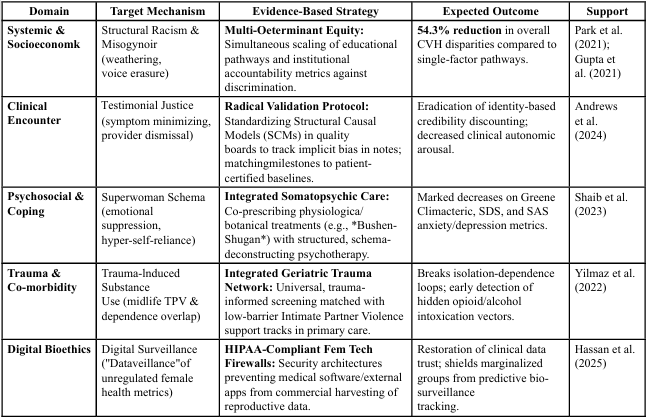
Table 1. Strategic Matrix for Culturally Responsive Interventions
How Community-Based Programs Address Health Disparities During Menopause
This study informs the implementation of community-based programs that mitigate health disparities that occur during menopause, by implementing culturally specific, inclusive, participatory strategies that bridge the gap between marginalized women and the healthcare system. These programs decrease disparities through Culturally Competent Outreach and Safe Spaces. For Black Women, these programs include setting up outreach services and support groups tailored to the requirements of minority groups to alleviate cultural stigmas and feelings of isolation. Aririguzo et al. [4] suggest that Black women appreciate learning from the experiences and lived stories of their peers who look like them and have similar goals.
Community programs break down the silencing wall of isolation of the menopausal journey by providing safe, relevant spaces that allow women to be vulnerable with one another and explore symptom recovery together. Such initiatives are important to the education and provision of targeted resources among marginalized women who are more likely to encounter socioeconomic impediments. According to a 2022 clinical trial conducted by Zahra Hossein Mirzaee Beni and colleagues [46], self-care education designed for the Health Literacy Index (HLI) results in statistically significant improvements to self- care and quality of life among menopausal women. Community-based care has the potential to increase the impact of healthcare beyond the patient by empowering those around that person. Muhseenah and Nallapu [1] further stress that for an intervention to be effective, a woman’s family and the wider community must be adequately sensitive to her healthcare needs and menopausal difficulties. Such programs allow women to participate in shaping health services, and including women’s voices allows programming to create targeted cultural interventions that underpin evidence-based policy and equitable access. Engaging target demographics and experts when co-designing health-enhancing services such as digital expert systems might also ensure that these solutions meet real-life challenges with a participatory design approach.
Community-Based Alternatives: The Urban Trauma Counseling Center
Community-based interventions should be established and integrated into current healthcare to improve the health of Black women during menopause. Such programs help to inform healthcare providers on how to better treat Black women during menopause and create support systems that enhance the healthcare Black women receive. Support systems also promote a sense of community and empower Black women during menopause. Such interventions improve the healthcare Black women receive during menopause and promote overall health and wellness for this group of women.
To address institutional racism, medical mistrust, and the cultural stigma that CRT suggests, a framework introduced by Delgado and Stefancic [47], interventions must be rooted in trusted communities. An exemplary model of this approach is the Urban Trauma Counseling Center (Baltimore, Maryland, USA), which provides culturally aware, comprehensive mental health and substance abuse treatment tailored to adults. The center hosts specialized, peer-led support groups for women who are transitioning into menopause, where participants learn about the multifaceted impacts of the transition, especially how it alters them mentally, socially, and psychologically. Collins [48] and Aririguzo et al. [4] emphasize that Black women value informal settings in which and tight-knit circles of friends with which to share information and receive guidance about health. Such peer-led spaces function similarly to the cultural concept of the kitchen table that Maparyan (2012) described, and Aririguzo et al. [4] cited, providing an intimate, communal environment in which Black women can validate their lived experiences, share personal struggles safely, and establish strong bonds of sisterhood.
Ongoing community support is not just emotionally comforting; it has measurable clinical benefits. Polat et al. [49] found a consistently positive relationship between social support and symptom relief, suggesting that menopausal complaints decrease as social support increases. Since many Black women feel that traditional medical professionals fail to provide them with adequate information or culturally sensitive care, the opportunity to learn about menopause alongside other women is vital. In shared group settings, women recognize mutual accountability and social support as critical to achieving lasting behavioral changes and health improvements.
By framing health through racial trauma, systemic stress, and the Superwoman Schema, the center disrupts the cycle of isolated self medication. Aririguzo et al. [4] argue that the Superwoman Schema conditions Black women to project an image of unfailing strength, repress emotions, and resist vulnerability, jeopardizing their physical and mental wellbeing and increasing risk of poor health outcomes. Deep-seated historical mistrust of the healthcare system, as Rice (2005) noted and Aririguzo et al. [4] echoed, means that many Black women avoid seeking professional medical help and instead suffer in silence. Culturally tailored interventions counteract these harmful coping mechanisms by providing a safe environment in which women can drop their guarded exteriors and be vulnerable, without fear of clinical judgment or systemic dismissal. Community-based care is critical to addressing substance abuse, since women often experience heightened social stigmas and barriers when seeking treatment and recovery for alcohol and drug dependence [32].
Continuous community support empowers women to dismantle generational silence, a term Aririguzo et al. [4] used to describe reproductive health issues that were historically kept as private family secrets. By participating in peer support and culturally competent care, women redefine their personal wellness narratives, reshape their understanding of womanhood outside of patriarchal and societal pressures, and seek professional care confidently. Despite the importance of empowerment and self-advocacy, it is equally important to consider how workplace promotions and digital health interventions support women’s overall wellbeing and professional advancement.
Promotions in the Workplace and Digital Health Solutions
Workplace health promotion has the potential, in this context, to improve access to healthcare, particularly among women from minority ethnic backgrounds in lower socio-economic sectors and women in low-wage industries. Clinical observations suggest that after eight weeks of life-coaching, menopause consultation, physical training, and counseling services, participants felt psychologically confirmed and empowered, and found therapy an effective alternative to self-medication [50]. Systemic barriers preclude treatment strategies from reaching marginalized communities [4], and thus modern healthcare must embrace health literacy as a solution. Having a health-literacy-integrated self-care education program tailored to the Health Literacy Index (HLI) is effective among menopausal women because it improves both self-care skills and quality of life [46].
The population’s health literacy also plays a role, and it should be required when designing educational interventions address underserved populations' understanding of health literacy when considering the overall effectiveness of informative interventions is thus vital. “Dobbs” refers to the landmark 2022 U.S. Supreme Court decision in Dobbs v. Jackson Women’s Health Organization, which overturned the constitutional right to abortion established by Roe v. Wade, a rule that led to important legal margins on reproductive rights in many states. The increase in reproductive tracking apps has turned normalizing reproductive health management into a new business model that takes advantage of users’ sensitive information, especially that of marginalized women, after Dobbs [51]. Commodification of data carries intersectional bioethical risks such as data breaches that could lead to women’s discrimination and stigma [52]. Reliable digital systems are critical to building trust in clinical practice and to protecting vulnerable groups from being exploited, while empowering women to make autonomous healthcare decisions [53]. Culturally sensitive digital health resources are supported; a user- based expert system for healthy menopause, designed for use in large populations, is a scalable approach to bridging existing systemic gaps [2]. The system uses rule-based inference engines that integrate clinical guidelines, academic literature, and participant interviews to simulate consultation with a healthcare professional using mobile devices or computers [2]. Using participatory co-design techniques, creators can verify the efficacy of a digital product at reducing the stigmatization of symptoms and to establish practical, reliable assistance that local communities and educational history would recognize as important to mothers who suffer silently [2,54].
Conclusion and Future Directions
The challenges of women transitioning through biological aging, chronic mental health issues, and the risk of substance use have been complex and multilayered across historical backgrounds. Barriers to interventions among Black women derive from systemic oppression and medical care neglect, and from generalized perceptions of stigma that create barriers to long-term health and well-being. To address these issues, research, clinical work, and policies must be more holistic and descriptive than they have been in the past. We therefore offer several suggestions to improve overall healthcare service in this area.
Longitudinal Studies
Longitudinal studies should assess changes to healthy lifestyle habits among Black women, researching how influences such as the Superwoman Schema emerged and how similar aspects illuminate risk factors of substance use, transitions in mental health, and biological changes that accompany menopause. Data should be used to identify causal pathways for future studies and to inform the design of interventions that match the realities of individuals.
Expanding Culturally Informed Trauma Networks
The Urban Trauma Center should serve as a model that supports other community-based programs that offer mental health and substance abuse services to women undergoing menopause. It is essential to promote expansion of similar trauma networks that are culturally competent. However, interventions must extend beyond trauma counseling to include comprehensive substance abuse services and mental wellness support that address racial trauma and stressors unique to women. Achieving meaningful transformation requires a delicate balance because overcoming mistrust and engaging care providers demand collaboration among health systems, communities, and culturally sensitive professionals.
Policy and Funding Advocacy
Public support of culturally appropriate mental health and substance care is scarce, and policymakers lack the resources and buy-in to help ensure equitable funding. Advocacy should extend beyond simply calling for systemic change; it should address systemic biases in clinical care, promote provider education and training in culturally competent menopausal care for Black women, and ensure that Black women have access to culturally appropriate care throughout menopause and beyond.
Holistic and Integrative Care Models
Future treatment should adopt an integrated approach that addresses physiological, psychological, and sociocultural risk factors simultaneously. Care should address mental health concerns, substance use disorders, and the physical signs and symptoms of menopause while incorporating interventions such as mindfulness, nutritional support, and social support. Such a comprehensive approach has the potential to improve health outcomes and empower Black women throughout the menopausal transition.
Community Engagement and Empowerment
Culturally tailored solutions must engage Black women directly at the level of research design and at the level of policy formulation. Community voice amplification, or the inclusion of voices from those we serve, not only adds to program relevance through contexts in which we are embedded; it has the potential to reshape attitudes about menopause stigma, and perhaps the stigma that surrounds mental health. Such amplification helps people understand and make rational decisions about health-related issues, an important step to addressing health disparities and advancing health equity during an important period of development.
Conflict of Interest:
The authors declare no conflicts of interest.
References
Muhseenah, & Nallapu, S. S. R. (2025). Evaluating the quality of life among menopausal women in the urban field practice area of a medical college in Guntur. Journal of Mid-life Health, 16(1), 76–82. View
Marvi, N., Mollazadeh, S., Erfanian Arghavanian, F., Atashi, A., & Khadivzadeh, T. (2024). Designing, validation and evaluation of the expert system of “Healthy Menopause” and assessing its effect on the management of menopause symptoms: an exploratory mixed method study protocol. Reproductive Health, 21(1), 9. View
Sujitha, P., Yashvanthan, & Grace, A. (2025). Mental health: An emotional roller coaster around menopause. National Journal of Community Medicine, 16(1), 94–101. View
Aririguzo, C., Spencer, B. S., & Freysteinson, W. (2022). “You’re acting womanish!” A qualitative descriptive study of the experiences of African American women in menopausal transition. Journal of women & aging, 34(2), 258-275. View
Mohan, A., & Nandan, N. (2023). Evaluation of sociodemographic factors on menopausal symptoms in women of 40–60 years. Journal of South Asian Federation of Obstetrics & Gynecology, 15(6), 691–695. View
Houghton, L. C., Adkins-Jackson, P. B. (2024). Mixed-Method, Multilevel Clustered-Randomized Control Trial for Menstrual Health Disparities. Prevention Science, 25, 459–473. View
Ladson-Billings, G., and Tate, W. F., (1995). Toward a Critical Race Theory of Education. View
Geronimus, A. T., Hicken, M., Keene, D., & Bound, J. (2006). “Weathering” and age patterns of allostatic load scores among blacks and whites in the United States. American journal of public health, 96(5), 826-833. View
Blackson, E. A., McCarthy, C., Bell, C., Ramirez, S., & Bazzano, A. N. (2024). Experiences of menopausal transition among populations exposed to chronic psychosocial stress in the United States: a scoping review. BMC Women's Health, 24(1), 487. View
Harlow, S. D., Burnett-Bowie, S. A. M., Greendale, G. A., Avis, N. E., Reeves, A. N., Richards, T. R., & Lewis, T. T. (2022). Disparities in reproductive aging and midlife health between Black and White women: the Study of Women’s Health Across the Nation (SWAN). Women's midlife health, 8(1), 3. View
Ford, C. L., & Airhihenbuwa, C. O. (2010). Critical race theory, race equity, and public health: toward antiracism praxis. American journal of public health, 100(S1), S30-S35. View
Avis, N. E., Crawford, S. L., & Greendale, G. (2015). "Duration of Menopausal Vasomotor Symptoms Over the Menopause Transition." JAMA Internal Medicine, 175(4), 531–539. View
Williams, M., Richard-Davis, G., Weickert, V., Christensen, L., Ward, E., & Schrager, S. (2022). A review of African American women's experiences in menopause. Menopause, 29(11), 1331 1337. View
Santoro, C., et al. (2015) Influence of Anode Surface Chemistry on Microbial Fuel Cell Operation. Bioelectrochemistry, 106, 141-149. View
Yoshida, Y., Chen, Z., Baudier, R. L., Krousel-Wood, M., Anderson, A. H., Fonseca, V. A., & Mauvais-Jarvis, F. (2021). Early menopause and cardiovascular disease risk in women with or without type 2 diabetes: a pooled analysis of 9,374 postmenopausal women. Diabetes Care, 44(11), 2564-2572. View
Blanken, A., Gibson, C. J., Li, Y., Huang, A. J., Byers, A. L., Maguen, S., ... & Seal, K. (2022). Racial/ethnic disparities in the diagnosis and management of menopause symptoms among midlife women veterans. Menopause, 29(7), 877-882. View
Lewis Johnson, T., Rowland, L. M., Ashraf, M. S., Clark, C. T., Dotson, V. M., Livinski, A. A., & Simon, M. (2024). Key findings from mental health research during menopause transition for racially and ethnically minoritized women living in the United States: a scoping review. Journal of Women's Health, 33(2), 113-131. View
Mueller, S. C., De Franceschi, M., Brzozowska, J., Herman, A. M., Ninghetto, M., Burnat, K., Grymowicz, M., & Marchewka, A. (2024). An influence of menopausal symptoms on mental health, emotion perception, and quality of life: A multi-faceted approach. Quality of Life Research, 33, 1925–1935. View
Bromberger, J. T., Meyer, P. M., Kravitz, H. M., Sommer, B., Cordal, A., Powell, L., Ganz, P. A., & Sutton-Tyrrell, K. (2001). Psychological distress and menopause: Study of Women's Health Across the Nation, 1995–1997. American Journal of Public Health, 91(9), 1435–1442. View
Brzezinski, A., Brzezinski-Sinai, N. A., & Seeman, M. V., (2017). Treating schizophrenia during menopause. Menopause, 24(5), 582–588. View
McCarthy, M., & Raval, A. P. (2020). The peri-menopause in a woman’s life: a systemic inflammatory phase that enables later neurodegenerative disease. Journal of Neuroinflammation. 17(317). View
Goel, M., & Shea, A. K. (2025). What Causes Depression during Menopause: A Contemporary Review. Current Obstetrics and Gynecology Reports, 14(1), 48. View
Michopoulos, V., Huibregtse, M. E., Chahine, E. B., Smith, A. K., Fonkoue, I. T., Maples-Keller, J., ... & Stevens, J. S. (2023). Association between perimenopausal age and greater posttraumatic stress disorder and depression symptoms in trauma-exposed women. Menopause, 30(10), 1038-1044. View
Sagiv, L., Sverdlik, N. and Schwarz, N. (2011). To compete or to cooperate? Values' impact on perception and action in social dilemma games. Eur. J. Soc. Psychol., 41: 64-77. View
Carter, S., Mekawi, Y., Sheikh, I., Sanders, A. S., Packard, G., Harnett, N. G., & Metzger, I. W. (2022). Approaching mental health equity in neuroscience for Black women across the lifespan: Biological embedding of racism from Black feminist conceptual frameworks. Biological Psychiatry: Cognitive Neuroscience and Neuroimaging, 7(12), 1235-1241. View
Thurston, R. C., Thomas, H. N., Castle, A. J., & Gibson, C. J. (2025). Menopause as a biological and psychological transition. Nature Reviews Psychology, 4(8), 530-543. View
Saraswat, N., Wal, P., Pal, R. S., Wal, A., Pal, Y., & Roohi, T. F. (2021). A detailed biological approach on hormonal imbalance causing depression in critical periods (postpartum, postmenopausal and perimenopausal depression) in adult women. The Open Biology Journal, 9(1). View
Khadilkar, S., Divakar, H., Benedetto, C., Genazzani, A., Ramos, D., Argale, E., ... & Balkrishnan, M. (2026). FIGO best practice recommendations for the mental health of women at menopausal age. International Journal of Gynecology & Obstetrics, 173(2), 588-601. View
Peltier, C., Sinclair, T. E., Pulos, J. M., & Suk, A. (2020). Effects of schema-based instruction on immediate, generalized, and combined structured word problems. The Journal of Special Education, 54(2), 101-112. View
Knittel, K., Miksch, S., Moncada, C., Silva-Solar, S., Moye, J., Amann, R. et al. (2024). Distinct actors drive different mechanisms of biopolymer processing in polar marine coastal sediments. Environmental Microbiology, 26(8), e16687. View
Shihab, S., Islam, N., Kanani, D., Marks, L., & Vegunta, S. (2024). Alcohol use at midlife and in menopause: a narrative review. Maturitas, 189, 108092. View
Kronemyer, B. (2023). Alcohol and menopause: A balancing act. Contemporary OB/GYN, 68(7). View
Okoro, D. J. (2025). Substance Use And Menopausal Symptoms: A Scoping Review of Psychological Dimensions. Psychology, 8(2), 128-142. View
Freeman, J. R., Whitcomb, B. W., Purdue-Smithe, A. C., Manson, J. E., Langton, C. R., Hankinson, S. E., ... & Bertone Johnson, E. R. (2021). Is alcohol consumption associated with risk of early menopause? American Journal of Epidemiology, 190(12), 2612-2617. View
Hachfeld, A., Atkinson, A., Stute, P., et al. (2022). Women with HIV transitioning through menopause: Insights from the Swiss HIV Cohort Study (SHCS). HIV Medicine, 23, 417–425. View
Marsh, B. and Mitchell, N. (2014) The Role of Video in Teacher Professional Development. Teacher Development, 10, 403-417. View
Erving, C. L., McKinnon, I. I., Thomas Tobin, C. S., Van Dyke, M. E., Murden, R., Moore, R. H., ... & Lewis, T. T. (2025). Black women as superwomen? The mental health effects of superwoman schema, socioeconomic status, and financial strain. Social Problems, 72(2), 759-782. View
Kyalwazi, A. N., Woods-Giscombe, C. L., Johnson, M. P., Jones, C., Hayes, S. N., Cooper, L. A., ... & Brewer, L. C. (2024). Associations between the superwoman schema, stress, and cardiovascular health among African-American women. Annals of Behavioral Medicine, 58(12), 863-868.
Baptiste, D. L., McDonald, L. R., LeFevre, F., Russell, N., Baptiste, K. J., Paul, L., ... & Owusu, B. (2026). Black women as superwomen; health disparities and the cost of strength: A discursive paper. Journal of Advanced Nursing, 82(4), 4030 4036. View
Williams, M. (2022, November). Improving determinants in STI testing and HPV vaccine uptake. In APHA 2022 Annual Meeting and Expo. APHA.
Kingsberg, S., Banks, V., Caetano, C., Janssenswillen, C., Moeller, C., Schoof, N., … Nappi, R. E. (2024). Real-world clinical evaluation of natural and induced vasomotor symptoms in the USA and Europe. Climacteric, 27(4), 364–372. View
Thavabalan, K., Ovenell, A., Pierce, P., Sutaria, A., Parkhouse, A., Baydemir, N., & Lally, T. (2025). Barriers to the safe discussion of the experience and management of menopausal symptoms: A systematic literature review. Maturitas, 201, 108683. View
Armstrong, G. W. (2025). Navigating Double Jeopardy: The Intersectional Experiences Affecting Black Menopausal Women in the Workplace. View
Endara-Mina, J., Coloma-Ramirez, L., Escudero, C. J., Andrade Travez, K., Osorio, C. J., Campaña, E., ... & Ríos-Quituizaca, P. (2025). Experience of menopause across ethnic groups: mapping the evidence through a scoping review. Frontiers in Reproductive Health, 7, 1732836. View
Park, S., et al. (2021). Direct Control of CAR T Cells through Small Molecule-Regulated Antibodies. Nature Communications, 12, Article No. 710. View
Hossein Mirzaee Beni, Z., Maasoumi, R., Pashaeypoor, S., & Haghani, S. (2022). The effects of self-care education based on the health literacy index on self-care and quality of life among menopausal women: a randomized clinical trial. BMC Women's Health, 22(1), 452. View
Delgado, R., & Stefancic, J. (2001). Critical race theory (Vol. 2, No. 001). New York: New York University Press. View
Collins, R. (2009), The micro-sociology of violence. The British Journal of Sociology, 60: 566-576. View
Polat, F., Orhan, I., & Şimşek Küçükkelepçe, D. (2022). Does social support affect menopausal symptoms in menopausal women? Perspectives in Psychiatric Care, 58, 1062–1070. View
Verburgh, M., Verdonk, P., Appelman, Y., Brood-van Zanten, M., & Nieuwenhuijsen, K. (2020). “I Get That Spirit in Me”— Mentally Empowering Workplace Health Promotion for Female Workers in Low-Paid Jobs during Menopause and Midlife. International Journal of Environmental Research and Public Health, 17(18), 6462. View
Lanzing, M. (2025). Our Bodies, Our Data, Our Choices: The Value of Privacy for Female* Self-Determination in a Post-Roe Era. In Beyond Privacy (pp. 41-60). Bristol University Press. View
Kenderova, G., Birrell, E., & Munson, S. A. (2026). “It’s Always in the Back of My Mind”: Navigating sensitive health data amid reduced abortion rights in the United States. ACM Transactions on Computing for Healthcare. View
Howe, O. R. (2024). Ethical risks of systematic menstrual tracking in sport. Journal of Bioethical Inquiry, 21(3), 543-557. View
Cronin, C., Donevant, S., Hughes, K. A., Kaunonen, M., Marcussen, J., & Wilson, R. (2025). Amplifying women's voices in menopause research: the importance of inclusive perspectives. Health Expectations, 28(1), e70163. View