
- About the Journal
- Editorial Board
- Review Process
- Author Guidelines
- Article Processing Charges
- Special Issues
- Current Issue
- Past Issue
 Journal of Social Work and Welfare Policy
 Volume 4 (2026), Article ID: JSWWP-216
https://doi.org/10.33790/jswwp1100216Research Article
Exploring the Effectiveness of Expressive Art Interventions for Enhancing the Coping Capacities of Single Parents
Wai Hung Wallace Tsang1, Sai Hin Kwan2, Pui Yin Cheung3
1Associate Professor, Department of Social Work, Hong Kong Shue Yan University, 10 Wai Tsui Crescent, Braemar Hill, North Point, Hong Kong, China.
2Research Assistant, Mrs Dorothy Koo and Dr Ti Hua Koo Centre for Interdisciplinary Evidence-Based Practice and Research, Hong Kong Shue Yan University, Hong Kong.
3Research Assistant, Department of Social Work, Hong Kong Shue Yan University, Hong Kong, China.
Corresponding Author Details: Wallace TSANG Wai-hung, Associate Professor, Department of Social Work, Hong Kong Shue Yan University, 10 Wai Tsui Crescent, Braemar Hill, North Point, Hong Kong.
Received date: 17th June, 2026
Accepted date: 29th September, 2026
Published date: 01st October, 2026
Citation: Tsang, W. H. W., Kwan, S. H., & Cheung, P. Y., (2026). Exploring the Effectiveness of Expressive Art Interventions for Enhancing the Coping Capacities of Single Parents. J Soci Work Welf Policy, 4(2): 216.
Copyright: ©2026, This is an open-access article distributed under the terms of the Creative Commons Attribution License, which permits unrestricted use, distribution, and reproduction in any medium, provided the original author and source are credited.
Abstract
This study investigated the effectiveness of expressive art intervention for a group of single parents regarding the outcomes of divorces adjustment, co-parental communication, and coping strategies. Some social workers from an NGO in Hong Kong carried out four single parent mutual help groups. Each group consisted of six sessions with different expressive art activities. This study adopted single system design to measure the outcomes of 21 single parents before the group (pre-test), after the group (post-test) and 2-months follow-up by self-reported questionnaires. Results revealed that expressive art intervention could significantly improve participants’ self-worth and emotional coping strategies. By applying the concepts of autonomy, competency and relatedness of Deci & Ryan's self-determination theory, this study concluded that expressive art intervention could provide the single parents safe platform for them to explore their emotions freely, regulate their emotions properly so that they could be less reactive to stress in relation to divorce.
Keywords: Single Parents, Divorce, Expressive Arts Therapy, SelfWorth, Emotional Coping
Introduction
A single parent, which can be a single mother or a single father, is the sole parent in their family due to varying reasons, including divorce or a widow, separation from their former partner, unplanned pregnancy, etc. Golombok et al. [1] mentioned the common reasons for being a single parent are parental divorce and separation from a former partner, that the single parent, either a single mother or single father, has to take responsibility to take caring for their children and family [2]. A single mother is the most common worldwide with 84.3% compared with a single father with 15.7% [2,3].
Every single parent has their own coping strategies to adapt to divorce. Wakai et al. [4] stated that single parents, especially single mothers, usually used coping strategies with “acceptance of responsibility for problems” and “positive reappraisal of stressful situations” compared with married mothers. However, many single mothers have fewer coping strategies for emotional issues. This current study aims to investigate the divorce adjustment, co-parental communication, and coping strategies associated with single parents after completing the activities of expressive arts intervention carried out by social workers in the Hong Kong context.
Literature Review
Divorce Adjustment and Mental Health of Single Parents
Compared with partnered parents, single parents have worse health conditions, especially with mental health, and also a higher risk of early death, weaknesses and self-perceived health conditions [5-[7]. Previous studies by Stack and Scourfield [8], Willoughby et al. [9], and Yucel and Latshae [10] found that single parents experience the stressors of being divorced and the feeling of loneliness, helplessness and hopelessness at the same time. With the experience single parents face, the common psychological conditions of single mothers are anxiety, major depression and suicidal ideation [11,12].
Hetherington and Kelly [13] highlighted single parents focus on their own emotions during the first several years, which causes a decrease in parenting function and ignores the needs of their children. Additionally, research found that unstable economic income of single-parent families was challenging for them after post-divorced [14,15]. The economic pressure was developed by losing the income from their partner, the imbalance in the income of gender, and low educational level, and its economic pressure led to the hinder on providing the necessary goods for their children with food, shelter, education, and healthcare [16]. Long-term economic pressure from single-parent families affects the mental health of single parents and the parent-child relationships. As mentioned by Puff and Renk [17], parental pressure means the emotional stress from the parents from economic difficulties and others which leads to present psychological reactions with unwillingness during parenting.
Divorce Adjustment and Co-Parenting of Single Parents
The research by Feinberg [18] and [19] defined co-parenting as the divorced parents supporting and making decisions about their children together, as the collaboration responsibility of childcare. There are 4 key elements of the co-parenting of post-divorce including co-parental communication, respect and cooperation, conflict, and triangulation. Schrodt and Shimkowski [20] mentioned the meaning of co-parental communication the parents have to communicate with each other to exchange the children's information, and also learn and improve the parenting through communication with each other. Respect and cooperation mean cooperating with the former parents to provide benefits for their children, which puts the children's interest first, and encourages their children to create a positive relationship with the former partner [19]. The conflict with the former partners would present a negative effect on the active parenting of the children, it is related to a negative effect on the internal and external behaviours of the children [21,22]. Triangulation means the children would become the mediators involved in the conflict between the divorced parents, both parents need their children on their side against the other side, that the children endure the complaints and conflict from both parents, that the negative emotions may be increased at the same time [23,24].
Positive co-parenting following divorce allows parents to share childcare responsibilities and coordinate parenting practices, which may reduce parental stress and enhance parenting effectiveness. When parents can share the responsibility of child, children are less likely to be exposed to interparental conflict and are more likely to experience consistency in parental support [25]. Nielsen [26] reported that cooperative co-parenting is associated with stronger parent-child relationships, better communication between children and parents, and more favorable developmental outcomes, including improved psychological well-being, physical health, and adjustment to family transitions.
Structural Challenges of Single Motherhood in Hong Kong
Research suggests that the poorer psychological and physical health outcomes reported by single mothers should be understood within the broader context of structural inequalities rather than as a consequence of single motherhood itself. Single mothers often undertake the dual responsibilities of sole caregiving and economic provision while possessing fewer social, financial, and institutional resources than partnered parents. As a result, they are exposed to chronic stressors that increase the risk of mental health difficulties and reduced wellbeing.
In Hong Kong, single-mother families are disproportionately affected by poverty and economic insecurity. According to Leung et al [27], single motherhood is frequently associated with financial hardship, and economically disadvantaged single mothers experience significantly higher levels of maternal distress. Combination of caregiving responsibilities and economic disadvantage creates substantial psychological burdens for single mothers.
Furthermore, childcare responsibilities represent a major structural challenge for single mothers. Unlike partnered parents who can potentially share childcare, household responsibilities, and emotional support, single mothers often bear sole responsibility for childrearing while simultaneously maintaining employment [28]. Research conducted in Hong Kong found that single parents reported significantly higher parenting stress than partnered parents, particularly among families experiencing social and economic disadvantage. Limited social support, loneliness, and financial strain were found to be significant contributors to this stress [29].
Gender inequality in the labour market may further intensify these challenges. Single mothers are more likely to experience difficulties balancing paid employment and caregiving demands while receiving lower earnings than men. Research has shown that the economic consequences of divorce are often more severe for women because mothers are more likely to retain primary caregiving responsibility for children after separation [30]. Such economic disadvantages can lead to long-term stress, poorer self-rated health, and greater vulnerability to depression and anxiety.
In addition to economic and caregiving burdens, divorced single mothers may experience social stigma and negative societal attitudes. Previous studies have suggested that divorced mothers are often held disproportionately responsible for family breakdown and may encounter criticism regarding their parenting competence. Such social expectations can contribute to feelings of shame, isolation, and self-blame, further increasing psychological distress [31]. The combined effects of economic hardship, sole caregiving responsibilities, social isolation, and gendered expectations create a context in which single mothers face elevated risks of mental and physical health difficulties.
Divorce Adjustment and Coping of Single Motherhood
The research by Haikal and Latipun [32] and Barron [33] highlighted single mothers who solve the problems in their lives by using positive emotions that help cope with both the challenges and the negative emotions stemming from divorce. It can be seen that a person's level of resilience can impact the effectiveness of coping with the challenges and difficulties faced. Self-resilience is the process of individuals trying to cope with unstable lives and adapting to problems to remain positive and strong [34]. In addition, the research by Russell et al. [35] presented the relationship between a high level of resilience, an increased ability to cope with the difficulties of divorce, and better parent-child relationships.
The research by Hou et al. [36] highlighted the significant association between resilience and perceived social support. Pettersson et al. [37] defined social support as the help or support received through interaction with others and their subjective beliefs. It is also related and essential to coping with the pressure in people’s lives. Perceived social support is the subjective evaluation and the availability of the social connection and network, which is related to the actual quality and amount of help [38,39]. Additionally, Scheid and Brown's [40] research mentioned the high correlation between perceived social support and mental health.
Compared with women with a husband, single mothers become more isolated, have longer working hours, and have unstable social networks [41]. Single mothers who received less perceived social support had severe internalizing symptoms with anxiety, depression, loneliness, and negative parenting behaviour with violent physical and verbal [42]. The high level of perceived social support received by single mothers. the fewer internal symptoms performed and better adapted to the stress of their lives [42-44]. The more perceived social support received by single mothers, the higher the level of resilience to cope with difficulties, they may be more confident and more involved and bonded with their children, which can improve the parent-child relationship.
Expressive Art Intervention and Self-determination Theory
Self-determination theory is the psychological framework presented by two psychologists, Edward Deci and Richard Ryan, who focused on improving personal well-being, healthy psychological development, and the auto excitation of an individual [45,46]. Hennessey [47] also mentioned the core of Deci & Ryan's self-determination theory, which states that the inner psychological needs and the degree of the basic needs satisfy the value of their target. Psychological need is the subjective experience to sustain and promote an individual's personal growth, healthy development, and psychological well-being [48]. The self-determination theory includes three basic needs: autonomy, competence, and relatedness. Ryan and Deci [49] presented the self-determination theory, which posits that experiencing continuous ongoing personal growth and health through satisfying basic psychological needs with autonomy, competence, and relatedness is is essential for individuals to achieve goals and preferences by themselves. In the need for autonomy, DeCharms [50] and Deci and Ryan [46] also mentioned autonomy, which represents the internal desire of an individual to experience a sense of choice and psychological freedom during an activity. It means whether the individual's actions or motivations are from the bottom of the heart or not and whether the actions or motivations are self-determination and not affected by others.
In the need for competence, White [51] and Deci and Ryan [46] defined "competence" as the inherent desire of an individual to be effective in interacting with the environment. Competence satisfaction can help people adapt to complex environments, and the frustration of competence may cause hopelessness and a lack of motivation [46]. Van den Broeck [52] also mentioned the need for competence as an inborn need. It means that an individual tries to understand their body's ability and the task's possible results and effectiveness.
In the need for relatedness, Baumeister and Leary [53] and Van de Broeck [52] defined the concept of "relatedness" as the propensity of the individual inborn to connect with others, which means the member of the group to love and care others, and also be love and care. The need for relatedness becomes satisfied when people feel a sense of communion and develop a close relationship with others [46]. This means that based on the instinct to interact with others, this behaviour creates opportunities for interaction with others. Truitt [54] investigated expressive arts therapy with the self-determination theory that mainly focused on overall wellness satisfaction based on fulfilling the psychological needs of an individual, and also pointed out that the specific needs for expressive arts therapy are correlated with the psychological needs of self-determination theory by cited with Carl Rogers and Natalie Rogers as follows: i) Psychological safety of expressive arts therapy as similar as a relatedness of self-determination theory, ii) Psychological freedom as similar as autonomy, and iii) Offering stimulating and challenging experiences related with the need for competence.
Expressive Art Intervention and emotional coping of single parents
Expressive arts therapy is the practice of an individual using dance, music, storytelling, etc., to express their hidden feeling. Kim [55] highlighted the effectiveness of expressive arts therapy that can help an individual explore their personal feeling through a supportive environment, and it also facilitates personal growth and healing through the several forms of art including drawing, painting, music, writing, and sound [56]. Studies by Mohamad et al. [57] also presented similar results that expressive arts therapy provided a chance for an individual to express their potential emotion through the different art forms. Expressive arts therapy is a platform for people to release their feelings and emotions received from their daily lives through art activities, people even understand more about themselves during the process of the therapy.
A previous study by Broussard et al. [58] pointed out the results that the coping strategies of single mothers were seeking support from friends and family, pets, art therapy, volunteer work, etc. Cui and Wang [59] mentioned the activities of painting and art is the main focus of art therapy, which is also the main focus of expressive arts therapy, the participants can dedicate all emotion to the pieces, and the pieces can expose the deepest and suppressed emotions and the inner world, which leads to executing self-awareness for waiving negative emotions and depressed psychological needs, and learn the skills of emotional adjustment during the process [60]. The activities of expressive arts therapy can provide the chance for the single mother to expose their emotions and pressure by completing the pieces, the psychological disorders with anxiety and depression are also reduced [61].
Research Objective
The phenomenon of parents separated, or post-divorce has been a trend in recent years in Hong Kong. In this context, the intervention to help single parents to cope with physical and psychological difficulties should be considered. Expressive arts therapy can be the potential intervention for the single parent to cope with their adjustment and emotions about divorce.
Even though there is some established literature presents expressive arts therapy as an essential therapy for different stakeholders, such as mothers of children with disabilities [62], LGBT+ individuals [63], and teachers (Squillante, 2019), etc., less literature mentions the effectiveness for single parents, which is the research gap. Compared with partnered parents, single parents, especially single mothers, have psychological and physical issues worse than partnered parents [29,64]. The worse psychological well-being of single mothers causes a high prevalence of symptoms of anxiety, depression, and mental distress compared with the partnered mothers [65].
It can be seen that single mothers face different challenges and difficulties in different aspects whether physically or psychologically, that the stress and tolerance are far higher than that of mothers with partners. Expressive arts therapy can help participants by using different art media to express emotions and enhance self-awareness, promote personal growth, and improve physical and mental health. The objective of the current study was to investigate the effectiveness of the single-parent mutual help group with expressive arts intervention provided for the participants to cope with the challenges of the period of separation and divorce.
Method
Participants
A total of 37 participants participated in the single-parent mutual help group, comprising 34 women (91.9%) and 3 men (8.1%) in 4 groups of the stage (Group 1: 8 participants; Group 2: 11 participants; Group 3: 8 participants; Group 4: 10 participants). Among these participants, 21 participants (56.8%) completed pre-test, post-test and 2 months follow-up test, comprising 20 women (95.2%) and 1 man (4.8%). Nearly half of the participants were aged 45-50 (47.6%). Regarding to the educational level, the majority educational level was junior high school (52.4%), followed by senior high school (28.6%) and higher diploma, associate diploma, bachelor or above (14.3%). The most common occupations were caregivers and unemployed or part-time workers. Moreover, over half of the participants had an income of less than US $1,300 per month, and nearly all participants had to rely on financial subsidy from the government. In general, the year of separation/end of relationship for the participants were 0-3 years for 19%, 4-6 years for 14.3%, 7-9 years for 9.5%, and over 10 years for 57.1%. Most of the participants had one child (42.9%), two children (47.6%), three children (9.5%).
Measures
Divorced Adjustment
Divorced Adjustment was assessed using the short version of Fisher’s Divorce Adjustment Scale, developed by Fisher (1978) to measure the degree of divorced adjustment of the participants. It was a self-report scale with 6 subscales which included self-worth, disentanglement from ex-partner, feelings of anger, grief, social trust, and social self-worth, which consisted of 31 items and rated on 5 Likert points ranging from score 1 with “rarely” to score 5 with “almost always”. In this study, the subscale of feelings of ‘anger’, ‘grief,’ and ‘self-worth’ were selected to explore the emotions related to separation and divorce and its countermeasures, and a 15-item scale was provided for the participants. The scoring of the subscale of feelings of ‘anger’ and ‘grief’, the higher the score, the lower of anger and sadness of the participants, and the subscale of ‘self-worth’ the higher the score, the higher the self-worth of the participants, with the score ranging from 15 to 75. The alpha coefficient of internal consistency of this scale was 0.87.
Co-parental Communication
To measure the difficult level of communication with their expartner in co-parenting children, the co-parental conflict subscale of the quality of the co-parental communication scale has been used in this study [66]. The co-parental conflict subscale evaluated the co-parental conflict, especially the communication between the divorced parents. It was a 5 Likert points scale with a rating from score 5 “always” to score 1 “never” ranging from 4 to 50. The higher the score of the subscale, the higher the conflict and lower support of the co-parent. The alpha coefficient of internal consistency of this scale was 0.91.
Coping Strategies
The short version of the Coping Orientation to Problems Experienced Inventory (Brief COPE) was developed by Carver et al. [67] with 28-item self-report questionnaires. The short version with 12 items presented by Brambila-Tapia et al. [68] has been used in this study for evaluating the reaction on how to cope with the pressure and emotions in 3 subscales of coping strategies including active/adaptive, avoidant/maladaptive, and emotional/neutral. It is a 4 Likert points self-report scale with a rating score from 1 “I haven't been doing this at all” to 4 “I’ve been doing this a lot”. The higher the score of the subscale, the more preference of using the coping strategies of the subscale. The alpha coefficient of internal consistency of those 3 subscales in this scale was 0.72 - 0.86.
Procedure
This study was partnered with an NGO (Hong Kong Single Parents Association) and human ethic approval was granted by the first author’s university. Four mutual help groups (each have six sessions) were organized for a group of single parents from January to June 2024. The mutual help group provided a platform for single parents with shared experiences of divorce to express their emotions, exchange coping strategies, and develop supportive social networks through mutual aid. The intervention was facilitated by two registered social workers who had received training in expressive arts practice. A standardized protocol was adopted across all groups to ensure consistency of implementation. Each session consisted of three components: (1) an introductory discussion related to the session theme, (2) an expressive arts activity, and (3) a structured debriefing process. The expressive arts activities included alcohol ink art, herbarium creation, sculpting, collage making, music-based activities, and mandala making. These activities were intentionally selected to facilitate emotional expression, self-reflection, meaning-making, and interpersonal sharing in a non-verbal and creative manner. During the debriefing, participants were invited to reflect on the artwork they created, explore connections between the creative process and their divorce adjustment experiences, and share their insights with other group members. The themes of the six sessions focused on emotional awareness, emotion management, self-identity reconstruction, parent-child relationships, co-parenting challenges, and the development of ongoing social support networks (Table 1).
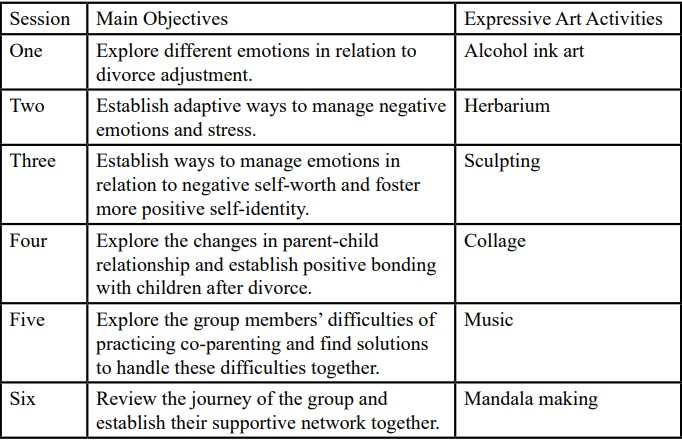
Table 1: Expressive art protocol of the mutual help group
The quantitative research method of a single-system design was used to evaluate the effectiveness of expressive art intervention in relation to outcomes of divorced adjustment, co-parental communication, and coping strategies before and after participants completed the mutual help group. With the consent from the participants, a self-reported questionnaire was given to each participant before joining the group (pre-test), after completing the mutual help group (post-test), and 2 months after the group. The inclusion criteria of the participants were as follows: i) the person who is in post-divorce stage, ii) aged over 18, and iii) the person is a resident parent (take care of children most of the time).
The IBM Statistical Product and Service Solutions (SPSS) with version 29 was used as the analysis method. Descriptive statistics will be used to measure the effectiveness of the mutual help group by the evaluation of the participants. Also, the Wilcoxon signed-rank test will be used to analyze the variation of the single parents in the variable before and after participating in the mutual help group such as divorced adjustment, co-parental communication, coping strategies, and its subscales.
Results
A Wilcoxon signed-rank test was conducted to determine whether there was a statistical difference between pre-test and post-test scores regarding the subscale of divorced adjustment, co-parental communication, and coping strategies after participating in the single-parent mutual help group.
The results of this study indicated that there was significant difference in the subscale self-worth of the divorce adjustment, z = -2.48, p < .05. It demonstrates the significant difference that post-test scores (M=13.25; SD=3.29) were higher than pre-test scores (M=10.9; SD=3.36). These results suggested a consistent improvement of participants’ self-worth after participating in the single-parent mutual help group. Also, the results indicated that there are significant differences in the subscale emotional/neutral of the coping strategies, z = -3.11, p < .05. It demonstrated the significant difference that post-test scores (M=13.33; SD=2.63) were higher than pre-test scores (M=10.67; SD=2.89). These results suggested participants were more practicing emotional/neutral coping strategies to handle the adjustment of divorce (Table 2).
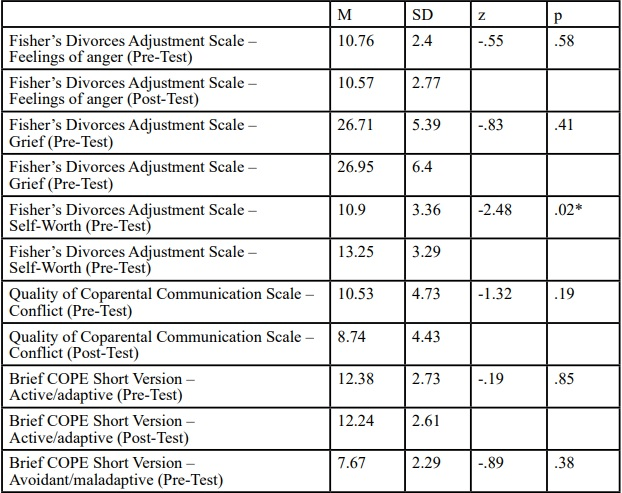
Table 2: Wilcoxon signed-rank test of the subscale of divorced adjustment, co-parental communication and coping strategies
A Wilcoxon signed-rank test was also used to determine whether there was a statistical difference between the scores of the post-test and 2 months follow-up test regarding self-worth and emotional/ neutral of the coping strategies. There were no significant differences between the scores of the post-test and follow-up test after 2 months in the variable of the subscale self-worth and the subscale emotional/ neutral of the coping strategies (Table 3).
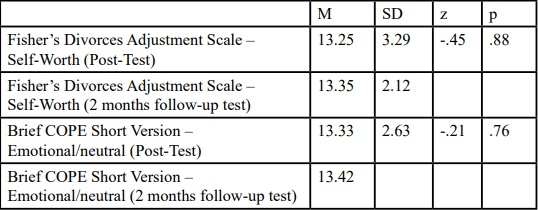
Table 3: Wilcoxon signed-rank test of ‘self-worth’ subscale of Fisher’s Divorce Adjustment and ‘emotional/neutral’ subscale of Brief COPE
Discussion
The study studied the effectiveness of expressive arts intervention in the single-parent mutual help groups which were designed for the participants to cope with the challenges of separation and divorce. Two findings regarding the effectiveness of expressive art intervention are concluded as follows: i) it is effective to foster the single parents’ self-worth in the divorce adjustment, and ii) it is effective to foster participants to adopt emotional/neutral coping strategies in divorce adjustment.
As mentioned by Serlin [69], the ability to use the right brain to express oneself physically and emotionally through expressive arts therapy can decrease the pressure and improve self-esteem, self-confidence and a healthy body image. Vaartio-Rajalin et al. [56] mentioned that the activities of expressive arts therapy related to the outcomes, such as improving self-esteem, connecting with family members, and decreasing depression, anxiety, and psychosocial stress [70-74]. The situation of single parents, especially single mothers endure the higher psychological pressure from their lives, which causes emotional tensions, low self-esteem and psychological disorders with depression and anxiety [75]. As mentioned by Azer et al. [76], self-esteem can help single mothers avoid the emotional drain when they reestablish and maintain the balance between their perceptions and standards after divorce. During the activities of expressive arts therapy, single mother not only express their feeling and pressure through the activities but also can connect with other single parents as same as organize the social network of single-parent groups, which can rebuild their self-esteem and provide social support for them to cope with the negative impacts from divorce. This also echoed with the relatedness concept of Deci & Ryan's self-determination theory, expressive art intervention provides the participants psychological space to connect with themselves and others in safe and respectful environment.
In addition, the results indicated a consistent improvement in the subscale emotional/neutral of coping strategies after participating in the single-parent mutual help group with expressive arts therapy. According to the research Broussard et al. [58], single-parent mothers used more coping strategies compared with married mothers when they faced challenges, such as “acceptance of responsibility for problems” and “positive reappraisal of stressful situations”. Based on the coping strategies used by single mothers, single mothers usually focus on how to take responsibility for the problems and the pressure from the problems and are less concerned about their own emotions. Xue and McMunn [77] and Hertz et al. [78] also highlighted the potential stressors for single parents are the heavy responsibility of the family, raising the children alone, and the changing work patterns with increase or decrease the working hours, etc. Many of the participants of this study relied on financial subsidy from the government because they have to retain primary caregiving responsibility for children after separation [30]. Such economic disadvantages can lead to single mothers experiencing mental health disorders with depression due to stressors for a long time [79]. According to the research by Bashir et al. [80], the effective coping strategies of single mothers to obtain social support from family, friends, neighbor, and social welfare services from the government or other non-government organization. The influence of expressive arts therapy can facilitate the emotional expression and healing of the participants through creative modalities [81]. During the process of expressive arts therapy, the participants can learn how to emotional regulation and develop coping skills with the challenges. So, coping strategies with emotional issues with emotional regulation are also essential for single parents to cope with the challenges. This also echoes with the concept of autonomy and competency of Deci & Ryan's self-determination theory. When single parents can learn to regulate their emotions, they become less reactive to others’ emotions and behavior. Therefore, they become more autonomy and competent to tackle the challenges with stable emotions.
This study has several limitations to consider, including the unbalanced gender demographics of the single parents who participated. There is a total of 37 single parents who participated in the mutual help group, and only 21 participants completed the questionnaire of pre-test, post-test, and follow-up questionnaire after 2 months, comprising 20 women and 1 man. Thus, most comments came from single mothers, with 1 comment from a single father, so the results may be not comprehensive for all participants. Moreover, most participants came from underprivileged families and received government financial assistance. Consequently, the study findings may be disproportionately influenced by the experiences and needs of economically disadvantaged single mothers, potentially introducing socioeconomic bias into the results. Future research should include participants from a wider range of socioeconomic backgrounds to enhance the representativeness and generalizability of the findings. Furthermore, the absence of control group is a limitation of the study design. A future study on a similar topic focuses on single parents with different socioeconomic statuses and collecting the data from the single father can be more comprehensive in understanding the situation of the whole group with single-parent families. Also, it is better to include control group for comparison for further study.
Conclusion
This study explored the effectiveness of expressive art intervention of the single-parent mutual help group provided for the participants to cope with the challenges of the period of separation and divorce. The results found that expressive arts intervention is effective to foster single parents’ self-worth in divorce adjustment and promote the single parents to practice emotional/neutral coping strategies. However, there were no significant differences between the scores of the post-test and follow-up test after 2 months regarding self-worth and emotional/neutral of the coping strategies. These insights underscore that expressive arts intervention is an important and effective intervention for promoting single parent’s adjustment healthily in post-divorce stage, suggesting avenues for societal support through interventions via social workers or government initiatives.
Acknowledgment
We would like to thank all the single parents who participated in this study. Also, we express our gratitude to the NGO (Hong Kong Single Parents Association) which contributed their support in project management and data collection.
Funding
The author(s) disclosed receipt of the following financial support for the research, authorship, and /or publication of this article: This work was financially supported by the first author’s university (UL/ RS/2023/003).
Declaration of Conflicting Interests
The author(s) declared no potential conflicts of interest.
Data Availability Statement
Research data is available upon written request.
References
Golombok, S., Zadeh, S., Imrie, S., Smith, V., & Freeman, T. (2016). Single mothers by choice: Mother–child relationships and children’s psychological adjustment. Journal of Family Psychology, 30(4), 409–418. View
Chavda, K., & Nisarga, V. (2023). Single parenting: Impact on child’s development. Journal of Indian Association for Child and Adolescent Mental Health, 19(1), 14–20. View
Bhatt, A. (2020). Expert’s take: By undercounting single mothers, we underserve families. Retrieved April, 20, 2020. View
Wakai, H., Nawa, N., Yamaoka, Y., & Fujiwara, T. (2023). Stressors and coping strategies among single mothers during the COVID-19 pandemic. PLOS ONE, 18(3), e0282387–e0282387. View
Collings, S., Jenkin, G., Carter, K., & Signal, L. (2013). Gender differences in the mental health of single parents: New Zealand evidence from a household panel survey. Social Psychiatry and Psychiatric Epidemiology, 49(5), 811–821. View
Tobias, M., Gerritsen, S., Kokaua, J., & Templeton, R. (2009). Psychiatric illness among a nationally representative sample of sole and partnered parents in New Zealand. Australian & New Zealand Journal of Psychiatry, 43(2), 136–144. View
Wade, T. J., Veldhuizen, S., & Cairney, J. (2011). Prevalence of psychiatric disorder in lone fathers and mothers: Examining the intersection of gender and family structure on mental health. Canadian Journal of Psychiatry, 56(9), 567–573. View
Stack, S., & Scourfield, J. (2013). Recency of divorce, depression, and suicide risk. Journal of Family Issues, 36(6), 695–715. View
Obradović, J., & Willoughby, M. T. (2019). Studying executive function skills in young children in low‐ and middle‐income countries: Progress and directions. Child Development Perspectives, 13(4), 227–234. View
Yucel, D., & Latshaw, B. A. (2022). Mental health across the life course for men and women in married, cohabiting, and living apart together relationships. Journal of Family Issues, 0192513X2110680. View
Targosz, S., Bebbington, P., Lewis, G., Brugha, T., Jenkins, R., Farrell, M., & Meltzer, H. (2003). Lone mothers, social exclusion and depression. Psychological Medicine, 33(4), 715–722. View
Van de Velde, S., Bambra, C., Van der Bracht, K., Eikemo, T. A., & Bracke, P. (2014). Keeping it in the family: The self-rated health of lone mothers in different European welfare regimes. Sociology of Health & Illness, 36(8), 1220–1242. View
Hetherington, E. M., & Kelly, J. (2002). For better or for worse: Divorce reconsidered. W. W. Norton & Co. View
Freeman, A. L. (2017). Moving “up and out” together: Exploring the mother-child bond in low-income, single-mother-headed families. Journal of Marriage and Family, 79(3), 675–689. View
Goodrum, N. M., Jones, D. J., Kincaid, C. Y., Cuellar, J., & Parent, J. M. (2012). Youth externalizing problems in African American single-mother families: A culturally relevant model. Couple and Family Psychology: Research and Practice, 1(4), 294–305. View
Rees, E., Beeber, S. N., Sampson, R., & Lietz, J. P. (2023). Empowering single parents: Navigating socio-economic challenges and fostering resilience in family well-being. Law and Economics, 17(2), 131–150. View
Puff, J., & Renk, K. (2014). Relationships among parents’ economic stress, parenting, and young children’s behavior problems. Child Psychiatry & Human Development, 45(6), 712–727. View
Feinberg, M. E. (2002). Coparenting and the transition to parenthood: A framework for prevention. Clinical Child and Family Psychology Review, 5(3), 173–195. View
Feinberg, M. E. (2003). The internal structure and ecological context of coparenting: A framework for research and intervention. Parenting, 3(2), 95–131. View
Schrodt, P., & Shimkowski, J. R. (2013). Feeling caught as a mediator of co-parental communication and young adult children’s mental health and relational satisfaction with parents. Journal of Social and Personal Relationships, 30(8), 977–999. View
Elam, K. K., Sandler, I., Wolchik, S. A., Tein, J.-Y., & Rogers, A. (2019). Latent profiles of postdivorce parenting time, conflict, and quality: Children’s adjustment associations. Journal of Family Psychology, 33(5), 499–510. View
van Dijk, R., van der Valk, I. E., Deković, M., & Branje, S. (2020). A meta-analysis on interparental conflict, parenting, and child adjustment in divorced families: Examining mediation using meta-analytic structural equation models. Clinical Psychology Review, 79(1), 101861. View
Buchanan, C. M., Maccoby, E. E., & Dornbusch, S. M. (1991). Caught between parents: Adolescents’ experience in divorced homes. Child Development, 62(5), 1008–1029. View
Shimkowski, J. R., & Schrodt, P. (2012). Coparental communication as a mediator of interparental conflict and young adult children’s mental well-being. Communication Monographs, 79(1), 48–71. View
Lamela, D., Figueiredo, B., Bastos, A., & Feinberg, M. (2016). Typologies of Post-divorce Coparenting and Parental Well-Being, Parenting Quality and Children’s Psychological Adjustment. Child Psychiatry and Human Development, 47(5), 716–728. View
Nielsen, L. (2018). Joint versus sole physical custody: Children’s outcomes independent of parent–child relationships, income, and conflict in 60 studies. Journal of Divorce & Remarriage, 59(4), 247–281. View
Leung, J. T. Y., Shek, D. T. L., To, S.-M., & Ngai, S.-W. (2023). Maternal Distress and Adolescent Mental Health in Poor Chinese Single-Mother Families: Filial Responsibilities—Risks or Buffers? International Journal of Environmental Research and Public Health, 20(7), 5363. View
Lee, T. T. (2023). Towards a textural sociological approach to single mothers’ voices: a study of Hong Kong mothers. Discourse (Abingdon, England), 44(4), 548–561. View
Au, A., Chan, Y.-C., Cheung, G., Yuen, P., & Lee, T. (2008). Examining the Correlation between Parenting Stress and Social Support and Loneliness in Chinese Mothers Living in a Socially Impoverished Community in Hong Kong. Journal of Psychology in Chinese Societies, 9(2), 167. View
Hung, S. L., & Fung, K. K. (2011). Gendering welfare: Lone mothers' experiences of welfare-to-work programmes in Hong Kong. Social Policy and Society, 10(3), 339-349. View
Chan, K. W., & Lo, K. M. (2015). Families at risk: The lived experience of lone mothers in Hong Kong. In R.K.H, Chan., J, Zinn, J., & L.-R, Wang (Eds.), New Life Courses, Social Risks and Social Policy in East Asia (1st ed.). Routledge. View
Haikal, M., & Latipun, L. (2020). The resilience of women who are divorced and choose to live with their children. Psychology and Behavioral Sciences, 9(4), 44. View
Barron, L. (2017). Divorce and its effects on the development of children. UNI ScholarWorks. View
Karela, C., & Petrogiannis, K. (2018). Risk and resilience factors of divorce and young children’s emotional well-being in Greece: A correlational study. Journal of Educational and Developmental Psychology, 8(2), 68. View
Russell, B. S., Tomkunas, A. J., Hutchison, M., Tambling, R. R., & Horton, A. L. (2021). The protective role of parent resilience on mental health and the parent–child relationship during COVID-19. Child Psychiatry & Human Development, 53. View
Hou, Y., Zhang, Y., Cao, X., Lei, G., & Liu, G. (2023). The association between perceived social support and resilience among Chinese university students: A moderated mediation model. Psychology in the Schools. View
Pettersson, M. L., Sydsjö, G., Lampic, C., Svanberg, A. S., & Elenis, E. (2023). Perceived social support in solo women seeking treatment with donor gametes and in women in heterosexual couples seeking IVF-treatment with own gametes. Scientific Reports, 13(1). View
Eagle, D. E., Hybels, C. F., & Proeschold-Bell, R. J. (2018). Perceived social support, received social support, and depression among clergy. Journal of Social and Personal Relationships, 36(7), 2055–2073. View
Lyyra, T.-M., & Heikkinen, R.-L. (2006). Perceived social support and mortality in older people. Journals of Gerontology Series B: Psychological Sciences and Social Sciences, 61(3), S147–S152. View
Scheid, T. L., & Brown, T. N. (Eds.). (2010). A handbook for the study of mental health: Social contexts, theories, and systems (2nd ed.). Cambridge University Press. View
Harknett, K. S., & Hartnett, C. S. (2011). Who lacks support and why? An examination of mothers’ personal safety nets. Journal of Marriage and Family, 73(4), 861–875. View
Lee, C.-Y. S., Anderson, J. R., Horowitz, J. L., & August, G. J. (2009). Family income and parenting: The role of parental depression and social support. Family Relations, 58(4), 417– 430. View
Turner, R. J., & Brown, R. L. (2010). Social support and mental health. In T. L. Scheid & T. N. Brown (Eds.), A handbook for the study of mental health (2nd ed., pp. 200–212). Cambridge University Press. View
Leinonen, J. A., Solantaus, T. S., & Punamäki, R.-L. (2003). Social support and the quality of parenting under economic pressure and workload in Finland: The role of family structure and parental gender. Journal of Family Psychology, 17(3), 409– 418. View
Deci, E. L., & Ryan, R. M. (1985). Intrinsic motivation and self-determination in human behavior (1st ed.). Springer US. View
Ryan, R. M., & Deci, E. L. (2000). Self-determination theory and the facilitation of intrinsic motivation, social development, and well-being. American Psychologist, 55(1), 68–78. View
Hennessey, B. A. (2000). Self-determination theory and the social psychology of creativity. Psychological Inquiry, 11(4), 293–298. View
Reeve, J., & Lee, W. (2018). A neuroscientific perspective on basic psychological needs. Journal of Personality, 87(1), 102– 114. View
Ryan, R. M., & Deci, E. L. (2022). Self-Determination theory. Encyclopedia of Quality of Life and Well-Being Research, 1(1), 1–7. View
DeCharms, C. R. (1968). Personal Causation: The Internal Affective Determinants of Behavior. New York: Academic Press. View
White, R. W. (1959). Motivation reconsidered: The concept of competence. Psychological Review, 66(5), 297–333. View
Van den Broeck, A., Vansteenkiste, M., Witte, H., Soenens, B., & Lens, W. (2010). Capturing autonomy, competence, and relatedness at work: Construction and initial validation of the work-related basic need satisfaction scale. Journal of Occupational and Organizational Psychology, 83(4), 981– 1002. View
Baumeister, R. F., & Leary, M. R. (1995). The need to belong: Desire for interpersonal attachments as a fundamental human motivation. Psychological Bulletin, 117(3), 497–529. View
Truitt, S. (2023). Self determination theory and expressive arts therapy: A path to needs satisfaction and mindful autonomous motivation. (Master’s Thesis, Expressive Therapies Capstone Theses), 716. View
Kim, S. (2010). A story of a healing relationship: The person-centered approach in expressive arts therapy. Journal of Creativity in Mental Health, 5(1), 93–98. View
Vaartio-Rajalin, H., Santamäki-Fischer, R., Jokisalo, P., & Fagerström, L. (2020). Art making and expressive art therapy in adult health and nursing care: A scoping review. International Journal of Nursing Sciences, 8(1). View
Mohamad, Z., Husain, Z., Talib, J. A., Mohd Yusof, R. A., Ramley, F., Dagang, M. M., Ab Raji, N. A., & Mohd Noor, M. (2019b). The effectiveness of art therapy module on the well- being of single mothers. Humanities & Social Sciences Reviews, 7(1), 441–449. View
Broussard, C. A., Joseph, A. L., & Thompson, M. (2012). Stressors and coping strategies used by single mothers living in poverty. Affilia, 27(2), 190–204. View
Cui, Y., & Wang, F. (2022). The research focus and development trend of art therapy in chinese education since the 21st century. Frontiers in Psychology, 13. View
Wang, J., & Azizah Binti Abdullah. (2024). A summary of expressive arts therapy and painting therapy. Creative Education, 15(02), 278–288. View
Gong, K. Y. (2022). The Healing and Practical Applications of Expressive Arts Therapy. Popular Psychology, 1, 6-9. View
Monica Sri Sunaringsih, Sri Tiatri, & Soemiarti Patmonodewo. (2020). Effectiveness of expressive art therapy group to reduce stress level in mothers of children with neurodevelopmental disorders. Proceedings of the Tarumanagara International Conference on the Applications of Social Sciences and Humanities (TICASH 2019). View
Soubosky, N. (2021). Drag as a method of expressive art therapy for LGBT+ individuals. (Master’s Thesis, Expressive Therapies Capstone Theses), 519. View
Crosier, T., Butterworth, P., & Rodgers, B. (2007). Mental health problems among single and partnered mothers: The role of financial hardship and social support. Social Psychiatry and Psychiatric Epidemiology, 42(1), 6–13. View
Kareem, O. M., Oduoye, M. O., Bhattacharjee, P., Kumar, D., Zuhair, V., Dave, T., Irfan, H., Taraphdar, S., Ali, S., & Orbih, O. M. (2024). Single parenthood and depression: A thorough review of current understanding. Health Science Reports, 7(7). View
Ahrons, C. R. (1981). The continuing coparental relationship between divorced spouses. American Journal of Orthopsychiatry, 51(3), 415–428. View
Carver, C. S., Scheier, M. F., & Weintraub, J. K. (1989). Assessing coping strategies: A theoretically based approach. Journal of Personality and Social Psychology, 56(2), 267–283. View
Brambila-Tapia, A. J. L., Martínez-Arriaga, R. J., GonzálezCantero, J. O., González-Becerra, V. H., Reyes-Domínguez, Y. A., Ramírez-García, M. L., & Macías-Espinoza, F. (2023). Brief COPE short version (mini-cope): A proposal of item and factorial reduction in mexican population. Healthcare, 11(8), 1070. View
Serlin, I. A. (2007). Theory and practices of art therapies: Whole person integrative approaches to healthcare. In I. A. Serlin, J. Sonke-Henderson, R. Brandman, & J. Graham-Pole (Eds.), Whole person healthcare Vol. 3. The arts and health (pp. 107– 119). Praeger Publishers. View
Blomdahl, C., Guregård, S., Rusner, M., & Wijk, H. (2018). A manual-based phenomenological art therapy for individuals diagnosed with moderate to severe depression (patd): A randomized controlled study. Psychiatric Rehabilitation Journal, 41(3), 169–182. View
Guay, M. (2018). Impact of group art therapy on the quality of life for acquired brain injury survivors. Art Therapy, 35(3), 156– 164. View
Lee, J., Choi, M. Y., Kim, Y. B., Sun, J., Park, E. J., Kim, J. H., Kang, M., & Koom, W. S. (2017). Art therapy based on appreciation of famous paintings and its effect on distress among cancer patients. Quality of Life Research, 26(3), 707– 715. View
Ciasca, E. C., Ferreira, R. C., Santana, C. L. A., Forlenza, O. V., dos Santos, G. D., Brum, P. S., & Nunes, P. V. (2018). Art therapy as an adjuvant treatment for depression in elderly women: A randomized controlled trial. Revista Brasileira de Psiquiatria, 40(3), 256–263. View
Monti, D. A., Kash, K. M., Kunkel, E. J., Moss, A., Mathews, M., Brainard, G., Anne, R., Leiby, B. E., Pequinot, E., & Newberg, A. B. (2013). Psychosocial benefits of a novel mindfulness intervention versus standard support in distressed women with breast cancer. Psycho-Oncology, 22(11), 2565–2575. View
Karunanayake, D. D. K. S., Aysha, M. N., & Vimukthi, N. D. U. (2021). The psychological well-being of single mothers with school age children : An exploratory study. International Journal of Scientific Research in Science and Technology, 8(1), 16–37. View
Azer, I., Mohamad, S. A., Hashim, H., Mansor, F., & Azudin, M. Z. M. (2022). Self-esteem, quality of life and financial well-being: A review on psychological health factors of single mothers. Malaysian Journal of Social Sciences and Humanities (MJSSH), 7(10), e001842–e001842. View
Xue, B., & McMunn, A. (2021). Gender differences in unpaid care work and psychological distress in the UK covid-19 lockdown. PLOS ONE, 16(3), e0247959. View
Hertz, R., Mattes, J., & Shook, A. (2020). When paid work invades the family: Single mothers in the COVID-19 pandemic. Journal of Family Issues, 42(9), 2019–2045. View
Dhungel, B., Kato, T., Kachi, Y., Ochi, M., Filmour, S., & Takehara, K. (2021). Prevalence of and associated factors for psychological distress among single fathers in japan. Journal of Epidemiology, 33(6). View
Bashir, A., Batool, E., Bhatia, T., Shoib, S., Mir, N. A., Bashir, U., Singh, R., McDonald, M., Hawk, M. E., & Deshpande, S. (2023). Community practices as coping mechanisms for mental health in Kashmir. Social Work in Mental Health, 21(4), 406– 421. View
Malchiodi, C. A. (2013). Expressive arts therapy: Creative process in art and life. Guilford Press.