
- About the Journal
- Editorial Board
- Review Process
- Author Guidelines
- Article Processing Charges
- Special Issues
- Current Issue
- Past Issue
 Journal of Mental Health and Social Behaviour
 Volume 8 (2026), Article ID: JMHSB-219
https://doi.org/10.33790/jmhsb1100219Review Article
Corporate Discourse, Brand Culture, and CSXM Activism
Walter Wai Tak Chan
Assistant Professor, School of Social Work, Algoma University, 1520 Queen St E, Sault Ste. Marie ON P6A 2G4, Canada.
Corresponding Author Details: Walter Wai Tak Chan, Assistant Professor, School of Social Work, Algoma University, 1520 Queen St E, Sault Ste. Marie ON P6A 2G4, Canada.
Received date: 02nd March, 2026
Accepted date: 29th June, 2026
Published date: 01st July, 2026
Citation: Chan, W. W. T., (2026). Corporate Discourse, Brand Culture, and CSXM Activism. J Ment Health Soc Behav 8(1):219.
Copyright: ©2026, This is an open-access article distributed under the terms of the Creative Commons Attribution License, which permits unrestricted use, distribution, and reproduction in any medium, provided the original author and source are credited.
Abstract
Canadians have heard much about mental health, with the conversation often mediated by major corporations. Meanwhile, the psychiatric consumer, survivor, ex-patient, and Mad (CSXM) movement talks about mental health in terms of human rights, inclusion, and equity. The paper addresses the following questions: 1. How is mental health conceived differently (or not) within Canadian corporate mental health discourse compared to CSXM discourse? 2. What is the impact of these discourses on mental health nonprofit organizations and Canadians generally, for how they think about mental health? With critical discourse analysis, it examined and compared the discourses of 2 corporate mental health initiatives (Bell Let’s Talk, Workplace Strategies for Mental Health) and 3 CSXM nonprofits (National Network for Mental Health, Mad Society of Canada, Gallery Gachet). It was noted that corporate discourses were much more comprehensive in their coverage of mental health issues, whereas CSXM platforms targeted a small audience. We found these two discourses interact, rather than being opposites, with CSXM discourses significantly influencing corporate discourses in drawing attention to human rights and social inclusion. However, corporate discourses also encourage Canadians to accept a commercialized, individualistic discourse of mental health through self-branding and corporate philanthropy. We discuss the rather limited possibilities in advancing equity and human rights within a corporate framework, concluding that such aspirations would require alternative modes of discourse.
Keywords: Mental Health, Psychiatric Consumer, Survivor, Ex- patient, Mad, Discourse, Corporations, Brand
Introduction
Recent press has been critical of Canadian corporate-led mental health initiatives. These telecoms and banks purportedly create callous working conditions – for telecoms, low pay, little job security – while charging some of the world’s highest phone rates and bank fees [1-4]. In contrast, the discourses produced by people with lived experience of mental health problems (MHPs) – psychiatric consumers, survivors, ex-patients, and Mad identities (CSXMs) – are largely unknown [5]. Mental health problems include addictions, anxiety, depression, and schizophrenia, commonly experienced by one in five Canadians in any given year [6]. CSXM discourses play smaller roles in shaping public perceptions. Corporate discourses are influential in shaping the culture and the psyche. While corporate and CSXM discourses have been examined separately, little attention is paid to how they interact or intermingle.
At risk of overgeneralizing, psychiatric consumers refer to users of psychiatry or other mental health services who are interested in reforming the system. Survivors refer to users (or ex-patients) of psychiatry who either reject psychiatry outright, as more hurtful than helpful [7]. Other ex-patients have felt abandoned by psychiatry, being labelled by psychiatrists as having little to no expectation of recovery and return to wellness [8]. Mad identity refers to individuals who are reclaiming pride in one’s neurodiversity, refuting normality, and reclaiming a formerly pejorative term.
The paper will demonstrate that CSXM and corporate discourses are both transformative and disciplinary. Discourses channel CSXM demands for visibility and positive representation (transformative), but CSXM-identities also become branding material (disciplinary) [9,10]. CSXM-identities can become branded within corporate discourse platforms. For some, this becomes an ethical dilemma [5]. Transformative discourses represent the current social order as transitory, temporary, highlighting possibilities for positive change [11]. Disciplinary discourses present the current human condition as inevitable, necessary [11].
The paper addresses the following questions: 1. How is mental health conceived differently (or not) within Canadian corporate mental health discourse compared to CSXM discourse? 2. What is the impact of these discourses on mental health nonprofit organizations and Canadians generally, for how they think about mental health? The paper provides a critical discourse analysis of the mission, vision, and management strategies regarding mental health for 3 mental health nonprofits [12,13] and 2 corporate mental health initiatives [14,15]. Conceptually, the paper reviews the notion of discourse, the field of CSXM organizations, the recovery idea, and philanthropic capitalism. The paper describes critical discourse analysis methodology and how it is applied to these five (5) organizations. The paper makes recommendations for reimagining organizational discourse, focusing on socioeconomic equity and CSXM aspirations while addressing some counterarguments.
Positionality of Author
Walter identifies as a Cantonese-Canadian man, born in Hong Kong, and a user of psychiatry. He is a disability activist and environmentalist. He is employed as assistant professor at Algoma University, Ontario, Canada. Walter was the co-chair of the National Network for Mental Health from 2019 to 2024.
Literature Review
Discourse
Discourse refers to the meaning system in any human activity, usually involving written language [16]. From critical theory, discourse is defined as the way that institutional structures and popular culture benefiting the wealthy and powerful in society become naturalized as normal, inevitable [17]. Beattie [18] suggested neo-liberalization is the dominant North American political discourse. It includes entrepreneurial individualism, markets overdetermining the social structure, and corporate interests reified as national interests. However, no discourse is total or unassailable. They are subject to negotiation and contradictions. Communications scholar Banet-Weiser [9] stated that discourses involve interactions with differences, rather than a singular ideology or approach. The paper adopts the premise that cultural values and practices are best understood as compromises rather than a binary or dichotomy [9]. Differing social groups often interact and borrow from one another.
Canadian Consumer, Survivor, and Ex-patient Organizations and Recovery
Starting with the first Canadian organization in 1971, CSXM organizations have been led by people with MHPs [19]. They provide referral services, peer support, advocacy, and a place to socialize. Organizations operate under the notion that people with MHPs know best about their own lived experiences of psychiatry and the mental health system. Also, CSXM individuals assert that conventional psychiatric treatments are typically inadequate, sometimes harmful. Thus, CSXM-led mutual support and advocacy are pivotal for wellbeing, including having alternatives to psychiatric wards1. Some assert that socioeconomic inequality is one of mental distress’s root causes [20]. Organizationally, CSXM groups have experienced government funding cuts over the years [21,22]. As a survival strategy, they may look for financial support from corporations and philanthropists.
Mental health recovery is important. Recovery may be understood as a return to normal – symptom remission [23]. However, for the past three decades, CSXM individuals have challenged the view that recovery must include symptom-free normality, claiming a much more varied process [23,24]. It is now recognized that symptom-free recovery is not always possible. However, transforming one’s attitude, values, skills, and roles to achieve satisfying lives is possible, even though there are health limitations (Deegan). Sometimes, recovery’s meaning has been assimilated into dominant culture discourses of individual choice and individual self-regulation [25]. Recovery then is rendered as mainly a superficial, patronizing tolerance to those deemed different, strange. It would leave untouched the continuing, unaccountable power structures and socioeconomic inequalities and injustices which plague Canadians and cause distress [25]. This critique underlies the paper’s analysis.
Also, activists identify discrimination as a primary problem. Mental patients and ex-patients encounter high levels of stigmatization and discrimination, from health professionals and society in general [19]. CSXM organizations challenge such oppression through peer support and advocacy. They may also propose that discrimination will ease off when economic inequality also decreases and social programs become universal [21,26]. This latter, broader intervention may be considered macrolevel recovery. These are interventions increasing the tolerance for psychosocial variability while reducing economic inequality.
Philanthropic Capitalism
Philanthropy has had a very long history since antiquity. These include the Jewish (tzedakah), Christian (charity), and Islamic (awqaf) philanthropic traditions, giving in Indian philosophy (dana), and Confucian and Mohist traditions of duty and benevolence. From pre-modern to modern society, in stratified, patriarchal societies, for philanthropy, a debate between justice (the wealthy are obligated by law or tradition to share) and charity or beneficence (individual giving by choice) exists [27]. One may see the current struggle between grassroots initiatives compared to corporate ones as a continuation of it.
Corporate initiatives in mental health can be seen as philanthropic capitalist projects. It is a belief that business methods can solve social problems more effectively than government. Philanthropic capitalists extend competitive principles into civil society, creating philanthropic markets wherein groups compete for corporate funds. Money is given to projects demonstrating supposed efficiency and impact. It sometimes involves the selling commercial products wherein a small fraction of the proceeds goes to social causes [11].
Canadian mental health organizations may seek funding arrangements from banks, insurance companies, and the pharmaceutical industry, although the reliance on government still seems primary [7,28]. Philanthropic capitalism endorses that there are nearly inexhaustible pools of corporate capital, providing the means to offset any decreases in government funding [28,29]. Jain argued that government social programs create an artificial, noncompetitive redistribution, and thus an inability to grow the economy. They are perceived to sap individual initiative and national competitiveness. Philanthropic capitalism, in this view, helpfully connects corporations (responsible for wealth and job creation) with nonprofit groups (the civil society responsible for legitimate social needs). Corporations or wealthy individuals decide to whom they give, framed as charity for the nation [30,31].
Critics charge that philanthropic capitalism would weaken democracy by shifting public policy decisions to corporations with very little public accountability [32,33]. Large corporations and the wealthy often use philanthropy for image-makeovers and branding. These arrangements usually improve corporate profitability through brand recognition and virtue signaling [11,34]. The critique is that these “socially responsible” corporations, regardless of their philanthropy, create major social and psychological distress as part of their everyday business practices [32]. Their top-down hierarchy and overriding profit motive may override any existing concerns about equity, human rights, and a healthy environment [20,35]. Although some CSXM organizations offer critical analysis of corporate discourses (e.g., http://gachet.org/), academic analysis of CSXM corporate relationships is rare.
Methodology: Critical Discourse Analysis
This paper’s critical analysis of mental health discourse aims to show the process by which mental health nonprofit organizations and big corporations construct an argument as well as what this argument might reveal about wider social practices [16,36]. The paper aims to demonstrate what viewpoints these sources try to establish as self-evident and true (Schneider). It shows the rhetoric used to communicate what these sources think is effective or plausible (Schneider). Our approach is influenced by critical social theory. It posits a research obligation to uncover taken-for-granted ideologies which reflect class domination and inequality [17].
Throughout 2020 and from February to May 2026, the discourses of three nonprofit organizations and two corporate mental health initiatives were analyzed. Three Canadian nonprofits [13,37] were selected because they are modest in size and capacity, like most CSXM groups. National Network and Mad Society are run by CSXM individuals, whereas Gallery Gachet is run by professional artists who have strong connections to the CSXM community. National Network mainly works online, Mad Society exclusively so, whereas Gallery Gachet operates both a physical art gallery in Vancouver (Canada) while maintaining an up-to-date website and social media. The two corporate initiatives [38,39] are well-known in Canada. Both reside within the corporate structure of their governing organizations and are relatively well resourced. The five (5) organizations are described below.
Publicly available texts in each organization’s website and social media (where available) were perused: vision, mission, organizational activities, policy recommendations, posts, and videos. No confidential documents were used. The three nonprofits offered relatively small amounts of public documentation. The two corporate initiatives offered voluminous documentation. The main unit of analysis was the individual webpage, social media post, or YouTube video. For Gallery Gachet, their displayed artwork was not analyzed, per se.
Inspired by Schneider’s [36] toolbox, discourse analysis was carried out in nine or ten steps. These included: establish the context; explore the production process (who produced the source material); code; examine the text’s structure; collect discursive statements; identify cultural references; identify rhetorical mechanisms (word groups); interpret; and present findings. As per Schneider, the paper’s main research strategy involves seeing how various statements made by these organizations function at the level of language. Such functions are analyzed, hypothesizing their broader meaning. We examined pronoun use (linkage with protagonist or audience roles) and adverbs (discursive judgment on these roles) (Schneider). The text was searched for any statements on what “should” or “could” be (Schneider). Such phrases create urgency, serving as calls to action (Schneider). Analyzing the data, the paper asked a crucial question: Who might benefit from the discourse that the organization constructs?
Five Cases
National Network for Mental Health
National Network for Mental Health (NNMH) is a national peer support, advocacy, and psychoeducation group. These resources and projects are often based on mental health lived experience, rather than expert knowledge and scientific research – although it is not dismissive of professional knowledge. NNMH is funded by the Canadian government. For NNMH, 7 webpages were examined (their home website). Its web presence has been significantly reduced from previous years. In 2026, NNMH had virtually no social media presence.
Mad Society of Canada
Mad Society of Canada [13] is a web-based psychiatric survivor and Mad organization. Psychiatric survivor signifies people with a lived experience of psychiatric intervention. It communicates a highly critical stance, although not always an outright rejection, of psychiatry. Also, psychiatric survivors are often quite critical of mainstream society’s political and economic institutions. MSC engages in Mad theorizing to deconstruct medical models of mental health and critically sees the work of the mental clinic as implicated in broader systems of oppression. In 2017, MSC operated a peer support warmline, a peer-run hotline that offers callers emotional support, on Saturdays and Sundays. It also authored a report on human rights problems in the Canadian mental health system, submitted to the United Nations [40]. For MSC, 17 webpages were examined (their home website). MSC had no known social media presence.
Gallery Gachet
Gallery Gachet, based in Vancouver, British Columbia, is an art gallery focused on “outsider art,” as a cultural center for the Vancouver downtown eastside community. It features visual art and multimedia installations on themes of settler colonial violence, family violence, and mental distress. Centering Indigenous resurgence and African cosmologies, it takes a highly critical lens to Vancouver (and Canada’s) cultural scene. The gallery also engages in Mad theorizing and human rights discourse. The artwork engages with Vancouver culture, politics, economics, and aesthetics, implicating them into broader systems of oppression. 51 webpages (their home website) and 12 newsletters were examined. The displayed artwork was not formally analyzed.
Bell Let’s Talk
Bell Let’s Talk is a mental health awareness campaign created by the telecommunications company, Bell Canada. (BLT, 2020) began in 2010, focusing on four areas: fighting stigma, improving access to care, supporting research, and leading workplace mental health. It donated five cents to mental health for every text message or phone call made, in addition to every tweet, Instagram post, Facebook video view, and Snapchat geo-filter used with its hashtag. From 2010 to 2021, the campaign raised approximately 121 million dollars Canadian [41]. BLT aims to increase mental health awareness nationally. The money raised is distributed to small and medium- sized organizations as well as to universities, providing services and treatment options to communities which otherwise would do without [34].
Although BLT’s website is compact, its message is mainly spread through numerous Facebook, Twitter, and online videos. A blurring of content occurs between those produced by BLT, by individuals using its hashtag, and by independent sites hyperlinked to BLT. BLT offers the widest and most diverse range of content of the five organizations studied.
Bell Canada has been criticized for allegedly mistreating its employees [4]. In 2020, 25 webpages, 15 Tweets, and 5 YouTube videos authored by BLT were examined; and in February 2026, 7 webpages, 8 Tweets, 10 YouTube videos, and 15 Facebook posts authored by BLT or authored by other organizations in support of Bell Let’s Talk Day.
Workplace Strategies for Mental Health
Workplace Strategies for Mental Health [15] is an initiative of the Canada Life insurance company. WSMH was established in 2007 as the Great West Life Center for Mental Health in the Workplace (current name unveiled in 2019). It is part of the Canada Life corporation, a subsidiary of Power Corporation, a financial services firm with 30 000 employees, having some 3, 946 billion dollars Canadian in total consolidated assets and assets under administration [42]. With a complex web of subsidiary companies, Power Corporation is one of world’s major fossil fuel financiers [43]. WSMH provides online resources and information free of charge for employees and employers to manage mental health issues (e.g., addictions, stress management).
In 2020, 85 webpages and 5 videos on the WSMH website were examined; in February 2026, 10 WSMH webpages and 18 WSMH YouTube videos.
Findings
Overall, material presented by BLT and WSMH was voluminous, complex, and professionally managed, as one might expect from corporate communications. The material from NNMH and MSC was comparatively brief, succinct, whilst Gallery Gachet material was theoretically rich, academic, and highlighted racialized and marginalized voices (Table 1).
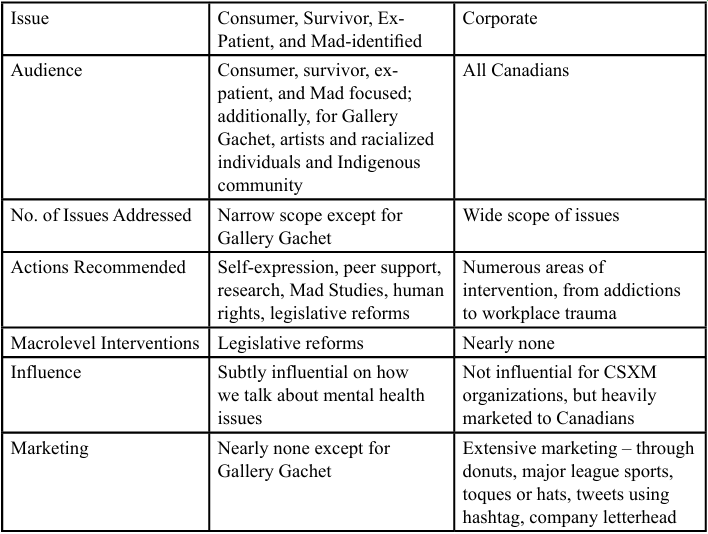
Table 1. Characteristics of CSXM Discourse Compared to Corporate Discourse
Audience and Representativeness
NNMH [12] stated they worked “to promote hope and wellbeing using an intersectional lens for Canadians living with disabilities and mental health issues.” MSC stated their focus was with “psychiatric survivors” but generally included all self-identified CSXMs including the Mad community [13]. Particularly, MSC’s language conveyed a rather limited interest or openness in speaking to non-CSXMs and non-Mad identified individuals. Gallery Gachet (n.d.) had a mandate to “support artists and offer art programs addressing mental health and socio-political marginalization while promoting art as a means for survival, cultural participation, and human rights.” It especially emphasized addressing the barriers and injustice faced by Black, Indigenous, Muslim, racialized, Queer, and Two Spirit communities.
The two corporate initiatives directed their discourse towards all Canadians. BLT claimed that “millions of Canadians” engaged in open discussions about mental health because of BLT [44]. WSMH put a special focus on workers and employers [15].
A Wide Scope
NNMH with its intersectional focus on disability, anti-racism, and human rights surveyed a wide field of engagement, but its material seemed to be overly brief or lacking follow-up. NNMH [37] was noteworthy for providing training on personal healing and recovery (“emotional CPR”), but this area also needed further information for the public. Gallery Gachet intervened on a very wide range of topics, illustrating the City of Vancouver as a “site of social fragmentation” (https://gachet.org/current-events-and-exhibitions/settle-down-not there). Another recent exhibition interrogated the “politics of the built environment” in relation to mental health, addictions, and the patriarchal colonial system which it felt serves as the root problem (https://gachet.org/).
Corporate initiatives tackled numerous urgent, timely issues, from anti-Black racism to psychological safety in the workplace to Indigenous knowledge. These issues seemed to be taken as self- evident and true for BLT and WSMH, important targets of intervention in liberal civil society. For example, in supporting the Black Lives Matter movement, BLT’s news release referred to alarming incidences of anti-Black and anti-Indigenous racism, concluding with the necessity of decisively addressing systemic racism [44]. It announced allocating funding for “culturally informed mental health services for racialized Canadians” (BLT). Also, these seemed examples of activist demands influencing corporate discourse.
Recommended Actions
CSXM discourses focused on peer support (including personal healing), research, and arts-based activism. Peer support involves self-help/mutual aid, wherein people with a shared social location impart their experiences, helping one another without hierarchical distinctions [28]. It included emotional CPR as a personal healing technique [37].
The CSXM organizations talked about Indigenous, women’s, and children’s rights, noting such rights must be upheld within both mental health law and treatment programs [40]. NNMH did not provide specific proposals for achieving its policy goals. Indeed, for Canada’s medical assistance in dying (euthanasia) law, NNMH’s [45] position against euthanasia was backed up by confusing and contradictory facts and timelines. MSC proposed far-reaching changes to mental health legislation, aiming at ultimately abolishing involuntary psychiatric treatment. However, their underlying rationale and evidence base seemed difficult to grasp because its frame is based exclusively within Mad and psychiatric survivor understandings. Their proposal’s centerpiece revolved around personal stories [40]. Gallery Gachet’s exhibitions usually did not provide specific recommendations for action, instead emphasizing self-expression and consciousness-raising.
In comparison, corporate initiatives contained wide-ranging actions, reflecting their very considerable resources and reach. However, it should be noted the WSMH offered a somewhat scattershot approach in organizing their educational materials. Looking more closely, WSMH’s varied information and resources seemed reflective of activist demands influencing corporate practices:
• A national standard for psychological health and safety in the workplace [46]
• Addictions, inclusivity and anti-discrimination, domestic violence, bereavement, peer support, emotional intelligence, chronic stress, Indigenous communities, psychologically safe leaders, harassment, suicide, union-management cooperation, workplace trauma
Despite eclecticism, the corporate initiatives remained focused on individual or mezzo-level information, with very few macrolevel recommendations (in fairness, NNMH’s policy recommendations were also in fact unstated on its website). They focused on individual coping and improving interpersonal relations in office/company-level reforms. For example, for domestic violence, WSMH recommended that employers “identify warning signs, establish a support network, and develop a safety plan” [39]. In WSMH’s “engaging the Indigenous community” video series, while illuminating and informative in some ways, the videos seemed to double-down on positive, practical ways for employers to hire Indigenous individuals. They also seemed to be trying very hard to avoid using the words racism or colonialism (https://www.youtube.com/@workplacestrategiesforment956/ featured).
The above activities are highly important for individual wellbeing, given BLT and WSMH’s large corporate platform. However, one senses missed opportunities whenever the bigger picture of mental health is overlooked [1,18,47].
Who’s Influencing Whom?
CSXM discourse seemed influential. Mental health stigma is often identified as a problem by CSXM leaders [7], and BLT’s campaign fought stigma2. WSMH’s discourse highlighted that MHPs are not synonymous with individual weakness but are complex psychosocial, contextual phenomena [39]. Historically, workplace MHPs were commonly disdained as individual weaknesses or character defects (malingering, cheating) [20,48]. However, CSXM discourse almost always narrates MHPs as having multifactorial etiology (in family life, institutional practices, and cultural norms), never as purely individual events [49]. In that sense, both corporate initiatives have adopted these CSXM definitions.
From the data, corporate discourses did not seem influential for CSXM organizations. Instead, the latter focused on peer support, knowledge mobilization, self-expression, and building thriving communities. They did not demonstrate interest in commercial ventures or product placements. The “consumer” terminology came from the American disability movement, wherein a person with disabilities would choose their preferred services within a marketplace of resources and services [28]. One could plausibly argue that the term “psychiatric consumer” is derived from neoliberal thought. This movement was founded on the seemingly great potential of the markets and capitalist infrastructure in securing social inclusion and human rights for disabled people, leveraging the force of consumer mobilizations (e.g., fighting for accessibility in malls, restaurants, and banks) [9]. However, consumerization in the sampled CSXM discourse excluded commercialization. NNMH (in a previous iteration of their website no longer online) and MSC both stated that services must be publicly funded. Gallery Gachet’s material critically questioned the cognitive habits of capitalism, and its art did not seem to be very lucrative or commercialized3.
Branding Mental Health Discourse Nationally
NNMH’s outreach seemed very limited, and MSC’s presence was even smaller. However, Gallery Gachet had a significant website and social media presence, as an influential Western Canadian cultural hub for the arts and CSXM community.
In contrast, BLT cross-promoted with popular Canadian food franchises, professional sports (Toronto Blue Jays, major league teams), university sports teams and student unions, and winter apparel (e.g., Bell Let’s Talk logo hats), using its hashtag. BLT content strived to appeal to as many Canadians as possible, using familiar tropes such as donuts, hockey, baseball, and winter hats [14,31]. Its message seemed that through buying foods and sports tickets, and of course Bell’s telecom products, Canadians can simultaneously support Canadian business and mental health: “Nothing goes better with coffee than Timbits” [14]. For BLT, marketing and branding linked to one’s personal life seemed self-evident as something a person would do to participate in society.
In announcing its new name, WSMH’s press release used the word “brand” six times making it clear it was Canada Life’s generosity which made this work possible. It claimed: “we help Canadians achieve their potential, every day. Our customers across Canada have trusted us to provide for their financial security needs and deliver on the promises we have made”.
Discussion
The two corporate initiatives envisioned an expansive discourse, for all Canadians, whereas NNMH, MSC, and Gallery Gachet addressed a smaller set of communities. Yet despite their pan- Canadian audience, corporate initiatives focused on individual stories and organizational concerns, with the individual being the focus of analysis. They consistently expressed mainstream liberal discourses emphasizing being sensitive or kind towards individual mental health differences and cultural and ethnic differences. Programs increasing opportunities for disadvantaged groups were also highlighted. Nevertheless, corporate initiatives focused on what Canadians can do for their individual self-betterment.
The three nonprofits represented some radical mental health discourses from the perspectives of Indigenous individuals, the disabled and racialized, and the poor. They addressed inequality and pervasive injustices [50]. They sometimes referred to complex and important ideas. However, many arguments were left undeveloped, lacking adequate explanations. The three nonprofits emphasized creating caring communities. Some of it lacked focus. Weaknesses also included brevity, too little content, perhaps excessive theoretical complexity (for Gallery Gachet), and lacking further engagement with audiences beyond committed activists. Refer to Figure 1. For the latter reasons, the nonprofit discourse may indeed be inadvertently maintaining the status quo (disciplinary discourse).
The two corporate initiatives reached big audiences. Although they did not seem to say anything new, they at least encouraged public discourse about mental health. Although reaching large audiences by itself is neither transformative nor liberating people from oppression, BLT can be considered mass culture or pop culture compared to small, isolated doses of CSXM discourse. Corporate discourses may encourage people to talk more openly about psychological problems [7]. One would be justified to say the effect of this talk on cultural norms may be underestimated.
Corporate discourse had seemingly little influence on the three nonprofits. CSXM discourse, on the other hand, read as individual recovery became normalized within corporate discourse. For instance, BLT and WSMH did not see CSXM individuals as economic liabilities, as would be within a purely economic view. Instead, they supported individual notions of psychological recovery [46,49].
Policy recommendations offered within each discourse adhered to the established pattern. CSXM discourse offered a few good ideas. For example, MSC emphasized new ideas and subversion of the dominant culture, using the tools of Mad pride and Mad studies. MSC alone proposed law reforms, but their analysis may be overly obtuse [40].
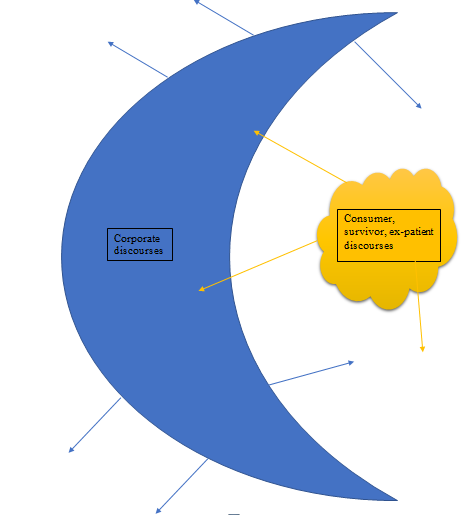
Figure 1: Diffusion and Influence of Discourses
In contrast, corporate discourses engaged in a flurry of activities. However, it was disappointing they failed to identify the incongruity of intervening solely at the individual and interpersonal levels. They ignored their own corporate policies as key drivers in shaping views on mental health (through advertisements) and their outsized influence on government agendas [43,47]. Perhaps the Jewish practice of tzedakah, anonymous giving to unknown recipients via a public fund, may serve as an idea [27]. However, it would require giving based on cultural obligation, almost like a tax, rather than self- promotion through name recognition and branding [53].
Workplace Mental Health
Take the case of Workplace Strategies for Mental Health. Their approach was mainly technical – that MHPs can be curtailed if we would only understand the precise mechanism of psychological injury. While a technical approach is useful in pinpointing the immediate events responsible for injuries, it misses a core issue. Socioeconomic inequality and organizational hierarchy lead many injuries or mental health problems to go unreported [48]. Foster & Barnetson argued that workplace safety protocols (e.g., the right to be treated with civility and respect, mitigating physical risks, having manageable workloads) must assess not only the mechanism of injury. It also should assess how the workplace power structure heavily influences what is acceptable to be reported as risks. On the question of psychological safety, which is highly subjective, whether one is heard or not within a workplace may depend very much on one’s own social rank [54]. Employers and employees also have conflicting material interests, in which social power and financial gain figure strongly. WSMH did not address why some workplace hazards are remediated while others are ignored. Thus, it can be seen as a mainly disciplinary discourse. Many employees simply would not feel safe, it is reasonable to say, identifying psychological injuries without systemic supports independent of their employer.
Nationally Branding the CSXM Identity
Corporate initiatives may also be seen as national brands. Brands are resources for organizing and calibrating our (citizen/consumer) attention inside a cultural field [55]. Communications scholar Banet-Weiser [9] called brands ubiquitous virtual goods, intangible but existing everywhere. Branding is essential to how corporations compete for cultural capital (visibility and image while competing for the customer’s attention) and market share (cultural capital translates into customers purchasing goods and telling friends). WSMH clearly printed its insurance company logo on all its content. Its prosocial agenda cultivated ethical merits and also cultural capital for an often ethically fraught insurance business [56].
For these two corporations, constructing their mental health brands may be mainly about self-promotion. Branding can strategically shield corporations from “legitimate criticism about the industries on which they have built their wealth” [33]. For Bell, BLT may be seen as a strategy to offset damaging stories about Bell’s difficult, stressful workplace culture4.
BLT branded further, blurring the demarcation between marketer, customer, activist, and citizen. While advertising rather cliched Canadian products like donuts, coffee, hockey games, or sports caps [14], individuals are invited to tweet and Facebook about “mental health” using its hashtag. They may perceive themselves as individuals and BLT as a social media entity as altruistic and kind [34]. BLT might be said to function as a platform for Canadians to moonlight as unpaid content producers, marketers, and brand developers for Bell. It also enabled individuals to publicly express mental health concerns, creating opportunities for them to be seen as talking good and doing good. They were promoting the brand, Canada as a nation, and good mental health [31]. In branding Canadian- ness, using images and stories about donuts, hockey games, or Bell, individuals weave a mental health story while situating themselves as central characters within the brand narrative [9].
This message may be perceived as being personal. Banet-Weiser [9] suggested that corporate social media becomes friend-like, sometimes involving jingles, logos, and “love marks” [52]5. One may interpret these activities as the recovery of a commercialized consumer status for the CSXM community. Individuals suffering from MHPs may now be re-socialized as entrepreneurs of product placement. Their Canadian CSXM-identity (or being family to a CSXM individual) becomes a promotable commodity (Banet-Weiser). Individuals are using their CSXM-ness, atypical minds recruited into celebrating Canada, the good nation [31]. Some may critique these activities as inadequate substitutes for close-knit, caring communities (the idealized CSXM organization) [19,20].
The MSC maintained a strong boundary between CSXM networks and the rest of society. Although safe spaces for historically oppressed groups are necessary, being overly defensive can backfire [5,20]. NNMH spoke first and foremost to the CSXM community but also conversed with psychiatry, health professionals, and community groups. MSC addressed the Mad and psychiatric survivor community only, with language reflecting insularity. The latter can be reasonably interpreted as having limited appeal to all but a narrow band of Canadians. Gallery Gachet was arguably of interest to many and not just to the CSXM or artist community, but it required some upfront academic or political investment due to its theory-heavy language. A sequestered CSXM discourse may leave the mental health field wide-open to corporate public relations and the recruitment of unpaid influencers via BLT. Also, an unsavvy, highly idiosyncratic CSXM discourse may be unappealing for Canadians and would not help the social movement gain traction. In discourse language, it becomes disciplinary because it reinforces the social movement’s isolation.
A purely anti-branding stance may not be helpful either. Discourses seem to operate as ideological compromises or hybrids. Corporations have profit as their goal, but individuals can still challenge, even exceed what corporations may want from them, whilst participating in brands [9]. Banet-Weiser called this an “excess of meaning that creates brand culture as ambivalent” (p. 27), leading to possibilities for activists to undermine disciplinary tendencies while not rejecting brands outright6.
International Perspectives on Corporate Philanthropy
Compared to American corporate philanthropy, BLT and WSMH are much smaller. These Canadian corporate initiatives are influential for the most part only inside Canada. Concern is raised for a handful of powerful American philanthropic capitalists who are capable of dictating global health policies and research due to their enormous economic clout [58]. In Hong Kong, the Li Ka Shing Foundation – named after the eponymous business titan – has complicated entanglements with Hong Kong politics and the starkly authoritarian Beijing rulers [59]7. Corporate philanthropy may be heavily enmeshed within ruling class political maneuvering globally (e.g., https://en.wikipedia.org/wiki/Gates_Foundation). Its practices also seem to influence nonprofit governance through changing the institutional environment through they operate in [60] – even if in this study, the three mental health nonprofits remained quite resistant, perhaps due to their idiosyncrasy and small size.
“Thank You Bell”: A Counterargument
This heading was taken from a congratulatory Facebook post. Some assert corporate mental health initiatives give a financial lifeline to vitally needed programs, without having to rely on taxpayer dollars. Without them, this argument goes, people would not have the extra support [34]. There is little doubt that corporate funding provides upfront benefits. BLT and WSMH may help many worthwhile causes and community programs. However, such corporations, while being strengthened by philanthropic image-making, also may have caused significant injury to Canadians. For example, Canada Life, as part of Power Corporation, has been financing fossil fuel extraction, which has been adding to Canadians’ already considerable climate anxiety while putting many species and natural habitats at risk [61]8.
Limitations
This analysis contained several limitations. Only five organizations were studied (not a representative sample). The CSXM organizations were small. Also, the data came solely from publicly available media.
Conclusion and Recommendations
The corporate discourses here focused on individual self betterment, while CSXM discourses envisioned broader horizons for equity and justice. The nonprofit organizations were geared to small audiences – brief, less polished (except for Gallery Gachet), sometimes boldly ambitious. Corporate initiatives were nationwide – indeed, nationalistic in tone – with discourse expansive, carefully stated, highly polished. However, they mainly avoided employing a critical lens. The upshot of these two discourses is much talk about self-help and individual recovery, but little concrete progress on achieving equity and justice.
Unlike Banet-Weiser’s [9] thesis on the ambivalence of brands, this paper opted instead to focus on discourse’s material sequalae (e.g., the difference between rhetoric and how Bell actually treats their employees). In 2021, donating 7.96 million CAD from its 22.88-billion annual revenue – 0.03% of its revenue – Bell got hundreds of thousands of social media interactions and positive brand mentions [38,41]. In 2025, Bell donated to BLT 1.6 million CAD from its 375 million dollars 2024 profit – 0.43% of its profit [62]. In contrast, the Abrahamic, South Asian, and East Asian spiritual traditions of giving tend to strongly discourage the use of giving as a profit-making long game [27]. Giving without seeking anything in return remains their key principle.
One concern remains the CSXM organizations’ limited impact.
This paper has four recommendations for a discourse that is less narrowly individualistic and more prosocial and justice-oriented. First, one would like CSXM organizations to broaden their audience. CSXM activists’ small numbers and reach, although having changed common assumptions on mental health (being less judgmental, more open), have been dwarfed by the ubiquitous corporate discourses. CSXM discourse, making full use of social media, should aim for greater inclusivity, showing how their activist ideas are useful and relevant to a bigger audience. That is, activists should clearly state the case why their work is important in a way that lands for prospective readers.
Second, both CSXM and corporate discourses should have clear policy recommendations. What do they specifically hope to achieve in policy and law? What is their plan for moving from mere ideas to policy setting to implementation? For example, CSXM activists can write a proposal on their website and social media for the need of evidence-based alternatives such as Soteria houses9 in addition to inpatient psychiatric treatment, citing examples and international human rights law [65]. They can lobby civil society and government based on human rights principles and better long-term outcomes for patients.
Third, CSXM discourse should critique corporate discourses for the latter’s failure to address mental health’s social determinants (e.g., affordable housing). Following journalist M. Bell’s [1] suggestion, concerned individuals should use corporate social media platforms to create “an excess of meaning” – for the major corporations, stating clearly how corporate spaces and policies should be pursuant to psychological and economic sustainability [4]10.
Fourth, this paper agrees with Banet-Weiser that ambivalence and compromise are intrinsic to discourse. Neither CSXM nor corporate discourse is fully representative of peoples’ aspirations. There is room for debate. One would like activists to question and debate the corporate-CSXM relationship including: Under what principles, values, and parameters should CSXM organizations and big corporations work together? When must CSXM organizations refuse corporate overtures? How do CSXM groups challenge the corporate discursive advantage in controlling the mental health discourse? Is Canadian nationalism a blessing for CSXM aspirations? In closing, Banet-Weiser [9] suggested brand culture is often embraced as places of aspiration and recognition, a soothing normativity within capitalist worlds. This feeling does not necessarily ring true for many CSXM individuals, who often found themselves profoundly alienated in hyper-imaged, commercial spaces [7,19,20].
Conflicts of Interest:
The author reports there are no competing interests to declare.
References
Bell, M. (2020, January 27). Talk is cheap: On capitalism, mental health, and taxing the rich. The Tyee. View
Ho, K. (2016, January 31). Let’s talk about how my job at Bell gave me mental health issues and no benefits. Canadaland. View
Hopper, T. (2017, September 18). Why Canadian cell phone bills are among the most expensive on the planet. National Post. View
Johnson, E. (2017, November 25). Bell’s “Let’s Talk” campaign rings hollow for employees suffering panic attacks, vomiting, and anxiety. CBC News. View
Morrison, L. (2005). Talking back to psychiatry. Routledge. View
Centre for Addiction and Mental Health. (2021). Mental illness and addiction: Facts and statistics. View
Chan, W. (2019). Leadership in the consumer and survivor movement in Western Canada: A constructivist grounded theory study [Unpublished doctoral dissertation]. University of Manitoba. View
Smith, S. (2019). Origins of the c/s/x movement. MindFreedom International. View
Banet-Weiser, S. (2012). Authentic™: The politics of ambivalence in a brand culture. New York University Press. View
Bohman, J., & Rehg, W. (2017). Jürgen Habermas. In E. Zalta (Ed.), The Stanford Encyclopedia of Philosophy. View
Nickel, P. M., & Eikenberry, A. (2009). A critique of the discourse of marketized philanthropy. American Behavioral Scientist, 52 (7), 974-989. View
National Network for Mental Health. (2026). About us. View
Mad Society of Canada (n.d.). The Mad society of Canada. View
Bell Let’s Talk [@Tim Hortons]. (2019, January 30). Nothing goes better with coffee than Timbits. And nothing helps #BellLetsTalk more than joining the conversation! [Tweet]. View
Workplace Strategies for Mental Health. (2020a). About workplace strategies. View
Taylor, S. (2013). What is discourse analysis? Bloomsbury. View
Fairclough, N. (2003). Analyzing discourse: Textual analysis for social research. Routledge. View
Beattie, P. (2019). The road to psychopathology: Neoliberalism and the human mind. Journal of Social Issues, 75 (1), 89-112. View
LeFrancois, B., Menzies, R., & Reaume, G. (Eds.). (2013). Mad matters: A critical reader in Canadian mad studies. Canadian Scholars’ Press. View
Carten, R. (2006). The AIMS test, mad pride, & other essays. Vancouver, BC: Keewatin Books. View
Hladikova, B. (2015, December 3). The displacement and erasure of disabled voices in the downtown eastside. The Mainlander. View
Nelson, G., Lord, J., & Ochocka, J. (2001). Shifting the paradigm in community mental health: Towards empowerment and community. University of Toronto Press. View
Slade, M., Oades, L., & Jarden, A. (Eds.). (2017). Wellbeing, recovery, and mental health. Cambridge University Press. View
Deegan, P. (1987/1996). Recovery and the conspiracy of hope. View
Mental Health Recovery Study Working Group. (2009). Mental health “recovery”: Users and refusers. Toronto, ON: Wellesley Institute. View
Braslow, J. T. (2013). The manufacture of recovery. Annual Review of Clinical Psychology, 9, 781-809. View
Lechterman, T. M., Saunders-Hastings, E., & Reich, R. (2024). Philanthropy. In E. N. Zalta & U. Nodelman (Eds.), The Stanford encyclopedia of philosophy. View
Lord, J. (2010). Impact: Changing the way we view disability. The history, perspective, and vision of the Independent Living movement in Canada. Canadian Association of Independent Living Centers. View
Jain, M. (2012). Philanthro-capitalism: Remodeling the philanthropic paradigm. Decision, 39 (2), 45-61. View
Eikenberry, A., & Mirabella, R. (2018). Extreme philanthropy: Philanthrocapitalism, effective altruism, and the discourse of neoliberalism. PS: Political Science & Politics, 51(1), 43–47. View
Saifer, A. (2020). Philanthropic nation branding, ideology, and accumulation: Insights from the Canadian context. Journal of Business Ethics, 173 (2). View
Bakan, J. (2020). The new corporation: How “good” corporations are bad for democracy. Penguin Random House. View
Clark, J., & McGoey, L. (2016). The black box warning on philanthrocapitalism. The Lancet, 388, 2457-2459. View
Vido, J. (2019). A critical investigation of Bell Let’s Talk [Unpublished Major Research Paper]. University of Windsor. View
Linton, M. (2018, February 1). Mental health is not wealth: The cost of the corporatization of the mental health movement. Uniter, 72 (16). View
Schneider, F. (2013). How to do a discourse analysis. Politics East Asia. View
National Network for Mental Health. (2026a). Emotional CPR. View
Bell Let’s Talk. (2021). Thanks a billion Canada! View
Workplace Strategies for Mental Health. (2020b). Addressing domestic violence. View
Mad Canada Shadow Report Group (2017). Mad Canada shadow report. View
Bell. (2021). Bell reports 2020 Q4 and full-year results. View
Power Corporation of Canada. (2025, September 30). Third quarter report 2025. View
Hudson, M., & Friesen, K. (2019). Finance, fossil fuels, and climate change: Networks of power in Canada. The Transnational Institute. View
Bell. (2020). Bell Let’s Talk launches new fund to support mental health and well-being of Canada’s Black, Indigenous, and People of Color communities. View
National Network for Mental Health. (2026b). MAiD. View
Baynton, M., & Fournier, L. (2017). The evolution of workplace mental health in Canada: Toward a standard for psychological health and safety. The Great-West Life Assurance Company. View
Raphael, D. (2016). Social determinants of health: Key issues and themes. In D. Raphael (Ed.), Social determinants of health: Canadian perspectives (3 ed., pp. 3-31). Canadian Scholars’ Press. View
Foster, J., & Barnetson, B. (2016). Health and safety in Canadian workplaces. Athabasca University Press. View
Trainor, J., Pomeroy, E., & Pape, B. (Eds.) (1999). Building a framework for support: A community development approach to mental health policy. Canadian Mental Health Association. View
Withers, A. (2012). Disability politics and theory. Fernwood. View
Voronka, J. (2015). Troubling inclusion: The politics of peer work and “people with lived experience” in mental health interventions (Unpublished PhD dissertation). University of Toronto. View
Banet-Weiser, S. (2017). Brand. In J. Gray & L. Ouellette (Eds.), Keywords for media studies (pp. 24-27). New York University Press. View
Shadmi, E. (2020). The Jewish Tzedakah (gifting) community. Canadian Woman Studies les cahiers de la femme, 34. View
Brown, S., Brooks, R., & Dong, X. (2021). Injury inequalities among U.S. construction workers. Journal of Occupational and Environmental Hygiene, 18 (4-5), 159-168. View
Brodmerkel, S., & Carah, N. (2016). Brand machines, sensory media, and calculative culture. Palgrave Macmillan. View
Field, R. (2015). The ethics of expanding health coverage through the private market. American Medical Association Journal of Ethics, 17 (7), 665-671. View
Morvaridi, B. (2012). Capitalist philanthropy and hegemonic partnerships. Third World Quarterly, 33 (7), 1191-1210. View
Haydon, S., Jung, T., & Russell, S. (2021). ‘You've Been Framed’: A critical review of academic discourse on philanthrocapitalism. International Journal of Management Review, 23, 353–375. View
Sison, A. (2010). Corporate governance and ethics: An Aristotelian perspective. Edward Elgar. View
Hasenfeld, Y. (2010). Human services as complex organizations (2nd ed.). Thousand Oaks, CA: Sage. View
Corporate Mapping Project. (n.d.). Power corporation of Canada. View
Bell. (2025). 2024 Integrated annual report. View
Coletto, D., & Sheppard, E. (2026). Climate concern remains high, but affordability still dominates Canadians’ priorities. View
University of Winnipeg. (2017). Indigenization in the time of pipelines. View
Stupak, R., & Dobroczyński, B. (2019). The Soteria project: A forerunner of "a third way" in psychiatry? Psychiatria Polska, 53 (6), 1351–1364. View