
- About the Journal
- Editorial Board
- Review Process
- Author Guidelines
- Article Processing Charges
- Special Issues
- Current Issue
- Past Issue
 Journal of Rehabilitation Practices and Research
Journal of Rehabilitation Practices and Research Volume 7 (2026), Article ID: JRPR-202
https://doi.org/10.33790/jrpr1100202Research Article
The Potential Benefit of Blue Light Exposure on Measures of Lower-Body Strength and Power
Brett Crossland1*, Noah Reinertz2, Rhett Rigby3, and Hunter Alvis4
1Assistant Professor, Midwestern State University, 3410 Taft Blvd., Wichita Falls TX, 76308,United States.
2Midwestern State University, 3410 Taft Blvd., Wichita Falls TX, 76308, United States.
3Associate Professor, Texas Woman’s University, 304 Administration Dr. Denton, TX 76204, United States.
4Graduate Researcher and Teaching Assistant, Texas Woman’s University, 304 Administration Dr. Denton, TX 76204, United States.
Corresponding Author Details: Brett Crossland, Assistant Professor, Midwestern State University, 3410 Taft Blvd., Wichita Falls TX, 76308,United States.
Received date: 13th February, 2026
Accepted date: 16th April, 2026
Published date: 18th April, 2026
Citation: Crossland, B., Reinertz, N., Rigby, R., & Alvis, H., (2026). The Potential Benefit of Blue Light Exposure on Measures of Lower-Body Strength and Power. J Rehab Pract Res, 7(1):202.
Copyright: ©2026, This is an open-access article distributed under the terms of the Creative Commons Attribution License 4.0, which permits unrestricted use, distribution, and reproduction in any medium, provided the original author and source are credited.
Abstract
Blue light exposure has received negative attention due to its ability to interrupt the sleep-wake cycle through reducing melatonin production and increasing alertness. However, when individuals are exposed to blue light in the morning a number of positive benefits have been observed.
Purpose: The purpose of this study was to determine if blue light exposure in the early morning was capable of increasing measures of lower-body performance.
Methods: Nineteen college aged male and female participants completed 2 trials with a minimum of 72 hrs between each trial. For each trial, participants arrived to the laboratory between 0600 and 0900 within 30 min of waking and completed a 30 min warmup period consisting of 15 min of passive rest and 15 min of cycling while receiving blue light exposure or florescent light exposure. Blue light exposure was in the form of glasses that emit 100 lux at approximately 468 nm wavelength of blue light. Researchers then measured dynamic knee extensor torque (10 repetitions of isokinetic knee extension and flexion at 180 and 300° / sec) and peak isometric knee extensor strength with an isokinetic dynamometer (Biodex Medical Systems Inc. Shirley, NY). Countermovement vertical jump (Jump USA Vertec, Sunnyvale CA) was also measured. Due to the small sample size a Mann–Whitney U test was conducted to analyze measured variables.
Results: Blue light exposure resulted in non-significant (p > 0.05) increases in performance for each measured variable (peak torque 180°/sec - 100.8 ± 8.3 vs. 94.4 ± 8.6 N*m; peak torque 300°/sec - 82.2 ± 6.7 vs 76.2 ± 7.4 N*m; vertical jump 50.8 ± 2.4 vs. 48.1 ± 2.4 cm).
Conclusion: Blue light exposure showed no significant advantage on lower-body strength and power measures. Further research that includes a more homogenous group of participants should be performed to gain a more accurate understanding of any potential benefits.
Keywords: Blue Light, Lower-body Power, Performance, Pre workout, Vertical Jump, Warm-up
Introduction
Natural sunlight is the most prominent source of blue light humans are exposed to on a daily basis [1]. Optimal exposure to blue light is vital in maintaining normal circadian rhythm [2]. Blue light exposure, primarily from screens, has recently gained attention as a stimulus that negatively disrupts sleep patterns at night. Indeed, blue light exposure at bedtime can elicit delays in sleep onset and thus minimize sleep cycle (e.g., slow wave sleep) frequency, decrease melatonin production, and increase chronic disease morbidity [2,3]. Conversely, when properly utilized, blue light exposure may positively impact health and performance. Specifically, exposure to blue light may allow for faster wound healing [4], effective treatment of acne [5], and promote an anti-inflammatory response [6]. It therefore appears that blue light exposure can lead to both positive and negative effects on health, and should therefore be managed accordingly.
In high performance environments, a thorough understanding of both the negative and potential positive effects of blue light exposure is necessary. While the negative effects of blue light exposure have been previously documented in the context of circadian rhythm desynchronization, the potential benefits of blue light are not as well characterized. However, to date, there is some evidence that blue light exposure can elicit increases in physical performance [7,8]. Specifically, increases in alertness, arousal, cognitive performance, and decreases in reaction time have been observed following blue light exposure [7]. Researchers hypothesize blue light exposure may influence neuromuscular mechanisms by activating photosensitive retinal ganglion cells that project to brain centers, suppressing melatonin and increasing excitability and motor output [9]. The purpose of this investigation is to therefore determine the potential impact that blue light exposure may have on measures of lower-body strength and power in recreationally trained college-aged individuals.
Materials and Methods
A repeated measures crossover design was implemented to determine if blue light exposure could lead to increased performance in measures of lower-body strength and power in college-aged participants. Participants were intermediately trained, completing a minimum of 90 min of structured exercise per week. Following recruitment and signing of university-approved informed consent, participants completed two randomized trials. In one trial, participants were exposed to 30 min of blue light. In the other trial, participants were exposed to dim florescent light for 30 min. Before each trial, participants were instructed to refrain from visually engaging their smartphones, and to not consume caffeine, nicotine, or any other stimulants after waking and prior to each trial. In the trials in which participants were exposed to blue light, custom-made glasses, developed at Texas Woman’s University, were worn by participants that included light-emitting diodes (LEDs) that were strategically placed on the frame of the glasses, superior and lateral to each eye. In a pilot study, blue light exposure using these glasses increased beta wave activity in the frontal lobe and decreased reaction time for up to 60 min after use in college-aged participants [10]. In addition, these glasses have been worn by participants for up to 30 min with no reported adverse reactions [10]. All data collection procedures were approved by the Midwestern State University Institutional Review Board prior to data collection.
Participants reported to the laboratory between the hours of 0600 and 0900 (i.e., within 30 min of waking) for each trial. A minimum of 72 hr separated the trials. For each trial, participants sat passively for 15 min while either receiving the treatment (i.e., blue light exposure) or control (i.e., fluorescent light exposure). Following this, participants immediately performed a 15 min warm-up on an electronically braked cycle ergometer (Ergomedic 828E; Monark Exercise AB, Vansbro, Sweden) at a self-selected cadence and workload. Participants in the blue light trial continued to wear the blue light glasses throughout the entirety of the warm-up. Following the warm-up, participants completed three measures of strength on an isokinetic dynamometer (Biodex Medical Systems Inc., Shirley, NY) with their dominant leg. The isokinetic dynamometer was chosen to allow for maximal force to be applied at a constant angular velocity. First, participants completed ten repetitions with 60 sec of rest between each of isokinetic knee (ISK) extension and flexion performed at 180° and 300°/sec. Then, after a 2 min rest period, participants completed three sets of 5 sec isometric knee (ISM) extension with the knee at 90° of flexion with 60 sec of rest between repetitions. Peak torque (N*m) was obtained for each measure and utilized for data analysis. Following completion of the isokinetic and isometric testing, participants completed three maximal effort countermovement vertical jumps (Jump USA Vertec, Sunnyvale CA) with 1 min of rest between repetitions. The highest vertical jump (cm) was recorded for statistical analysis. Due to the small sample size, a Mann-Whitney U Test was utilized to determine differences between the trials with statistical significance set a priori at p < 0.05. Treatment timeline for data collection can be seen in Figure 1.
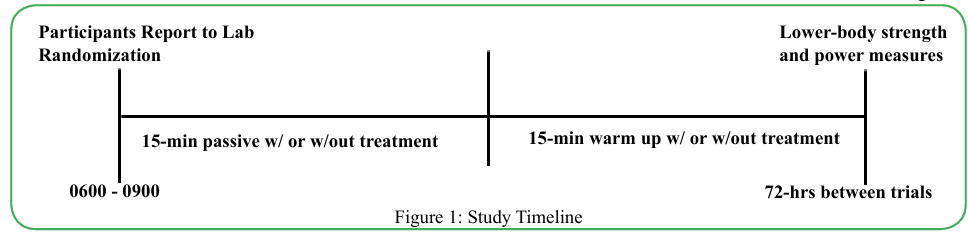
Figure 1: Study Timeline
Results
Nineteen participants including nine males (age = 20.3 ± 0.8 yrs, height = 174 ± 2.2 cm, weight = 71.6 ± 5.7 kg) and ten females (age = 21.4 ± 0.5 yrs, height = 166.2 ± 2.3 cm, weight = 69.5 ± 5.6 kg) completed both trials with a minimum of 72 hrs between each trial. Participant demographics are provided in Table 1. No adverse reactions to the 30 min blue light exposure were reported.

Table 1: Participant Demographics
No significant differences in peak torque during ISK and ISM movements and CMJ height were observed (p > 0.05). Trends toward improvements in the lower-body strength and power measures were recorded when exposed to blue light. P-values along with effect size for each comparison can be seen in Table 2. Peak torque (N*m) for ISK and ISM measures and CMJ height (cm) for each trial can be found in Figure 2.
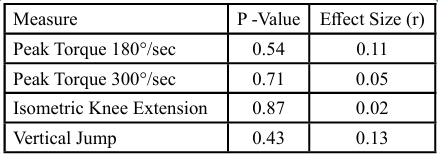
Table 2: Results of the Mann-Whitney U Test
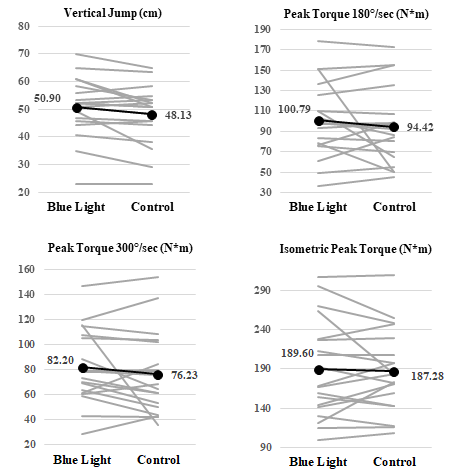
Figure 2: Lower-body Strength & Power Measures
Discussion
The purpose of this research project was to determine the potential benefit of blue light exposure on measures of lower-body strength and power. It is well documented that blue light exposure can improve alertness and cognitive function. However, previous researchers have also hypothesized that blue light exposure may improve physical performance [11] Specifically, similar cognitive outcomes have been observed with caffeine ingestion and blue light exposure [7,11,12]. This is significant as the performance enhancing capabilities of caffeine ingestion can positively increase jump height, sprint velocity, and total running distance [13]. Therefore, there is a need to examine the effects of blue light exposure on similar performance measures12.
With regard to physical performance, mixed results exist when blue light exposure has been utilized to determine its efficacy in improving cycling performance using a bicycle ergometer [8]. While increases in cycling performance [14,15] have been documented following exposure to blue light, no significant benefit in cycling performance has been documented in other studies [16,17]. These mixed results may be due the varying lengths (30 to 120 min) of exposure implemented, differing light intensities and wavelengths, and the time of day of blue light exposure between research reports. The custom-fabricated glasses used in this study have a controlled set of blue light exposure characteristics. These parameters, in combination with the personalized delivery of the blue light, may improve alertness and reaction time for up to 60 min following exposure, though this was not measured in the current study9. Early morning exposure was also utilized in this study because exercise in the morning hours is common among individuals, more specifically college-aged athletes.
Given this study was the first to investigate the effects of blue light on strength and power, there are potential limitations that must be addressed. This investigation utilized male and female participants. Gender differences in strength and power led to large variance in measured variables. Participants who exercised for a minimum of 90 min per week were included in the study leading to a large range of physiological abilities being included. Among the participants were both male and female college-aged athletes, who would be considered very well-trained, and participants who only performed the minimum amount of weekly exercise to meet the inclusion criteria. In addition, college-aged participants were chosen out of convenience. Researchers were unable to control for factors such as: stress, sleep quality, or nutrition. Despite these potential limitations it appears blue light exposure may provide some improvements in performance; thus, further research is warranted.
The goal of the current research project was to characterize any potential benefit of blue light exposure with regards to lower-body strength and power measures. While no significant differences were found, with a larger sample size, lower-body strength and power may respond favorably to exposure to blue light. Further research that includes a more homogenous group of participants (e.g., well-trained adults, elite athletes) should be performed to gain a more accurate understanding of the potential benefits of blue light exposure prior to exercise. Additionally, research focused on individuals exercising or competing at high intensities in the early morning hours or on little sleep may prove beneficial.
Competing interests:
All authors have no competing interests when completing this article.
References
Cougnard-Gregoire, A., Merle, B. M. J., Aslam, T., Seddon, J. M., Aknin, I., Klaver, C. C. W., et al. (2023). Blue light exposure: Ocular hazards and prevention A narrative review. Ophthalmology and Therapy, 12, 755–788. View
Wahl, S., Engelhardt, M., Schaupp, P., Lappe, C., & Ivanov, I. V. (2019). The inner clock Blue light sets the human rhythm. Journal of Biophotonics, 12, e201900102. View
Wong, N. A., & Bahmani, H. (2022). A review of the current state of research on artificial blue light safety as it applies to digital devices. Heliyon, 8, e10282. View
Adamskaya, N., Dungel, P., Mittermayr, R., Hartinger, J., Feichtinger, G., et al. (2011). Light therapy by blue LED improves wound healing in an excision model in rats. Injury, 42(9), 917–921. View
Gold, M. H., Sensing, W., & Biron, J. A. (2011). Clinical efficacy of home-use blue-light therapy for mild-to-moderate acne. Journal of Cosmetic and Laser Therapy, 13(6), 308–314. View
Shnitkind, E., Yaping, E., Gee, S., Shalita, A. R., & Lee, W. L. (2006). Anti-inflammatory properties of narrow-band blue light. Journal of Drugs in Dermatology, 5(7), 605–610. View
Silvani, M. I., Werder, R., & Perret, C. (2022). The influence of blue light on sleep, performance, and wellbeing in young adults: A systematic review. Frontiers in Physiology, 13, 943108. View
Knaier, R., Schäfer, J., Rossmeissl, A., Klenk, C., Hanssen, H., et al. (2017). Prime time light exposures do not seem to improve maximal physical performance in male elite athletes, but enhance end-spurt performance. Frontiers in Physiology, 8, 264. View
Cajochen, C., Münch, M., Kobialka, S., Kräuchi, K., Steiner, R., Oelhafen, P., Orgül, S., & Wirz-Justice, A. (2005). High sensitivity of human melatonin, alertness, thermoregulation, and heart rate to short wavelength light. The Journal of clinical endocrinology and metabolism, 90(3), 1311–1316. View
Alvis, H. B., Rust, B., Wilkinson, N., Chapman, K., Foreman, A., et al. (2023). Light therapy device for entrainment of circadian rhythm desynchronization. Medicine & Science in Sports & Exercise, 2, 105. View
Beaven, C. M., & Ekström, J. (2013). A comparison of blue light and caffeine effects on cognitive function and alertness in humans. PLOS ONE, 8(10), e76707. View
Taillard, J., Capelli, A., Sagaspe, P., Anund, A., Åkerstedt, T., et al. (2012). In-car nocturnal blue light exposure improves motorway driving: A randomized controlled trial. PLOS ONE, 7, e46750. View
Salinero, J. J., Lara, B., & Del Coso, J. (2019). Effects of acute ingestion of caffeine on team sports performance: A systematic review and meta-analysis. Research in Sports Medicine, 27(2), 238–256. View
Kantermann, T., Forstner, S., Halle, M., Schlangen, L., Roenneberg, T., et al. (2012). The stimulating effect of bright light on physical performance depends on internal time. PLOS ONE, 7, e40655. View
Knaier, R., Meister, S., Aeschbacher, T., Gemperle, D., Rossmeissl, A., et al. (2016). Dose–response relationship between light exposure and cycling performance. Scandinavian Journal of Medicine & Science in Sports, 26(7), 794–801. View
O’Brien, P. M., & O’Connor, P. J. (2000). Effect of bright light on cycling performance. Medicine & Science in Sports & Exercise, 32(2), 439–447. View
Ohkuwa, T., Itoh, H., Yamamoto, T., Yanagi, H., & Yamazaki, Y. (2001). Effect of varying light intensity on maximal power production and selected metabolic variables. Archives of Physiology and Biochemistry, 109(5), 430–434. View