
- About the Journal
- Editorial Board
- Review Process
- Author Guidelines
- Article Processing Charges
- Special Issues
- Current Issue
- Past Issue
 Journal of Rehabilitation Practices and Research
Journal of Rehabilitation Practices and Research Volume 7 (2026), Article ID: JRPR-207
https://doi.org/10.33790/jrpr1100207Research Article
Effects of Moderate-Intensity Exercise and Timing of Memory Encoding on Memory Retention in Healthy Young Adults
Rob Sillevis*, Nicole Levi, and Meghan Sparacio
Department of Rehabilitation Sciences, Florida Gulf Coast University, 10501 FGCU Blvd, Fort Myers, FL 33965, United States.
Corresponding Author Details: Rob Sillevis, PT, DPT, PhD, OCS, FAAOMPT, MTC, Associate Professor, Department of Rehabilitation Sciences, Florida Gulf Coast University, 10501 FGCU Blvd, Fort Myers, FL 33965, United States.
Received date: 21st April, 2026
Accepted date: 29th May, 2026
Published date: 01st June, 2026
Citation: Sillevis, R., Levi, N., & Sparacio, M., (2026). Effects of Moderate-Intensity Exercise and Timing of Memory Encoding on Memory Retention in Healthy Young Adults. J Rehab Pract Res, 7(1):207.
Copyright: ©2026, This is an open-access article distributed under the terms of the Creative Commons Attribution License 4.0, which permits unrestricted use, distribution, and reproduction in any medium, provided the original author and source are credited.
Abstract
Background: Acute exercise has been shown to influence cognitive performance, particularly memory; however, the impact of exercise timing relative to memory encoding remains unclear. Most studies have examined single temporal conditions in isolation, limiting understanding of how exercise before, during, or after encoding differentially affects memory processes.
Objective: This study aimed to investigate the effects of moderate- intensity aerobic exercise and the timing of memory encoding on short-term and long-term memory retention in healthy young adults.
Methods: This pilot study employed a randomized controlled mixed factorial design with one between-subject factor (exercise timing condition) and one within-subject factor (memory assessment time point). Participants (N=46, (21.89 ± 2.83 years)) were assigned to one of four conditions: encoding before exercise, during exercise, after exercise, or a non-exercise control. The intervention consisted of a 25-minute moderate-intensity cycling protocol (60–70% HRmax). Memory performance was assessed using standardized word recall tasks at baseline, immediately post-encoding, and after a 24-hour delay. Non-parametric analyses (Kruskal–Wallis and Mann–Whitney U tests) were used to evaluate group differences.
Results: No significant differences were observed between groups for baseline or short-term memory performance (p > 0.05). However, significant differences were identified for long-term memory recall (H(3)=8.29, p=0.041). The control group demonstrated the highest long-term retention, while encoding during and after exercise resulted in significantly lower performance compared to control (p=0.043 and p=0.010, respectively). Encoding prior to exercise showed relatively preserved memory performance. Age and education level were significantly associated with memory outcomes, whereas gender was not.
Conclusion: The timing of exercise relative to memory encoding may influence long-term memory retention. Moderate-intensity exercise did not consistently enhance memory performance and may be associated with reduced retention when performed during or immediately after encoding. These findings suggest temporal specificity may play an important role in the exercise–cognition relationship.
Keywords: Acute exercise, Cognitive performance, Exercise timing, Long-term memory
Introduction
Over the past two decades, adolescents and young adults have exhibited a marked increase in sedentary behavior alongside a decline in physical activity. This trend constitutes a significant public health concern, as reduced physical activity is associated with adverse physical outcomes and impaired cognitive performance, including memory deficits [1]. Recent meta-analyses of more than 2,700 randomized controlled trials demonstrate that physical activity significantly improves memory and overall cognitive function across diverse populations, with particularly pronounced effects in younger individuals [2].
Memory can be defined as the set of neurocognitive processes through which the brain encodes, stores, and retrieves information derived from interactions with the environment [3]. These processes are foundational for learning, academic performance, and adaptive behavior. Memory formation involves three interrelated stages: encoding, consolidation (storage), and retrieval [4]. Encoding represents the initial acquisition and transformation of information into neural representations, a process influenced by attentional allocation, emotional salience, and prior knowledge [5]. Through encoding, memory traces, often referred to as engrams, are formed and subsequently stabilized through consolidation processes that strengthen synaptic connections within neural networks [6]. Retrieval allows for the access and utilization of stored information, completing the memory cycle.
Information may be held in short-term memory (STM) or stored permanently, such as in long-term memory (LTM) [3]. Long-term memory is commonly divided into declarative (explicit) and procedural (implicit) systems, with declarative memory encompassing semantic knowledge and episodic recall [6]. These systems rely heavily on the functional integrity of brain structures such as the hippocampus and prefrontal cortex, which are particularly sensitive to both environmental and physiological influences. Notably, the hippocampus plays a central role in encoding and consolidating LTM and is highly responsive to physiological stimuli, including physical activity [7]. Declarative memory allows for the intentional recall of information such as the meaning of words in language, numerical concepts, sounds of letters, and names of places [5,3,8].
Recent research has increasingly focused on the relationship between physical activity and cognitive function, particularly the effects of acute exercise on memory processes [1]. Substantial evidence suggests that even a single session of exercise can improve various aspects of memory, including episodic and working memory [7]. Both aerobic exercise (AE) and resistance exercise (RE) have been shown to elicit neurophysiological adaptations that support cognitive performance [9,10]. These adaptations include increased cerebral blood flow, enhanced synaptic plasticity, modulation of neuroelectric activity, and upregulation of neurotrophic factors such as brain-derived neurotrophic factor (BDNF), which is essential for memory consolidation [9]. Notably, moderate-intensity AE (64–76% of heart rate maximum) has been associated with improvements in memory and learning [4,11-13]
At the molecular level, acute exercise modulates neuroendocrine responses, including transient elevations in catecholamines such as epinephrine, which facilitate memory consolidation at moderate concentrations [14]. Additionally, exercise reduces oxidative stress and enhances hippocampal function in both human and animal models, further supporting the neuroprotective and cognitive- enhancing effects of physical activity [3].
Despite strong evidence supporting the cognitive benefits of exercise, an important and less understood factor is the timing of exercise relative to memory processes. Emerging research suggests that the temporal relationship between exercise and memory encoding may differentially influence cognitive outcomes. For example, acute exercise performed prior to encoding appears to enhance attentional processes and facilitate memory formation, potentially by priming neural networks and increasing arousal [13]. Recent meta-analytic evidence further indicates that exercise before encoding yields small-to-moderate improvements in episodic memory performance, particularly in free-recall tasks [15].
Conversely, exercise performed during encoding may impair memory performance by competing for attentional and cognitive resources [16]. This dual-task interference effect suggests that simultaneous physical and cognitive demands may exceed available processing capacity, thereby reducing encoding efficiency. In contrast, exercise performed after encoding has been hypothesized to enhance memory consolidation through neurochemical and neuroendocrine mechanisms. Recent evidence indicates that higher-intensity exercise following encoding can significantly improve memory retention at both short- and delayed-intervals [17].
Recent longitudinal findings further support this temporal framework by indicating that exercise performed before encoding can enhance LTM retention for several weeks following the initial learning event [18]. Nevertheless, inconsistencies in the literature persist, largely due to variability in study designs, exercise protocols, and timing conditions.
A critical limitation of the current body of research is that most studies have examined exercise timing in isolation, focusing on a single temporal condition (pre-encoding or post-encoding) rather than directly comparing multiple timing strategies within the same experimental framework. As a result, it remains unclear whether exercise before, during, or after encoding is most effective for enhancing both immediate and LTM retention.
Given the complexity of memory processes and the multifactorial impact of exercise on neurophysiology, comprehensive investigations are required to systematically evaluate the effects of exercise timing across distinct phases of memory formation. Elucidating these temporal dynamics is essential for optimizing learning strategies in educational, clinical, and performance settings.
This pilot study was designed to examine the immediate and delayed effects of acute moderate-intensity aerobic exercise on memory performance by comparing exercise administered before encoding, during encoding, and 15 minutes after encoding, relative to a non- exercise control condition. By directly comparing these temporal conditions, the study aims to identify the optimal timing of exercise for enhancing memory retention and to advance understanding of the exercise–cognition relationship.
Materials and Methods
Study Design
This pilot study employed a randomized controlled mixed-design experimental approach with repeated memory assessments to examine the effects of exercise timing on memory performance. Florida Gulf Coast University (FGCU) Institutional Review Board (IRB #2025-16; March 20, 2025) approved the study. Participants were randomly assigned to one of four groups representing distinct temporal conditions of exercise relative to memory encoding: (1) encoding-before exercise, (2) encoding-during exercise, (3) encoding after exercise, and (4) a non-exercise control condition. Investigators were not blinded during group assignment. The design enabled comparison of both immediate (short-term) and delayed (long-term) memory outcomes across conditions. Variables including sex, age, education level, baseline exercise history, and cognitive ability were not specifically controlled for or balanced during randomization. Education level was later identified as significantly associated with memory performance and should therefore be considered a limitation of the study.
Subjects
Subjects were recruited via convenience sampling from the FGCU student population. Recruitment strategies included campus-wide email distribution, posted flyers, and word of mouth. Eligible participants were between 18 and 35 years of age and were required to be classified as apparently healthy, as determined by the 2023 Physical Activity Readiness Questionnaire (PAR-Q+).
Exclusion criteria encompassed individuals not enrolled as FGCU students, those outside the specified age range, individuals lacking medical clearance via the PAR-Q+, or those unable to comply with pre-testing requirements. To minimize potential confounding variables, participants were instructed to abstain from strenuous physical activity on the day of testing, avoid caffeine and alcohol for 24 hours prior, arrive adequately hydrated, and fast for at least three hours before participation.
An a priori power analysis conducted using G*Power (version 3.1) indicated that a minimum sample size of 36 participants was required to detect a moderate effect size (f = 0.50) with an alpha level of 0.05 and statistical power of 0.80 across four groups and three measurement points.
Experimental Procedures
All testing sessions were conducted in a controlled laboratory environment. Each participant completed the study protocol over a 24-hour period, consisting of an initial session (Day 1) and a follow up session (Day 2).
Baseline Memory Assessment
Upon arrival, participants provided written informed consent and were fitted with a Polar H9 heart rate monitor to allow continuous monitoring during the intervention phase. Baseline STM performance was assessed using a standardized 15-word list derived from the MRC Psycholinguistic Database. Word lists were controlled for concreteness, familiarity, and imageability, with values ranging from 530 to 700, and consisted exclusively of nouns with 5–10 letters and 1–2 syllables.
Words were presented visually on a projector screen at a rate of 1.5 seconds per word, repeated across five trials for a total encoding duration of two minutes. Immediately following encoding, participants were asked to verbally recall as many words as possible, providing a baseline measure of STM performance.
Intervention Protocol
Participants were randomly assigned using a computer-generated allocation sequence (GraphPad Software). Following baseline assessment, participants completed a second encoding task (Word List 2) under one of four experimental conditions:
1. Encoding-Before Exercise Group: Participants completed the encoding task prior to engaging in exercise.
2. Encoding-During Exercise Group: Participants performed the encoding task approximately midway through the exercise bout (7.5 minutes).
3. Encoding-After Exercise Group: Participants completed the encoding task immediately following the exercise bout.
4. Control Group: Participants remained seated at rest and completed the encoding task midway through a matched rest period.
The exercise intervention comprised a standardized 25-minute session on a Monark cycle ergometer, consisting of a 5-minute warm up, 15 minutes of moderate-intensity exercise, and a 5-minute cool down. Exercise intensity was prescribed at 60–70% of age-predicted maximum heart rate (HRmax), calculated using the formula (220 – age), in accordance with American College of Sports Medicine guidelines. Heart rate was continuously monitored throughout the exercise session to ensure participants remained within the target intensity range. Resistance and cadence were adjusted individually as needed to maintain the prescribed heart rate range during the 15-minute exercise period. Participants received verbal feedback when adjustments were necessary. Warm-up and cool-down procedures were standardized across all participants. Ratings of perceived exertion were not formally collected.
The control group completed a 25-minute seated rest period in quiet conditions, matching the duration of the exercise phase.
Post-Intervention Memory Assessments
Immediately after encoding Word List 2, participants completed a verbal recall task to assess STM performance. Twenty-four hours later (Day 2), participants returned to complete a delayed recall assessment of Word List 2, providing a measure of LTM retention.
Outcome Measures
The primary outcome measure was the number of correctly recalled words from the presented word lists. Three memory outcomes were assessed:
1. Baseline STM (Word List 1)
2. Immediate STM (Word List 2)
3. Delayed LTM (Word List 2, 24-hour recall)
Responses were recorded manually by trained investigators using standardized scoring sheets and subsequently entered into a digital database for analysis.
Data Analysis
Statistical analyses were conducted using SPSS software (IBM Corp., Armonk, NY). Data normality was assessed using the Kolmogorov–Smirnov and Shapiro–Wilk tests, which indicated that the data were non-normal. Consequently, non-parametric statistical methods were employed.
Between-group differences were analyzed using the Kruskal Wallis test, while pairwise comparisons were conducted using the Mann–Whitney U test with two-tailed significance. Within-group comparisons (STM vs. LTM performance) were also examined using non-parametric methods. Statistical significance was set at p < 0.05 for all analyses.
Results
Participant Characteristics
A total of 46 participants completed the study and were included in the final analysis. The sample consisted of 34 males (73.9%) and 12 females (26.1%), with a mean age of 21.89 ± 2.83 years (Table 1). Group allocation was balanced (n = 10–12 per group), and no significant differences in baseline characteristics were observed across groups.
Baseline memory performance (List 1) was comparable across groups (M = 11.09, SD = 2.15), indicating homogeneity prior to intervention (Table 2). Across the full sample, mean STM recall was 11.35 ± 2.99 words, while LTM recall decreased to 9.85 ± 3.85 words.
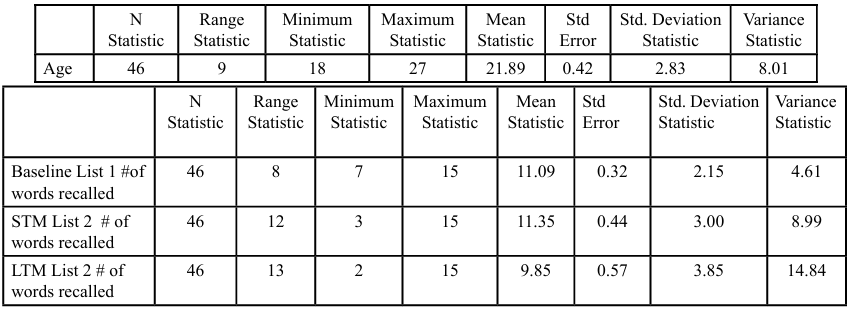
Table 1. General Descriptive Statistics. STM=short term memory, LTM=long term memory, N= number of subjects, Std= standard
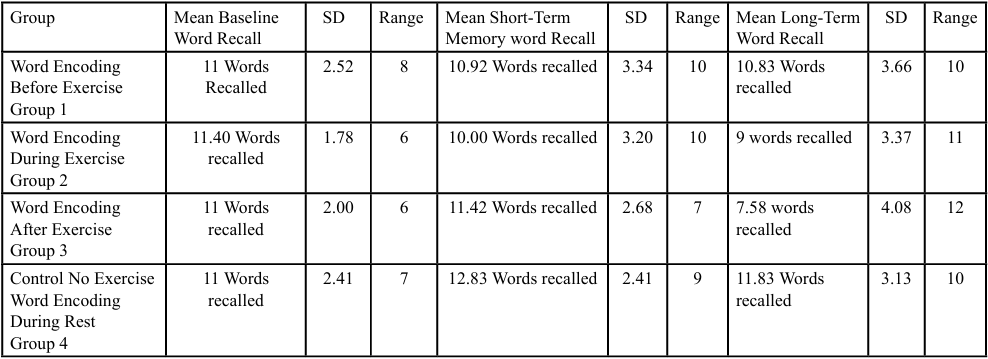
Table 2. Descriptive Statistics Amongst Groups. SD=Standard deviation
Assumption Testing
Tests of normality indicated violations of the assumption of normal distribution for STM (Shapiro–Wilk p = 0.005) and LTM (p = 0.021), while baseline recall approached normality (p = 0.095). Accordingly, non-parametric analyses were employed for all inferential testing (Table 3).
Between-Group Differences
A Kruskal–Wallis H test revealed no statistically significant differences between groups at baseline, H(3) = 0.33, p = 0.96, confirming equivalence prior to intervention. Similarly, no significant group differences were observed for STM recall, H(3) = 5.55, p = 0.137.
However, a statistically significant difference was identified for LTM recall, H(3) = 8.29, p = 0.041, indicating that the timing of exercise relative to encoding influenced delayed memory performance.
Mean rank analysis demonstrated that the control group (no exercise) achieved the highest LTM performance (Mean Rank = 30.42), followed by the encoding-before exercise group (Mean Rank = 26.79), the encoding-during exercise group (Mean Rank = 20.15), and the encoding-after exercise group (Mean Rank = 16.08).
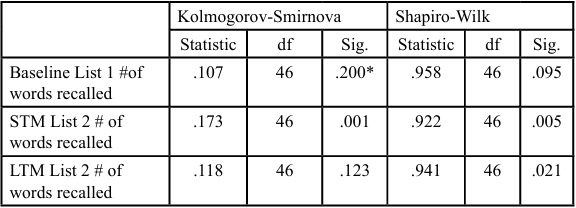
Table 3. Tests of Normality
Post Hoc Pairwise Comparisons
Pairwise comparisons using Mann–Whitney U tests identified significant differences in LTM performance (Table 4):
1. Encoding during exercise vs. control: U = 29.50, Z = -2.02, p = 0.043, r = 0.30 (moderate effect)
2. Encoding after exercise vs. control: U = 27.50, Z = -2.58, p = 0.010, r = 0.39 (moderate-to-large effect)
No statistically significant differences were observed between groups for baseline or STM recall (all p > 0.05).
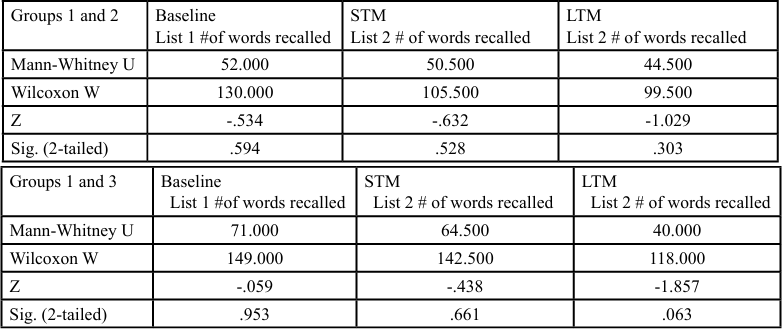
Table 4. Mann-Whitney U statistics for group comparison. STM=short Term memory, LTM=long term memory, Sig= significance
Within-Group Trends
Descriptive analysis indicated distinct patterns across conditions:
1. Encoding Before Exercise: Minimal change across time points, with slight reductions in STM and LTM recall.
2. Encoding During Exercise: Demonstrated the greatest decline in performance, with reductions in both STM and LTM recall relative to baseline.
3. Encoding After Exercise: Showed a modest increase in STM recall but the largest decline in LTM performance.
4. Control Group: Demonstrated the greatest improvement in STM recall and the highest retention in LTM performance.
Associations with Demographic Variables
Age
Pearson correlation analysis revealed a moderate positive association between age and STM recall (r = 0.41, p = 0.005) and a weaker but significant association with LTM recall (r = 0.33, p = 0.026). A strong positive correlation was observed between STM and LTM performance (r = 0.88, p < 0.001), indicating consistency in individual memory performance across time points (Table 5).
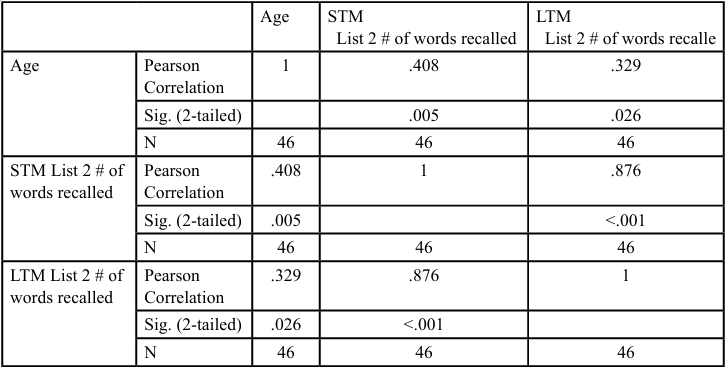
Table 5. Pearson Correlation Between Age and Memory. STM=short term memory, LTM=long term memory, Sig=significance, N=number subjects
Gender
No significant associations were identified between gender and STM (r = 0.06, p = 0.673) or LTM recall (r = 0.08, p = 0.617), indicating that gender did not influence memory outcomes (Table 6).
Education Level
Significant differences were observed between undergraduate and graduate students. Mann–Whitney U analysis revealed (Table 7):
• Baseline: U = 126.50, Z = -3.03, p = 0.002, r = 0.45 (large effect)
• STM: U = 146.50, Z = -2.58, p = 0.010, r = 0.38 (moderate effect)
• LTM: U = 154.00, Z = -2.40, p = 0.016, r = 0.35 (moderate effect)
Graduate students demonstrated higher recall performance across all time points.
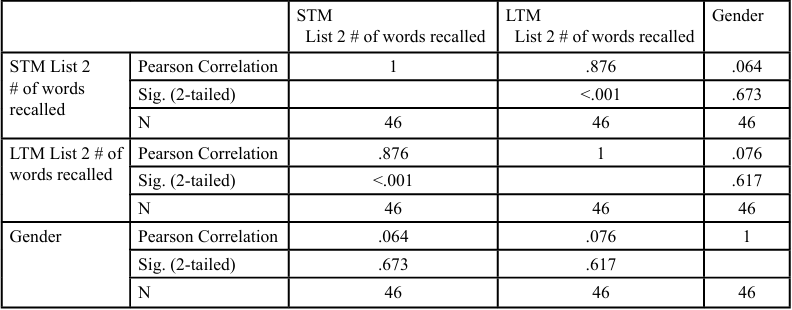
Table 6. Pearson Correlation Between Gender and Memory. STM=short term memory, LTM=long term memory, Sig= significance, N=number subjects
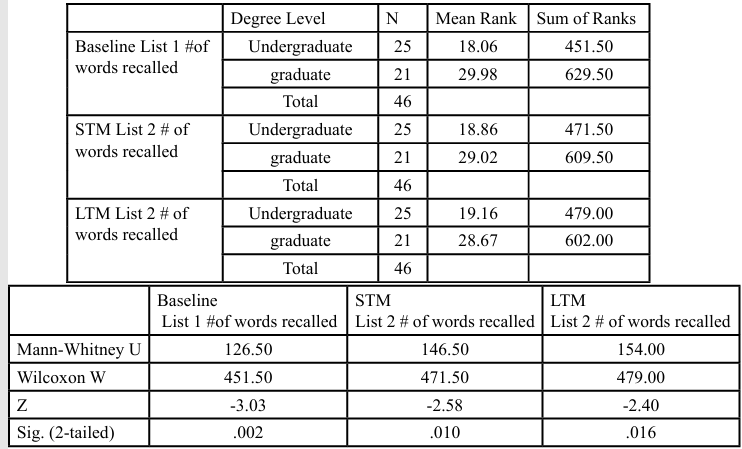
Table 7. Mann-Whitney U Degree Level. STM=short term memory, LTM=long term memory, Sig=significance
Discussion
This study investigated the effects of acute moderate-intensity aerobic exercise and the timing of memory encoding on STM and LTM performance in healthy young adults. The primary findings demonstrate that the timing of exercise relative to encoding significantly influenced LTM outcomes, whereas moderate- intensity exercise did not yield a generalized enhancement in memory performance compared to a non-exercise control condition. Specifically, encoding during and after exercise was associated with reduced LTM retention, while encoding at rest resulted in the highest performance across both short- and long-term recall. These results highlight the importance of temporal specificity in the exercise cognition relationship and indicate that the benefits of acute exercise are highly context dependent.
Exercise Timing and Memory Processes
A key finding of this study is that the timing of exercise relative to memory encoding differentially impacts memory consolidation. While no significant differences in STM recall were observed across groups, LTM performance varied significantly, suggesting that the consolidation phase may be particularly sensitive to physiological modulation. This aligns with established neurobiological frameworks indicating that consolidation processes are influenced by arousal- mediated neurochemical changes, including catecholamine release and hippocampal plasticity [19].
The observed decline in performance in the encoding-during exercise condition is consistent with dual-task interference theory, which posits that simultaneous cognitive and physical demands compete for limited attentional and neural resources [15]. During exercise, increased physiological demand may reduce available cognitive capacity, thereby impairing encoding efficiency. This interpretation is further supported by evidence demonstrating that cognitive performance may be attenuated during concurrent physical exertion, particularly when attentional demands are high [2].
In contrast, encoding prior to exercise resulted in relatively preserved LTM performance. This suggests that exercise following encoding may facilitate consolidation processes. Acute exercise has been shown to increase circulating levels of brain-derived neurotrophic factor, enhance cerebral blood flow, and promote synaptic plasticity, all mechanisms known to support memory stabilization [20,21]. The timing of these neurophysiological responses may be critical, as exercise-induced arousal occurring after encoding may strengthen newly formed memory traces.
Interestingly, encoding after exercise showed modest improvements in short-term recall but poorer long-term retention. This dissociation suggests that while post-exercise arousal may transiently enhance attentional processes and immediate recall, it may not effectively support long-term consolidation. These findings highlight the complexity of exercise-induced cognitive effects and suggest that the temporal alignment of physiological and cognitive processes is essential.
Lack of Global Exercise Effect
Contrary to the initial hypothesis, moderate-intensity exercise did not produce superior memory outcomes compared to the control condition. The control group consistently demonstrated the highest recall performance, suggesting that under the conditions of this study, exercise may have introduced additional cognitive or physiological demands that offset potential benefits.
Previous literature has demonstrated that acute exercise can enhance cognitive performance, particularly when exercise intensity is sufficient to elicit robust neurochemical responses [22,23]. However, the magnitude of these effects appears to be influenced by multiple factors, including exercise intensity, duration, and individual fitness levels. It is possible that the moderate-intensity protocol used in this study did not reach the threshold necessary to produce measurable cognitive benefits.
Additionally, the cognitive demands of maintaining exercise intensity may have contributed to attentional interference, particularly among participants with lower fitness levels. This may have been especially relevant in the encoding-during condition, where participants were required to divide attention between physical exertion and memory encoding.
Ceiling Effects and Baseline Performance
Baseline memory performance was comparable across groups, indicating successful randomization. However, relatively high baseline scores suggest a ceiling effect, which may have limited the ability to detect improvements in STM. Ceiling effects are a known limitation in cognitive research, particularly when task difficulty is insufficient to capture performance variability [24]. Future studies may benefit from increasing task complexity or utilizing alternative cognitive measures to improve sensitivity. Despite this limitation, the observed differences in LTM suggest that the experimental design was sufficient to detect meaningful effects during consolidation.
Influence of Individual Differences
Age and education level were significant predictors of memory performance. Older participants demonstrated better recall performance, which may reflect greater cognitive maturity or improved attentional control. Although the age range was narrow, this finding aligns with prior research indicating that cognitive performance may improve with experience and engagement.
Education level also demonstrated a significant effect, with graduate students outperforming undergraduate students across all time points. This may reflect differences in cognitive strategies, academic experience, or baseline cognitive capacity. However, undergraduate students demonstrated greater relative improvement from baseline, suggesting that individuals with lower initial performance may be more responsive to intervention effects.
Because age and education level were not controlled for or balanced during group assignment, these demographic differences may have contributed to variability in memory outcomes between groups and should be considered a limitation of the study. It is possible that some groups contained proportionally older participants or a greater number of graduate students, which may have influenced performance independent of exercise timing. Gender was not associated with memory performance, indicating that the observed effects were not influenced by sex-related differences within this sample.
Comparison with Existing Literature
The findings of this study both support and extend existing literature on exercise and memory. Consistent with prior research, exercise performed during encoding appears to impair memory performance due to attentional interference [15]. Additionally, the potential benefit of exercise following encoding aligns with studies demonstrating enhanced consolidation through physiological arousal mechanisms [21].
However, the absence of a general cognitive benefit of exercise contrasts with some prior findings. This discrepancy may be explained by differences in experimental design, particularly in terms of exercise intensity and timing. It is increasingly recognized that the effects of exercise on cognition are not uniform and depend on the interaction between physiological and cognitive variables [22].
Clinical and Practical Relevance
The clinical and practical relevance of these findings lies in the growing interest in using exercise as a strategy to enhance cognitive performance, learning, and memory retention. Understanding how the timing of exercise interacts with memory encoding may have important implications for educational settings, rehabilitation programs, athletic training, and cognitive interventions. For example, students, athletes, and individuals undergoing neurocognitive rehabilitation are frequently encouraged to engage in physical activity to support cognitive function. However, the current findings suggest that the timing of exercise relative to learning tasks may influence the effectiveness of these interventions. Specifically, engaging in moderate-intensity exercise during or immediately after encoding may place competing attentional demands on the individual and potentially interfere with long-term retention. Conversely, exercise performed prior to learning may be less disruptive and may better support later consolidation processes. These findings contribute to the growing body of literature suggesting that exercise-induced cognitive effects are highly dependent on contextual and temporal factors rather than reflecting a universal enhancement effect.
The present study also provides preliminary evidence that acute exercise may differentially influence short-term and long-term memory processes. This distinction is important because many previous studies have examined cognitive performance broadly without specifically considering the temporal stages of memory formation, including encoding, consolidation, and retrieval. The findings support existing theories related to attentional resource allocation, dual-task interference, and neurophysiological arousal while also highlighting the complexity of the exercise–cognition relationship. Importantly, this study helps address a gap in the literature by examining the temporal relationship between exercise and specific phases of memory processing rather than evaluating exercise solely as a generalized cognitive intervention. Understanding when memory encoding is most effective may have important implications for optimizing learning environments, cognitive rehabilitation strategies, and exercise-based interventions designed to support memory retention. Potential applications include educational settings, aging and memory-loss interventions, traumatic brain injury rehabilitation, and cognitive impairment or neurodevelopmental research.
Future studies should continue to investigate the mechanisms underlying these effects by incorporating larger and more diverse samples, objective physiological biomarkers, measures of perceived exertion, and varying exercise intensities and modalities. Additionally, future research should explore whether these findings generalize to applied learning environments, older adults, clinical populations, or individuals with cognitive impairments. Together, these findings suggest that exercise timing may represent an important variable to consider when designing exercise-based cognitive interventions or educational strategies and may help guide future research aimed at strategically integrating exercise to optimize memory encoding and consolidation processes.
Limitations
Several limitations should be considered. The relatively small sample size limits generalizability and statistical power. The homogeneity of the sample, which consisted primarily of young, healthy university students recruited through convenience sampling, further limits external validity. The potential for ceiling effects associated with the word list task may have limited the detection of STM differences.
Additionally, although word lists 1 and 2 were standardized, the relative equivalence in difficulty between the lists was not formally established, which may have influenced memory performance outcomes. Age and education level were not controlled for or balanced during group assignment, and both variables were significantly associated with memory performance, representing potential confounding factors that may have influenced group differences independent of exercise timing.
Variability in participant fitness levels was also not controlled, and baseline fitness level, exercise history, familiarity with cycling exercise, and ratings of perceived exertion were not formally assessed. These factors may have influenced physiologic responses to exercise, attentional demands, and cognitive performance during the intervention. Investigators were not blinded during group assignment, introducing the potential for allocation bias.
Additionally, slight differences in timing between the exercise and control conditions may have influenced memory encoding and retention outcomes. Repeated memory testing may have contributed to participant fatigue or practice effects across assessments. Memory outcomes were manually scored, and inter-rater reliability was not formally established.
Finally, the absence of physiological biomarkers, such as brain derived neurotrophic factor (BDNF) or cortisol, limits the ability to directly link behavioral outcomes to underlying neurophysiological mechanisms.
Conclusion
The results of this pilot study suggest that the timing of exercise relative to memory encoding may influence memory retention outcomes. Moderate-intensity exercise did not appear to improve overall memory performance, and participants who encoded information during or after exercise demonstrated lower LTM retention compared to the control condition. The control group demonstrated the strongest LTM performance, while encoding prior to exercise resulted in relatively preserved retention among the exercise conditions. These preliminary findings highlight the potential importance of temporal factors in the exercise–cognition relationship and suggest that moderate-intensity exercise may not uniformly enhance cognitive performance across all contexts. Further research with larger, more controlled samples is warranted to better clarify these relationships.
Competing Interests:
The authors declare that they have no competing interests.
List of abbreviations:
AE -aerobic exercise
RE -resistance exercise
BDNF -brain-derived neurotrophic factor
FGCU -Florida Gulf Coast University’s
PAR-Q+ -Physical Activity Readiness Questionnaire
LTM - long-term memory
STM - short-term memory
References
Zuniga, K. E., Mueller, M., Santana, A. R., & Kelemen, W. L. (2019). Acute aerobic exercise improves memory across intensity and fitness levels. Memory, 27(5), 628-636. View
Singh, B., Bennett, H., Miatke, A., Dumuid, D., Curtis, R., Ferguson, T., . . . Gough, C. (2025). Effectiveness of exercise for improving cognition, memory and executive function: a systematic umbrella review and meta-meta-analysis. British journal of sports medicine, 59(12), 866-876. View
Wang, X., Zhu, R., Zhou, C., & Chen, Y. (2020). Distinct effects of acute aerobic exercise on declarative memory and procedural memory formation. Brain Sciences, 10(10), 691. View
Cassilhas, R. C., Tufik, S., & de Mello, M. T. (2016). Physical exercise, neuroplasticity, spatial learning and memory. Cell Mol Life Sci, 73(5), 975-983. View
McDermott, K. B., & Roediger III, H. L. (2025). Memory (encoding, storage, retrieval). Understanding Biological Behavior 2nd Edition. View
Weyer, A., & Lundy-Ekman, L. (2023). Central Somatosensory System. Neuroscience: Fundamentals for Rehabilitation. 6th ed. St. Louis: Elsevier, 161-181. View
Edwards, M. K., & Loprinzi, P. D. (2018). Comparative effects of meditation and exercise on physical and psychosocial health outcomes: a review of randomized controlled trials. Postgrad Med, 130(2), 222-228. View
Goto, A. (2022). Synaptic plasticity during systems memory consolidation. Neuroscience research, 183, 1-6. View
Loprinzi, P. D., Moore, D., & Loenneke, J. P. (2020). Does aerobic and resistance exercise influence episodic memory through unique mechanisms? Brain Sciences, 10(12), 913. View
Reading, J. M., & LaRose, J. G. (2022). Exercise preferences among emerging adults: Do men and women want different things? Journal of American College Health, 70(5), 1301-1305. View
Gulyaeva, N. (2017). Molecular mechanisms of neuroplasticity: an expanding universe. Biochemistry (Moscow), 82(3), 237-242. View
Liguori, G., & Medicine, A. C. o. S. (2020). ACSM's guidelines for exercise testing and prescription: Lippincott Williams & Wilkins. View
Marchant, D., Hampson, S., Finnigan, L., Marrin, K., & Thorley, C. (2020). The effects of acute moderate and high intensity exercise on memory. Front Psychol, 11, 1716. View
Zhang, W., Zhang, K., Lu, H., & Hong, F. (2026). Trends and Regional Disparities in the Global Burden of Pruritus From 1990 to 2021: A Systematic Analysis of the Global Burden of Diseases Study. Dermatitis, 17103568261424075. View
Qazi, A. S., Schmid, D., Gridley, N., Lambourne, K., Daly- Smith, A. J., & Tomporowski, P. D. (2024). The effects of acute exercise on long-term episodic memory: a systematic review and meta-analysis. Frontiers in Cognition, 3, 1367569. View
Loprinzi, P. D., Day, S., Hendry, R., Hoffman, S., Love, A., Marable, S., . . . Gilliland, B. (2021). The effects of acute exercise on short-and long-term memory: Considerations for the timing of exercise and phases of memory. Europe's journal of psychology, 17(1), 85. View
Makepeace, R., & Craig, M. (2024). Higher intensity exercise after encoding is more conducive to episodic memory retention than lower intensity exercise: A field study in endurance runners. PLoS One, 19(9), e0308373. View
Morita, N., Ishihara, T., Hillman, C. H., & Kamijo, K. (2025). Movement boosts memory: Investigating the effects of acute exercise on episodic long-term memory. Journal of Science and Medicine in Sport, 28(3), 256-259. View
McGaugh, J. L. (2018). Emotional arousal regulation of memory consolidation. Current opinion in behavioral sciences, 19, 55-60. View
Cotman, C. W., Berchtold, N. C., & Christie, L.-A. (2007). Exercise builds brain health: key roles of growth factor cascades and inflammation. Trends in neurosciences, 30(9), 464-472. View
Winter, B., Breitenstein, C., Mooren, F. C., Voelker, K., Fobker, M., Lechtermann, A., . . . Floel, A. (2007). High impact running improves learning. Neurobiol Learn Mem, 87(4), 597-609. View
Hillman, C. H., Erickson, K. I., & Kramer, A. F. (2008). Be smart, exercise your heart: exercise effects on brain and cognition. Nature Reviews Neuroscience, 9(1), 58-65. View
Roig, M., Nordbrandt, S., Geertsen, S. S., & Nielsen, J. B. (2013). The effects of cardiovascular exercise on human memory: a review with meta-analysis. Neuroscience & Biobehavioral Reviews, 37(8), 1645-1666. View
Garin, O. (2024). Ceiling effect. In Encyclopedia of quality of life and well-being research (pp. 704-706): Springer. View