
- About the Journal
- Editorial Board
- Review Process
- Author Guidelines
- Article Processing Charges
- Special Issues
- Current Issue
- Past Issue
 Journal of Rehabilitation Practices and Research
 Volume 7 (2026), Article ID: JRPR-213
https://doi.org/10.33790/jrpr1100213Case Report
Development and Early Outcomes of a Holistic Admissions Model for a DPT Program at a Historically Black College/University: A Case Report
S. Christopher Owens*, PT, ScD, Ayodele A. Akinremi, PhD, Yolanda Rainey, PT, DPT, and Pamela O. Tucker, PT, DPT
Department of Physical Therapy, Hampton University, Hampton, Virginia, United States.
Corresponding Author Details: S. Christopher Owens, PT, ScD, Department of Physical Therapy, Hampton University, Hampton, VA 23668, United States.
Received date: 05th June, 2026
Accepted date: 25th August, 2026
Published date: 27th August, 2026
Citation: Owens, S. C., Akinremi, A. A., Rainey, Y., & Tucker, P. O., (2026). Development and Early Outcomes of a Holistic Admissions Model for a DPT Program at a Historically Black College/University: A Case Report. J Rehab Pract Res, 7(2):213.
Copyright: ©2026, This is an open-access article distributed under the terms of the Creative Commons Attribution License 4.0, which permits unrestricted use, distribution, and reproduction in any medium, provided the original author and source are credited.
Abstract
Purpose: Doctor of Physical Therapy (DPT) programs traditionally rely on cognitive metrics like the GRE and undergraduate GPA, which can introduce negative bias against underrepresented minority (URM) applicants. The purpose of this case report is to describe the theoretical framework, design, and preliminary outcomes of a holistic admissions process at an HBCU-housed DPT program.
Case Description/Design: A retrospective descriptive cohort design is used to evaluate a newly implemented holistic admissions framework. Non-cognitive domain measures included the ability to follow written and verbal directions, concise written (essay) and verbal (procedural task) communication, situational judgment test performance, letters of recommendation, and demonstrated leadership.
Participants: Twenty (N=20) applicants interviewed across three sessions. Eleven and matriculated into the DPT program under the holistic admissions process. This cohort was compared to a baseline historical cohort admitted via traditional criteria.
Measures: The primary outcome was an Adverse Academic Status Event (AASE), defined as a student receiving a grade below B for any course in the curriculum. Secondary outcomes included firstsemester DPT GPA and non-cognitive interview scores.
Main Findings: Implementation of the holistic process yielded an absolute risk reduction (ARR) of 16.6% and a relative risk reduction (RRR) of 49.9% in AASEs compared to historical controls. Scores on the interview metric for following instructions demonstrated a strong, statistically significant positive correlation with first-semester DPT GPA (r=.71, p=.01).
Conclusion: These preliminary findings suggest that integrating structured non-cognitive evaluations into DPT program admissions at an HBCU is feasible and positively correlated with early academic indicators. Given the small cohort size and observational design, these data serve as hypothesis-generating evidence to warrant larger, long-term studies on holistic DPT admissions.
Keywords: Underrepresented minorities, Non-cognitive measures, Health professions education, Situational judgment test, Academic progression, Diversity pipeline, Standardized testing bias, Graduate school admissions equity
Introduction
Physical therapy is a high-demand profession, with the United States Bureau of Labor Statistics (BLS) projecting 14% employment from 2023 to 2033 [1]. This trend is expected to outpace the supply of licensed physical therapists over the next 10 years [2]. Doctor of Physical Therapy (DPT) programs must meet this need while satisfying accreditation requirements: the Commission on Accreditation in Physical Therapy Education (CAPTE) requires programs to maintain an 80% graduation rate and 85% licensure passage rate, averaged over two years [3]. To meet these standards, DPT programs must be highly selective when making admissions decisions. Yet as many as 12% of enrolled DPT students fail to graduate within 150% of the program length [4-6]. Students who do not successfully complete a doctor physical therapy program face the loss of their monetary investment without the potential benefit of employment as a healthcare professional. Admissions committees therefore face a dual mandate: identify applicants likely to succeed academically while building a class that reflects the diversity of the populations the profession serves.
Doctor of physical therapy programs have traditionally relied heavily on cognitive measures of performance such as the graduate record examination (GRE) and undergraduate grade point average (GPA) to make admissions decisions, despite the inconclusive evidence regarding the predictive value of these measures. Several authors report that undergraduate and prerequisite GPA, along with verbal and quantitative GRE scores, predict first-semester course performance, academic difficulty, or probationary status [6-9]. Dombkowski et al. [10] reported significant positive correlation for both physical therapy prerequisite GPA and cumulative undergraduate GPA with first time NPTE pass. Others have found no significant relationship between these measures and outcomes such as program withdrawal [11] or NPTE success [12], while a systematic review found only a medium effect size for cognitive measures on NPTE performance [13]. This inconsistency limits the utility of cognitive measures alone as admissions criteria.
Reliance on cognitive measures also carries equity implications. Physical therapy remains a disproportionately White profession relative to the U.S. population [1,14]. This lack of representation is a recognized contributor to health disparities [15]. We define underrepresented racial and ethnic minority (URM) groups as individuals from racial or ethnic populations underrepresented in the physical therapy profession relative to their proportion of the U.S. population. Applicants from URM populations score lower on standardized admissions tests, which can introduce reviewer bias into admissions decisions that weigh these measures heavily [16,17]. In response, CAPTE's accreditation standards now require that “The program’s mission, goals, and objectives incorporate a commitment to diversity, equity, and inclusion that is reflected in the curriculum, recruitment practices, and learning environment [3].” The American Physical Therapy Association (APTA) has established a formal action plan to advance diversity, equity, and inclusion across the profession [18].
These pressures have led many programs to adopt holistic admissions. A holistic admissions process is grounded in principles articulated by the Association of American Medical Colleges and adapted across health professions education, that evaluates applicants using a balanced, individualized assessment of experiences, attributes, and academic metrics rather than relying on a single dominant criterion [19]. Holistic admissions is distinct from simply appending non-cognitive measures, such as interviews or essays, to a GPA/GRE-based process. Rather, it reflects an intentional shift in how criteria are weighed and integrated. Programs are guided conceptually by principles of professional formation, judgment, and interpersonal skills required by clinicians. This process also considers situational judgment testing, which evaluate how applicants’ reason through realistic professional scenarios rather than assessing static traits alone.Together, these concepts constitute an admissions equity framework: one intended to broaden the criteria for "readiness" beyond standardized cognitive metrics in order to reduce bias against URM applicants while still identifying applicants likely to succeed academically and clinically.
Non-cognitive factors commonly incorporated into holistic admissions include: sociodemographic factors (race, ethnicity, etc.), personality assessment, clinical experiences, interviews, written essays, and letters of recommendation. A systematic review of these factors found inconclusive evidence for interviews, letters of recommendation, essays, and clinical experience, but identified Grit Scale scores and emotional intelligence as positively associated with student outcomes, [20] a finding consistent with other studies of grit in DPT admissions [4,21-23]. Personality traits such as conscientiousness (a Big Five trait), by contrast, show inconsistent or no significant association with outcomes [12].
The Hampton University DPT Program, housed at a historically Black college/university (HBCU) in Hampton, Virginia, offers a distinct setting in which to examine holistic admissions in practice. The program’s mission emphasizes physical therapy education "in a multicultural environment with particular emphasis on the needs of the disadvantaged and underserved." Between 2015 and 2024, the program's average URM enrollment was 65.7%, and in 2024, 83.3% of faculty identified as Black or African American. Given evidence that a more representative healthcare workforce improves outcomes for underserved populations [24], this program's admissions process offers a valuable case example.
The purpose of this case report is to describe a holistic admissions process developed at a DPT program housed in an HBCU, and the conceptual framework underlying it. The process combines noncognitive measures, including applicants' ability to follow written and verbal directions, written (essay) and verbal (procedural task) communication skills, performance on situational judgment tests, letters of recommendation, and leadership experience with cognitive measures including cumulative and prerequisite GPA. These criteria were integrated based on theories regarding professional formation and situated judgment principles described above.
Methods
Ethics statement: Approval for this research project was granted by the Hampton University Institutional Review Board.
Study design: A retrospective descriptive cohort design was used to identify holistic admissions factors associated with early outcomes in a DPT program.
The Hampton University DPT program’s admissions requirements for the year in which this case report describes were as follows: All applications were submitted through the Physical Therapist Centralized Application Service (PTCAS), which is an online platform for the entry-level professional physical therapist programs. All applicants were required to have completed a Bachelor’s Degree and completed all prerequisite courses with a grade of “C” or better. The prerequisite courses were: General Biology I with lab, General Chemistry I and II with lab, General Physics I and II with lab, Human Anatomy with lab, Human Physiology with lab, Introduction to Statistics, and General Psychology. Applicants were required to have completed a minimum of 40 hours of volunteer or work experience in physical therapy setting with documentation signed by a United States licensed physical therapist. Applicants were required to have a cumulative GPA of 2.8 or higher, with a minimum GPA of 2.8 in prerequisite courses. Applicants were required to provide two letters of recommendation that address their moral character and suitability for a career in physical therapy, with at least one letter coming from a licensed physical therapist. Students were required to have complete all prerequisite courses within eight years of the time of admission.
The core faculty at the time of the case report consisted of 5 fulltime faculty including the department chair. Three faculty were at the rank of associate professor and two were assistant professors. The department also consisted of 1 full-time administrative staff member.
Many DPT programs have been faced with challenges related to student retention and graduation rates. Additionally, DPT programs have experienced an overall reduction in the total number of applicants. The Hampton University DPT program has experienced similar issues with retention and applicant numbers. We felt that the decline in applicants that our program experienced was related to our GRE requirements, which many programs and our region no longer required. Individuals are more likely to apply to programs that do not require the GRE for admissions decisions. Consequently, the program chose to eliminate the GRE requirement despite the quantitative GRE score below 144 being a significant predictor of academic difficulty and academic dismissal in our students between 2012 and 2022 [9]. This decision was based on the programs effort to increase the number of applicants, and historical outcomes that report lower GRE scores among URM applicants and the resulting potential bias in admissions decisions by programs [25]. The programs deemphasis on cognitive measures, specifically the GRE, required a change in the program’s admissions process. We implemented a holistic admissions process which placed an increased emphasis on non-cognitive measures.
The Hampton University DPT program did not require interviews prior to the year described in the case report. Previously, the greatest emphasis on the admissions committee decision was based on cognitive factors (63%); quantitative GRE, verbal GRE, cumulative GPA, and pre-requisite GPA. While non-cognitive factors considered for admission consisted of (37%); faculty reviewer professional opinion, applicant leadership, applicant personal statement, and applicant references.
The program identified all DPT students from the cohort prior to the year of the case description who experienced an adverse academic status event (Cohort 1). Adverse academic status event (AASE) was defined as a student receiving a grade below B for any course in the curriculum. We chose this standard based on The Hampton University Graduate College’s policy that no more than eight credit hours of grades below B may be counted toward degree requirements. Students who accumulate greater than eight credits below B may be dismissed from the program or may be required to repeat courses that they achieved below B. Academic dismissal was defined as students who were dismissed from the program due to two consecutive semesters on academic probation (cumulative GPA below 3.0), receiving a grade below C in any class, or accumulating greater than 8 credits below B. The admissions committee set the threshold for conducting applicant interviews at any applicant with a cumulative GPA below 3.25, and or a prerequisite GPA below 3.15. This threshold was established using an evidence-based approach: analysis of Cohort 1 revealed that 100% of students who experienced an AASE had a cumulative GPA below 3.25 and/or a prerequisite GPA below 3.15. The interview was therefore instituted specifically for applicants falling below these empirically derived risk thresholds, allowing the admissions committee to gather additional holistic information on applicants identified as academically at-risk, while applicants who exceeded both benchmarks and met all other admissions criteria were admitted without interview. One out of twelve new students admitted (8.3%) were admitted without taking part in the interviews. The remaining 11 students enrolled participated in the interview process (cohort 2).
Admissions Process Development
The programs admissions committee created a holistic admissions process that used the following applicant scoring: Cognitive measures total 40% (cumulative GPA 20% and prerequisite GPA 20%); Noncognitive measures 60% (applicant references 5%, leadership score 10%, and interview score 45%). The admissions committee reviewed the relevant literature on cognitive and non-cognitive factors that predict academic success in health care education programs [6,8,10-13,20,26-31]. The committee also discussed factors that we believed were critical for success in our program. Based on our literature review and discussion, the admissions committee reached a consensus on the following factors to be included in our interview process: following written and verbal instructions (20%), situational judgement assessment (40%), verbal communication through procedural explanation (20%), and written communication through completion of a written essay based on applicant Grit Scale score (20%). The Grit Scale score was used as a prompt for the written essay and did not factor into the applicant total score.
The Hampton University DPT program had not conducted interviews in the previous admissions cycles; as a result, the program was required to create a new interview process. Bowens reported that 74% of DPT programs use interviews as a part of their admissions process, with the majority consisting of a one-to-one interview format [20]. The program’s prior decision not to conduct in person interviews was largely based on time limitations, and cost of attendance for applicants. Another potential consideration against interviews is reported implicit bias among admissions decision makers [32]. Based on these considerations, the admissions committee chose an interview process that would be limited to 1 hour, and would offer applicants a remote web-based option to minimize costs associated with travel. Potential faculty bias would be minimized by creating a clearly defined grading rubric that emphasized behaviors that were consistent with faculty defined attributes necessary to be successful in the program. Faculty interviewers received in-service training on the interview rubrics prior to conducting applicant interviews. Training sessions focused on review of the rubric's defined attributes and behavioral anchors to promote consistent application across raters. In cases where raters' scores diverged, disagreements were resolved through faculty consensus discussion rather than a predetermined statistical or algorithmic method. Interviewers were not blinded to applicants' GPA or other admissions materials at the time of the interview.
Following Instructions
The admissions committee created a 14-item list of verbal and written instructions that could be graded by faculty as either yes or no. Two separate lists were created for in-person and remote participants, as instructions differed. An example of the following directions rubric is included in the appendices. These items were agreed upon by all faculty participating in the interviews. An additional six items were included based on written instructions provided to the participants for completion of the Grit Scale score essay described below. All available faculty completed the grading rubric for following directions.
Grit Scale Score Essay – Written Communication and Following Directions
Grit is non-cognitive factor that is defined as perseverance and passion for long-term goals [33,34]. Duckworth et al., [33,34] developed and validated a 12 question survey to measure this personality trait in individuals. Several authors have reported a positive association with Grit Scale scores and successful outcomes in physical therapy programs [4,21,22,23,26]. The admissions committee decided to use of the Grit scale to evaluate written communication and following instructions. The actual scores were recorded but did not factor into the applicant interview scoring. Applicants were instructed to complete the Grit Scale survey and to follow the instructions to calculate the total score. The instructions for completion of the written essay were as follows: “Discuss the findings of your GRIT Assessment Score. Based on this assessment formulate a plan that will guide your successful progression through the DPT program at HU. You will have 10 minutes to complete this task using the space below. You may use the back of this paper as well.” Example of the grading rubric is provided in the appendices. Completion of the Grit score survey and instructions for completing the written essay accounted for an additional 6 items included in the following instructions assessment (total of 20 items). Two faculty members were instructed to grade the quality of the essay based on how well applicants were able to clearly articulate how the results of the GRIT assessment score would direct their plan for success in the DPT program.
Situational Judgement Test
Situational judgement tests (SJT) are non-cognitive assessments designed to evaluate an applicant’s judgement in situations encountered in a particular environment [35]. These tests demonstrate less ethnic differences and can provide insights into how an applicant approaches real world challenges [36]. The admissions committee adapted 4 scenarios from the Association of American Medical Colleges (AAMC) situational judgement test designed to predict medical student performance. We chose scenarios based on their relevance to instruction in our program and because they evaluated professionalism. Faculty reached a consensus on all four scenarios selected. Each scenario consisted of a question and 4 responses that the faculty ranked in order of effectiveness: very effective, effective, ineffective, and very ineffective. Faculty reached a consensus on the appropriate order of each response. Applicants received full credit if they selected the most effective answer and partial credit if other responses matched the faculty determined appropriate response. Two faculty members completed the grading rubric for this task. Example of the grading rubric is provided in the appendices.
Procedural Explanation
The admissions committee determined that verbal communication is a critical aspect of the physical therapy profession. Providing clear concise instruction is assessed in all clinical courses within the DPT curriculum. We felt that the most appropriate way to assess this attribute in applicants was to have them provide verbal instructions on how to carry out a common task. The tasks that we chose were putting on a coat, making a peanut butter and jelly sandwich, brushing your teeth, and washing your hands. The faculty determined 6 relevant components of each task that were graded as either present or not present in the applicant’s instructions. The characteristics of the verbal instruction included the following: appropriate sequence provided, clarity and fluidity of instruction, checked for learner understanding, and appropriate volume and interaction. Two faculty members completed the grading rubric for this task. Example of the grading rubric is provided in the appendices.
Statistical Analysis
Statistical analyses were performed using IBM SPSS Statistics, version 31. An alpha level of .05 was set a priori for determining statistical significance. Prior to conducting Pearson correlation analyses, assumptions of normality and linearity were assessed using Shapiro-Wilk test. Fisher's exact test was used to determine if an association existed between implementation of a holistic admissions process (Cohort 2) and occurrence of AASE.
Results
Twenty applicants were interviewed over three separate sessions. One session was in person and the remaining two sessions were conducted remotely. Eleven of the 20 applicants were enrolled in the program during the fall, two declined admissions offer, two did not respond to offer, and five were rejected. Cohort demographic data is presented in table 1.
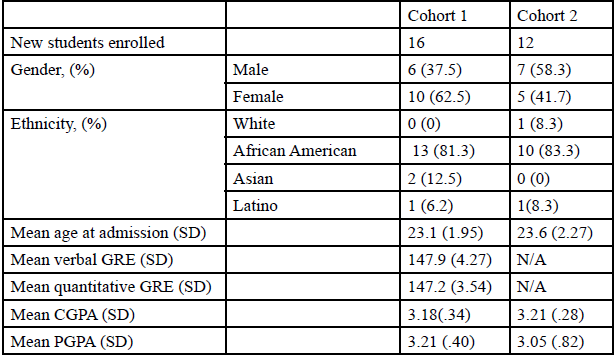
Table 1: Subject Demographic and Quantitative Admissions Data
Cohort 1 represents all students (16) admitted the year prior to holistic admissions process that did not include interviews. One student withdrew from the program during the fall semester for personal reasons. This student did not receive any grades so no outcome data was available for analysis. At the end of the first semester two students were academically dismissed and three students were not able to continue with their cohort as a result of having to repeat courses which they achieved a grade below B. A total of 5 students experienced AASE for Cohort 1. Cohort 2 represents all students selected using the admissions process described in the methods section. One student was academically dismissed and one student was not able to continue with their cohort as a result of having to repeat courses which they achieved a grade below B. A total of 2 students experienced AASE for Cohort 2.
Prior to correlation analysis, normality of all variables was assessed using the Shapiro-Wilk test. All variables met the assumption of normality (all p > .05), supporting the use of Pearson's correlation coefficient for subsequent analyses. Pearson’s correlation matrices were calculated for both cohort 1 and cohort 2 to determine if associations existed between cognitive admissions measures (applicant cumulative GPA and prerequisite GPA) and the first semester outcomes (Anatomy grade percentage, Kinesiology grade percentage, Neuroscience I, and 1st semester overall GPA). Cohort 1 (year prior to holistic admissions process no interviews) demonstrated a significant correlation between cumulative GPA and Anatomy percentage grade (r = .54, r2 = .29; p = .040), cumulative GPA and Kinesiology percentage grade (r = .58, r2 = .33, p = .03), and cumulative GPA and overall first semester GPA (r = .55, r2 = .31, p = .03).There was no significant association between cumulative GPA and Neuroscience I grade percentage (r = .44, r2 = .20, p = .10). There was no significant association between any of the following outcomes: prerequisite GPA and Anatomy percentage grade (r = .54, r2 = .29; p = .04); prerequisite GPA and Kinesiology percentage grade (r = .39, r2 = .15, p = .15); prerequisite GPA and Neuroscience I grade percentage (r = .134 r2 = .02, p = .64); prerequisite GPA and overall first semester GPA (r = .35, r2 = .12, p = .20) Cohort 1 correlation data is presented in table 2.
Our analysis of cohort 2 (holistic admissions process that included interviews) revealed no significant associations for the comparisons of cognitive admissions measures (applicant cumulative GPA and prerequisite GPA) and the first semester outcomes (Anatomy grade percentage, Kinesiology grade percentage, Neuroscience I, and 1st semester overall GPA). The r values ranged from -.26 to .05, p > .05) Cohort 2 correlation data is presented in table 3.

Table 2: Cohort 1 (n = 15)** Correlation Matrix For Pre-Admission Cognitive Measures With DPT 1st Semester Outcomes - Pearson r (p value)

Table 3: Cohort 2 (n = 12) Correlation Matrix For Pre-Admission Cognitive Measures With DPT 1st Semester Outcomes - Pearson r (p value)
Pearson correlation matrices were calculated for cohort 2 (holistic admissions process that included interviews) to determine if associations existed between non-cognitive admissions criteria (following directions, grit scale score essay, situational judgement score, procedural task score, total interview score, and combined reference and leadership score) and the first semester outcomes (Anatomy grade percentage, Kinesiology grade percentage, Neuroscience I, and 1st semester overall GPA). Cohort 2 (holistic admissions process that included interviews) demonstrated a significant correlation between following directions score and Anatomy percentage grade (r = .74, r2 = .55, p = .01), following directions score and Kinesiology percentage grade (r = .61, r2 = .37, p = .05), and following directions score and overall first semester GPA (r = .71, r2 = .50, p = .01). There was no significant association between following directions score and Neuroscience I grade percentage (r = .56, r2 = .31, p = .70). No other non-cognitive factors (grit scale score essay, situational judgement score, procedural task score, total interview score, and combined reference and leadership score) were significantly associated with first semester outcomes (Anatomy grade percentage, Kinesiology grade percentage, Neuroscience I, and 1st semester overall GPA). The r values ranged from -.26 to .29, p > .05) See table 4.
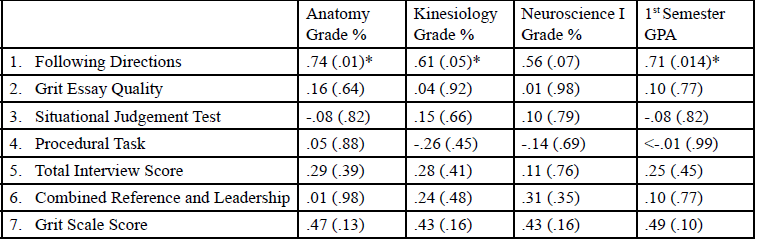
Table 4: Cohort 2 (n = 11)** Correlation Matrices For Non-Cognitive Measures With 2024 DPT 1st Semester Outcomes - Pearson r (p value)
No significant association was observed for Cohort and occurrence of AASE (Fisher’s exact test p = .66). The absolute risk reduction of an AASE following the holistic admissions process implemented for cohort 2 was 16.6% (95% CI: −16.8% to 44.3%). The relative risk reduction was 49.9%. Students enrolled in cohort 2 (holistic admissions process that included interviews) had a reduction of the risk of AASE by 49.9% (95% CI: −113.9% to 88.3%) as compared to students in cohort 1 (year prior to holistic admissions process no interviews). See table 5. Both intervals span zero, consistent with the non-significant Fisher's exact test (p = .66), and reflect the limited precision afforded by the small sample size (7 total AASE events across 27 students).
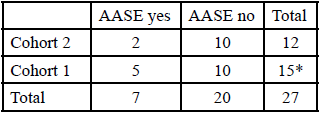
Table 5: Observed Frequencies of AASE for Cohort 1 and Cohort 2
Discussion
The program implemented a holistic admissions process with an emphasis on non-cognitive measures including a theory driven interview process. This change was motivated by the desire to improve student retention while minimizing decision-bias related to cognitive measures, in particular the GRE which we eliminated from our admissions requirement.
The program defined AASE as a student receiving a grade below B for any course in the curriculum. The absolute risk reduction of an AASE following the holistic admissions process implemented for cohort 2 was 16.6%. The relative risk reduction was 49.9%. Although the observed absolute risk reduction and relative risk reduction for AASE between cohorts suggested a meaningfully lower rate of adverse academic status events in Cohort 2, the corresponding 95% confidence intervals were wide (ARR: −16.8% to 44.3%; RRR: −113.9% to 88.3%) and consistent with Fisher's exact test results indicating no statistically significant difference between cohorts. This imprecision reflects the small sample size inherent to single-program cohort comparisons at the course or admissions-cycle level, rather than evidence against a true effect. With only seven total AASE events across 27 students, the study was underpowered to detect even a moderate effect size with statistical confidence, and the point estimates should be interpreted as a preliminary signal warranting further investigation rather than a conclusive finding. This pattern is not uncommon in single-institution admissions research, particularly at HBCU’s and other under-resourced programs where cohort sizes are inherently constrained by program capacity. Rather than treating the non-significant result as a null finding, we interpret the direction and magnitude of the effect estimates as consistent with the broader rationale for a holistic admissions model; traditional GPA-based thresholds alone may not fully capture the factors associated with first-semester academic risk. Future work with pooled cohorts across multiple admissions cycles, or multi-institutional collaboration among HBCU DPT programs, would provide the statistical power needed to determine whether this observed reduction in AASE reflects a true programmatic effect.
Cohort 2's interview scores for following instructions were significantly correlated with first-semester physical therapy program outcomes (Anatomy grade percentage, Kinesiology grade percentage, and first-semester GPA), while the total interview score was not significantly associated with these outcomes. The correlation coefficients indicate that the followingdirections sub score accounted for over 50% of the variance in Anatomy percentage grade (r = .74, r² = .55) and cumulative firstsemester GPA (r = .71, r² = .50), and over 30% of the variance in Kinesiology percentage grade (r = .61, r² = .37). The discrepancy between the null total-interview-score finding and the significant subcomponent finding warrants explanation. Total interview scores are typically an aggregate of multiple heterogeneous items (e.g., communication, professionalism, motivation, following directions), and averaging across these items may dilute a genuine signal present in any single subcomponent; introducing measurement noise that obscures item-level relationships when only the composite score is examined. It is also possible that other subcomponents of the interview instrument carry weaker or inconsistent associations with academic outcomes, and that equal weighting of all items in the total score underrepresents the predictive value of following-directions performance specifically. These findings suggest that composite interview scores, as commonly used in DPT admissions, may benefit from re-evaluation of item weighting or from reporting subcomponent scores independently rather than relying solely on a single aggregate score. Given this pattern, we interpret the association between following-directions performance and early academic outcomes as preliminary rather than confirmatory. This finding was observed in a single cohort at a single institution with a modest sample size, and it requires replication in larger, multi-institutional DPT samples before following-directions performance could be considered a validated component of a holistic admissions model.
While following directions is a non-cognitive factor that can be evaluated efficiently during in-person or remote interviews, it is important to acknowledge that performance on this measure may not be construct-pure. Following directions performance in an interview setting could partially reflect prior familiarity with academic or standardized testing culture, English-language proficiency, general test-taking behavior, or (in remote interview formats) technological access and comfort with video-conferencing platforms. Because a central goal of holistic admissions models is to reduce bias associated with traditional metrics such as GPA and standardized test scores, it is essential to consider whether a measure intended to broaden the applicant pool could inadvertently introduce new forms of disadvantage such as socioeconomic status or prior educational access. Future research should examine the following-directions measure alongside demographic and socioeconomic variables to determine whether its predictive validity holds across applicant subgroups, and whether it functions equitably in both in-person and remote interview formats. To our knowledge, this is the first report identifying the ability to follow directions as a non-cognitive factor associated with early academic success in a DPT program; however, given the considerations above, we present this as an exploratory finding meriting further study rather than a validated predictor ready for admissions application.
We did not find any useful associations, based on correlation analysis, with the other interview factors (written communication - grit essay quality, situational judgement test questions, procedural task explanation, or total interview score). We created scoring rubrics designed to reduce potential bias and that would be easy to use by the faculty evaluating applicants. Further effort to validate the rubrics used in our interview process is warranted.
Situational judgement tests were not associated with success in our program, this is despite the usefulness of these tests reported in the literature [35-38]. We limited the number of questions during our interview process to four. The results of our correlation analysis suggest that a larger sample of questions would provide a more accurate reflection of applicant decision making. Unfortunately, this is a more time-consuming process and alternatives such as pre-interview situational judgement assessment may be more appropriate.
Practical feasibility is an important factor for DPT programs considering adoption of a holistic admissions model that incorporates structured interview components such as following-directions assessment. In the present study, interviews were conducted in a group format across three separate occasions; one in-person session and two remote sessions. Each session was limited to approximately one hour, and an estimated 20 hours of faculty preparation time invested over a two-month period, including development and refinement of interview items, rater training, and scoring protocol development. The group interview format allowed multiple applicants to be efficiently assessed within a single session, reducing the overall time burden on faculty relative to individual interviews, while still permitting standardized administration of following-directions tasks across applicants.
Conducting two of the three interview sessions remotely also offered a practical, cost-effective alternative to in-person interview days, eliminating applicant travel costs and reducing scheduling burden, while preserving standardized assessment of non-cognitive factors such as following directions. This may be particularly relevant for programs at HBCU’s and other resource-constrained institutions seeking to broaden their applicant pool geographically. However, conducting interviews across a mix of in-person and remote group formats introduces potential format-related variability that should be considered in interpreting these findings and in future validation work. Group-based administration, whether inperson or remote, may introduce social or observational effects (e.g., applicants modeling responses off peers, uneven engagement within larger groups) distinct from those of individual interviews, and remote administration in particular introduces variability in applicant access to reliable technology and comfort with video-conferencing platforms. Programs adopting similar formats should evaluate whether interview modality (in-person vs. remote) or group size meaningfully affects applicant performance on non-cognitive measures, ideally through standardized protocols applied consistently regardless of format.
Programs adopting a holistic admissions approach should also implement ongoing monitoring of both adverse impact and predictive validity over successive admissions cycles. This includes tracking interview subcomponent scores and outcomes across demographic and socioeconomic subgroups, as well as across interview modality and format, to detect any disproportionate impact on underrepresented applicants or format-related bias. Periodic reexamination of correlations between interview components and academic/clinical outcomes as sample sizes accumulate would allow programs to refine or discontinue components that do not demonstrate consistent predictive validity. Given the preliminary nature of the present findings, we recommend that programs treat structured non-cognitive interview components and decisions about interview format and group size as an evolving part of the admissions process, subject to periodic validation rather than a fixed or finalized model.
Limitations
This study has several limitations that should be considered when interpreting the findings. This was a single-site study conducted within one DPT program at a single HBCU; the admissions model, applicant population, and institutional context are not necessarily representative of other DPT programs, and findings should not be assumed to generalize without local validation at other institutions. The sample size was small (two cohorts, n = 27), which limited statistical power, particularly for the AASE comparison, and produced wide confidence intervals around effect estimates. Findings involving small subgroup comparisons should be interpreted as preliminary and hypothesis-generating rather than confirmatory.
Data were limited to the first semester of the program (Anatomy, Kinesiology, and Neuroscience I grades, and first-semester GPA). This short follow-up window does not capture longer-term academic or professional outcomes, including subsequent didactic and clinical performance, program retention, graduation rates, or National Physical Therapy Examination (NPTE) pass rates. Whether early academic performance in the first semester is predictive of these longer-term outcomes remains unknown and is an important direction for future research.
Interviews were conducted only with applicants whose GPA fell below the standard admissions threshold, introducing possible selection bias. Because higher-GPA applicants were not interviewed, the relationship between interview performance (including following-directions scores) and academic outcomes could not be evaluated across the full range of applicant GPA, and findings may not generalize to applicants who would not otherwise have met a GPA-based threshold.
Interrater reliability data for interview scoring were not collected. Without formal interrater reliability estimates, the consistency of scoring across raters and interview sessions cannot be quantified, which limits confidence in the precision of interview-based measures, including the following-directions sub score.
Collectively, these limitations indicate that the findings of this case report should be considered preliminary. Replication in larger, multiinstitutional samples, with randomized or controlled comparison designs, standardized interview administration, formal interrater reliability assessment, and longer-term outcome tracking (including retention, graduation, clinical performance, and NPTE pass rates), is needed before this holistic admissions model can be considered validated or broadly generalizable beyond the local institutional context in which it was developed.
Conclusion
This case report describes a feasible holistic admissions model implemented within a single DPT program at an HBCU, incorporating a structured interview component alongside traditional academic metrics. Preliminary data from this single-program cohort suggest that interview performance on a following-directions task may be associated with early academic outcomes, including first-semester Anatomy and Kinesiology grades and overall GPA. However, given the small sample size, single-site design, non-randomized historical comparison group, and other limitations detailed above, these findings should be considered exploratory rather than confirmatory. In particular, the non-significant Fisher's exact test and wide confidence intervals surrounding the absolute and relative risk reduction estimates for adverse academic status events indicate that this model cannot yet be said to have definitively reduced such events. Rather, this case report demonstrates that a holistic, interviewinclusive admissions process is practically feasible to implement and offers a preliminary signal warranting further investigation. Larger, multi-institutional studies with longer follow-up, standardized interview administration, and formal validation are needed before this or similar models can be recommended for broader adoption in DPT admissions.
Conflicts of Interest:
The author(s) declare that they have no competing interests.
References
Bureau of Labor Statistics. Occupational Outlook Handbook: Physical Therapists. (2023). View
Childs, J. D., Benz, L. N., Arellano, A., Briggs, A. A., & Walker, M. J. (2022). Challenging Assumptions About the Future Supply and Demand of Physical Therapists in the United States. Phys Ther, 102(1). View
Commision on Accreditation in Physical Therapy Education 2024 (CAPTE). website. View
Carp, S., Fry, K., Gumerman, B., Pressley, K., & Whitman, A. (2020). Relationship Between Grit Scale Score and Academic Performance in a Doctor of Physical Therapy Program: A Case Study. J Allied Health, 49(1), 29-35. View
Jones, P. E., Simpkins, S., & Hocking, J. A. (2014). Imperfect physician assistant and physical therapist admissions processes in the United States. J Educ Eval Health Prof, 11, 11. View
Utzman, R. R., Riddle, D. L., & Jewell, D. V. (2007). Use of demographic and quantitative admissions data to predict academic difficulty among professional physical therapist students. Phys Ther, 87(9), 1164-1180. View
Conard, M., & Schweizer, K. (2024). Role of Cognitive and Non-Cognitive Attributes in Doctor of Physical Therapy Student Performance. J Allied Health, 53(3), 188-195. View
Jewell, D. V., & Riddle, D. L. (2005). A method for predicting a student's risk for academic probation in a professional program in allied health. J Allied Health, 34(1), 17-23. View
Owens, S. C., Akinremi, A., Rainey, Y., & Tucker, P. (2026). Use of quantitative pre-admission criteria to predict academic difficulty in a physical therapy program at a historically black university. J Health Care Poor Underserved, 37(1), 166-180. View
Dombkowski, R., Sullivan, S., Widenhoefer, T., Buckland, A., & Almonroeder, T. G. (2023). Predicting First-Time National Physical Therapy Examination Performance for Graduates of an Entry-Level Physical Therapist Education Program. J Phys Ther Educ, 37(4), 325-331. View
Ortiz, A., Brown, J. V., Bains, M., & Goffar, S. L. (2022). Association Between Ethnic-Racial Minority Status, Admissions Data, and Academic Performance in Student Retention from a Physical Therapy Program in a Minority-Serving Institution. J Allied Health, 51(4), 250-255. View
Galleher, C., Rundquist, P. J., Barker, D. B., & Chang, W. P. (2012). Determining cognitive and non-cognitive predictors of success on the national physical therapy examination. IJAHSP, 10(4). View
Wolden, M., Hill, B., & Voorhees, S. (2020). Predicting Success for Student Physical Therapists on the National Physical Therapy Examination: Systematic Review and Meta-Analysis. Phys Ther, 100(1), 73-89. View
United States Census Bureau. QuickFacts United States. (2020). View
FitzGerald, C., & Hurst, S. (2017). Implicit bias in healthcare professionals: a systematic review. BMC Med Ethics, 18(1), 19. View
Chaviano-Moran, R., Chuck, E., & Perez, H. (2019). Unintended Demographic Bias in GPA/DAT-Based Pre- Admission Screening: An Argument for Holistic Admissions in Dental Schools. J Dent Educ, 83(11), 1280-1288. View
Moneta-Koehler, L., Brown, A. M., Petrie, K. A., Evans, B. J., & Chalkley, R. (2017). The Limitations of the GRE in Predicting Success in Biomedical Graduate School. PLoS One, 12(1), e0166742. View
APTA Diversity, Equity, and Inclusion Action Plan. (2023). View
Association of American Medical Colleges. (2023). Missionaligned selection and retention. View
Bowens, A. N. (2024a). A Systematic Review of Variables Used in Physical Therapist Education Program Admissions Part 1: Cognitive Variables. J Phys Ther Educ, 38(3), 181-191. View
Bliss, R., & Jacobson, E. (2020). Doctor of Physical Therapy Student Grit as a Predictor of Academic Success: A Pilot Study Health Prof Educ, 6(4), 522 - 528. View
Calo, M., Judd, B., Chipchase, L., Blackstock, F., & Peiris, C. L. (2022). Grit, Resilience, Mindset, and Academic Success in Physical Therapist Students: A Cross-Sectional, Multicenter Study. Phys Ther, 102(6). View
Reynolds, K., Bazemore, C., Hanebuth, C., Hendren, S., & Horn, M. (2021). The relationship of non-cognitive factors to academic and clinical performance in graduate rehabilitation science students in the United States: a systematic review. J Educ Eval Health Prof, 18, 31. View
Snyder, J. E., Upton, R. D., Hassett, T. C., Lee, H., Nouri, Z., & Dill, M. (2023). Black Representation in the Primary Care Physician Workforce and Its Association With Population Life Expectancy and Mortality Rates in the US. JAMA Netw Open, 6(4), e236687. View
Wise, D., Dominguez, J., Kapasi, Z., Williams-York, B., Moerchen, V., Brooks, S., & Ross, L. (2017). Defining underrepresented minorities and promoting holistic review admission strategies in physical therapist education. J Phys Ther Educ, 31(4), 8-13. View
Bowens, A. N. (2024b). A Systematic Review of Variables Used in Physical Therapist Education Program Admissions Part 2: Noncognitive Variables. J Phys Ther Educ, 38(3), 192-204. View
Cook, C., McCallum, C., Musolino, G. M., Reiman, M., & Covington, J. K. (2018). What Traits Are Reflective of Positive Professional Performance in Physical Therapy Program Graduates? A Delphi Study. J Allied Health, 47(2), 96-102. View
Dehan, J., & Meiners, K. M. (2020). The Impact of Quantitative Variables Including Community College Education Hours on National Physical Therapy Examination Score. J Allied Health, 49(4), 269-273. View
Dillon, L., & Tomaka, J. (2010). NPTE Predictors in a Hispanicserving Institution's Physical Therapist Education Program. Journal of Physical Therapy Education, 24(2), 14-18. View
Guffey, J. S., Farris, J. W., Aldridge, R., & Thomas, T. (2002). An evaluation of the usefulness of noncognitive variables as predictors of scores on the national physical therapy licensing examination. J Allied Health, 31(2), 78-86. View
Riddle, D. L., Utzman, R. R., Jewell, D. V., Pearson, S., & Kong, X. (2009). Academic difficulty and program-level variables predict performance on the National Physical Therapy Examination for licensure: a population-based cohort study. Phys Ther, 89(11), 1182-1191. View
Capers, Q. t., Clinchot, D., McDougle, L., & Greenwald, A. G. (2017). Implicit Racial Bias in Medical School Admissions. Acad Med, 92(3), 365-369. View
Duckworth, A. L., Peterson, C., Matthews, M. D., & Kelly, D. R. (2007). Grit: perseverance and passion for long-term goals. J Pers Soc Psychol, 92(6), 1087-1101. View
Duckworth, A. L., & Quinn, P. D. (2009). Development and validation of the short grit scale (grit-s). J Pers Assess, 91(2), 166-174. View
Patterson, F., Ashworth, V., Zibarras, L., Coan, P., Kerrin, M., & O'Neill, P. (2012). Evaluations of situational judgement tests to assess non-academic attributes in selection. Med Educ, 46(9), 850-868. View
Shipeolu, L., Mathieu, J., Mahmood, F., & Okafor, I. (2021). Bridging the gap: improving CASPer test confidence and competency for underrepresented minorities in medicine through interactive peer-assisted learning. Can Med Educ J, 12(1), e70-e75. View
Ballejos, M. P., Cestone, C., Copeland, H. L., Dunleavy, D. M., Geiger, T., & Patel, D. (2024). Predicting Medical Student Performance With a Situational Judgment Test in Admissions. Acad Med, 99(2), 175-182. View
Berardi-Demo, L., Cunningham, T., Dunleavy, D. M., McClure, S. C., Richards, B. F., & Terregino, C. A. (2024). Designing a Situational Judgment Test for Use in Medical School Admissions. Acad Med, 99(2), 134-138. View