
- About the Journal
- Editorial Board
- Review Process
- Author Guidelines
- Article Processing Charges
- Special Issues
- Current Issue
- Past Issue
 Journal of Rehabilitation Practices and Research
Journal of Rehabilitation Practices and Research Volume 7 (2026), Article ID: JRPR-210
https://doi.org/10.33790/jrpr1100210Research Article
Bilateral Chest Press Force Asymmetry in College-Aged Adults: Implications for Exercise Prescription
Grant Shamus1, SDPT, BS, CSCS, Arie van Duijn2, EdD, MSPT, Eric Shamus2*, PhD, DPT, CSCS, Jennifer Shamus3, PhD, DPT
1Doctor of Physical Therapy Student, Department of Rehabilitation Sciences, Florida Gulf Coast University, Fort Myers, FL, United States.
2Professor, Department of Rehabilitation Sciences, Florida Gulf Coast University, Fort Myers, FL, United States.
3Regional Director, Select Physical Therapy, Pembroke Pines, FL, United States.
Corresponding Author Details: Eric Shamus, PhD, DPT, CSCS, Professor, Department of Rehabilitation Sciences, Florida Gulf Coast University, 10501 FGCU Blvd S, Fort Myers, Florida 33965, United States.
Received date: 14th April, 2026
Accepted date: 07th July, 2026
Published date: 14th July, 2026
Citation: Shamus, G., Duijn, A. V., Shamus, E., & Shamus, J., (2026). Bilateral Chest Press Force Asymmetry in College Aged Adults: Implications for Exercise Prescription. J Rehab Pract Res, 7(2):210.
Copyright: ©2026, This is an open-access article distributed under the terms of the Creative Commons Attribution License 4.0, which permits unrestricted use, distribution, and reproduction in any medium, provided the original author and source are credited.
Abstract
Purpose: Bilateral resistance exercise is commonly prescribed to promote balanced strength development. It is unclear whether bilateral machine exercises with a single bar and single weight stack produce symmetrical force output between limbs. This study examined interlimb force asymmetry during bilateral chest press exercise under isometric and dynamic conditions and evaluated the influence of hand dominance.
Methods: Thirty college-aged adults performed isometric and 3-repetition chest press trials on a bilateral machine instrumented with dual force transducers. Right and left limb forces were recorded independently. Paired two-tailed t-tests were used to evaluate differences between limbs. Effect sizes (Cohen’s d_z) and 95% confidence intervals (CI) were calculated.
Results: Significant interlimb differences were observed during isometric (mean difference = 31.93 N; 95% CI: 7.2–56.7; p = 0.013; d = 0.48) and isotonic conditions (mean difference = 39.42 N; 95% CI: 15.9–62.9; p = 0.002; d = 0.62). Hand dominance effects did not have a significant difference.
Conclusion: Bilateral chest press exercise does not ensure symmetrical force production. Moderate effect sizes suggest meaningful training implications, particularly regarding overload distribution and long-term adaptation.
Key Words: Resistance Training; Asymmetry; Bilateral Training; Strength; Machine Exercise
Introduction
Resistance training is a foundational component of physical fitness and is strongly recommended by organizations such as the American College of Sports Medicine and the American Heart Association [1,2]. These guidelines emphasize training major muscle groups at least two times per week to improve strength, health, and functional performance.
Across the lifespan, resistance training provides substantial benefits. In youth, it enhances neuromuscular coordination and strength [3,4]. In adults, it improves body composition, reduces chronic disease risk, and enhances physical function [5-8]. In older populations, resistance training improves balance, mobility, and independence [9-11]. Resistance training also contributes to metabolic health, improving insulin sensitivity and glycemic control, [12,13] and enhances bone density [14]. Psychological benefits include improved mood and cognition [15].
Effective training requires appropriate exercise prescription, including frequency, volume, and intensity [16-20]. Central to this process are the principles of overload, variation, and specificity [21,22]. Exercise modality also plays a role. Machine-based training offers stability and ease of use, whereas free weights promote coordination and freedom of movement [21,23]. Both modalities can improve strength [24].
Unilateral and bilateral training approaches produce similar overall strength gains, though adaptations are task-specific [25-29]. Machine-based training can differ by the design of the machine. Many machines have a single bar and single weight stack. Some machines have separate weight stacks and bars for each extremity. The machines with separate weights stacks are usually larger and more expensive.
Muscle balance is important for joint symmetry and injury prevention. If a muscle group or side of the body is not in balance, this can contribute to muscle tightness and spasms. When exercising with a machine with a one side weight stack, that could show preference to one side of the body or the stronger extremity contributing more force. However, little research has examined whether bilateral machine exercises with a single bar and single weight stack produce symmetrical force output between limbs.
Overload principle refers to a greater physical stress than the muscles are accustomed to forcing the muscle to adapt and grow. Specificity is that the training should be customized to the goals of the person. Variation is needed to keep challenging the muscles to avid accommodation. If asymmetry exists, it may reduce the effectiveness of the overload principle and contribute to muscular imbalances. The stronger limb may experience more hypertrophy. Therefore, the purpose of this study was to examine upper extremity force symmetry during a bilateral chest press exercise with a single bar and single weight stack and evaluate the influence of hand dominance.
Methods
Study Design
This study employed a within-subject, repeated-measures experimental design to quantify interlimb force production during bilateral resistance exercise with a single bar and single weight stack. Each participant served as their own control, allowing direct comparison of right versus left upper extremity force output under both isometric and dynamic contraction conditions. The independent variables were contraction type (isometric vs. isotonic) and limb dominance (dominant vs. non-dominant). The dependent variable was peak and mean force output (Newtons) measured independently for each upper extremity.
Participants
Thirty healthy college-aged adults (20 males, 10 females) were recruited from a university population. Participants were required to be at least 18 years of age and free from any musculoskeletal injury affecting the upper extremity, shoulder, or trunk within the previous 12 months. Individuals with current pain, neurological disorders, or cardiovascular contraindications to maximal resistance exercise were excluded.
Hand dominance was self-reported using a standardized questionnaire, with 24 participants identifying as right-hand dominant and 6 as left-hand dominant. The majority of participants (n = 28, 93%) reported engaging in structured resistance training at least once per week.
All participants provided written informed consent prior to participation. The study protocol was reviewed and approved by the Institutional Review Board at Florida Gulf Coast University.
Setting and Equipment
All testing was conducted in a controlled laboratory environment at Florida Gulf Coast University’s Recreation and Wellness Center. Ambient temperature was maintained at approximately 20 to 22°C to minimize environmental variability.
Force signals were transmitted in real time to a mobile application interface (Novel system software), which recorded peak and mean force output. The system sampling frequency and resolution were consistent with manufacturer specifications for human force application testing. See Figure 1.
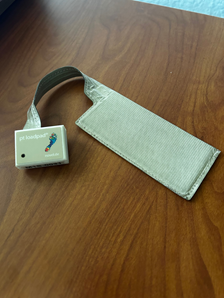
Figure 1. Force transducer pads attached to chest press machine handles.
A commercial plate-loaded chest press machine (Cybex) with a single bar and single weight stack was used for all trials. To independently measure force output from each upper extremity, bilateral force transducer pads (Novel Load Pad, Novel GmbH, Munich, Germany) were securely attached to each handle. These sensors allow independent capture of applied force in Newtons (N) for each limb [30]. See Figure 2.
Prior to data collection, the force measurement system was calibrated according to manufacturer guidelines to ensure accuracy and consistency across trials.
Experimental Procedures
Familiarization
To minimize learning effects, participants completed a standardized familiarization protocol prior to data collection. This included:
• Instruction on proper machine setup and body positioning
• One submaximal practice repetition for isometric testing
• One submaximal practice repetition for dynamic pressing
Participants were allowed to ask questions and adjust to equipment resistance before testing began.
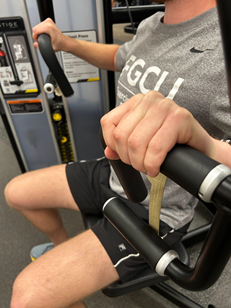
Figure 2. Cybex Chest Press Machine with force pads on the handles
Warm-Up
Participants performed a standardized 3-minute warm-up on an upper body ergometer at a self-selected moderate intensity. This was implemented to increase muscle temperature, improve neuromuscular readiness, and reduce injury risk. No heavy resistance or fatigue- inducing activity was permitted prior to testing.
Body Positioning and Standardization
To ensure consistency across participants, the following positioning criteria were enforced:
• Seated posture with full back support against machine pad
• Feet flat on the floor and shoulder-width apart
• Neutral head and spine alignment
• Handles adjusted to align with mid-sternal (nipple-line) height
• Elbows positioned approximately in line with the torso at starting position
• Symmetrical grip width maintained on both handles
Participants were instructed not to shift posture or apply trunk assistance during force production.
Testing Protocol
Isometric Chest Press Condition
Participants performed a maximal voluntary isometric contraction (MVIC) for 3 seconds against immovable handles. The weight stack was fully secured to prevent movement. Standardized verbal instructions were provided: “Push as hard and as evenly as possible with both arms and maintain maximal effort until told to stop.” Strong verbal encouragement was given during each trial to promote maximal effort. Force output from each limb was recorded independently. The highest stable force output during the 3-second window was used for analysis [31].
Isotonic Chest Press Condition
Following a rest period, resistance was adjusted to a submaximal load corresponding approximately to a 3 to 5 repetition maximum (RM), selected based on participant comfort and ability to complete controlled repetitions without failure. Participants performed three controlled repetitions of the chest press using a standardized tempo:
• Concentric phase: ~2 seconds
• Eccentric phase: ~2 seconds
No bouncing, rapid acceleration, or partial range of motion was permitted. Participants were instructed to maintain equal force distribution across both limbs throughout the movement.
Mean force output across the three repetitions was calculated separately for each limb.
Rest Periods
A minimum rest period of 2-minutes was provided between isometric and isotonic conditions to minimize fatigue effects. Additional rest was allowed if participants reported residual fatigue or discomfort.
Data Processing
Force data were exported from the mobile application into a secure spreadsheet for analysis. For each participant, the following variables were extracted:
• Peak force (isometric condition, each limb)
• Mean force (isometric condition, each limb)
• Mean force across 3 repetitions (isotonic condition, each limb)
All data were screened for outliers and recording artifacts prior to statistical analysis. No participants were excluded due to missing or invalid data.
Statistical Analysis
Statistical analyses were conducted using standard statistical software. Normality of data distribution was assessed using Shapiro- Wilk tests and inspection of Q–Q plots.
Paired-samples two-tailed t-tests were used to compare:
1. Right vs. left upper extremity force output
2. Dominant vs. non-dominant upper extremity force output
Effect sizes were calculated using Cohen’s d for dependent samples (d_z), defined as the mean difference divided by the standard deviation of the paired differences.
Ninety-five percent confidence intervals (95% CI) were calculated for all mean differences to assess precision and clinical relevance. Statistical significance was set at α = 0.05.
Results
Interlimb Force Differences
Isometric Condition
A significant difference in force production was observed between the right and left upper extremities during the isometric chest press condition (t(29) = 2.65, p = 0.013). The right upper extremity produced greater force (403.03 ± 127.29 N) compared with the left (379.63 ± 143.54 N), corresponding to a mean difference of 31.93 N (95% CI: 7.2–56.7 N) and a moderate effect size (d = 0.48).
The range of interlimb differences (0 to 176 N) indicates that while some participants demonstrated near symmetry, others exhibited asymmetry equivalent to approximately 40 pounds (lb.) of force. Three of 30 participants (10%) demonstrated equal bilateral force output within measurement resolution, suggesting that true symmetry during maximal isometric pressing is uncommon even in trained individuals [32]. See Table 1.

Table 1. Limb Force Comparisons
Isotonic Condition (3 Repetitions)
During the dynamic chest press condition, a statistically significant interlimb difference was again observed (t(29) = 3.42, p = 0.002). The right upper extremity produced higher mean force (363.27 ± 177.31 N) than the left (336.38 ± 132.66 N), with a mean difference of 39.42 N (95% CI: 15.9–62.9 N) and a moderate-to-large effect size (d = 0.62). See Figure 3.
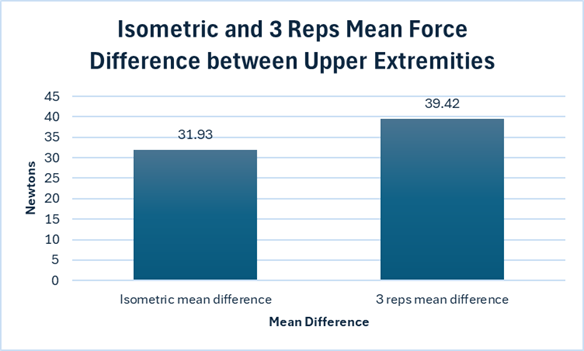
Figure 3. Limb Force Comparisons
The observed range of asymmetry (1.33 to 86.66 N) indicates that some individuals experienced clinically relevant loading discrepancies of approximately 20 pounds (lb.) between limbs during a single repetition set.
No participants demonstrated perfect symmetry across all three repetitions, indicating that even submaximal dynamic bilateral chest pressing with a single bar and single weight stack does not inherently equalize force production between limbs.
Dominance-Related Differences
Isometric Condition
When stratified by hand dominance, a small but statistically significant difference was observed during isometric contraction (d = 0.37, p = 0.05). Dominant limbs produced slightly higher force output (398.43 ± 127.29 N) compared with non-dominant limbs (380.90 ± 144.03 N), with a mean difference of 17.53 N (95% CI: 1.9–33.1 N). See Table 2.

Table 2. Dominance Comparisons
From a clinical standpoint, this suggests that hand dominance contributes to but does not fully explain interlimb strength asymmetry. The relatively small effect size indicates that dominance accounts for only a modest portion of performance variability during bilateral pressing.
Asymmetry favored the dominant limb in most right-handed participants (approximately 63%), whereas left-handed participants did not consistently demonstrate reciprocal patterns. Only one left- handed participant exhibited greater force production on the left side.
Isotonic Condition
No statistically significant difference was observed between dominant and non-dominant limbs during the isotonic condition (t(29) = 1.57, p = 0.127). The mean difference was 14.16 N (95% CI: −1.9 to 30.2 N), with a small effect size (d = 0.29).
Magnitude and Distribution of Asymmetry
Across both conditions, interlimb differences demonstrated substantial inter-individual variability. The largest observed asymmetry during isometric testing reached 176 N (approximately 40 pounds), while dynamic testing produced differences up to 86.67 N (approximately 20 pounds).
Discussion
This study demonstrates that bilateral machine-based chest press exercise does not produce symmetrical force output between upper extremities. Importantly, the magnitude of these differences supported by effect sizes ranging from moderate (d = 0.48) to moderate-to- large (d = 0.62) suggests that the observed asymmetries are not only statistically significant but also practically meaningful.
From a clinical perspective, this magnitude of asymmetry is meaningful because it represents a consistent unilateral loading advantage of approximately 8% of total force output. In applied resistance training settings, such a difference may be sufficient to alter long-term adaptation patterns if repeatedly reinforced through bilateral machine training.
From a training perspective, these findings have direct implications for the principle of overload. If one limb consistently produces less force during the bilateral exercise, it may experience a reduced mechanical stimulus relative to the contralateral limb. Over time, this may contribute to persistent strength imbalances or asymmetric hypertrophy, particularly in programs that rely heavily on bilateral machine training. Imbalances can be a contributor to overuse injuries and muscle strains.
The larger effect size observed during isotonic movement suggests that interlimb asymmetry may become more pronounced as task complexity increases. Unlike isometric contractions, dynamic pressing requires continuous motor coordination, stabilization, and force transfer across joints. These demands may amplify pre-existing neuromuscular asymmetries, resulting in greater divergence between limbs during functional movement.
Dominance effects were small and inconsistent, indicating that hand dominance alone does not fully explain interlimb force differences in bilateral pressing tasks. This finding aligns with prior research suggesting that strength asymmetries are multifactorial and not solely dependent on limb dominance [33].
A key applied implication is that bilateral machines may provide an incomplete representation of true limb loading. Even when total external load is known, internal distribution between limbs may be unequal and undetectable without independent force measurement. Over repeated training sessions, this may lead to chronic uneven stimulus distribution, potentially influencing hypertrophy and strength adaptations asymmetrically. When performing rehabilitation exercises, understanding how exercise machines function can help the physical or occupational therapist choose the best device for training.
These findings support increasing consideration of unilateral training or independently loaded bilateral systems to ensure equitable loading. They also raise questions regarding the assumption that machine-based bilateral exercises with a single bar and single weight stack inherently promote symmetrical development.
Limitations
The sample was relatively small and resistance-trained, limiting generalizability. Additionally, left-handed participants were underrepresented. Future research should include larger and more diverse samples and examine different machine designs and loading systems.
Conclusion
Bilateral chest press exercise with a single bar and single weight stack produces significant and meaningful interlimb force asymmetry in resistance-trained adults. These findings challenge the assumption that bilateral machine training ensures symmetrical loading and suggest potential benefits of unilateral or independently loaded resistance training strategies.
Highlights
• Bilateral chest press does not ensure symmetrical force output
• Dynamic contractions amplify force asymmetry compared to isometric tasks
• Machine-based resistance training may not evenly distribute load
• Findings support consideration of unilateral training strategies
Conflicts of Interest:
The author reports there are no competing interests to declare.
References
American Heart Association. (2024). Physical Activity Guidelines. View
Liguori, G., editor. (2021). ACSM’s Guidelines for Exercise Testing and Prescription. 11th ed. Philadelphia: Wolters Kluwer. ISBN: 978-1975150181 View
Faigenbaum, A. D. (2000). Strength training for children and adolescents. Clin Sports Med. 19(4):593–619. View
Haff, G. G., & Triplett, N. T. (2026). Essentials of Strength Training and Conditioning. 5th ed. Champaign: Human Kinetics. ISBN: 978-1718216273 View
DiNubile, N. A. (1991). Strength training. Clin Sports Med. 10(1):33–62. View
Westcott, W. L. (2012). Resistance training is medicine: effects of strength training on health. Curr Sports Med Rep. 11(4):209–216. View
Hagerman, F. C., Walsh, S. J., Staron, R. S., Hikida, R. S., Gilders, R. M., & Murray, T. F., et al. (2000). Effects of high- intensity resistance training on untrained older men. J Gerontol A. 55(7):B336–B346. View
Westcott, W. L., Winett, R. A., Annesi, J. J., Wojcik, J. R., Anderson, E. S., & Madden, P. J. (2009). Prescribing physical activity: applying the ACSM’s protocols for exercise type, intensity, and duration across 3 training frequencies. Phys Sportsmed. 37(2):51–58. View
Barry, B. K., & Carson, R. G. (2004). Consequences of resistance training and movement control in older adults. J Gerontol A. 59(7):M730–M754. View
Schlicht, J., Camaione, D. N., & Owen, S. V. (2001). Effect of intense strength training on standing balance, walking speed, and sit-to-stand performance in older adults. J Gerontol A Biol Sci Med Sci. 56(5):M281–M286. View
Capodaglio, P., Capodaglio Edda, M., Facioli, M., Saibene, F. (2007). Long-term strength training for community-dwelling people over 75: impact of muscle function, functional ability and life style. Eur J Appl Physiol. 100:535–542. View
Coon, P. J., Rogus, E. M., Drinkwater, D., Muller, D. C., & Goldberg, A. P. (1992). Role of body fat distribution in the decline in insulin sensitivity and glucose tolerance with age. J Clin Endocrinol Metab. 75(4):1125–1132. View
Flack, K. D., Davy, K. P., Hulver, M. W., Winett, R. A., Frisard, M. I., & Davy, B. M. (2011). Aging, resistance training, and diabetes prevention. J Aging Res. 2011:127315. View
Going, S. B., & Laudermilk, M. (2009). Osteoporosis and strength training. Am J Lifestyle Med. 3(4):310–319. View
Mayer, F., Scharhag-Rosenberger, F., Carlsohn, A., Cassel, M., Müller, S., & Scharhag, J. (2011). The intensity and effects of strength training in the elderly. Dtsch Arztebl Int. View
Grgic, J., Schoenfeld, B. J., Davies, T. B., Lazinica, B., Krieger, J. W., & Pedisic, Z. (2018). Effect of resistance training frequency on gains in muscular strength: a systematic review and meta-analysis. Sports Med. 48:1207–1220. View
Ribeiro, A. S., Schoenfeld, B. J., Silva, D. R., Pina, F. L., Guariglia, D. A., & Porto, M., et al. (2015). Effect of two-versus three-way split resistance training routines on body composition and muscular strength in bodybuilders: A pilot study. Int J Sport Nutr Exerc Metab. 25(6):559–565. View
Ferreira, D. V., Ferreira-Júnior, J. B., Soares, S. R., Cadore, E. L., Izquierdo, M., & Brown, L. E., et al. (2017). Chest press exercises with different stability requirements result in similar muscle damage recovery in resistance-trained men. J Strength Cond Res. 31(1):71–79. View
McLester, J. R., Bishop, E., & Guilliams, M. E. (2000). Comparison of 1 day and 3 days per week of equal-volume resistance training in experienced subjects. J Strength Cond Res. 14(3):273–281. View
Soares, S., Ferreira-Junior, J. B., Pereira, M. C., Cleto, V. A., Castanheira, R. P., & Cadore, E. L., et al. (2015). Dissociated time course of muscle damage recovery between single- and multi-joint exercises in highly resistance-trained men. J Strength Cond Res. 29(9):2594–2599. View
Stone, M. H., Collins, D., Plisk, S., Haff, G., & Stone, M. E. (2000). Training principles: Evaluation of modes and methods of resistance training. Strength Cond J. 22(3):65. View
Ball, D., & Herrington, L. (1998). Training and overload: adaptation and failure in the musculoskeletal system. J Bodyw Mov Ther. 2(3):161–167. View
Haff, G. G. (2000). Roundtable discussion: machines versus free weights. Strength Cond J. 22(6):18. View
Aerenhouts, D., D’Hondt, E. (2020). Using machines or free weights for resistance training in novice males? A randomized parallel trial. Int J Environ Res Public Health. 17(21):7848. View
Appleby, B. B., Cormack, S. J., & Newton, R. U. (2019). Specificity and transfer of lower-body strength: influence of bilateral or unilateral lower-body resistance training. J Strength Cond Res. 33(2):318–326. View
Liao, K. F., Nassis, G., Bishop, C., Yang, W., Bian, C., & Li, Y. M. (2022). Effects of unilateral vs. bilateral resistance training interventions on measures of strength, jump, linear and change of direction speed: a systematic review and meta-analysis. Biology Sport. 39(3):485–497. View
Häkkinen, K., Kallinen, M., Linnamo, V., Pastinen, U. M., Newton, R. U., & Kraemer, W. J. (1996). Neuromuscular adaptations during bilateral versus unilateral strength training in middle-aged and elderly men and women. Acta Physiologica Scandinavica. 158(1):77–88. View
McCurdy, K. W., Langford, G. A., Doscher, M. W., Wiley, L. P., & Mallard, K. G. (2005). The effects of short-term unilateral and bilateral lower-body resistance training on measures of strength and power. J Strength Cond Res. 19(1):9–15. View
Moran, J., Ramirez-Campillo, R., Liew, B., Chaabene, H., Behm, D. G., García-Hermoso, A., Izquierdo, M., & Granacher, U. (2021). Effects of bilateral and unilateral resistance training on horizontally orientated movement performance: a systematic review and meta-analysis. Sports Med. 51:225–242. View
Novel Load Pad. Novel GmbH. (2026). Loadpad®: Total force between any objects. View
Agtuahene, M. A., Quartey, J., & Kwakye, S. (2023). Influence of hand dominance, gender, and body mass index on hand grip strength. S Afr J Physiother. 79(1):1923. View
Petersen, P., Petrick, M., Connor, H., & Conklin, D. (1989). Grip strength and hand dominance: challenging the 10% rule. Am J Occup Ther. 43(7):444–447. View
Möck, S., Happ, K., & Wirth, K. (2023). The evaluation of strength imbalances as risk factor for contactless injuries of the knee and thigh: a critical review. J Sports Med Phys Fitness. 63(5):685-695. View