
- About the Journal
- Editorial Board
- Review Process
- Author Guidelines
- Article Processing Charges
- Special Issues
- Current Issue
- Past Issue
 Journal of Rehabilitation Practices and Research
 Volume 7 (2026), Article ID: JRPR-214
https://doi.org/10.33790/jrpr1100214Research Article
A Preliminary Study of the Influence of Sensory Gardens on Mood and Engagement in Adults with Intellectual and Developmental Disabilities
Sanchala K. Sen*, Geraldine Cruz-Cuna, Takiyah Harris, Tamia Kale, Robert Mendez, NaMiyah Reddicks, Ra’isah Sheppard, and Amber Strong
Department of occupational therapy, Winston-Salem State University, North Carolina, United States.
Corresponding Author Details: Sanchala K. Sen, OTD, MS, OTR/L, BCPR. FAOTA, Associate Professor, Department of occupational therapy, Winston-Salem State University, North Carolina, United States.
Received date: 09th April, 2026
Accepted date: 28th August, 2026
Published date: 31st August, 2026
Citation: Sen, S. K., Cruz-Cuna, G., Harris, T., Kale, T., Mendez, R., Reddicks, N., Sheppard, R., & Strong, A., (2026). A Preliminary Study of the Influence of Sensory Gardens on Mood and Engagement in Adults with Intellectual and Developmental Disabilities. J Rehab Pract Res, 7(2):214.
Copyright: ©2026, This is an open-access article distributed under the terms of the Creative Commons Attribution License 4.0, which permits unrestricted use, distribution, and reproduction in any medium, provided the original author and source are credited.
Abstract
Purpose: The study examined the effect of sensory gardens on individuals with intellectual and developmental disabilities.
Methods: A mixed-method research design was administered over a three-month period with 21 participants (n=21). Participants were 18 years of age or older, had a diagnosis of intellectual disability, and attended an adult day center in the southeastern part of the United States. Pre- and post- surveys using researcher modified Block Rating Scale were used to gather quantitative data on mood upon entering and exiting the sensory garden. A section of the Modified Engagement Scale was also used to obtain quantitative data on attention and attitude to stimuli in the sensory garden. Qualitative data were obtained using observations and comments made by the participants.
Results: The outcome measures indicated that participants were attentive and had an overall positive attitude towards the sensory garden. Participants also presented with an improvement in mood when exiting the sensory garden. The themes of sensory exploration, social engagement, and emotional regulation emerged from the qualitative data.
Conclusion: The findings of this small exploratory study appear to suggest that the sensory garden had a positive impact on the participants. Further research is recommended with a larger sample size and more rigorous methods of assessment.
Keywords: Sensory Processing, Social Engagement, Nature, Emotional Regulation, Senses
Introduction
The idea of sensory gardens first emerged from the horticultural therapy movement that took place in the United Kingdom in the 1970s [1]. Horticultural therapy is a beneficial and therapeutic modality that involves individuals actively engaging with plants and gardens. The benefits of garden environments have been documented since ancient times. However, in the 19th century, Dr. Benjamin Rush, the "Father of American Psychiatry," was the first to document the positive effect that working in the garden had on individuals with mental illness [2].
The purpose of sensory gardens is to provide significant opportunities for individuals to stimulate their senses. Sensory gardens help to stimulate a person’s vision through colorful plants, butterflies, and birds. Natural noises such as the breeze, the texture of plants, and the smell of fresh air also help increase stimulation [2]. This environment may benefit not only typical people but also people with intellectual and developmental disabilities. Intellectual and developmental disabilities are disorders that may appear before adulthood and are characterized by lifelong impairments in intellectual, adaptive, or physical function [3]. Individuals with intellectual and developmental disabilities often experience challenges related to adaptive functioning, social participation, and emotional well-being [4,5]. As mentioned previously, there are benefits to engaging with sensory gardens; however, research on the outcomes and benefits of sensory gardens for individuals with intellectual disabilities is limited. While evidence directly linking sensory gardens to improved emotional and social skills specifically in individuals with intellectual disability is still developing, research on other populations, such as children, suggests potential positive effects [6,7].
The significant gap in knowledge regarding the specificity of sensory gardens and people with intellectual disabilities increases the need for this study. The lack of research hinders the therapeutic practice and usage of sensory gardens in settings where individuals with such disabilities may be present. An increase in research on this topic would allow therapeutic interventions to be used and tailored to to this population to increase their well-being and social interactions. Individuals with intellectual and developmental disabilities have distinct sensory and therapeutic needs, and this study attempts to focus on efficacy, as well as how to maximize the experience for this population. There are many dimensions to the scale of the impact of sensory gardens within the intellectual disability population, some of which include a sense of connection, relaxation, inclusion, and even support for caregivers and the families of individuals with this disability [8].
We primarily focused on the following research question: Does the experience of a sensory garden affect the overall mood and engagement of individuals with intellectual and developmental disabilities?
Purpose of the Study
This study explored the effects of a newly designed sensory garden on individuals with intellectual disabilities, focusing on changes in mood, attitude, and engagement. Using observations, surveys, and engagement scales, we examined how garden exposure influenced emotional regulation and participation. Due to the limited research on the impact of sensory gardens on individuals with these disabilities, many settings have not yet implemented their use. The purpose of this study was an attempt to close the gaps in research related to the use of sensory gardens in the adult population with intellectual disability. The literature found did not outline the benefits of a sensory garden specifically to this population. The study aimed to expand on the current literature for occupational therapists to incorporate into their practice and increase the use of sensory gardens in spaces created for adults with intellectual disability.
Significance of Study
The proposed research study has the potential to be significant because it can provide valuable insight into the use of sensory gardens for adults with intellectual disabilities. Occupational therapy practitioners can advocate for such spaces in clinical settings and attempt to incorporate them into their practice.
Review of Related Literature
This literature review summarizes the information found in articles related to the study. To begin, the review emphasized how the Person-Environment-Occupation Model (PEO) related to the study. Next, using the articles identified, the review focused on previous data from research and used it as key information needed to understand and conduct the study. These articles focused on the review of a sensory garden, outcomes and benefits, challenges and considerations, and gaps in research for this topic. The overview of the sensory garden provided details on what a sensory garden is and how it is used. Outcomes and benefits gave insight into how the use of a sensory garden had numerous positive outcomes for individuals with intellectual disability. The challenges and considerations reflected on possible problems and considerations that were taken while conducting this study. Finally, the review focused on any gaps that were found in the study.
Person-Environment-Occupation (PEO) Model
The Person-Environment-Occupation (PEO) model emphasizes that there are transactional relationships between the person, environment, and occupation throughout a lifetime that can affect occupational performance [9,10]. This model is a practical model used by rehabilitation therapists that can be used to conceptualize, plan, communicate, and evaluate occupational performance interventions. The greater the overlap between the person, environment, and occupation, the greater or stronger the occupational performance is [11]. The PEO model is relevant to this study for exploring the effects of sensory gardens on individuals with intellectual disabilities and highlighting how the sensory-rich environment of a garden can support the well-being and engagement of this population. The PEO model suggests that individuals can experience enhanced occupational engagement and well-being through an environment that provides an emphasis on multiple senses, all the while providing a therapeutic environment such as relaxation, sensory exploration, and overall increased well-being. The PEO model’s principles are closely related to the purpose of this research to see the positive benefits of a sensory garden; that can range from an individual's mood and sensory processing to, as stated before, an overall quality of life.
Overview of sensory gardens
A sensory garden is designed to address the seven senses of vision, hearing, touch, taste, smell, vestibular, and proprioception, while fostering a more immersive and experiential connection with nature [12]. Duncan et al. [13] described a sensory garden as a therapeutic garden that provides color, fragrance, texture, natural form, seasonal interest, and wildlife attraction that is “meant to promote wellbeing, regardless of any presence or absence of diagnosis”. A sensory garden has a collection of plants that are appealing to one or more of the five senses: sight, smell, sound, taste, and touch [14]. Sensory gardens stimulate cognition, reduce stress, relax people, and improve overall mood and well-being [2]. Sensory gardens should be accessible for all people to enjoy - disabled and non-disabled [14]. The garden is created to be outdoors, which allows individuals a variety of sensory stimuli to engage and stimulate their senses. In a sensory garden, there are fragrant flowers, textured plants, water, light, wind chimes, swings, and seating areas. These gardens are typically geared toward young children but are enjoyed by people of all ages [14].
Possible Benefits of a Sensory Garden
Individuals with intellectual disabilities can experience challenges in their day-to-day lives that may leave them with behavioral problems that can be caused by frustration and overstimulation. Sensory gardens provide a safe and supportive environment that can give these individuals a sense of connection to the natural world and an improved quality of life. These gardens serve as sanctuaries, reducing stress and promoting relaxation, as well as contributing to improved mental well-being and a decrease in symptoms of depression and anxiety [15].
Research Questions and Hypothesis
The current research study aims to address gaps in literature by exploring whether the utilization of sensory gardens among adult populations with intellectual disabilities promotes enhanced sensory regulation and a positive mood. The hypothesis suggests that these adults who are introduced to and spend time in sensory gardens will experience improved sensory regulation and a heightened positive mood through engaging in sensory-stimulating activities within a secure and adaptive environment over time.
The sub-questions for our study were: How many times per week did the participant utilize the garden? How many times per day did they go in the garden? What is the participant's emotional state going in and coming out after the usage of the sensory garden? Are there any other comments by the participant/caregiver?
Materials and Methods
This research was a mixed-method study design with quantitative and qualitative data gathered from participants at the adult day center. A mixed-method design was beneficial to understand the participants’ mood, engagement, and attitude towards the sensory garden. Data were collected using the freely available Block Rating Scale and the Observational Measurement of Engagement scale (OME). Researchers modified the Block Rating Scale and used it to determine if there were any changes in mood when entering and leaving the sensory garden. The modified Block Rating Scale had words, numbers, colors, and various facial expressions to suit this population. To assess and understand the participant’s attitudes and engagement throughout the sensory garden, researchers used parts of the OME Scale to track overall behavior. Qualitative data were retrieved through direct quotes from the participants in the sensory garden and came from the researcher's observations of the participants while in the sensory garden.
Participants/Sampling
The study took place at an adult day program in the southeastern United States. Participants were selected through convenience sampling due to an existing relationship with the center and access to its attendees. Inclusion criteria required participants to be at least 18 years old, enrolled in the day program, and have a diagnosis of either mild, moderate, or severe intellectual disability. Flyers were posted at the center to introduce the study, and with support from pod leaders and caregivers, participants were informed and familiarized with the research. Informed consent explaining the study’s purpose and that participation was voluntary was obtained from all participants. Each participant’s parent or caregiver completed a written consent form prior to the start of the study. This study was reviewed and approved by the Winston-Salem State University Institutional Review Board (IRB protocol FY2024-63, IRB Number 802871). A site permission letter was obtained from the administrator at the adult day center. The participant group consisted of seven females and fourteen males (N=21), all of whom were participants at the Adult Day Program and had some form of intellectual and/or developmental disability.
Data Collection
The research team was made up of seven researchers, each responsible for working with three participants for a total of three visits. Every participant engaged in a one-on-one session for three sessions with their assigned researcher, making it a total of 21 visits. The researchers were trained by the principal investigator in the exact procedure to be followed each time they met with their participants. Data collection was conducted over a three-month period in the fall of 2024.
During each visit, researchers monitored participants' mood before entering the sensory garden and after departing the sensory garden. To collect the participants' mood before entering and leaving the sensory garden, researchers used the Modified Block Rating Scale, adapted from the original Block Rating Scale developed by Stephen Norwood [16].
Participants verbally described their mood using the scale or pointed to the visual representations provided. This scale offered all-inclusive numerical and visual descriptors of emotions, providing accessibility for participants with distinct cognitive levels (See Appendix A, Figure 1.1). The Modified Block Rating Scale was useful in discovering any changes in the participants’ mood during engagement with the elements within the sensory garden. This rating scale was made up of a five-point system: Scores of 5 reflected intense or severe daily emotions such as anger, stress, 3-4 represented moderate or neutral emotions, and 1-2 indicated lower-level emotions such as calm and relaxed states.
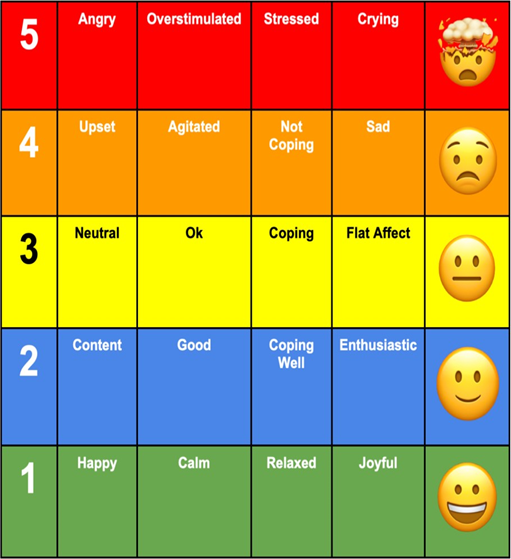
Figure. 1.1 Modified Block Rating Scale to assess mood
In addition to the mood assessment, researchers used parts of the Modified Engagement Scale to observe and monitor the participants’ overall attitude and engagement during their session in the garden. This scale was adapted from the original Observational Measurement of Engagement Scale (OME) by Cohen-Mansfield, Dakheel-Ali, and Marx [17]. For this study, the researchers utilized a section of the original scale that emphasized the participant’s focus on sustained attention and attitude while in the sensory garden (See Appendix A, Figure 1.2). This assessment used a seven-point scale ranging from 1 to 7: 1- indicating low sustained attention, frequent need for redirection, or a negative attitude and 7- representing the highest level of engagement, reflecting strong, sustained attention, no need for redirection, and a consistently positive attitude. The researchers observed and noted the participants’ attitude and the amount of time they were engaged in the garden. Additionally, they observed behaviors and noted verbatim any comments made by the participants or their caregivers. The two rating scales were consistently applied by all the researchers for every visit.
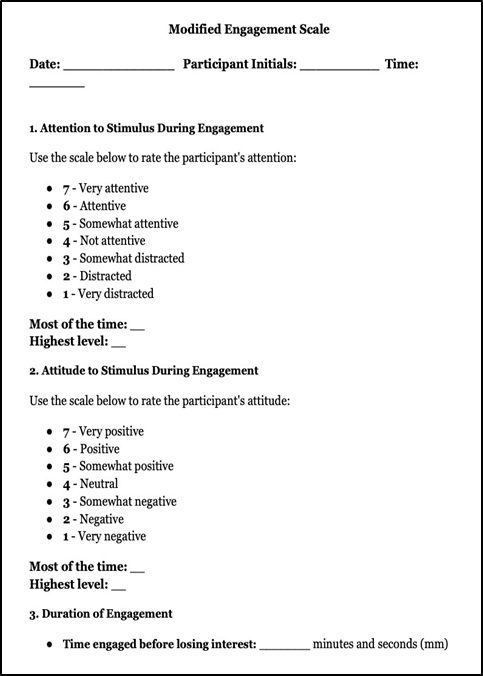
Figure. 1.2 Modified Engagement Scale for sustained attention and attitude
Data Analysis
Quantitative analysis of pre- and post-intervention scales was completed using Microsoft Excel version 2016. Descriptive statistical methods were utilized to summarize participant responses, identify overall trends, and calculate the mean, median, and mode of information gathered. Participants’ information was coded using their initials to identify and link information for the three visits to the sensory garden.
Qualitative data were examined using thematic and inductive content analysis. Microsoft Excel® version 2016 was used as the code book to highlight major concepts and ideas being conveyed. Direct quotes were gathered during each visit and initially coded lineby- line by each researcher individually. The team then collaboratively reviewed, discussed, and refined the coding to identify common themes and subthemes related to the study question. Redundant or recurring information was eliminated.
Results/Findings
Quantitative Data Analysis
Quantitative data were collected using pre- and post-intervention scales to assess changes in participants’ self-reported mood using the Modified Block Rating Scale and observed attitude/engagement using the Modified Engagement Scale. Mood ratings were averaged across three visits for each participant.
In Appendix B, Graph 1.1, the orange bar represents pre-intervention mood averages, while the green bar represents post-intervention mood averages. Descriptive statistics were used to analyze data through Microsoft Excel to calculate the mean, median, and mode of participants’ mood rating averages. The mean pre-intervention mood score was 2.03, while the post-intervention mean was 1.32, indicating a 0.71-point decrease. This change suggests an improvement in emotional regulation following interaction with the sensory garden. The median mood score decreased from 2.00 pre-intervention to 1.33 post-intervention, and the mode shifted from 2 to 1. These consistent decreases across all three measures support the positive impact of the sensory garden on participants’ ability to self-regulate emotionally.
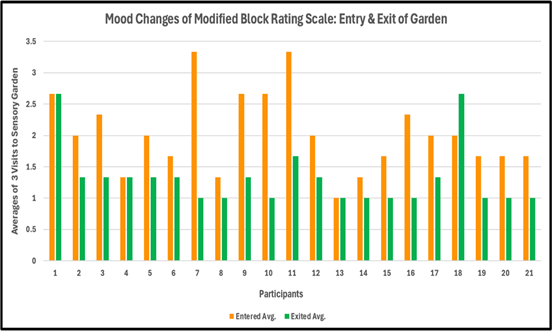
Graph 1.1 Mood changes of Modified Block Rating Scale upon entry and exit of sensory garden
Appendix B, Graph 1.2 highlights the average findings over the three visits of all participants for attention and attitude. In this graph, the yellow bar represents the average sustained attention, while the purple bar represents the participant’s overall attitude. The results show that after the participants were in the garden for 30 minutes, they sustained attention for an average of six minutes, with the highest on the scale being seven minutes. The average attitude of all participants was six out of seven. As shown, no one averaged below five, meaning that overall, the participants had a high sustained attention and positive attitude while interacting in the garden. These results were not conducted pre- and post but averaged over each of the three visits for every participant.
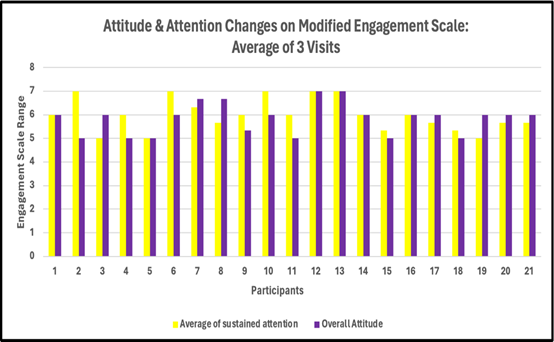
Graph 1.2 Average findings over the three visits of all participants for attention and attitude
Qualitative Data Analysis
Qualitative responses were obtained from observations and direct quotes by the participants while engaging in the sensory garden. Content data analysis was utilized to analyze the data, which was chosen due to the small sample size. Once data was successfully collected with observation and direct quotes from the participants, the researchers exported the information to a Microsoft Excel document to create a codebook. The responses were organized and coded in Microsoft Excel by all the investigators separately and then reviewed as a group for accuracy and agreement on themes. The qualitative data analysis process included highlighting the major concepts and ideas being conveyed. The resulting concepts were continually reviewed and grouped together until saturation occurred to form themes related to the study question. Redundant or recurring information was eliminated. Each investigator selected several common themes for each question. Investigators then combined the common themes for each question and discussed themes until reaching a consensus.
The primary themes and associated subthemes are shown below in a table format. Also, a visual format of the themes and subthemes are depicted in Appendix C.
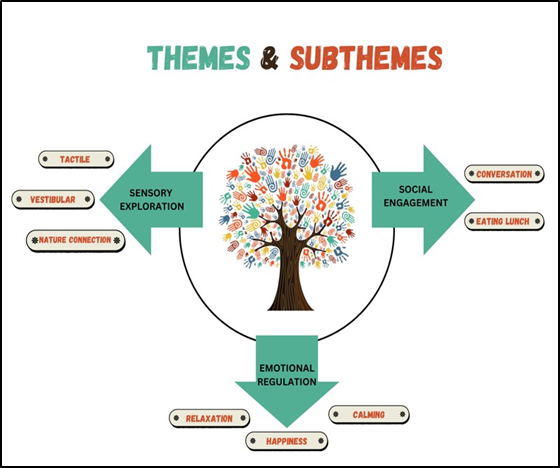
Appendix C Themes and subthemes

Table
Participants expressed enjoyment in interacting with natural elements such as touching plants, rocks, and other garden objects as well as experiencing vestibular input from activities like swinging. They frequently found joy in connecting with nature, whether through the warmth of the sun or the sound of birds chirping. Moreover, the garden environment fostered a sense of calm and relaxation, encouraging participants to engage in outdoor meals and meaningful conversations with their peers or pod leaders.
Some impactful quotes from participants:
“The garden makes me feel better”- Participant 3 “I enjoy being in the garden eating lunch”- Participant 7 “The garden makes me feel happy and relaxed” - Participant 15 “I really love everything about this garden” - Participant 20
“I use the garden every day, I just come out and sit on the swing”- Participant 9
“I like to smell the flowers and plants” - Participant 17
Integration of Findings
The integration of quantitative and qualitative findings provides a more comprehensive understanding of the sensory garden experience than one dataset alone. The quantitative measures demonstrated improvements in mood and high levels of engagement, while qualitative findings helped explain the mechanisms underlying these outcomes. Improvements in mood were reflected in themes of emotional regulation, while high engagement scores were supported by themes of sensory exploration and social participation. Participant quotes illustrated the mechanisms through which the sensory garden facilitated positive emotional and engagement outcomes, thereby helping to strengthen the overall interpretation of findings.
Discussion
Challenges, Considerations, and Gaps in Research
The results of the study showed that a sensory garden can have possible positive benefits for adults with intellectual disability. It contributed to an improvement in mood. This was reflected by the average decrease of 0.71 for participants on the Modified Block Rating Scale and overall attitude averaging above 5 on the Modified Engagement Scale. The sensory garden also provided opportunities for sensory exploration, emotional regulation, and social engagement as shown by the quotes obtained during interactions with the participants.
The findings from this study appear to align with evidence-based research that has shown that sensory gardens provide sensory stimulation as well as calming and engaging environments. In a study by Sally et.al., [18], the authors found evidence that multisensory therapy promoted participants' positive emotions, and they were happier and more relaxed. They also showed evidence that the participants displayed more positive emotions and less negative emotions after multisensory therapy sessions. This directly correlates with our findings of positive behavior after spending time in the sensory garden.
A challenge related to the study was the lack of research regarding adults with intellectual disabilities and the use of sensory gardens. Although there were many articles written on children with this disability, this study would have benefited from more background information related to adults within the intellectual disability population. Another consideration involved education that was needed to be provided to the individuals at the study facility to increase participation. Additionally, individuals with lower cognitive abilities may have difficulty understanding what is needed from them for the research, resulting in inaccurate findings and this could be a challenge too.
This study could fill the gap and discuss the outcomes that a sensory garden could have on individuals with intellectual disabilities. Exploring and expanding upon sensory gardens within this population would be significantly beneficial by tailoring to the diverse needs of this community and improving efficacy. Alongside sensory gardens and the population with intellectual disabilities, there is also a gap surrounding the longitudinal research to study the longterm effects of sensory gardens as time progresses. When creating a sensory garden for individuals with intellectual and developmental disabilities, it is important to focus on being inclusive and making the garden accessible to everyone. Additional research is needed to explore the designs of sensory gardens within these settings to ensure factors such as wheelchair accessibility and stimulation preferences are considered.
Limitations
The authors acknowledge several limitations to this study. A small convenience sample, limited time allocated for data collection, inclement weather, the number of people present in the garden at a given time, and scheduling conflicts were some of the factors that the research team encountered. Additionally, a single-site design, lack of a control group, researcher observation bias, use of modified assessment tools, and a lack of inferential statistics may further limit the generalizability of results. Approximately three months were allocated for data collection and during this time, inclement weather, or scheduled events for the participants at the day center prevented researchers from engaging effectively with the participants to collect data. The researchers had to change the schedule several times due to these issues. Additionally, one of the instruments used in this study was modified by the research team to better meet the needs of this population. Due to these modifications, this instrument may have limited validity and reliability.
Implications for Occupational Therapy Practice and Research
Incorporating sensory gardens and sensory activities into occupational therapy (OT) could be a way to help individuals feel better emotionally. Sensory gardens promote independence and improve quality of life by addressing sensory needs in a meaningful way [1]. OT incorporates a client-centered approach, tailoring interventions to the needs and preferences of individuals. Occupational therapy practitioners can use interventions to address difficulties with sensory processing, emotional regulation, and functional skills. Engaging in sensory gardens allows individuals to experience sensory stimuli, and foster sensory integration, and regulation. The significance of OT and sensory-based interventions is crucial for enhancing the quality of life of individuals with intellectual and developmental disabilities.
Sensory gardens could be integrated into therapy programs for individuals with intellectual and developmental disabilities to enhance emotional regulation, reduce stress, and promote relaxation. Regular access to sensory gardens may contribute to improved mood, increased engagement, and overall well-being in these individuals. Organizations and care facilities may consider incorporating sensory gardens into their environments to provide meaningful activities that support sensory, emotional, and social development. Findings could support funding requests for the development of sensory gardens in health care, educational, and community settings to benefit individuals with such disabilities. The study could pave the way for additional research on the long-term benefits of sensory gardens, optimal design elements, and their impact on different populations.
Conclusion
The findings of this exploratory study suggest that sensory gardens may have potential benefits for adults with intellectual and developmental disabilities. The results from this study align with evidence-based research which has shown that sensory gardens provide sensory stimulation as well as calming and engaging environments. This directly correlates with our findings of positive behavior after spending time in the sensory garden by participants with intellectual disabilities. The study may help address the significant gap in research regarding sensory gardens and adults with intellectual disabilities. However, further exploration with a larger sample size should be conducted to confirm the results of this study. Additional robust research supporting these results could promote the implementation of sensory gardens for therapeutic practice in settings where adults with intellectual and developmental disabilities are likely to be present.
Acknowledgments
We thank all the participants, caregivers, and management of The Enrichment Center for their time, support, and cooperation, without which this study would not have been possible.
Declaration of interest
The authors report no conflicts of interest. The authors alone are responsible for the content and writing of this article.
References
Hussein, H. (2010). The influence of sensory gardens on the behavior of children with special educational needs. Procedia- Social and behavioral sciences, 38(2012), 343-354. View
Tu, H.-M., & Chiu, P.-Y. (2020). Meta-analysis of controlled trials testing horticultural therapy for the improvement of cognitive function. Scientific Reports, 10, Article 14637. View
Schalock, R. L., Luckasson, R., & Tassé, M. J. (2021). Intellectual disability: Definition, diagnosis, classification, and systems of supports (12th ed.). American Association on Intellectual and Developmental Disabilities. View
National Institutes of Health. (2010). Intellectual and developmental disabilities. National Institute of Child Health and Human Development. View
Hissong, A.N., Lape, J.E., & Bailey, D.M. (2015). Bailey’s research for the health professional (3rd ed.). F.A. Davis Company View
Cermak, S. A., Stein Duker, L. I., Williams, M. E., Dawson, M. E., Lane, C. J., & Polido, J. C. (2015). Sensory adapted dental environment to enhance oral care for children with autism spectrum disorders: A randomized controlled pilot study. Journal of Autism and Developmental Disorders, 45, 2876– 2888. View
Creswell, J. W. (2016). Chapter 30. In 30 Essential Skills for the Qualitative Researcher (pp. 1– 2). essay, John Crewel. View
Lucas, J., Burns, J., Burton, M., Jackson, K., Pickett, C., Sorensen, C., Terranova, B, & Yates, E., (2025). Outcomes of A Sensory Garden for Caregivers of Individuals with Intellectual Developmental Disabilities. J Rehab Pract Res, 6(1):157. View
Law, M., Cooper, B., Strong, S., Stewart, D., Rigby, P., & Letts, L. (1996). The Person- Environment-Occupation Model: A transactive approach to occupational performance. Canadian Journal of Occupational Therapy, 63(1), 9–23. View
Bass, J. D., Marchant, J. K., de Sam Lazaro, S. L., & Baum, C. M. (2024). Application of the Person–Environment– Occupation–Performance model: A scoping review. OTJR: Occupation, Participation and Health, 44(3), 521–540. View
Rigby, P., Trentham, B., & Letts, L. (2019). Modifying performance contexts. In B.A.B. Schell & Gillen (Eds.), Willard & Spackman’s occupational therapy (13th ed., pp. 460-479). Wolters Kluwer. View
Wagenfeld, A., Sotelo, M., & Kamp, D. (2019). Designing an impactful sensory garden for children and youth with autism spectrum disorder. Children, Youth and Environments, 29(1), 137–152. View
Duncan, S., Hinckson, E., & Souter-Brown, G. (2021). Effects of a Sensory Garden on Workplace Wellbeing: A Randomized Control Trial. Landscape and Urban Planning, 207. View
Worden, E. C., & Moore, K. A. (2004). Sensory Gardens. University of Florida IFAS Extension. View
Staniewska, M. (2022). The impact of community gardens on mental health and well-being. Journal of Community Health. 47(3):121-134.
Norwood, S. (2011). Rating scale resources. Happy Learners. Rating Scale Resources View
Cohen-Mansfield, J., Dakheel-Ali, M., & Marx, M. (2009). Engagement in persons with dementia: The concept and its measurement. The American Journal of Geriatric Psychiatry, 17(4): 299-307. PMID: 19307858 View
Sally, C., David, T. R., Chau, P. C., Tam, W., & Chiu, I. W. (2009). Effects of Multisensory Therapy on Behaviour of Adult Clients with Developmental Disabilities. JBI Libr Syst Rev. 7(9):309-353. View